
Santini Regular Shorts
Santini regular cycling shorts strip away the shoulder straps and give you the same Italian engineering that's been turning up at Grand Tour starts for decades - just in a far more versatile, bib-free package. If you're sweating through turbo sessions in January, rolling to work on a muggy August morning, or simply want a short that's off and on without a contortionist act, these are worth a close look.
What you're not sacrificing is the quality. Santini waist shorts use the same Thunderbike Power compression fabric and advanced chamois technology - including the GITevo pad with its Twist Gel core - as the brand's race-day bib range. The upper-body ventilation you gain by ditching straps is a genuine advantage during indoor spin classes or humid UK summer rides where a bib's back panel starts to feel like a greenhouse. Quick changes at the office or a race transition become far less of a production too.
Santini padded shorts in waist-fit form sit across several price points and chamois configurations, so there's a model whether you're commuting three days a week or doing back-to-back weekend sportives. Italian Lycra, proper panel construction, and a waistband designed to stay put - not roll south mid-climb - make these a credible choice beyond the obvious casual use case.
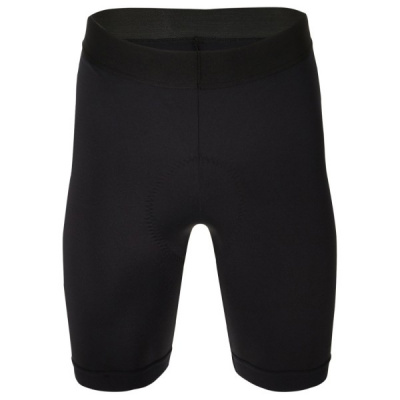
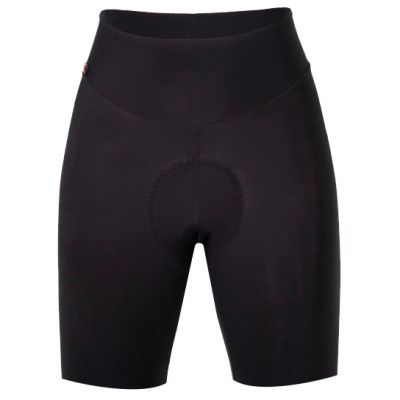
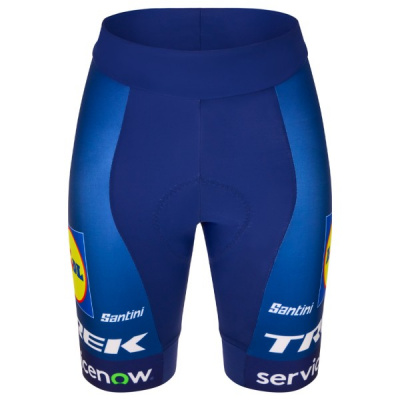
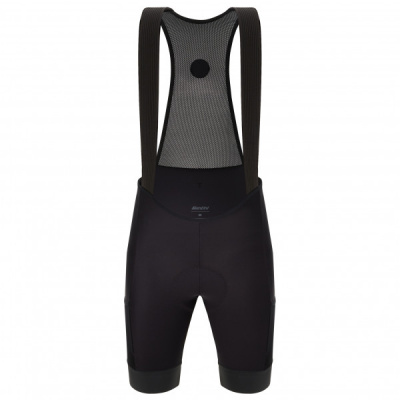
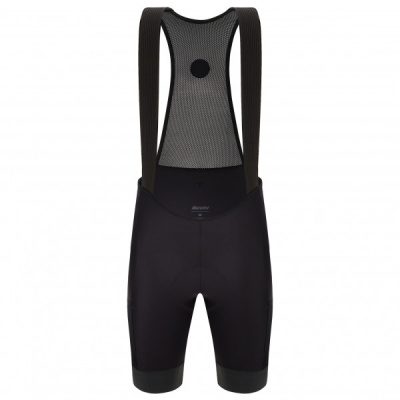
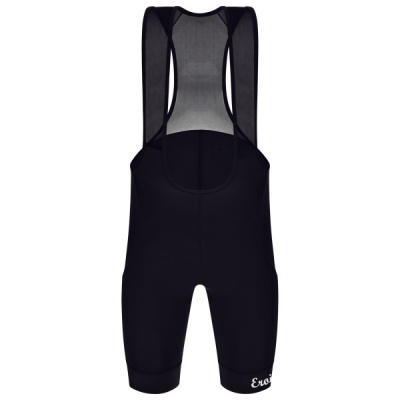
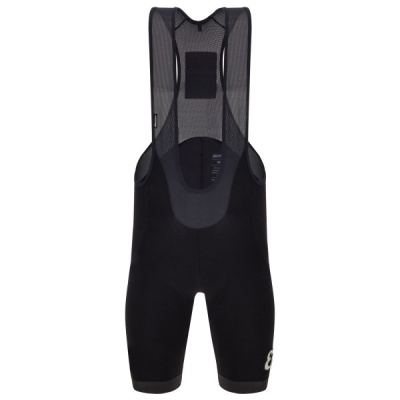
Prices and availability can change quickly. Delivery charges are not always included in listed prices.
Final price, stock status and delivery terms are set by retailer. We may receive a commission on purchases made.
Fabric Tech and How It Handles British Weather
Santini's Thunderbike Power fabric is the engine here. It's a graduated-compression Italian Lycra that applies targeted pressure to the quads and hamstrings, reducing the muscular vibration that builds into fatigue over longer efforts. Think of it like a firm handshake for your legs rather than a loose grip - the support is there without feeling constrictive. That compression story is consistent across the Santini range, whether you're looking at entry-level non-bib cycling shorts or their more premium constructions.
The bib-free design pays real dividends in heat management. Without a back panel and shoulder straps trapping warmth against your torso, air moves far more freely - a meaningful advantage on the turbo where there's no wind chill at all, and equally useful during a sweaty commute through city traffic in July. The quick-drying nature of the Lycra blend means a brief summer downpour on the ride in doesn't leave you sitting at your desk in damp shorts for the rest of the morning. For riders who also use Santini base layers, the moisture management stacks up well across the whole system.
Where waist shorts have a natural ceiling is cold-weather outdoor riding. Below about ten degrees, you'll want either a bib with built-in wind protection or a thermal layer over the top. For indoor winter training and summer outdoor use, though, the breathability argument is hard to argue against.
How the Santini Waist Fit Works - and Who It's For
The waistband is where cheaper waist shorts fall apart, literally. Santini uses an anatomical high-cut waistband construction that's shaped to follow the riding position rather than the standing one. When you're bent over the bars, it stays put. No roll-down, no gap at the lower back exposing you to the breeze, no faffing with adjustments at the top of a climb. The silicone gripper on the interior edge does the actual anchoring work, and it's subtle enough that you don't feel it biting into your skin after an hour.
Leg grippers vary by model - some use silicone dot patterns, others raw-cut stretch bands. Both work; the raw-cut edge tends to feel less noticeable on the inner thigh for riders with sensitive skin, while silicone dots offer a firmer hold if you're prone to the hem riding up. Check the specific model's spec sheet if that detail matters to you.
Santini sizing runs Italian, which typically means the fit is cut for a lean, upright physique. A lot of UK riders find they need to go one size up from their usual. If you're between sizes, size up - the Lycra will compress to you rather than the other way around, and a too-tight waistband is miserable within the first ten minutes.
Waist shorts are the right call when freedom from straps is the priority: easy bathroom stops, commuting, indoor training, or simply personal preference. They're not a compromise - they're a different tool. If you prefer the locked-in feel and lower-back coverage of shoulder straps, you'll want to explore the dedicated bib range. Check out the full collection of Santini Bib Shorts for endurance and race-day setups.
For context on how Santini's waist fit compares to the broader market, it sits in a similar bracket to Castelli regular shorts in terms of construction quality, though the chamois philosophy differs. If budget is a factor, dhb regular shorts offer a more accessible entry point without matching the Italian fabric quality.
Chamois Options - Picking the Right Pad
Santini offers two main chamois technologies across the regular shorts range, and the choice matters more than most riders expect.
The GITevo chamois is the one to reach for if you're doing anything over ninety minutes. Its Twist Gel core is a three-dimensional gel structure that deforms under load and rebounds, absorbing road vibration rather than just sitting between you and the saddle. Rated for up to six hours of riding, it's genuinely capable on longer sportives and multi-hour training blocks - not just a marketing claim. This is the pad where Santini's investment in chamois development is most visible, and it's what makes Santini indoor cycling shorts and longer outdoor efforts work equally well.
The eMAX pad uses multi-density foam rather than gel. It's thinner, less bulky, and better suited to efforts under ninety minutes - commuting, spin classes, recovery rides. It won't give you the same shock absorption on rough tarmac, but it also won't feel like you're sitting on a mattress during a static indoor session. For Santini commuter shorts use, the eMAX is the more practical fit.
Neither pad needs breaking in the way a leather saddle does. They're ready from the first ride, which matters if you're rotating multiple pairs through a training week.
Pairing, Washing, and Making Them Last
Waist shorts pair naturally with a standard Santini jersey for road or sportive use, but they're also the short that works with a casual tech tee for commuting without looking like you've arrived in full race kit. That versatility is part of the appeal - you're not committed to the full Lycra look if the day doesn't call for it.
Washing is where a lot of riders quietly destroy good shorts. Thirty degrees, inside out, gentle cycle - that's it. No fabric softener, ever. Softener coats the Lycra fibres and clogs the breathable structure, and it does the same to the chamois foam, breaking down the density differentiation that makes it comfortable. Once that's gone, it's gone. Air dry at room temperature, away from radiators. Direct heat kills the elasticity, and you'll notice it quickly in a waistband that no longer holds its shape. Treat them right and a quality pair of Santini shorts will run through hundreds of washes without the chamois going flat or the fabric bagging out.
If you're after comparison at a slightly lower price point, Endura regular shorts are worth a look for UK riders who prioritise weather resilience, though the chamois depth and Italian fabric quality aren't quite at the same level.
Santini Regular Shorts FAQs
Are regular cycling shorts better than bib shorts?
Neither is categorically better - they solve different problems. Waist shorts are easier to get on and off, cooler for indoor training, and more practical for commuting with quick changes. Bib shorts give you better lower-back coverage, no waistband pressure during long efforts, and a more locked-in fit overall. Which works for you depends on the ride.
How should Santini regular shorts fit?
Compressive but not cutting off circulation - the waistband should sit flat against your stomach with no rolling when you're bent over the bars. Santini sizes Italian, so many UK riders need to go one size up from their usual. If you're on the boundary between two sizes, go larger. A waistband that's too tight ruins the ride within the first half hour.
Which Santini chamois is best for everyday riding?
For versatile everyday use across a range of distances, the GITevo pad is the stronger choice - its Twist Gel core handles road vibration well for rides up to six hours. If your typical outing is a commute or a spin class under ninety minutes, the eMAX foam pad is thinner, less bulky, and entirely sufficient for the job.