
Santini Jackets
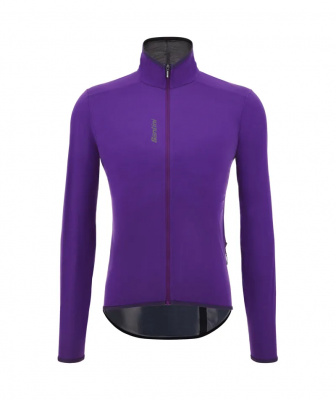
Santini cycling jackets sit at a particular crossroads: Italian race-room precision meeting the kind of fabric engineering that takes years of material science to get right. If UK weather has ever sent you home early - a squall off the Bristol Channel, a January descent in the Peak District that turned your fingers to wood - you'll understand why the jacket choice matters more than most riders admit.
What sets Santini apart is the depth of their technical partnerships. Fabrics like Polartec NeoShell and Polartec Alpha aren't just spec-sheet fodder; they represent a genuine shift in how a jacket manages heat and moisture when you're working hard. Add Gore-Tex Infinium windproofing and Santini's own Acquazero water-resistant treatment across selected models, and you've got a range built around real weather, not ideal conditions.
The other thing worth knowing upfront: this isn't a one-size-fits-all range. Santini structures their jackets by condition and fit profile, so picking the right model means understanding what the range actually does. We've broken that down below - fabric tech, fit profiles, layering logic, and care - so you can filter with confidence rather than guesswork.
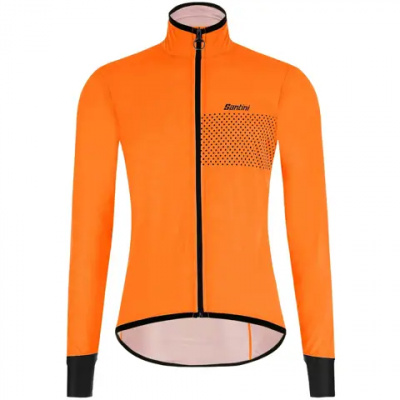
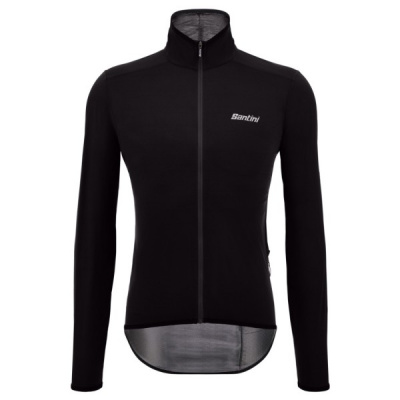
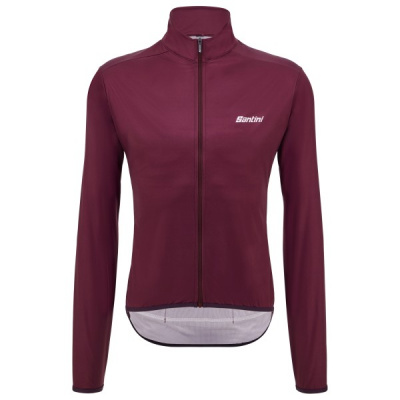
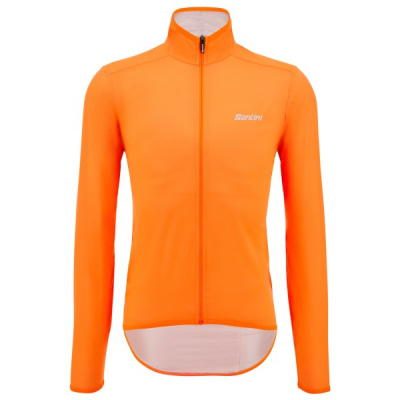
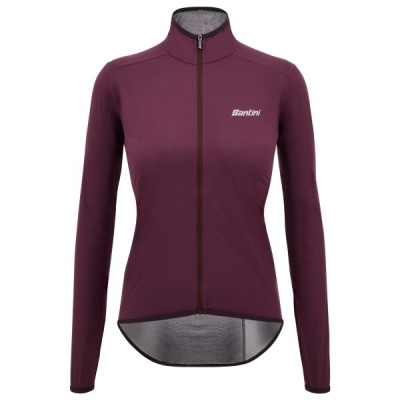
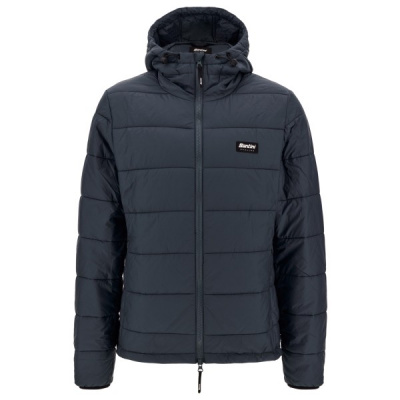
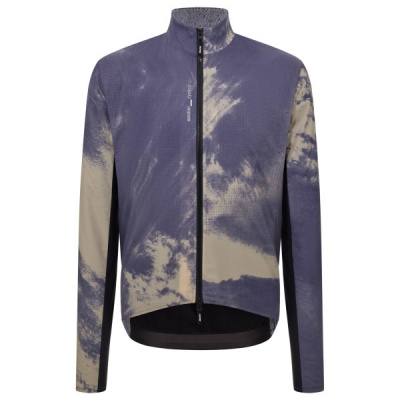
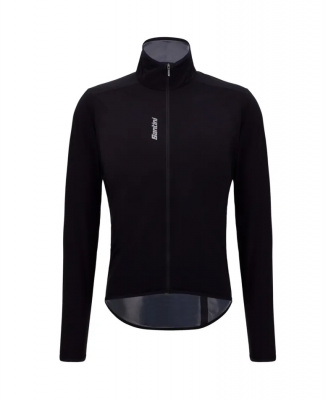
Prices and availability can change quickly. Delivery charges are not always included in listed prices.
Final price, stock status and delivery terms are set by retailer. We may receive a commission on purchases made.
What the Fabrics Actually Do in British Weather
Santini's technical jacket range leans heavily on Polartec NeoShell, and it's worth understanding why that matters on a wet Wednesday in Wales. NeoShell is a fully waterproof membrane that allows air to move through the fabric from the outside in - the mechanical stretch of the membrane lets gas molecules pass even when you're not sweating hard. The result is noticeably less of that clammy, trapped feeling you get from older laminate jackets. You stay dry from rain without cooking on the climbs. That's a real trade-off solved, not just a marketing claim.
For deep winter riding, Polartec Alpha changes the equation further. Alpha is an active insulation - it traps warmth efficiently but sheds moisture as body heat builds, making it better suited to variable-effort days than a static loft fill. Think a long sportive with rolling hills rather than a steady commute: the insulation adapts as your output changes. On a freezing descent out of the Yorkshire Dales, that matters. It's the difference between arriving at the cafe stop damp and miserable or just cold and ready for coffee.
Santini's Acquazero treatment appears across much of the range as a DWR-style surface finish. It's an eco-conscious formulation - free from the PFAS chemicals that have drawn scrutiny across the outdoor industry - and it does the job of beading road spray off the outer fabric before it can saturate the shell. It won't replace a full membrane in a sustained downpour, but for the kind of intermittent UK showers that can't commit to being proper rain, it's highly effective. Gore-Tex Infinium makes an appearance in select windproof models, offering directional wind blocking without the full waterproof construction - useful when you want packability and breathability over total wet-weather defence.
Vega, Guard, and Getting the Fit Right
Two names come up constantly when riders are choosing between Santini jackets: Vega and Guard. They're not interchangeable, and picking the wrong one for your conditions is a frustrating mistake to make at the start of winter.
The Vega range is built around cold, dry winter riding. Polartec Alpha insulation sits at its core, making it the right tool for sub-zero mornings, long steady miles, and the kind of day where the wind chill does most of the damage. It's a substantial jacket - not heavy, but structured - and it pairs naturally with a Santini thermal base layer when temperatures drop hard. If you're riding through January and February in the UK's northern counties or anywhere exposed, the Vega family is what you're looking for.
The Guard range takes a different approach. Lighter, more packable, waterproof-focused - Guard jackets are designed for wet-weather defence when you don't want to commit to full winter armour. A Guard jacket compresses small enough to stow in a jersey pocket if the sun breaks through, which makes it particularly useful for unpredictable spring and autumn riding. It won't keep you as warm as a Vega on a bitter January morning, but it'll handle persistent rain far better than a wind shell.
On fit: Santini uses two main profiles. The Sleek fit is an Italian race cut - close through the shoulders and torso, longer at the back, designed to sit flush under aerodynamic pressure without bunching. The Classic fit gives you more room across the chest and is far more comfortable over bulkier mid-layers. Both feature a drop tail at the rear for coverage when you're in the drops. If you're sizing for a Sleek-fit jacket and planning to run a thermal base layer underneath, size up - Santini's Italian sizing runs noticeably narrower than equivalent UK or US brands like Endura or Castelli.
Looking for core wind protection without the bulk of full sleeves? Head over to our dedicated Santini Gilets page for packable, mid-season layers.
Building a Winter Kit That Works
A jacket is only as good as what's underneath it. Santini's layering logic follows the same principles as most serious road cycling systems: moisture management at the skin, insulation in the mid-layer, and weather protection on the outside. In practice for UK winter riding, that usually means a thermal base layer - something with a brushed inner face that pulls sweat away quickly - combined with a Vega or Guard jacket depending on conditions. Add bib tights with a thermal fleece backing for anything below about five degrees, and you've got a system that handles most of what a British winter throws at you.
One thing riders often overlook: visibility. Santini's winter jackets typically include reflective detailing on the shoulders and rear panel - not a token strip, but enough to register properly in headlights on short winter daylight rides. If you're commuting or riding after dark, check the specific model's reflective coverage before you buy.
Care matters more than most people realise with technical jackets. Wash at 30 degrees on a gentle cycle using a technical gear cleaner - standard detergent will degrade the DWR coating over time, and fabric softener will kill it outright. To reactivate the water-repellent finish after washing, tumble dry on a low heat setting for around 15 - 20 minutes. The heat re-bonds the DWR molecules to the fabric surface. Skip this step and you'll notice water starting to wet out rather than bead - the jacket becomes damp and heavy even when the membrane is still technically intact. It's a small habit that extends the life of an expensive piece of kit considerably.
If you're weighing up Santini against the wider market, Assos and Alé occupy similar Italian-heritage territory with comparable fit philosophies, though Santini's Polartec partnerships give them a distinct edge in membrane technology at the premium end.
Santini Jackets FAQs
Are Santini cycling jackets true to size?
Santini's sizing runs on the smaller side - it's an Italian race fit, cut close through the torso and shoulders. If you're between sizes or planning to layer a thermal base underneath, go a size up. Riders used to UK brands like Endura or Altura often find they need to adjust their expectations when ordering Santini for the first time.
What is the difference between Santini Vega and Guard jackets?
The Vega is a deep-winter jacket built around Polartec Alpha insulation - it's designed for cold, dry conditions where warmth is the priority. The Guard range focuses on wet-weather defence: lighter, more packable, and waterproof-forward. Pick Vega for January frost, Guard for October rain. They're built for different problems, not different ability levels.
How do I wash a waterproof cycling jacket to maintain DWR?
Use a technical gear wash on a gentle 30-degree cycle - no standard detergent, no fabric softener, both will degrade the DWR coating. After washing, tumble dry on low heat for 15 - 20 minutes. The heat reactivates the Durable Water Repellent finish. If water starts wetting out rather than beading on the surface, that's your sign the DWR needs reviving.