
Rudy Project Helmets
Rudy Project helmets have been a fixture at the sharp end of professional road racing for decades, and the same engineering that serves WorldTour riders translates directly to your Saturday morning loop or a loaded gravel adventure. These are helmets built around three core commitments: ventilation that actually works on humid British climbs, WG11 rotational impact protection developed in-house rather than bolted on as an afterthought, and a fit system precise enough to feel dialled rather than merely adequate.
The range spans road-optimised shells with deep ventilation channels through to more covered gravel designs where Bug Stop netting keeps the countryside's wildlife firmly outside your helmet. Every model uses In-Mold EPS construction - the outer shell and foam fused together for a stiffer, lighter result than helmets where the two are bonded separately. Moisture-wicking pads are standard across the range, which matters more than it sounds when you're grinding up a long Welsh valley in August humidity.
If you've been wearing the same lid for three-plus years, or you're sizing up from a budget option, Rudy Project sits in a bracket where the safety credentials, fit quality, and finish all justify the step up. The only question is which model suits your riding.
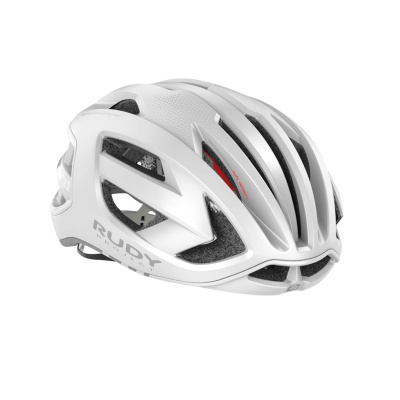
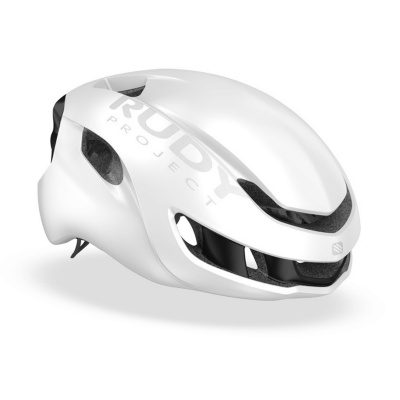
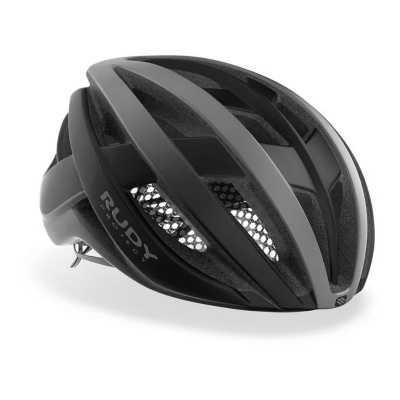
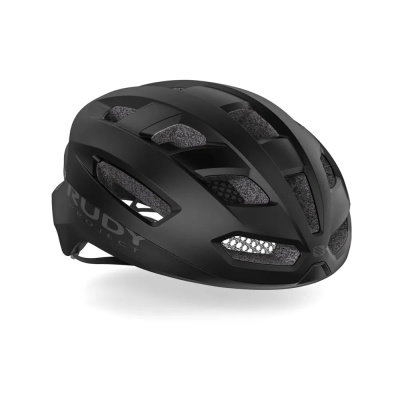
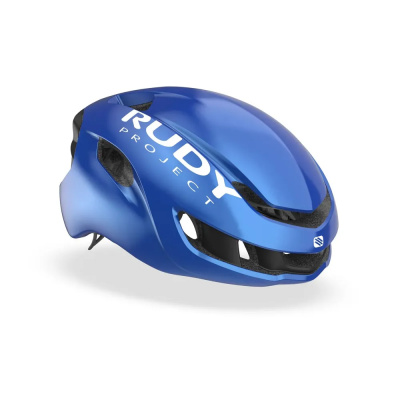
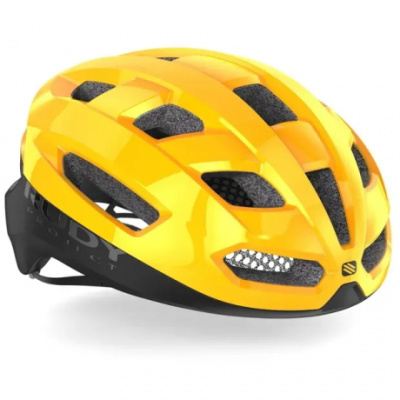
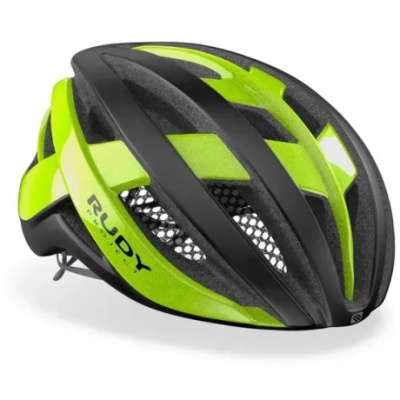
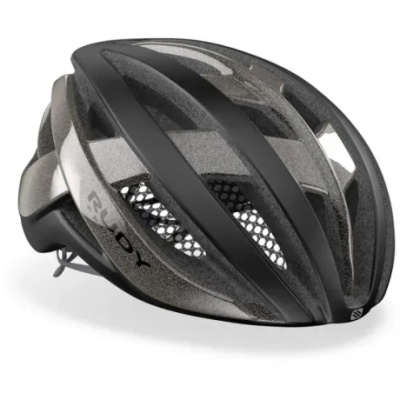
Prices and availability can change quickly. Delivery charges are not always included in listed prices.
Final price, stock status and delivery terms are set by retailer. We may receive a commission on purchases made.
What's Going On Inside the Shell
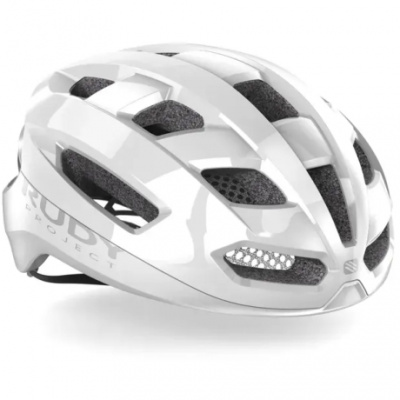
Strip back the outer form and the interior of a Rudy Project helmet does a lot of quiet work. The moisture-wicking pads are removable via a simple hook-and-loop system, which means you can pull them out after a muddy Peak District audax and wash them properly rather than just airing the helmet and hoping for the best. They're cut to channel sweat away from your forehead and towards the ventilation exits - on a long, slow climb in damp summer air, that's the difference between clear vision and wiping your face every two minutes.
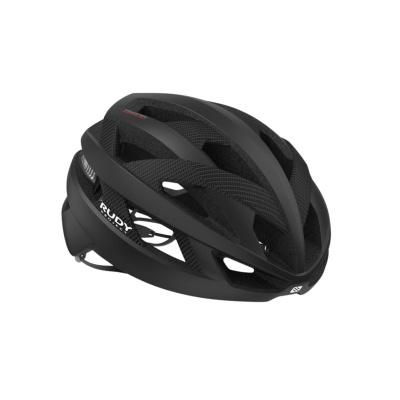
The Bug Stop net deserves more attention than it usually gets. UK country lanes - particularly in the South Downs, the Cotswolds, and anywhere with overgrown hedgerows - funnel insects straight at your face in summer. The mesh padding acts as a physical barrier across the larger vent openings, stopping wasps and bees from getting inside the shell entirely. It sounds minor until you've had a bee inside your helmet at 35mph.
Beneath the pads, the Hexocrush multi-density EPS foam provides graduated shock absorption. Rather than a single-density foam that either compresses too easily at low impact or barely deforms under harder hits, Hexocrush uses variable densities across zones so the response is appropriate to the force involved. Combined with the In-Mold EPS construction - where the polycarbonate outer shell is fused directly to the foam during manufacture - you get a structure that resists the minor daily knocks of being stuffed into a bag or dropped in the car park without the EPS cracking away from the shell over time.
Fit, Range, and Finding Your Model
Rudy Project helmets tend to suit a slightly rounder internal profile than some Italian competitors, and they sit comfortably across the oval-to-round head shape spectrum that covers most British riders. The RSR 10 and RSR 11 retention systems are the mechanical heart of the fit - both use a ratchet dial at the rear that allows genuine micro-adjustment rather than the coarse click-steps you get on cheaper retention cradles. The RSR 11 adds vertical adjustment too, so you can fine-tune the cradle height independently of the circumference dial. If you've ever worn a helmet that felt right around your head but sat slightly too high or low on your forehead, that vertical control makes a tangible difference.
The Fastex buckle on the chin strap is worth a mention - it's a one-handed quick-release design that's become standard on quality helmets for good reason. On a cold morning with gloves on, a fiddly clip is a genuine annoyance. Get the fit right once and the buckle just clicks every time you head out.
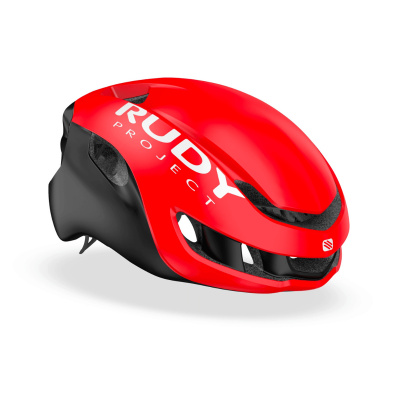
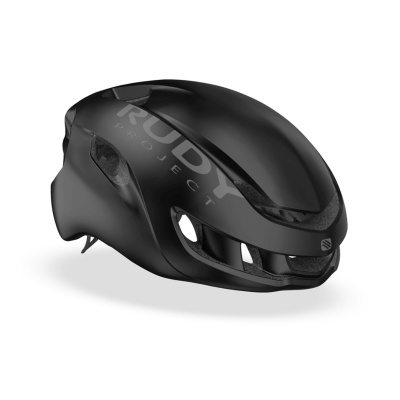
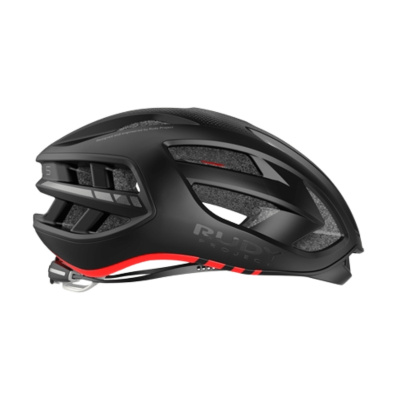
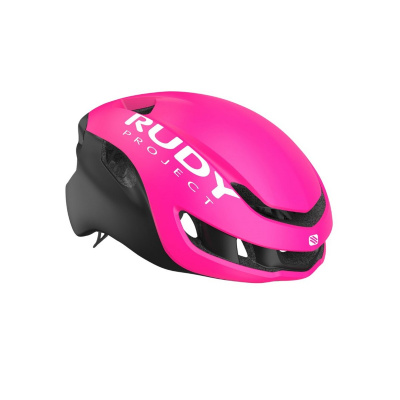
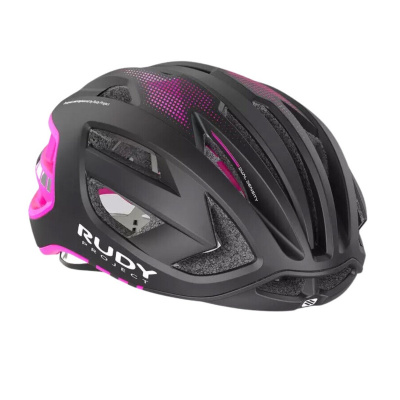
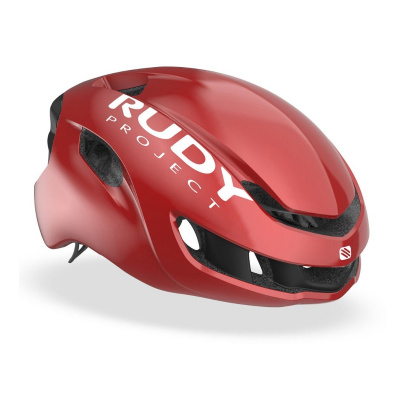
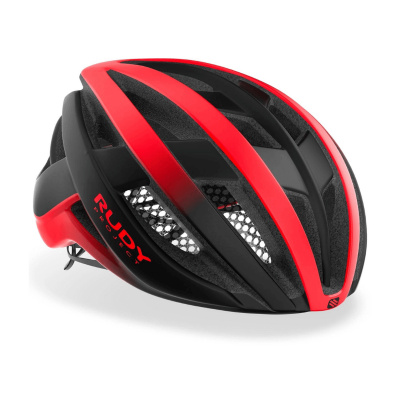
On the road side, the Spectrum and Nytron models prioritise ventilation and low weight for fast riding. If you're comparing options, Giro helmets occupy a similar space but tend toward a narrower internal profile. For gravel and mixed-surface riding, Rudy's Protera and Crossway designs add more covered sections and slightly more robust vent positioning to manage debris ingress without cooking your head. If you're considering alternatives in this bracket, ABUS helmets are worth a look for riders who prioritise MIPS integration, and Bell helmets often appeal to riders after a more relaxed trail-oriented fit.
Looking to shave seconds off your time trial or triathlon split? Head over to our dedicated Rudy Project Aero TT Helmets page for specialised wind-cheating designs.
Wearing Rudy Project Through a British Winter
The RSR retention system's adjustability pays off again in winter. A thin skull cap underneath adds a couple of millimetres of effective head circumference - enough to make some helmets feel tight and miserable. With the RSR dial you just open it out a notch or two and the fit remains comfortable. A traditional cycling casquette for rain protection sits even flatter, so it rarely causes issues, but it's worth testing at home before you're standing in a car park with freezing rain starting.
Don't store your helmet in a damp shed over winter. EPS foam absorbs moisture slowly, and a season of damp storage can compromise its structural integrity in ways you won't see from the outside. A cool, dry shelf indoors is genuinely the right call, not just cautious advice.
Pad maintenance is straightforward but worth doing regularly. Pull the pads out every four to six weeks during heavy-use seasons, hand wash them in warm water with a mild non-bio detergent, and let them air dry at room temperature. Avoid leaving them on a radiator - heat degrades the moisture-wicking fibres faster than riding does. If you pair your helmet with Rudy Project sunglasses, the integrated lens clip systems on several models mean both pieces of kit come off and go back on as a unit, which keeps things tidy when you're pulling over to layer up mid-ride.
One honest limitation: the larger-vent road models are genuinely cold in British winter conditions below about five degrees. They're not designed to retain heat. At that temperature you need the skull cap, and you may find a more closed-vent helmet more comfortable. That's a ventilation trade-off, not a flaw - just factor it into which model you choose if winter commuting is a priority.
Rudy Project Helmets FAQs
Do Rudy Project helmets run true to size?
Generally yes - Rudy Project helmets follow standard sizing and have a slightly rounder internal profile than brands like Giro, which suits a wider range of head shapes. The RSR retention dial gives you meaningful micro-adjustment either side of a size boundary, so if you're between sizes, the fit system can often resolve it rather than forcing you to size up.
What is Rudy Project WG11 safety testing?
WG11 is Rudy Project's in-house rotational impact testing protocol, developed to measure how well a helmet manages the oblique forces common in real crashes - not just the direct vertical impacts that standard certifications test. Rather than adding a third-party slip liner, Rudy integrates rotational management into the shell and foam construction itself, and the WG11 standard ensures it exceeds international safety thresholds.
How do I clean the pads in my Rudy Project helmet?
Un-velcro the internal pads, hand wash them in warm water with a mild non-bio detergent, and leave them to air dry away from direct heat sources. Do this every four to six weeks during regular riding and the moisture-wicking properties stay effective - skip it and the pads start to smell faster than you'd like.