
Roval Road Wheels
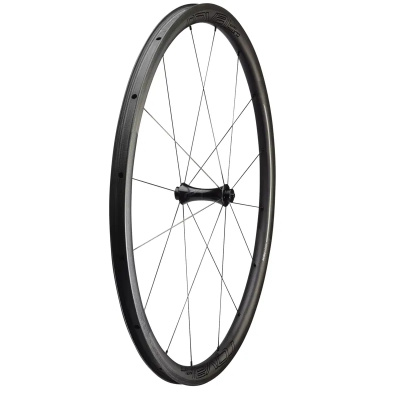
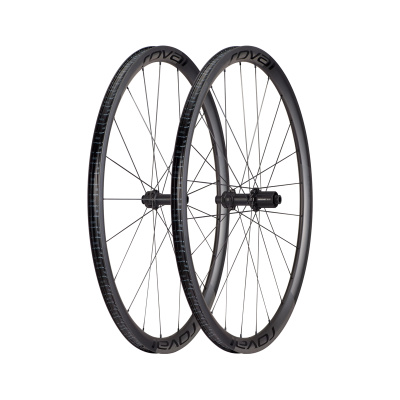
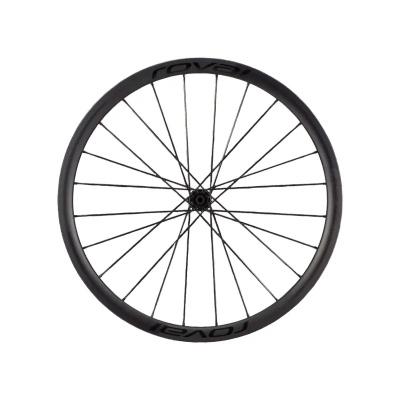
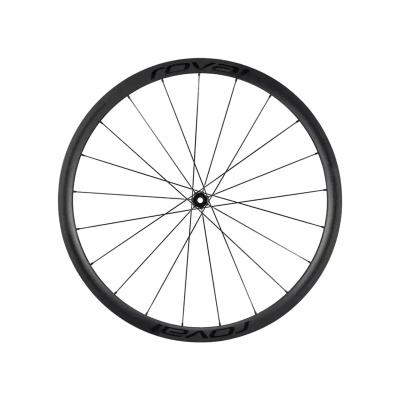
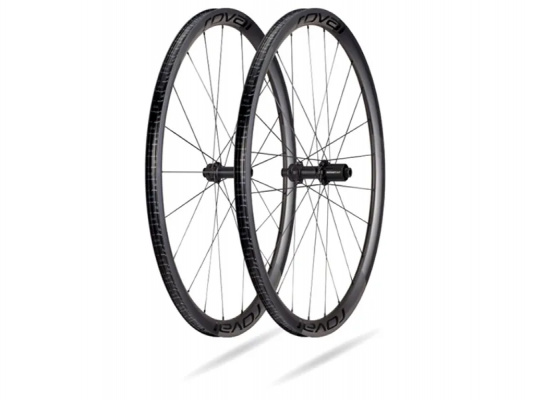
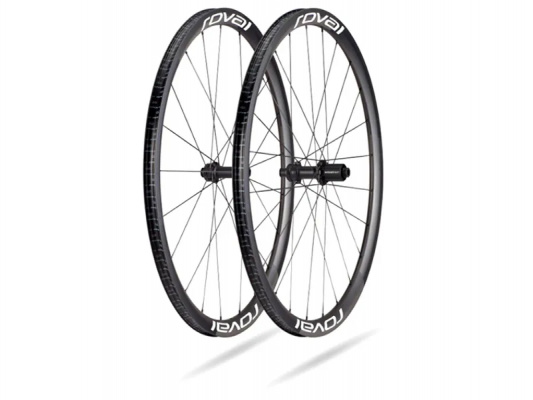
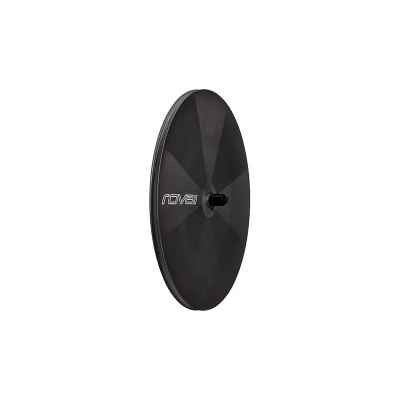
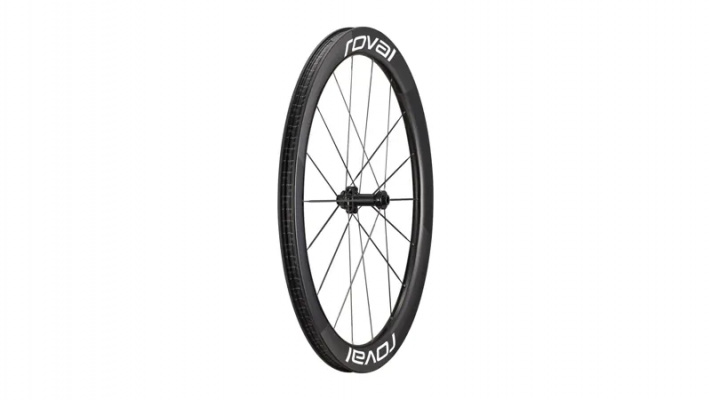
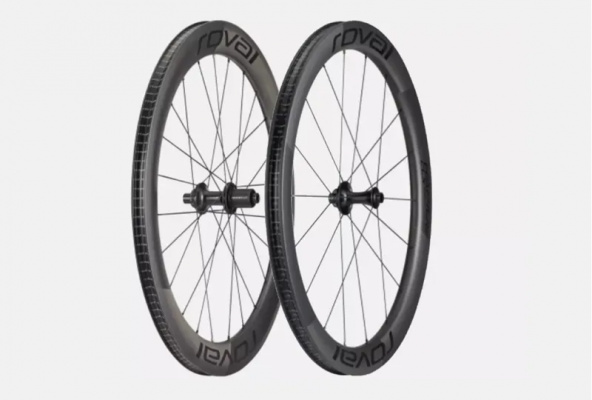
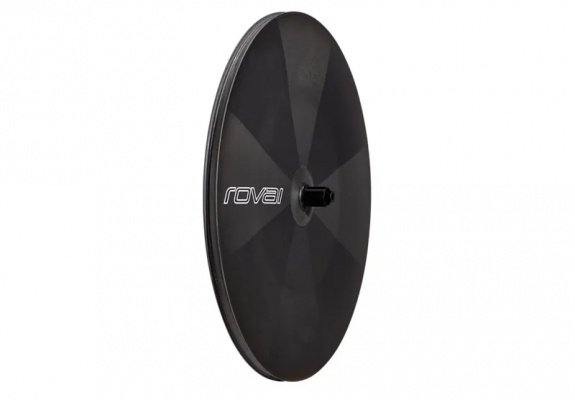
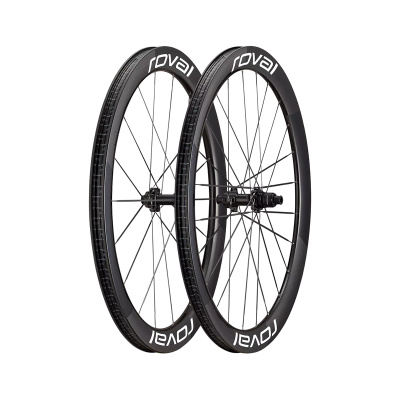
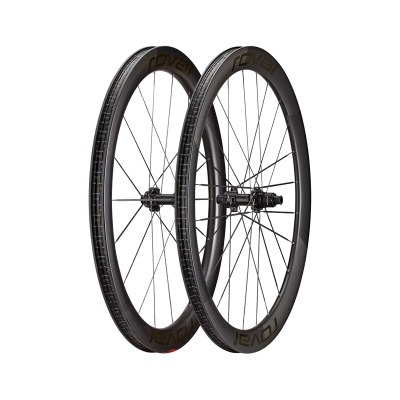
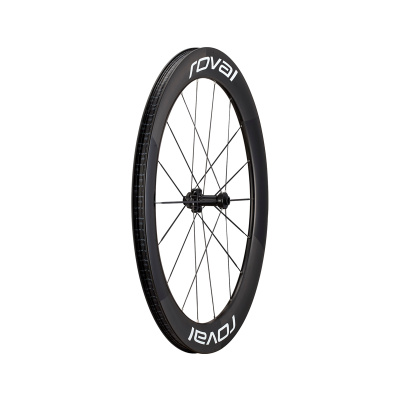
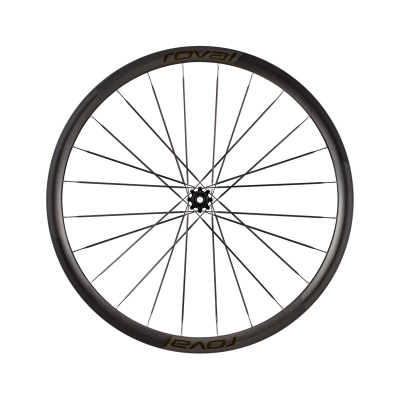
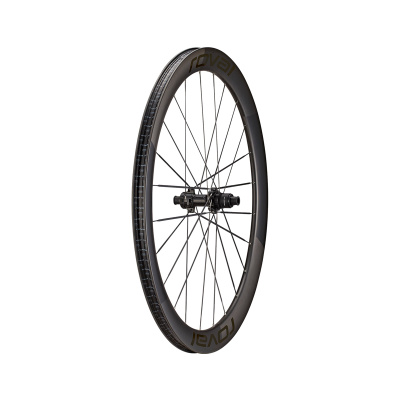
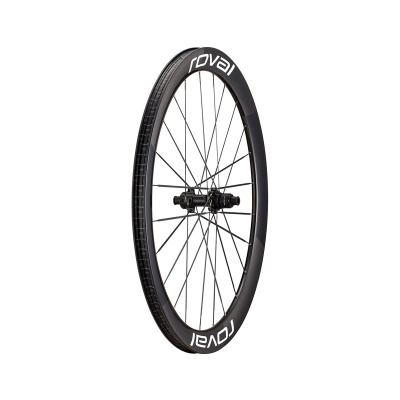
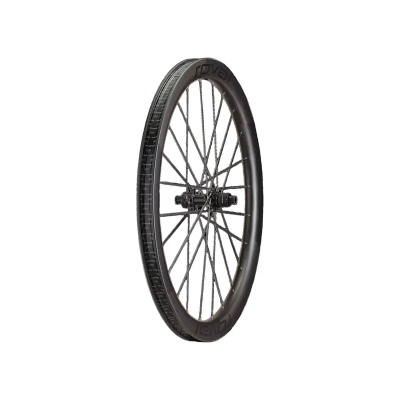
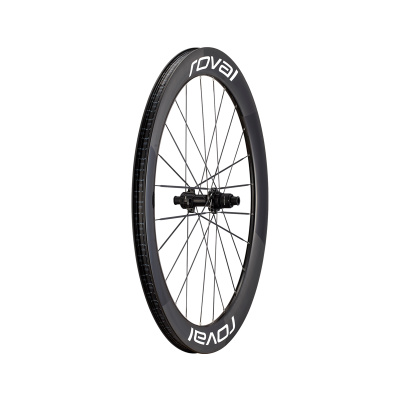
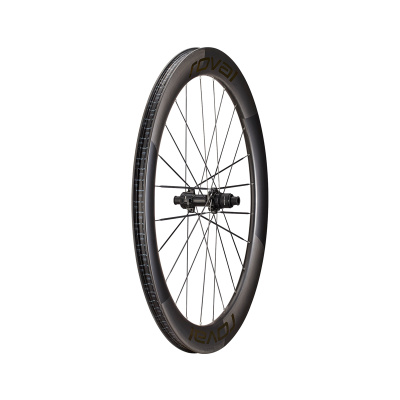
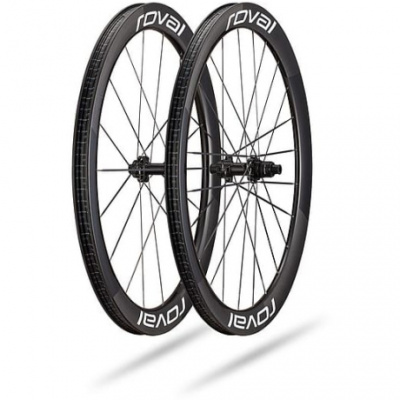
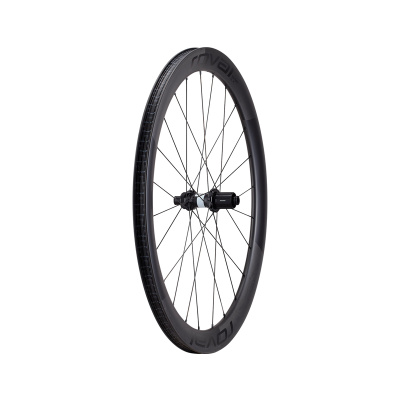
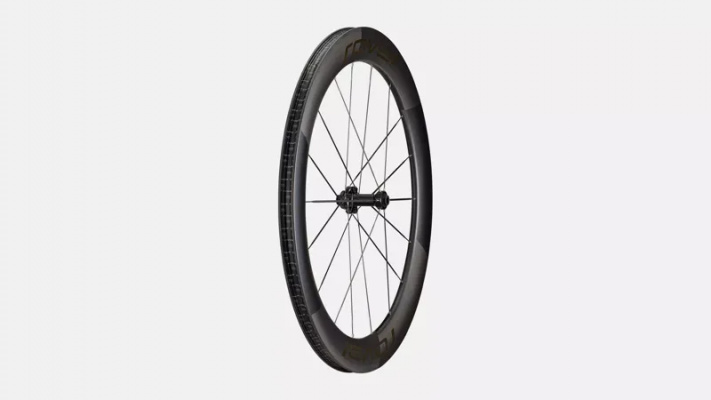
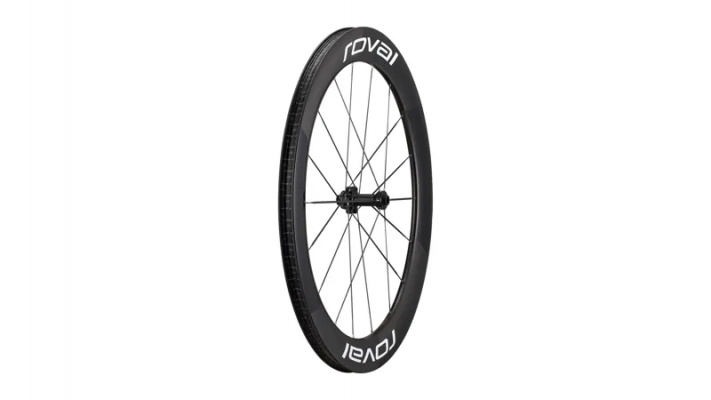
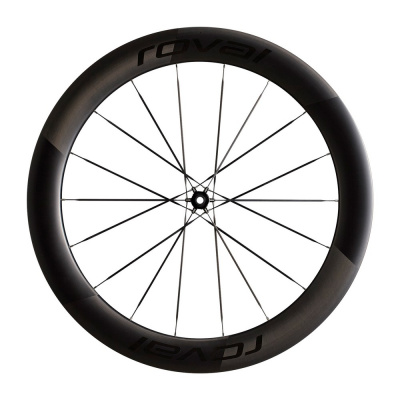
Roval road wheels are developed in Specialized's Win Tunnel facility and built around DT Swiss internals - a pairing that puts serious aerodynamic and weight credentials into a package that's genuinely usable day-to-day, not just on race day. Whether you're chasing a steep gradient personal best or trying to hold pace on rolling A-roads, the carbon layups here deliver stiffness where you need it without punishing you on long miles.
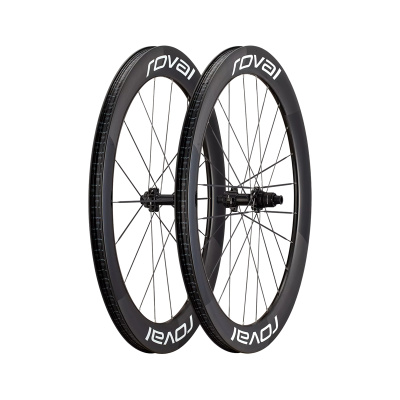
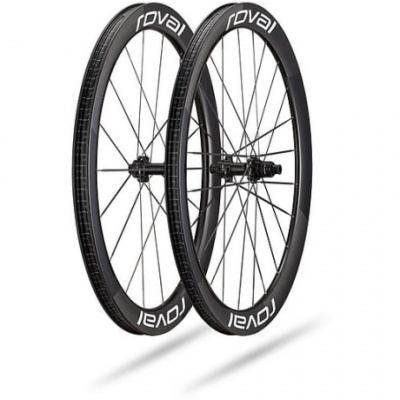
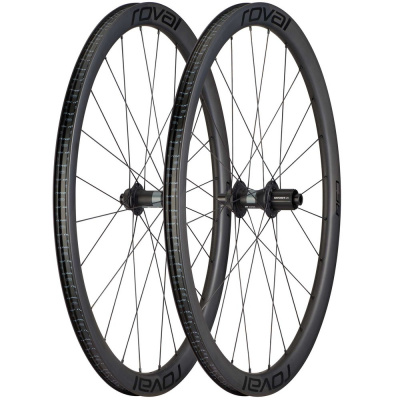
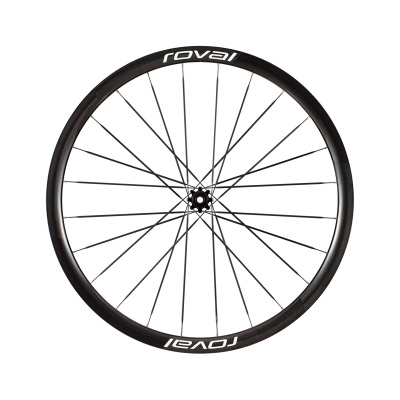
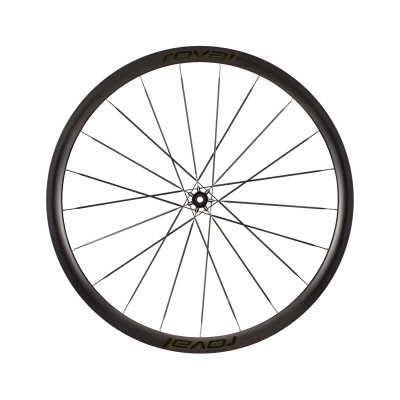
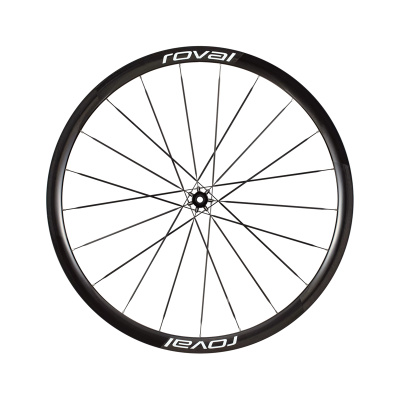
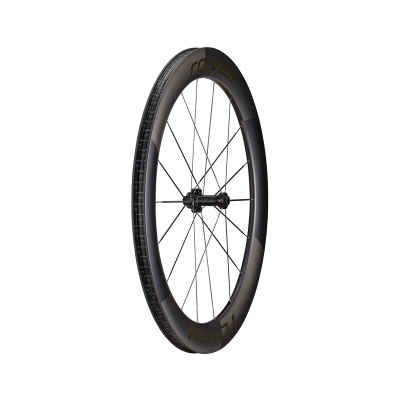
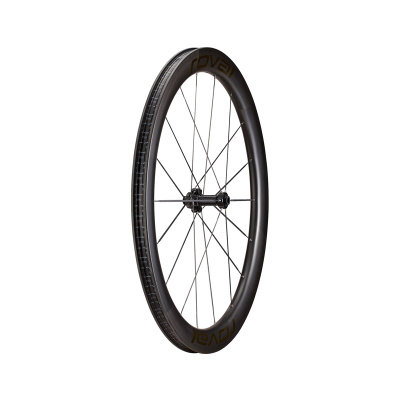
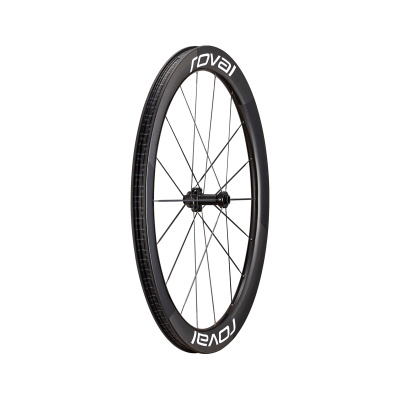
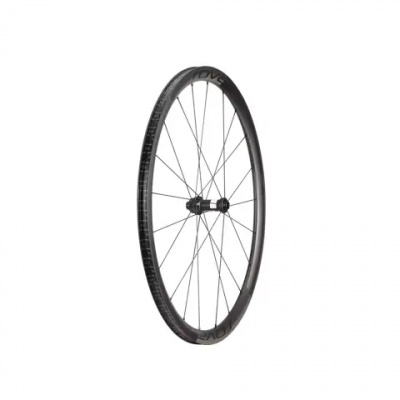
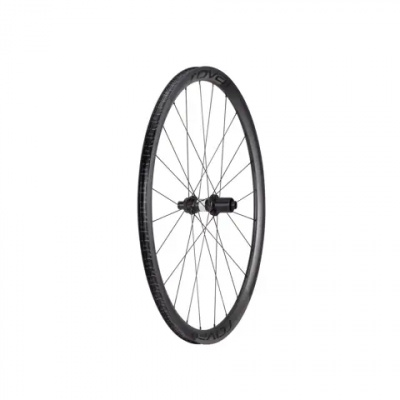
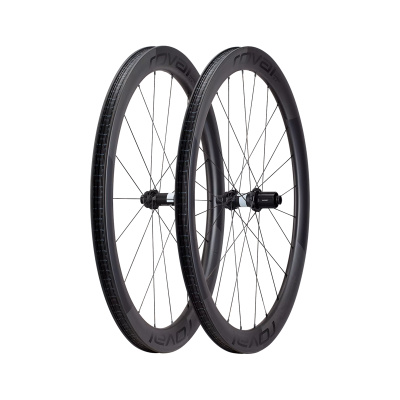
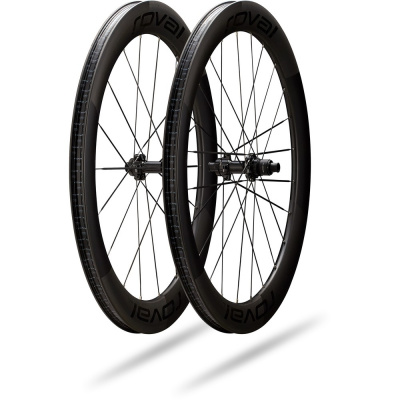
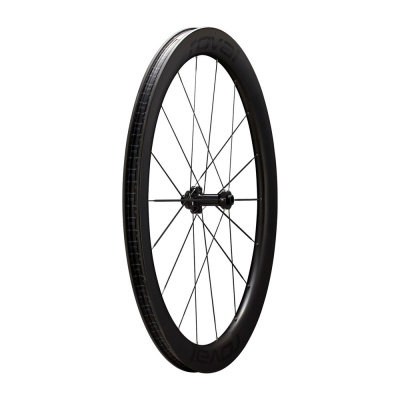
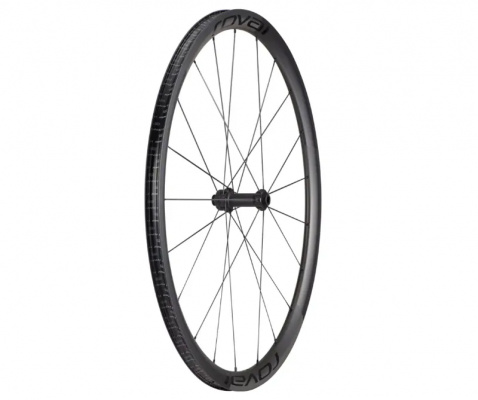
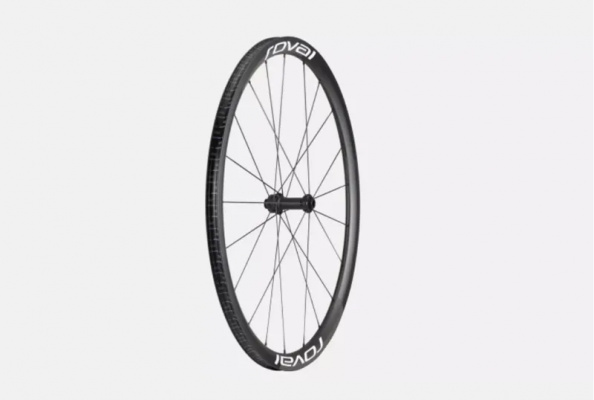
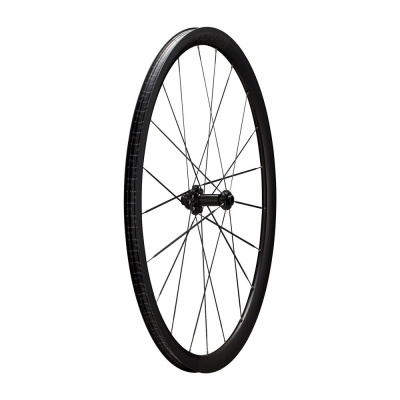
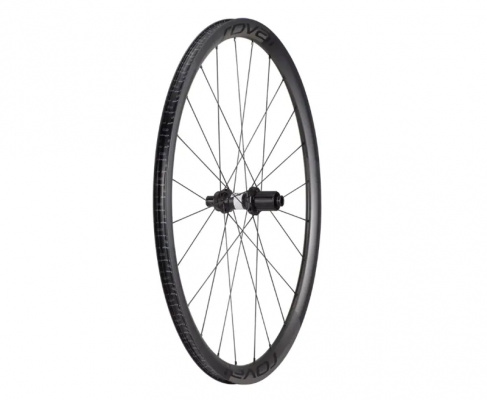
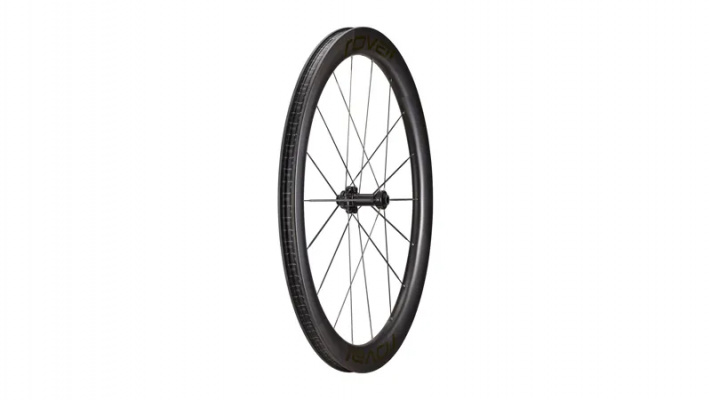
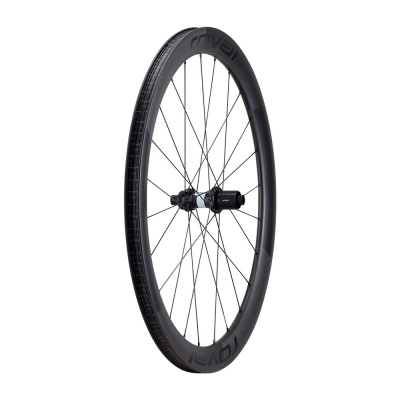
The range splits cleanly between two goals: the Rapide family for aerodynamic speed on flatter and rolling roads, and the Alpinist family for riders who want to shed rotational weight on the climbs. Both sit above most of the market on engineering detail, and both are available in CLX and CL builds to suit different budgets. If you're putting together a mixed-surface rig, our dedicated Roval gravel wheels and Roval MTB wheels pages are worth a look. For pure tarmac, you're in the right place - browse the full selection of Roval road wheelsets below.
Prices and availability can change quickly. Delivery charges are not always included in listed prices.
Final price, stock status and delivery terms are set by retailer. We may receive a commission on purchases made.
Fitment, Standards and What Fits What
Most current Roval road wheels are disc-brake specific, so if you're running rim-brake calipers, options here are limited - worth confirming before you add to basket. Rotor mounting is Centerlock across the board, which suits Shimano's current groupsets natively and works with SRAM via a lockring adapter. Axle standards are 12x100mm front and 12x142mm rear thru-axle, covering virtually every modern disc road frame on the market.
Freehub bodies come in two flavours: Shimano HG (11-speed and compatible with 12-speed with the right cassette) and SRAM XDR for 12-speed SRAM drivetrains. Check which you need before ordering - swapping freehub bodies later is straightforward, but it's an easy detail to miss. On the tyre side, the latest Rapide II and Alpinist II models both feature hooked rims, which matters more than it might sound. Hookless rims impose pressure limits and restrict certain tyre brands; hooked rims give you full compatibility with standard clinchers and tubeless ready setups alike, without any of the fuss. If you're comparing with alternatives from ENVE road wheels, note that ENVE has moved further toward hookless on several models - Roval's retention of hooked profiles keeps your tyre options wide open.
Rapide vs Alpinist, CLX vs CL: What You're Actually Getting
The Rapide and Alpinist lines answer different questions, and picking the wrong one is an easy mistake. The Rapide is Roval's aero wheelset - deep-section rims, wider front profile, staggered front-to-rear shapes engineered in the Win Tunnel specifically for crosswind stability. On exposed coastal roads or open moorland where a gust can feel like a shove, that front-wheel geometry work makes a real difference. It's a wheel for riders who want to go fast on roads that don't always point uphill.
The Alpinist takes the opposite approach. Shallow rim, obsessive weight reduction, low rotational mass. On a stiff climb like something out of the Yorkshire Dales or the steeper lanes of the Cotswolds, rotating weight matters more than aerodynamics - and the Alpinist is built around that reality. It's lighter than the Rapide by a meaningful margin, and you feel it when the gradient kicks up.
Within each line, the CLX and CL split is about how deep your pockets go and what you get for the difference. CLX is the flagship: Roval's lightest carbon fiber layup, paired with DT Swiss 180 internals running SINC ceramic bearings. The 180 hub is one of the most respected road hubs around - exceptionally low drag, precise engagement via the Ratchet EXP freehub mechanism, and ceramic bearings that stay smooth longer under load. The CL tier uses a slightly heavier layup and DT Swiss 350 internals with standard steel bearings. The 350 is still a strong hub - reliable, serviceable, trusted - but there's a noticeable weight and bearing-drag gap versus the 180. For most club riders and enthusiasts, the CL is the honest answer. The CLX premium makes sense if you're racing, chasing category records, or simply want the best available.
If you're weighing Roval against comparable carbon options, it's worth looking at DT Swiss road wheels and Campagnolo road wheels at similar price points - both strong alternatives, though neither bundles the Win Tunnel aero development work that shapes Roval's rim profiles. Roval's Aero Flange hubs also feature optimised bracing angles designed to improve lateral stiffness without adding weight - a detail that shows up as sharper response under hard efforts.
Keeping Roval Wheels Running Through a UK Winter
British roads are not kind to wheelsets. Potholed B-roads, gritty winter lanes, wet descents - it adds up. The good news is that the DT Swiss Ratchet EXP system at the heart of Roval's hubs is genuinely easy to service at home. No specialist tools, no workshop booking. Pull the freehub body, clean the star ratchets, regrease, reassemble. If you've never done it, the first time takes twenty minutes; after that, it's a ten-minute job you can do in the garage before a ride. For anyone riding through winter in the Peak District or on Scottish roads where salt and grit get into everything, that serviceability is worth as much as the bearing spec.
Steel bearings in the CL hubs are fine for most conditions but will need checking after sustained wet riding - every couple of months through winter is a sensible interval. CLX ceramic bearings last longer between services but aren't immune to water ingress; keeping the hub internals clean is the priority regardless of spec. If you're running tubeless, check sealant levels every six to eight weeks - dried-out sealant is the most common reason a tubeless setup fails to seal a rim-strike puncture on a rough road. Most riders find 30 - 40ml of fresh sealant per tyre keeps things protected without overdoing it. Pair the wheels with Roval's own Roval handlebars or Roval seatposts if you're building a full Specialized-system setup - the integration is tidy and the weight savings stack up across the bike.
Roval Road Wheels FAQs
Are Roval road wheels tubeless compatible?
Yes. Current models including the Rapide II and Alpinist II are tubeless ready and use hooked rims, which means you're not restricted on tyre choice or inflation pressure the way hookless designs can be. Use proper tubeless rim tape and valves to get a solid seal - don't cut corners on those two items and you'll have no trouble.
What hubs do Roval wheels use?
Roval uses DT Swiss internals across the range. CLX models get DT Swiss 180 hubs with SINC ceramic bearings - low drag, long-lasting, and genuinely among the best road hubs available. CL models run DT Swiss 350 internals with steel bearings: still reliable and easy to service, just heavier and with a bit more rolling resistance.
What is the difference between Roval Rapide and Alpinist?
The Rapide is built for speed on flatter and rolling roads - deep-section rims with staggered front and rear profiles for aerodynamic efficiency and crosswind stability. The Alpinist is a climbing wheel: shallow rim, minimal weight, low rotational mass. If you're mostly riding hilly routes and racing up them, Alpinist. If you want to go fast on mixed road profiles, Rapide.