
Rockrider MTB Wheels
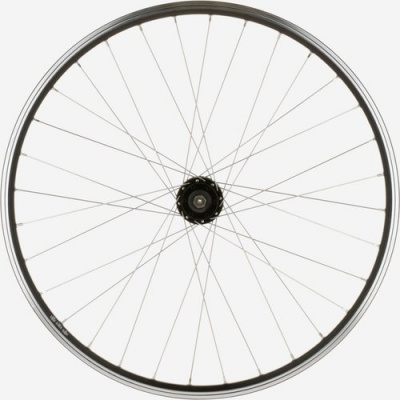
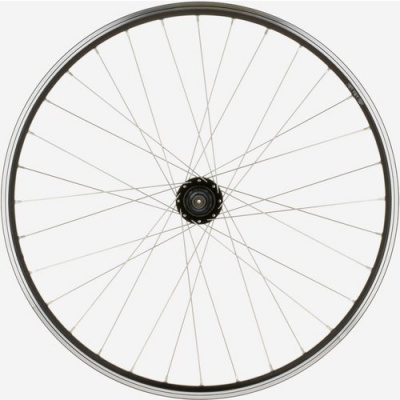
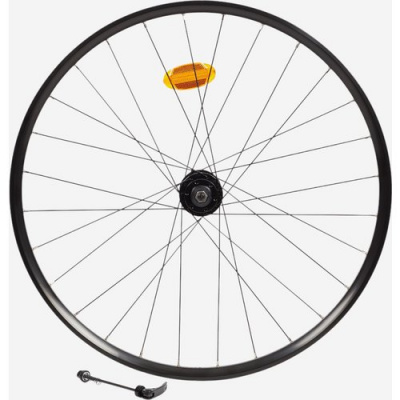
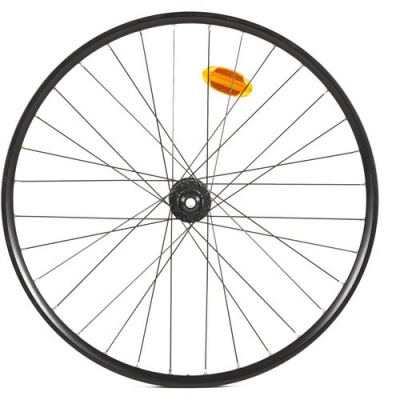
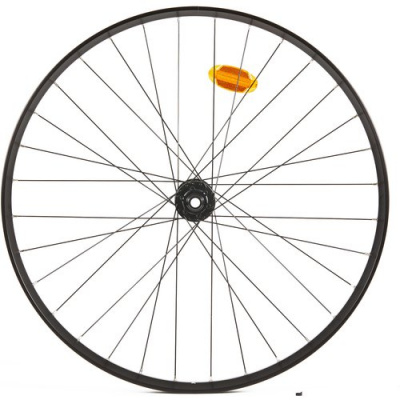
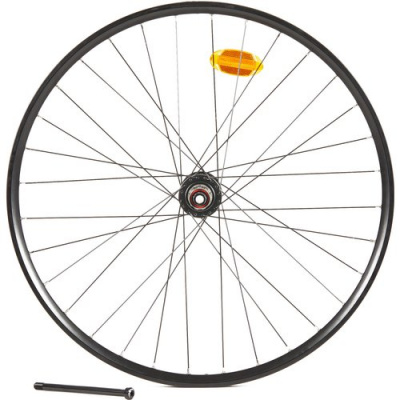
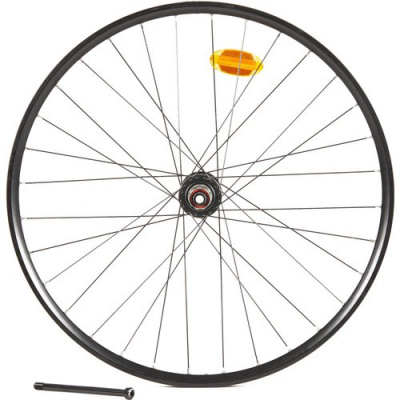
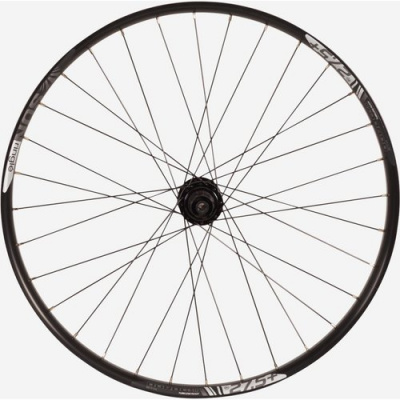
Rockrider MTB wheels are designed as direct replacements for Decathlon's popular mountain bike range, and they cover a surprisingly broad spread of standards - from basic 27.5-inch quick-release setups to Boost-spaced, thru-axle 29er wheelsets built for proper trail use. If you've snapped a spoke, cracked a rim, or simply want to roll on something more capable, these are a sensible place to start looking before spending big elsewhere.
Construction across the range is double-wall alloy, which keeps weight reasonable and gives the rim enough lateral stiffness to handle roots and loose rock without flexing like a dinner plate. Mid-to-high tier models come tubeless ready with pre-installed rim tape, sealed cartridge bearings, and wider internal rim widths that suit the chunkier rubber UK riding demands. Entry-level options are simpler - inner tube-only, cup-and-cone bearings, narrower rims - but they do the job if you're replacing a damaged wheel on a trail hardtail rather than chasing performance gains.
Getting the fit right matters more than anything else here. Axle spacing, axle type, and disc rotor standard all need to match your frame and fork before you order. We've laid out exactly what to check below.
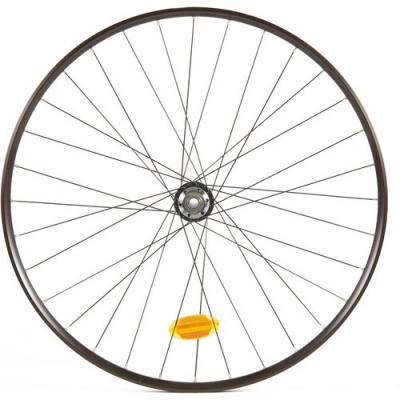
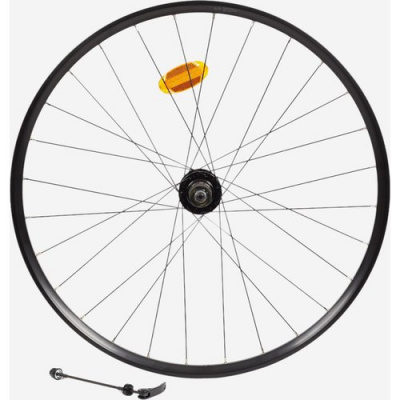
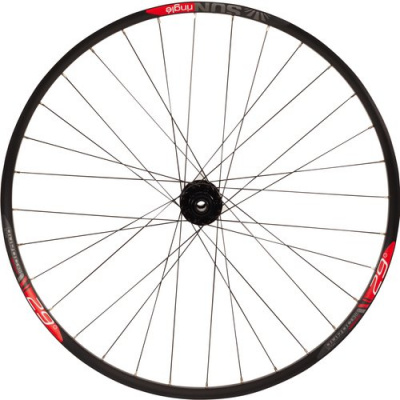
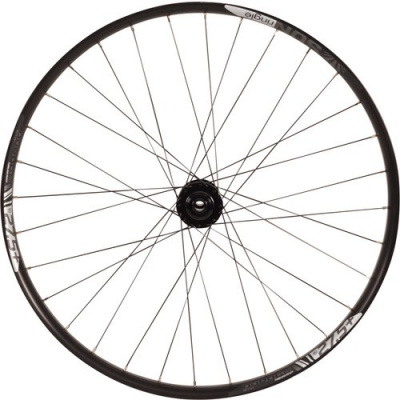
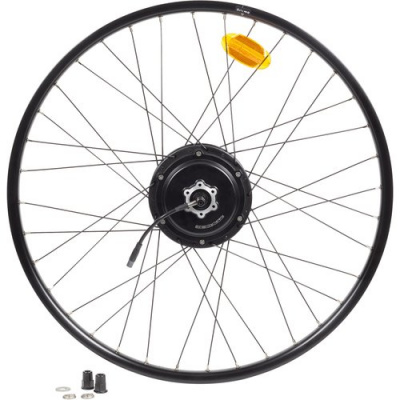
Prices and availability can change quickly. Delivery charges are not always included in listed prices.
Final price, stock status and delivery terms are set by retailer. We may receive a commission on purchases made.
Will It Fit? Axle Standards, Spacing, and Disc Mounts Explained
Before anything else, check three things: axle spacing, axle type, and rotor interface. Get any one of these wrong and the wheel won't seat in your frame, full stop. Rockrider wheels span two main spacing standards - older non-Boost frames run 135mm rear (quick release) or 142mm rear (thru-axle), while more recent builds use Boost spacing at 148mm rear and 110mm front. Boost hubs push the flanges outward for better spoke bracing, but a Boost wheel physically will not drop into a non-Boost dropout without adapters. Check your frame's spec sheet or measure the inside width of your dropouts if you're unsure.
Axle type is equally non-negotiable. Quick release frames use a 9mm hollow axle front and 10mm rear; thru-axle frames clamp a solid 12mm or 15mm axle through the hub. You cannot mix the two without changing your fork or frame. On the disc side, Rockrider wheels are almost universally 6-bolt disc compatible - the rotor bolts directly to the hub flange using six Torx bolts, which is the most common standard on modern mountain bikes. Most Rockrider hubs also run a standard Shimano HG freehub body, which accepts Shimano, SRAM, and Microshift cassettes across 8 to 11 speeds without any adapter faff.
If you need to replace individual axle hardware, rotor bolts, or cassette body components, head to the Rockrider mountain bikes category for OEM compatibility references, and check the dedicated freehub bodies, skewers, wheel nuts, and rotors categories for specific spare parts - going into that detail here would take us well off course.
Entry-Level vs. Trail-Ready: Where Each Tier Sits
Rockrider's wheel range splits fairly cleanly into two camps, and knowing which you're looking at saves a lot of head-scratching. Entry-level replacements - typically 27.5-inch, quick release, cup-and-cone bearings - are built for one purpose: getting a bike rolling again at minimum cost. The rims are narrower (around 19 - 21mm internal width), non-tubeless, and the cup-and-cone bearing adjustment needs occasional attention. Think of them as a reliable part-bin solution, not a performance upgrade.
Step up to the mid and higher tier options and the picture changes noticeably. These are predominantly 29er wheels with Boost thru-axle spacing, internal rim widths pushing 25 - 30mm (better suited to modern 2.25 - 2.4-inch tyres), and sealed cartridge bearings - often OEM units from suppliers like Formula - that need far less fettling and resist contamination better in genuinely wet conditions. Crucially, these models come designated tubeless ready, with pre-installed tubeless rim tape already in the channel, so you're not buying tape separately before you even start. The asymmetric double-walled aluminium rim design used across the mid-to-high tier helps balance spoke tension across the drive and non-drive sides, which reduces the chance of a spoke working loose after a heavy landing.
Is the step worth it? If you're riding UK trail centres regularly - Glentress, Bike Park Wales, Gisburn - and running 29-inch rubber, yes. The sealed bearings and tubeless-ready construction justify the difference. If you've cracked a rim on a budget hardtail and just need to be back on the trail by the weekend, the entry-level replacement does exactly what it says. Compared to alternatives like Halo MTB wheels or Mavic MTB wheels, Rockrider's pricing sits lower, with the trade-off being a narrower range of sizes and fewer finish options. BTwin MTB wheels occupy similar price territory and share some of the same Decathlon supply chain logic, so cross-reference those if Rockrider's sizing doesn't quite land where you need it.
UK Durability and Keeping Things Rolling Through Winter
British trail riding is genuinely hard on wheels. The grit that gets churned up on Peak District moorland paths and North Wales bridleways is abrasive in a way that smooth dirt tracks aren't - it works into bearing seals, grinds down freehub pawls, and turns cup-and-cone assemblies into a lapping paste situation faster than you'd expect. This is where the sealed cartridge bearings on Rockrider's mid-to-high tier models earn their keep. They're not bombproof, but they resist contamination meaningfully better than open cup-and-cone units, and when they do eventually wear, replacement is straightforward.
The tubeless-ready rims matter just as much. Wet roots - the kind that run across every trail on the Forest of Dean circuit or a Scottish glen descent - demand lower tyre pressures to keep the tyre deforming and gripping rather than skipping. Run a tubed setup at those pressures and pinch flats become a regular irritant. The pre-installed tubeless rim tape on designated TLR Rockrider wheels means you're set up to run sealant from the off, without having to faff about with multiple layers of aftermarket tape. Pair them with a decent set of Rockrider MTB tyres and the combination handles a wet Welsh weekend reasonably well.
One honest trade-off: the alloy construction, while practical and repairable, does add weight compared to carbon alternatives at this price point. If you're racing cross-country and every gram counts, you're probably looking at a different category entirely. For trail riding and regular use, the weight difference is academic.
For maintenance supplies - sealant, valves, rim tape top-ups, replacement spokes and nipples, or hub service parts - the MTB tyres, inner tubes, rim tape, tubeless valves, hubs, and spokes and nipples categories carry what you need. Covering tubeless setup or spoke replacement procedures here would double the length of this page without adding much for someone just comparing wheels.
Related searches:
Rockrider MTB Wheels FAQs
Are Rockrider MTB wheels tubeless ready?
Mid-to-high tier Rockrider wheels are tubeless ready and come with rim tape pre-installed, but entry-level replacement wheels are inner tube-only. Always check the product listing for a 'Tubeless Ready' or 'TLR' designation before buying - it's not universal across the range.
What freehub body do Rockrider wheels use?
Nearly all Rockrider MTB wheels use a standard Shimano HG (Hyperglide) freehub body, which means they'll accept Shimano, SRAM, and Microshift cassettes across 8, 9, 10, and 11-speed without any adapter. Worth double-checking on the specific product page if you're running a 12-speed drivetrain.
Can I put 29-inch wheels on a 27.5 Rockrider mountain bike?
Generally, no. Frame geometry, chainstay length, and tyre clearance are all sized around the original wheel diameter. Fitting 29-inch wheels to a 27.5 frame typically results in clearance and handling issues. Some frames are 'mullet compatible', but that's a specific design feature - check your frame's documentation rather than assuming.