
Rock Machine E-Bikes
Rock Machine e-bikes arrive from the Czech Republic with a clear agenda: robust, geometry-led performance at prices that make boutique European brands look a bit sheepish. Designed and developed in-house with a function-first mindset, the range covers everything from aggressive full-suspension trail rigs to winter-hardened hardtails and capable trekking bikes - each built around proprietary Shark Spine EVO alloy frames that prioritise stiffness and trail feedback over showroom glamour.
At the core of the range sit Shimano STEPS drive units - including the Shimano EP8 - paired with integrated Darfon battery systems that keep weight centred and low. That combination means the bike handles predictably under power, whether you're grinding up a steep moorland track or picking lines through a rooty descent. For riders who want more urban-oriented assist, selected models run Bosch Performance Line motors instead.
If you've been comparing mid-market e-MTBs and wondering whether lesser-known Czech engineering can really hold its own against the bigger names, the answer from everything we've seen at expos and in detailed spec analysis is a confident yes. Explore the range below to match the right model to your riding.
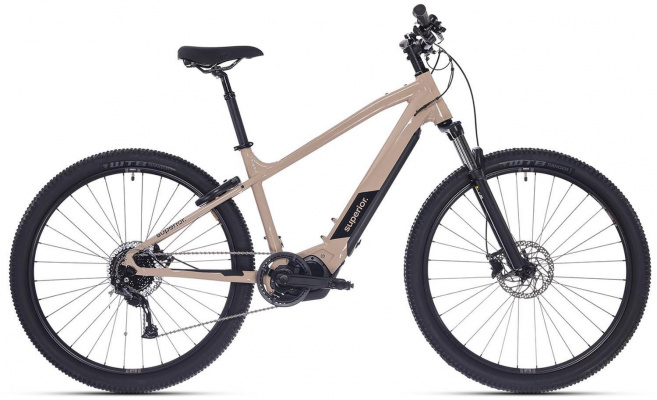
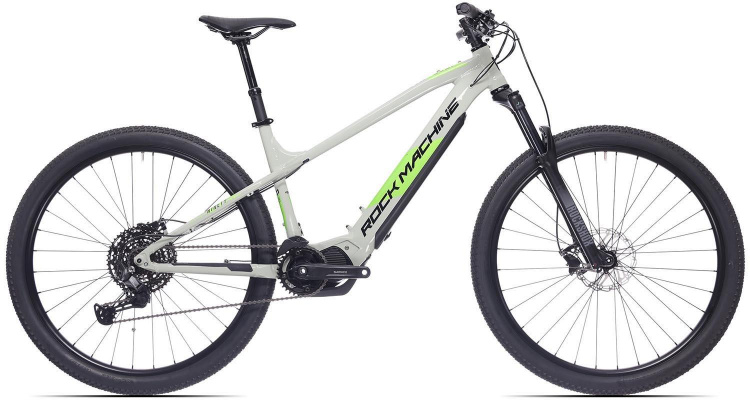
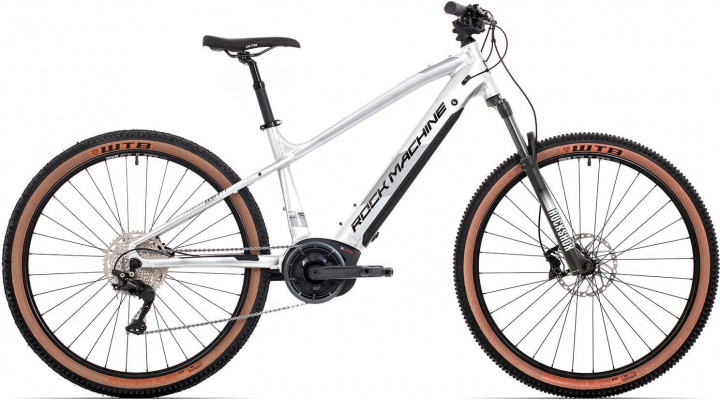
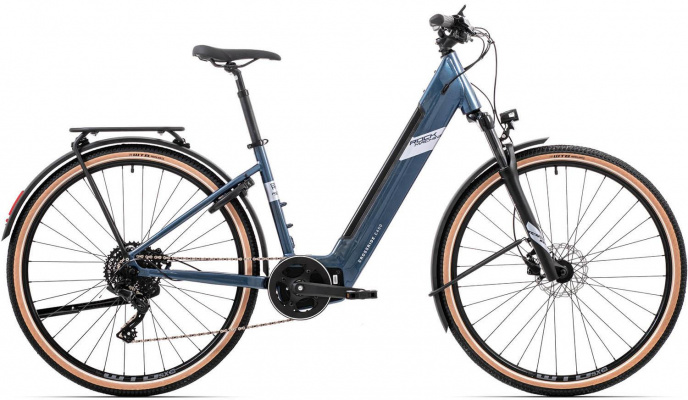
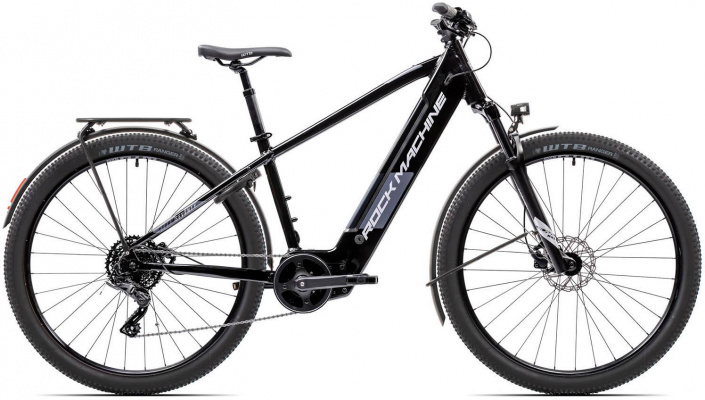
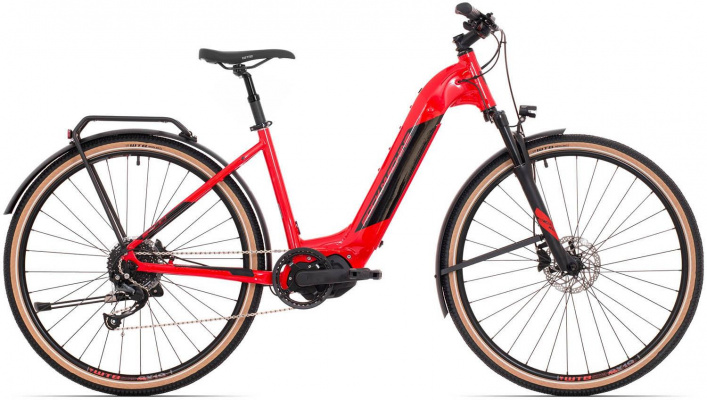
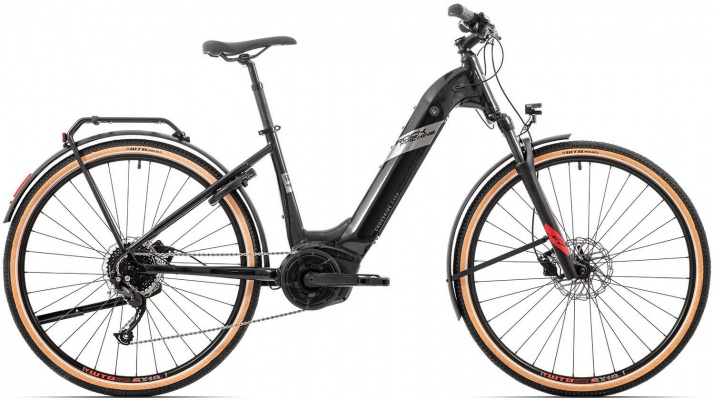
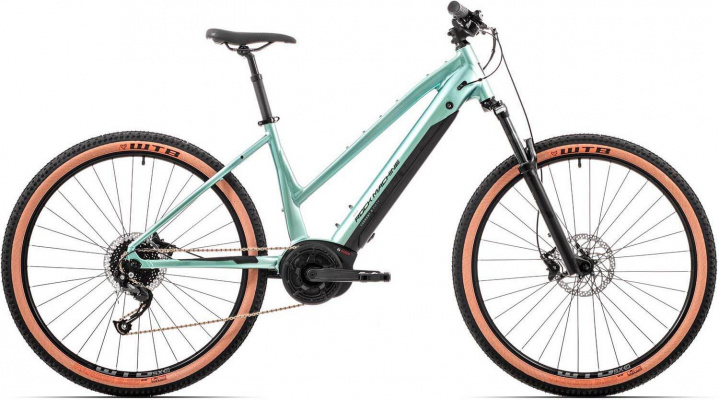
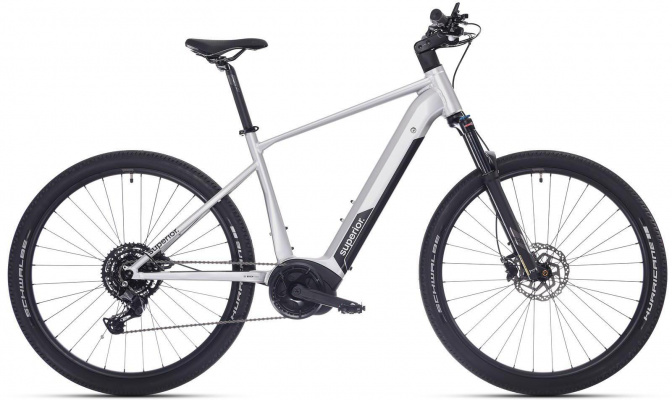
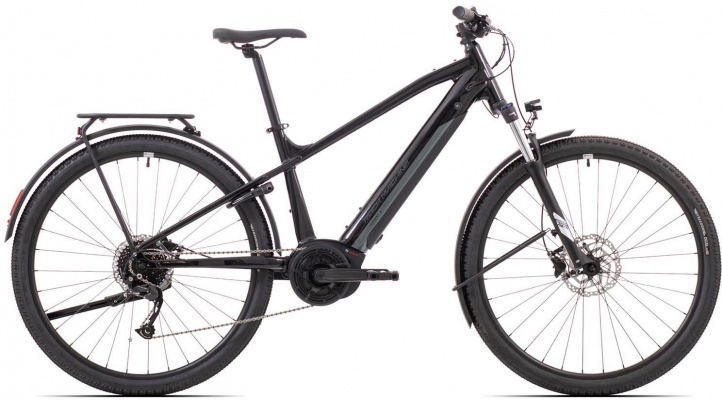
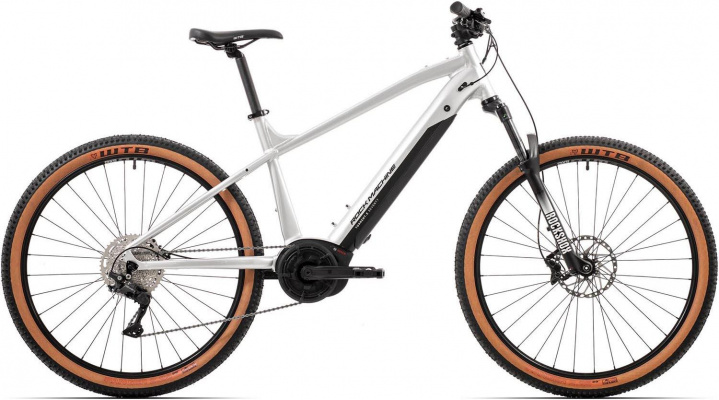
Prices and availability can change quickly. Delivery charges are not always included in listed prices.
Final price, stock status and delivery terms are set by retailer. We may receive a commission on purchases made.
Mapping the Model Families
Rock Machine electric mountain bikes split into four clear families, and understanding which is which saves a lot of head-scratching. The Blizzard INT is their full-suspension trail and enduro platform - the one most riders are here for. It runs up to 160mm of travel, accommodates mullet wheel setups (29-inch front, 27.5-inch rear) on the more aggressive builds, and comes in trim levels that decode neatly by number: e90 flags the flagship builds with Shimano EP8 and top-shelf suspension, while e70 and e50 indicate progressively more value-focused builds without sacrificing the core frame architecture.
The Blizz INT is the hardtail sibling - lighter, simpler, and built for riders who want a winter workhorse that's easy to keep clean and mechanically sorted. Think Peak District gritstone or a boggy local loop where a full-sus feels like overkill. The Torrent INT moves toward cross-country and lighter trail use: longer range, efficient geometry, and a riding position that suits riders covering ground rather than hunting features. Finally, the Crossride family handles trekking and commuting duties, often running Bosch Performance Line motors for smoother, more gradual assist suited to mixed-use riding. If you're weighing these against other European options, Cube e-bikes and Bergamont e-bikes occupy similar ground and are worth a side-by-side look.
What the Frame Tech Actually Does
The Shark Spine EVO tubing isn't a marketing flourish - that distinctive kink in the top tube is doing real structural work. By changing the tube's axis at that point, Rock Machine increases lateral stiffness through the front triangle without making the whole frame feel wooden. The result is a bike that tracks predictably under hard cornering loads while still allowing enough vertical compliance to take the edge off sharp trail chatter. It's the difference between a frame that fights you and one that just gets on with it.
On full-suspension Blizzard models, the Floating Pivot Suspension system separates braking forces from suspension action. Most riders notice this on steep, brake-heavy descents: the rear end stays active and composed rather than locking up into a pogo. The pivot design keeps pedalling efficiency high too, so you're not fighting bob on long fire-road climbs between the technical bits. Integrated Darfon battery systems sit low and central within the frame, which keeps the centre of gravity sensible and makes the bike feel less top-heavy than some rivals with externally mounted packs. Paired with Shimano EP8's 85Nm of torque and its finely tuned power delivery, that mass centralisation genuinely changes how the bike corners at speed. For riders considering alternatives with different motor philosophies, Cannondale e-bikes run their own Mahle-based systems worth comparing, and Corratec e-bikes offer another European take on Bosch integration.
Running One Through a UK Winter
Here's where honest, practical detail matters more than spec sheets. The Blizzard INT's rear triangle offers reasonable mud clearance for most UK conditions - Welsh trail centre clay and Peak District grit included - but if you're running the widest 2.6-inch tyres the frame accepts, pack clearance gets tight when that clay starts building up. Dropping to a 2.4-inch tyre in the worst months is a straightforward fix and actually sharpens the steering slightly.
Cold weather and batteries don't mix brilliantly. The removable Darfon units on Rock Machine's Shimano STEPS models should come indoors overnight when temperatures drop below five degrees - a cold-soaked battery can lose a meaningful chunk of range before you've reached the trailhead. Store it somewhere between ten and twenty degrees and you'll hold onto most of that capacity. It takes thirty seconds to pull the battery; make it a habit.
Pivot bearing longevity is the other thing worth knowing. Floating Pivot Suspension systems have more pivot points than a standard four-bar layout, and in gritty, wet conditions those bearings work hard. If you're riding regularly through winter, a bearing check every three months is sensible rather than waiting for play to develop. It's not a flaw - it's just the trade-off for the kinematics you're getting. Keep a bottle of suspension-safe lubricant in the boot of the car and give the pivots a quick wipe-down after every muddy session. Boardman e-bikes take a simpler single-pivot approach that's easier to maintain, which is worth considering if you genuinely can't face pivot servicing.
Internal cable routing on the INT models keeps everything tidy and protected from trail debris, but factor in a cable check when you service the bike - routing ports that aren't properly sealed can trap grit over a season of wet riding. Not a dealbreaker, just something to keep an eye on alongside your regular drivetrain service.
Related searches:
Rock Machine E-Bikes FAQs
Are Rock Machine e-bikes any good?
They're genuinely well-sorted, particularly the e-MTB range. Shark Spine EVO frames deliver real stiffness without feeling harsh, the Shimano EP8 and Bosch motor options are class-leading, and the geometry is tuned for actual trail riding rather than catalogue photos. Build quality from the Czech Republic is consistently high, and they represent solid value against comparably specced European rivals.
What motors do Rock Machine e-bikes use?
The mountain bike range predominantly runs Shimano STEPS systems - EP8 on flagship builds, EP6 on mid-tier models - paired with integrated Darfon batteries. Trekking and commuting models in the Crossride family typically use Bosch Performance Line motors, which suit their more gradual, versatile assist characteristics.
Where are Rock Machine bikes made?
Rock Machine bikes are designed, developed, and assembled in the Czech Republic. That European base means tighter quality control than many brands manufacturing exclusively in the Far East, and the geometry reflects Central European trail conditions that translate well to UK riding.