
Ritchey Road Wheels
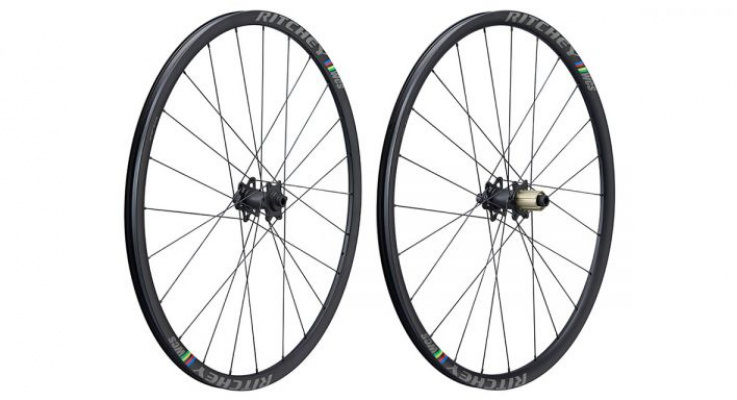
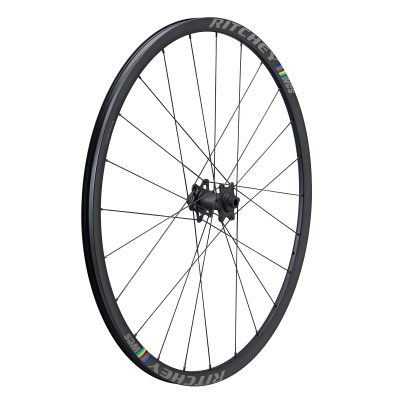
Ritchey road wheels have built a reputation on one principle: engineer it properly and it'll outlast the trends. Tom Ritchey's approach has always favoured robust, thoughtfully spec'd alloy over the kind of carbon layup that cracks when it meets a Lincolnshire B-road at pace. The Zeta lineup sits at the centre of that philosophy - rims shaped around real riding, not wind-tunnel marketing. Whether you're lacing up a new disc-brake endurance bike or breathing fresh life into a rim-brake frame that still handles beautifully, there's a Ritchey wheelset that fits the bill without asking you to compromise. Two technologies set these wheels apart from the crowd. The OCR (Off Center Rim) profile shifts the rim's centreline to balance spoke tension across the drive and non-drive sides of the rear wheel - a small detail that keeps wheels true for longer under load. The Phantom Flange hubs conceal standard J-bend spoke heads inside the flange for a cleaner build that's still fully serviceable. Add tubeless-ready Zeta rim profiles to the mix and you've got a wheelset that can run sealant, handle the odd agricultural pothole, and keep rolling through a British winter without drama. Browse the full WCS and Comp range below.
Prices and availability can change quickly. Delivery charges are not always included in listed prices.
Final price, stock status and delivery terms are set by retailer. We may receive a commission on purchases made.
Will They Fit Your Bike? Axle Standards and Compatibility
Get this right before anything else - nothing worse than a wheelset arriving and not matching your dropouts. Ritchey disc road wheels run 12x100mm thru-axle at the front and 12x142mm at the rear, which covers the vast majority of modern disc-brake road and endurance frames. If you're running an older rim-brake setup, the quick release Zeta builds use standard 100mm front and 130mm rear spacing, so they'll slot straight into most alloy and steel frames without adapters.
Rotor mounting on Ritchey disc hubs is Centerlock as standard. That means you'll need a Centerlock-compatible rotor or a CL-to-six-bolt adapter ring if your existing rotors are six-bolt. It's a common swap and costs next to nothing. Freehub compatibility covers Shimano HG across the range, with SRAM XDR and Campagnolo bodies available depending on the specific hub generation - worth confirming before you order if you're running a 12-speed SRAM or Campagnolo groupset.
If you need to swap your freehub body or require tubeless setup accessories, visit our dedicated Ritchey Freehub Bodies & Spares, Rim Tape, and Valve Extenders pages.
WCS vs. Comp: Picking the Right Tier
Ritchey runs two distinct wheel tiers and the difference is more nuanced than just weight. WCS - World Championship Series - is the performance end. You get lighter alloy rim extrusions, premium sealed cartridge bearings, and the Phantom Flange hub design that hides the spoke J-bends within the flange body. It looks clean, but more importantly it distributes stress more evenly at the spoke bed, which matters over thousands of kilometres. The rear wheel also uses Ritchey's OCR (Off Center Rim) profile, shifting the rim's centre slightly to equalise the notoriously uneven spoke tension between drive and non-drive sides. A rear wheel that stays truer for longer is a real-world gain, not just a spec-sheet one.
Comp is the workhorse. Same robust Zeta rim profile, same tubeless-ready bead design, but with standard hub flanges and slightly heavier spoke spec. Think of it as the wheel you actually want on your bike through November and February when the roads look like the surface of the moon and every puddle could be hiding a pothole. The Comp builds are built to take punishment, be easily serviced, and not make you wince when a Staffordshire gritter clips past. If Mavic and Fulcrum are your reference points for solid alloy training wheels, the Ritchey Comp Zeta sits comfortably in that conversation - with the added advantage of broader tubeless support out of the box.
The Ritchey WCS road wheelset suits riders who want a single set that handles both fast sportives and everyday miles without switching. The Ritchey Comp Zeta suits riders who want dedicated winter wheels they can thrash and service cheaply. Both are built around the same Zeta rim fundamentals, so there's no dramatic trade-off in ride character between tiers - just weight and bearing quality.
If you're after wider internal rims specifically for mixed-surface or gravel riding, that's a different conversation - head over to the Ritchey Gravel Wheels category for the right tool. Road Zeta rims are optimised for 25 - 32mm road tyres and aren't the right call for 40mm file treads.
Worth knowing: if you're comparing against DT Swiss road wheels or Hope road wheels, Ritchey sits in a similar space - alloy, serviceable, no nonsense - though Ritchey's OCR rear rim is a relatively uncommon feature at this price band and one that pays dividends over time.
Keeping Them Rolling Through a British Winter
Alloy rims take the kind of knocks that would crack a mid-range carbon hoop without drama. That's not a slight on carbon - it's just physics. On UK roads, where a stretch of otherwise pleasant countryside cycling can turn into a pothole slalom without warning, the Zeta's alloy construction absorbs impact stress rather than fracturing. The rim bed stays intact; you might get a minor dent in a worst case, but you're unlikely to be pushing home.
Hub maintenance is straightforward. Ritchey hubs use standard sealed cartridge bearings - the same type found in most quality road hubs - which means any competent mechanic (or you, with a bearing press and twenty minutes) can replace them without proprietary tools. In practice, plan to inspect the bearings around the 8,000 - 10,000km mark, or sooner if you've been riding through the sort of Scottish coastal grit that works into every seal eventually. Spin the axle by hand; any roughness or play means it's time.
New wheels always benefit from an early spoke tension check. After the first 100 miles or so, have a quick pass with a spoke key - alloy nipples can settle slightly as the wheel beds in, and catching it early keeps the rim running straight. For the freehub, a light application of grease on the pawl mechanism once a season goes a long way towards stopping water ingress from turning a smooth ratchet into a gritty mess mid-ride. It takes five minutes and saves a rebuild.
Running tubeless on the Ritchey Logic road wheels or Zeta builds? The rims are ready for it, but you'll still need to tape the spoke holes properly before fitting a tubeless valve - a step some riders rush and then regret at 6am on a club run. Two layers of quality rim tape, centred cleanly, is the difference between a setup that holds pressure overnight and one that doesn't. Pair your wheels with a Ritchey stem and Ritchey handlebars if you want a cohesive cockpit that matches the wheel build philosophy - stiff where it counts, no excess weight.
Ritchey Road Wheels FAQs
Are Ritchey Zeta wheels tubeless compatible?
Yes. Both WCS and Comp Zeta builds use a tubeless-ready rim profile with the right bead geometry to seat a tubeless tyre. You'll need to add tubeless rim tape, a compatible valve, and sealant - none of which come in the box - but the rim itself is ready for the conversion without any modification.
What is the difference between Ritchey WCS and Comp wheels?
WCS uses lighter rim extrusions, premium bearings, and the Phantom Flange hub design that conceals spoke J-bends for a stronger, cleaner build. Comp uses standard hubs and slightly heavier materials, making it the more durable and cost-effective choice for year-round training. Both use the same Zeta tubeless-ready rim profile and OCR rear geometry.
Can I convert Ritchey Phantom Flange hubs to different axle standards?
Generally, yes. Ritchey disc hubs are designed to accept end cap adapters that switch between 12mm thru-axle and quick release configurations. That said, end cap designs have changed across hub generations, so check the specific WCS model you're buying - older and newer versions don't always share the same end caps.