
Ridgeback Road Bikes
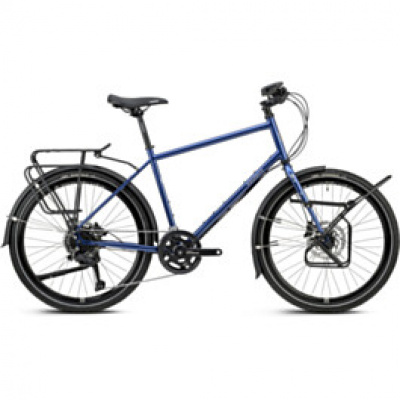
Ridgeback Road Bikes won't win you a stage of the Tour, but they'll get you to work through a February downpour, handle a weekend loop through the Cotswolds, and still have enough left in the tank for a loaded trip to the coast. Since 1983, this British brand has built bikes for the real world - commutes, winter training miles, light touring - where mudguard and rack mounts aren't an afterthought, they're standard. You get a choice between responsive 6061 heat-treated aluminium frames that keep weight sensible and Reynolds steel options that smooth out the chatter from cracked tarmac and farm tracks. Ridgeback endurance road bikes sit in that sweet space between pure speed and all-weather practicality, with endurance geometry that won't leave your lower back complaining after an hour in the saddle. If you need a bike that works as hard as you do, rain or shine, this is where you start looking.
Prices and availability can change quickly. Delivery charges are not always included in listed prices.
Final price, stock status and delivery terms are set by retailer. We may receive a commission on purchases made.
Frame Materials: 6061 Aluminium vs Reynolds Steel
Ridgeback gives you two frame philosophies, each with its own character. The 6061 heat-treated aluminium models - found across much of the range - deliver stiffness where it counts, particularly around the bottom bracket, so your pedal strokes don't flex away into the frame. Weight stays manageable, which matters when you're locking up outside the office or hauling the bike up a flight of stairs. Custom-butted tubing keeps things lively without feeling harsh, and the material shrugs off corrosion better than cheaper alloys, a genuine consideration if you're riding through salted streets all winter.
Step up to the Reynolds steel frames - 725 or 520 Cro-Mo depending on the model - and you're trading a few hundred grams for a ride quality that absorbs the worst of British road surfaces. Steel flexes just enough to take the sting out of potholes and expansion joints without feeling vague or slow. It's the frame material of choice for riders blurring the line between road and tour, or anyone who values comfort over marginal aero gains. Both materials come with full mudguard and rack mounts as standard, because Ridgeback knows you'll actually use them.
Endurance Geometry and Comfort
Ridgeback road bikes don't ask you to fold yourself into an aggressive race tuck. The geometry charts show a taller head tube and slightly longer wheelbase than you'd find on a crit racer, which translates to a more upright position and better stability when the road surface gets sketchy. That extra stack height means less strain on your neck and lower back, particularly useful if you're spending an hour each way commuting or tackling a full day in the saddle.
The longer wheelbase also improves handling when you've loaded up a rear rack or you're navigating wet roundabouts at rush hour. You won't carve apexes like a race bike, but you will feel planted and predictable, which counts for more when you're sharing space with lorries on the A-road into town. Ridgeback's UK-specific design ethos shows here: these bikes are built for uneven tarmac, gravel verges, and the kind of road furniture that makes a twitchy race geometry feel like a liability. If your typical ride involves more potholes than podiums, the geometry makes sense.
Componentry and Winter Compatibility
Open up the spec sheet and you'll find Shimano drivetrains doing most of the work - Shimano Claris groupset on entry models, Sora and Tiagra further up the range. Reliable, easy to service, and widely stocked in UK bike shops, which matters when you need a replacement hanger or a new chain in a hurry. Mechanical disc brakes feature on many models, offering consistent stopping power in the wet without the complexity or cost of hydraulics. They're not as light-touch as top-end hydros, but they work when it's bucketing down, and you can adjust them roadside with an Allen key.
Tyre clearance is generous - most models will swallow 28c to 32c rubber without complaint, and some go wider still. Fit puncture resistant tyres with a bit of volume and you've got a setup that laughs at broken glass and flint-strewn lanes. Every Ridgeback drop bar bike we've seen includes eyelets front and rear for full-length mudguards and pannier racks, so you're not hunting for aftermarket bodges or P-clips. That's the kind of practical thinking that separates a Ridgeback commuter bike from a fair-weather racer. Continental contact points - saddles, grips, bar tape - appear across the range, adding a touch of quality where it touches your body.
British Heritage: Designed for UK Roads
Ridgeback has been designing bikes for British weather since 1983, and it shows in the details. Sealed bearings keep grit and water out of the headset and hubs, extending service intervals when you're riding through slush and road spray all winter. Rust-resistant chains and durable paint finishes are standard, not upgrades - because the brand knows you're not storing your bike in a climate-controlled garage between rides. UK weather proofing isn't a marketing line here; it's baked into the spec.
The brand's approach mirrors what you'll find in Genesis road bikes or Boardman road bikes: practical, no-nonsense machines built for riders who actually use their bikes year-round. Ridgeback doesn't chase the lightest weight or the stiffest sprint, but if you need a bike that starts every morning, handles a loaded rack without complaint, and still feels quick enough for a Sunday club run, the formula works. Are Ridgeback bikes good quality? Yes, particularly if your definition of quality includes durability and real-world versatility over pure performance metrics.
The line between Ridgeback's road and touring ranges can blur - what is the difference between Ridgeback road and touring bikes, exactly? Road models lean lighter, with a focus on speed and commuting efficiency, while Ridgeback touring road bikes stretch the wheelbase further, use heavier-gauge steel, and are designed to carry serious luggage loads over multi-day trips. If you're planning a loaded tour across Scotland, you want the touring bike. If you're riding unloaded most days with the option to bolt on a rack for shopping or a weekend away, the road bike does the job.
Do Ridgeback road bikes come with mudguards? Not always pre-fitted, but almost every model ships with the eyelets and clearance to add full-length guards without fuss. That's a deliberate choice: you get the option without paying for kit you might not need, but the bike is ready when the weather turns. It's the kind of thoughtful design that makes Ridgeback a solid alternative to brands like Kona or Giant, especially if you value practicality over race pedigree. And if you're kitting out the whole family, Ridgeback's reputation extends to their kids bikes too, built with the same durable ethos.