
Ridgeback Mountain Bikes
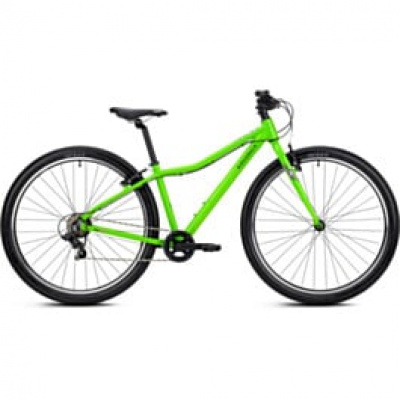
Ridgeback mountain bikes have long been the no-nonsense choice for UK riders who want something dependable without the faff of high-maintenance components or race-bred geometry that punishes you on a soggy bridleway. These are hardtails built around ALX9 aluminium frames, sensible Shimano drivetrains, and a riding position that actually lets you see where you're going - rather than pinning you low like you're chasing a KOM you don't care about.
The range sits squarely in the leisure and entry-level bracket, which isn't a weakness. It's a deliberate choice. Ridgeback designs its mountain bikes for the kind of riding most of us actually do: weekend trails, canal towpaths that turn to glue in October, and the odd gravel track after a week of rain. Disc brakes across the range mean wet-weather stopping is sorted, and the geometry keeps things predictable when the ground gets loose.
If you're after pedal-assisted off-road capability, take a look at the Ridgeback e-bikes range. Shopping for a younger rider? The Ridgeback kids bikes collection is worth a browse. For mixed-surface commuting, their Ridgeback hybrid bikes cover that ground well too.
Prices and availability can change quickly. Delivery charges are not always included in listed prices.
Final price, stock status and delivery terms are set by retailer. We may receive a commission on purchases made.
Decoding the Ridgeback Mountain Bike Lineup
Ridgeback runs two main mountain bike families: the Terrain series and the MX series. They look similar on paper but serve slightly different riders. The Terrain range is the more trail-focused of the two - 27.5-inch wheels, a geometry tuned for light singletrack and bridleway use, and a component spec that climbs the ladder as the model number rises. The MX series blurs the line between rugged commuter and light MTB, making it a reasonable pick if your riding mixes urban grit with weekend off-road jaunts.
Within each family, the numbering tells you where you sit on the spec ladder. Lower-numbered models - think Terrain 1 - come with mechanical disc brakes and a basic Shimano drivetrain. Perfectly functional, but you'll feel the difference in wet conditions compared to the hydraulic stoppers that appear on higher-numbered variants. Step up to a Terrain 3 or above and you're typically getting hydraulic disc brakes, more suspension travel from the SR Suntour fork, and a cleaner Shimano groupset that shifts with more authority. The jump between trim levels is meaningful rather than cosmetic - it's worth spending a few minutes with the spec sheets before you decide. On the Ridgeback Terrain vs MX question, it largely comes down to where you spend most of your time: leaning trail or leaning commute.
Wheel size is another variable worth noting. Most of the range runs 27.5-inch wheels, which offer a livelier feel and easier handling on tighter paths. Some higher-spec builds shift to a 29er setup, giving better rollover on choppier ground - useful if your local trails have the kind of embedded rocks that would stop a smaller wheel dead.
The Ridgeback Tech Philosophy: Built to Last
Ridgeback isn't trying to win weight-weenie arguments, and that's fine. The ALX9 6061 heat-treated aluminium frames are built for longevity over gram-counting. Heat treatment stiffens the alloy and improves impact resistance, which matters when you're clattering over root sections or dropping off kerbs on a miserable Tuesday morning. You won't find carbon layups here, and honestly, for this price bracket and riding style, you don't need them.
The geometry deserves attention because it directly shapes how the bike feels from the first pedal stroke. Ridgeback opts for a shorter reach and higher stack than you'd find on an aggressive trail bike - the result is a more upright, leisure-focused riding position that reduces back strain on longer rides and keeps you looking ahead rather than down at your stem. It's more forgiving for beginners, and it makes the bike approachable rather than intimidating when the path narrows. That said, if you're coming from a more aggressive hardtail, the position will feel distinctly relaxed. Neither good nor bad - just a different priority.
Suspension is handled by SR Suntour coil forks, which are a known quantity in this segment. They're not the most supple forks available, but coil units are low-maintenance and consistent. A basic service once a year - wipe the stanchions, check the preload - keeps them working reliably. Compared to the air forks on pricier bikes, you lose some fine-tuning ability, but you gain simplicity. For the rider who doesn't want to faff with a shock pump every few weeks, that's a reasonable trade.
Cable routing on Ridgeback frames is designed with British conditions in mind. Ports are positioned to reduce mud ingress, and the routing keeps cables away from the worst of the spray off the front wheel. It's a small detail, but it makes a real difference when you're cleaning the bike after a winter bridleway session.
Living with a Ridgeback MTB in the UK
Get a Ridgeback mountain bike through a British winter and it'll earn its keep. The frame clearances are generous - there's enough space around the tyres to shed the kind of clay mud you find on Peak District bridleways without the wheel grinding to a halt mid-descent. If you're regularly riding wet bridleways or towpaths, fitting a slightly narrower tyre than the stock option can help clearance further, though most riders won't need to bother.
Disc brakes across the range are the right call for UK conditions. Mechanical disc brakes on entry-level models are reliable and easy to adjust at home with a basic Allen key - cable stretch is the main enemy, and a barrel adjuster tweak sorts it in seconds. Step up to hydraulic disc brakes and wet-weather modulation improves noticeably; you get more feel and more consistent power when the rotors are running with water on them. If you're riding through autumn and winter regularly, the hydraulic upgrade is worth factoring into your budget decision.
The Shimano drivetrains Ridgeback specifies are workhorses. They're not the lightest or the slickest-shifting components Shimano makes, but they respond well to regular cleaning and lubrication. A wet-lube on the chain before every muddy ride, a rinse and re-lube after, and the drivetrain will outlast most people's expectations. The sealed cartridge bottom bracket specification is a quiet but important detail - it keeps water and grit out of the bearings, which is exactly where you want protection when you're grinding through winter grit on every ride.
If you're deciding between Ridgeback and similar leisure-focused hardtails, it's worth comparing against options like Carrera mountain bikes or Claud Butler mountain bikes, which sit in a comparable bracket. Ridgeback's edge tends to be build consistency and component quality at the entry level. Apollo mountain bikes are another option at the budget end, though the spec gap widens quickly as you move up the range. Don't forget a helmet - the Ridgeback kids helmets range is worth checking if you're kitting out younger riders at the same time.
One practical note: Ridgeback hardtail mountain bikes are sized from XS through to XL, and the leisure geometry means the reach is shorter than equivalent-sized trail bikes. If you're between sizes and used to a more stretched-out position, sizing up is worth considering - but check the geometry chart for standover height first, particularly on the smaller frames.
Ridgeback Mountain Bikes FAQs
Are Ridgeback mountain bikes any good?
For leisure riding and entry-level trail use, yes - they're a solid choice. Ridgeback focuses on durable ALX9 aluminium frames and proven Shimano components rather than chasing lightweight specs that add cost without benefiting most riders. They're honest, reliable bikes that hold up well to regular UK use. Don't expect enduro performance, but that's not what they're for.
Where are Ridgeback bikes made?
Ridgeback is a British brand with design and specification work done in the UK. Frames are manufactured in Taiwan, which is standard practice for this price bracket and delivers consistent quality control. It's the same approach used by many well-regarded brands, and it keeps the bikes competitively priced without cutting corners on construction.
What size Ridgeback mountain bike do I need?
Ridgeback offers frames from XS to XL, broadly mapped to rider height. Because their mountain bikes use a leisure-focused geometry with a shorter reach, you may find the fit feels slightly more upright than a comparable trail bike. Check the brand's geometry chart rather than relying on height alone - standover clearance and reach are the numbers that matter most for comfort.