
RFR Dropper Posts
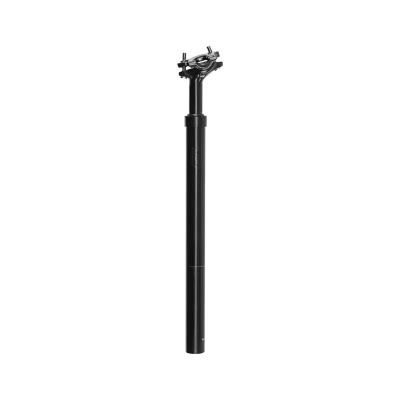
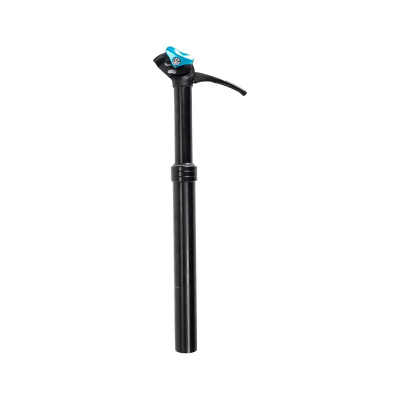
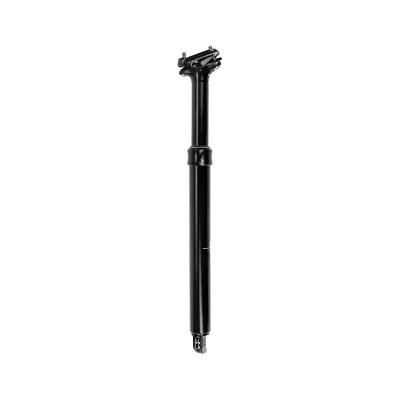
Rfr dropper posts sit in a genuinely useful part of the market - capable, well-engineered components that don't ask you to remortgage the shed to afford them. Rfr (Ready for Race) is Cube's own component brand, which means these posts are developed alongside complete bikes rather than bolted on as an afterthought. That OEM relationship shows in the details: consistent tolerances, cartridge systems that hold up across a full season, and remote levers that feel considered rather than cobbled together.
The range covers the basics riders actually need - seat tube diameters from 27.2mm through to 30.9mm and 31.6mm, travel options running from 100mm up to 150mm-plus, and both external and stealth internal routing to suit frames old and new. Whether you're modernising a hardtail that's been sitting in the garage or spec'ing a fresh trail build, there's likely an Rfr post that fits without compromise.
For UK riders, the sealed cartridge design matters more than it might first appear. Gritty moorland mud and relentless winter rain are hard on any dropper, and a post that's straightforward to service - or whose cartridge you can swap rather than bin - saves real money over time. These aren't budget posts dressed up in smart packaging; they're a practical choice for riders who want reliability over brand cachet.


Prices and availability can change quickly. Delivery charges are not always included in listed prices.
Final price, stock status and delivery terms are set by retailer. We may receive a commission on purchases made.
Will an Rfr Dropper Fit Your Frame?
Before anything else, you need three measurements. Get them wrong and you're paying return postage. First: seat tube internal diameter. Rfr typically covers 27.2mm, 30.9mm, and 31.6mm - the three most common standards on modern MTB frames. Check your frame's spec sheet or measure the bore directly; a post that's even half a millimetre out won't clamp properly and will creak endlessly on the Peak District's rocky chop.
Second: insertion depth. This catches people out more than diameter does. Measure from the seat collar down to any internal obstruction - suspension pivot hardware, bottle cage bosses, or a tapered seat tube junction. The post's minimum insertion mark must sit below the collar, and the full compressed length can't foul anything lower down. On shorter frames especially, this can rule out higher-travel options entirely.
Third: travel. Work out your current saddle height and how much drop you actually need. Most trail riders find 125mm to 150mm of Rfr dropper post 150mm travel covers the full range from seated climbing position to flat-out descending. If your frame's geometry is tight, a 100mm or 120mm post may be the honest answer rather than forcing a longer one in.
Routing matters too. Older frames with no internal cable ports need an Rfr external routing dropper post - the cable runs along the outside of the frame, which is entirely functional, just slightly less tidy. Newer frames built for stealth routing take the internal versions, with the cable disappearing through the bottom of the seat tube. If you're after a standard rigid seatpost for road or XC use, that's a separate conversation - head over to our Rfr Seatposts page instead.
Standard Telescope vs. PRO: What the Step-Up Actually Gets You
Rfr's dropper lineup splits into two clear tiers. The standard Telescope posts are the workhorse option - solid, reliable, and typically built around external cable routing. They suit riders upgrading older hardtails or anyone who wants a functional dropper without obsessing over marginal gains. The actuation is clean, the sealed cartridge holds its tune well, and the stack height is low enough that fitting isn't usually a drama.
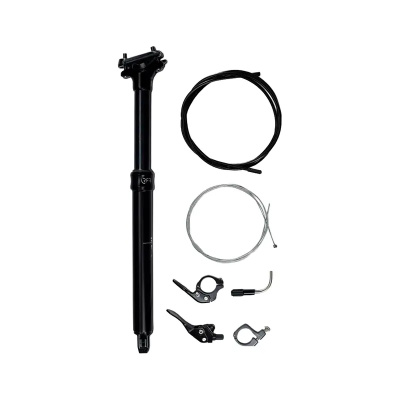
The PRO models step things up in ways that are worth paying for if you ride regularly. Rfr telescope seatpost internal routing is the obvious headline - stealth cable management tidies up the cockpit and removes an external snag point on tight singletrack. But the bigger difference is in the remote lever. PRO posts ship with ergonomic 1x-style under-bar remotes that sit flush against the bar and actuate with a short, positive throw. If you've ever fumbled for a dropper lever mid-corner on a wet Welsh trail centre descent, you'll appreciate how much lever feel matters.
The cartridge specification is also upgraded on PRO variants, with tighter tolerances on the air and oil circuits that translate to more consistent return speed across a wider temperature range. That's not marketing copy - it's the difference between a post that bounces back crisply in February and one that sulks. The low-profile collar designs on PRO posts are also worth noting: they're engineered to maximise usable drop in smaller frame sizes where insertion depth is the limiting factor. Riders on size small or medium frames often find this makes the difference between getting 150mm of travel and being stuck at 125mm. Compared to options like KS Suspension droppers or PNW Components posts at similar price points, the PRO tier holds its own on build quality and lever quality - the standard Telescope competes more directly with Brand X dropper posts on value-focused builds.
Keeping an Rfr Post Running Through a UK Winter
Liquid mud is the enemy of wiper seals. The kind of gloop you pick up on a soggy Pennine bridleway or a Forestry Commission fire road in November works its way past the main wiper and sits against the inner stanchion, grinding away the seal lip every time the post cycles. The fix is simple but easy to skip: rinse the stanchion with clean water after every muddy ride, dry it off, and apply a thin coat of suspension-specific silicone spray. Don't use GT85 or WD40 - both degrade rubber seals over time.
The cable housing is the other weak point in UK conditions. Water ingress into the outer housing causes the inner cable to drag, and in proper cold - the kind of frost you get on a January morning in the Brecon Beacons - it can stiffen enough that the actuator barely moves. Flush the housing with a proper cable lubricant at the start of winter and again mid-season. If the remote lever starts feeling vague or the post won't drop fully, that's usually where the problem lives before you go pulling the cartridge apart.
On the cartridge itself, Rfr's sealed replaceable air/oil cartridges are a genuine practical advantage. When a post eventually needs servicing, you're swapping a self-contained unit rather than attempting a full internal rebuild in your kitchen. That said, keeping the air pressure correct makes a real difference to how the post behaves - a low cartridge feels sluggish and won't return sharply enough to be useful. You'll need a high-pressure shock pump to check and set it; a standard track pump won't read the pressure accurately. We stock Rfr Shock Pumps that are calibrated for exactly this job, and it's worth having one in the toolkit alongside the relevant Rfr tools for collar and lever installation. If you're running a Cube dropper post on the same build, the same pump and service intervals apply.
RFR Dropper Posts FAQs
What size Rfr dropper post do I need for my bike?
Match your frame's seat tube internal diameter exactly - Rfr covers 27.2mm, 30.9mm, and 31.6mm. Beyond that, measure the maximum insertion depth to confirm nothing obstructs the post internally, then work out how much saddle height drop you actually use. That last figure determines whether 125mm or 150mm of travel makes more sense for your riding.
How do I adjust the return speed on my dropper post?
Return speed is controlled by the air pressure inside the sealed cartridge. Attach a high-pressure shock pump to the valve beneath the saddle clamp area and inflate to the manufacturer's recommended PSI. Higher pressure means a faster, firmer return; drop it slightly if the post is bouncing you off the saddle on steep climbs. A standard track pump won't give you an accurate reading here.
Why is my dropper post sticking in the cold?
Two likely causes. Cold thickens the cartridge oil and causes the internal seals to contract, both of which increase friction and slow the actuator. Separately, check the cable housing - water ingress can freeze inside the outer, creating enough drag that the remote lever can't fully disengage the post. Flush the housing with cable lubricant and let the bike warm up slightly before riding if temperatures are near freezing.