
Reverse Components Saddles
Reverse Components saddles are built squarely around gravity mountain biking - from World Cup downhill tracks to the kind of dirt jumps that end badly if your contact points aren't up to scratch. The range covers everything from minimalist freeride sleds to shaped enduro saddles with genuine all-day support, and the construction throughout reflects that focus: Kevlar-reinforced edges to survive the inevitable slide-outs, and high-strength CrMo or titanium rails that won't fold under repeated heavy impacts.
For UK riders, that durability matters more than most brands acknowledge. Wet roots, abrasive Peak District grit, and the kind of winters that destroy saddle stitching by February are facts of life here. Reverse designs with those realities baked in rather than bolted on as an afterthought.
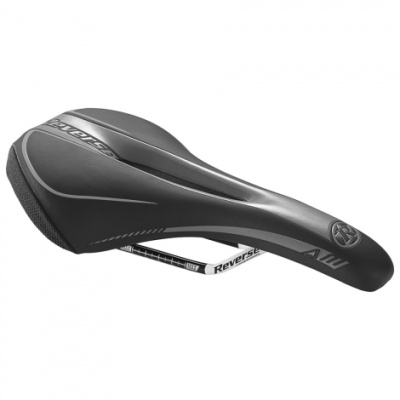
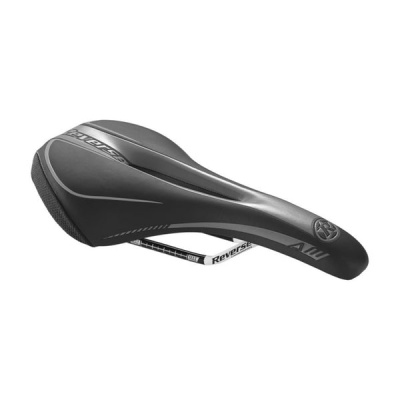
The line-up splits cleanly by discipline. The Nico Vink Signature series is a low-profile, ultra-tough option for freeride and dirt jump riding. The AM Ergo brings pressure-relief geometry and optimised foam density for longer days in the saddle on enduro and all-mountain bikes. The Fort Will sits at the sharp end - purpose-built for downhill racing. Whichever you're after, the saddle profile, rail spec, and foam tuning are all specific to what that discipline actually demands.
Prices and availability can change quickly. Delivery charges are not always included in listed prices.
Final price, stock status and delivery terms are set by retailer. We may receive a commission on purchases made.
Rail Standards and Seatpost Compatibility
Almost every Reverse saddle runs on the 7x7mm rail standard - round-section rails in either CrMo or titanium, depending on the model. That's the same standard used by the vast majority of MTB seatposts on the market, so whether you're running a two-bolt clamp or a single-bolt design, you're almost certainly compatible straight out of the box. No adapters, no faff.
CrMo rails are heavier but handle abuse without complaint - a sensible choice if your bike regularly gets thrown around or you're running a standard fixed post. Titanium rails save a few grams and offer a touch of natural flex, which some riders find takes the edge off trail chatter on longer pedalling sections. Worth knowing if you're spec'ing for an enduro build rather than a park bike.
Need to rebuild your current setup? We stock a full range of replacement parts; head over to our Reverse Components Saddle Spares page to find the right fit. And if you're replacing the post itself, the Reverse Components seatposts range is worth a look while you're at it.
Which Model Suits Which Rider
The Nico Vink Signature series is the most recognisable saddle in the Reverse range - and for good reason. Nico Vink's input shows in the flat, minimal profile that lets you move freely around the bike during big drops and technical freeride lines. The foam density is tuned for short, explosive efforts rather than sustained pedalling, and the Kevlar corner reinforcement means it survives the tip-overs and rail grinds that come with the territory. If you're spending your Saturdays at a dirt jump spot or sessioning a steep technical trail, this is the obvious pick.
The AM Ergo takes a different approach. It's shaped to support your sit bones properly across longer rides - there's a pressure-relief channel running down the centre, and the foam is denser and more structured than on the Vink model. Custom foam densities tailored for gravity versus endurance riding are one of the things Reverse actually thinks about in the design process, and you feel the difference once you're two hours into a trail centre lap rather than ten minutes into a park session. It's the one to consider if you're covering ground in the Brecon Beacons or the Tweed Valley rather than hitting repeat laps on a single feature.
The Fort Will - named after the Fort William World Cup venue - is the purpose-built downhill option. Compact, bombproof, and designed for a position where you're rarely sat down for long. The profile works with a DH-specific body position, and the construction is tuned to handle the kind of abuse that comes with racing. If you're comparing options, Burgtec saddles sit in a similar bracket for DH-oriented riders, and DMR saddles are another strong alternative if you want more choice at the freeride and dirt jump end of the spectrum.
For riders coming from a more comfort-led background - or those who want ergonomic shaping for longer trail riding - Ergon saddles are worth comparing against the AM Ergo specifically, as they take a more anatomical approach to sit bone width and saddle profile.
Surviving UK Winters - Durability in Practice
British riding does specific things to saddles that dry-conditions gear simply isn't designed for. Abrasive mud and grit work through stitching faster than you'd expect, wet slide-outs on rooty singletrack are a regular occurrence rather than a freak incident, and the combination of grit and moisture gets into every interface on the bike - including the saddle rails.
The Kevlar edge protection on Reverse saddles addresses the slide-out problem directly. When you go down on a wet root on the South Downs or clip a rock on a Scottish trail, the corner of the saddle is usually the first thing that drags along the ground. Standard saddle covers tear there quickly. Kevlar corners take that kind of abrasion repeatedly without opening up - it's not a premium feature you'll never use in the UK, it's something you'll be quietly grateful for by the end of your first winter.
The rail creak issue is worth tackling head-on, because it's common and fixable. Grit gets trapped where the rails sit in the seatpost clamp, and once it's in there it acts like grinding paste every time you load the saddle. The fix is simple: pull the saddle off every few months, wipe the rails clean with a rag, clean out the clamp cradles, and apply a thin smear of grease to the clamp bolt threads before torquing back up to the manufacturer's spec - usually around 4 - 5Nm for most two-bolt posts, but check your post's documentation. Takes ten minutes and stops the creak dead. While you're at it, make sure the rails are sitting centrally in the clamp cradles; an off-centre rail is another common cause of noise and wear.
Pair the saddle with matched Reverse hardware if you want consistent quality across your contact points - the Reverse Components handlebars and Reverse Components pedals follow the same durability-first brief and keep the spec coherent if you're building out a gravity-oriented bike. If you want to see how the range stacks up against other options before committing, Fabric saddles are a useful comparison point - different construction philosophy, but similarly serious about durability.
Reverse Components Saddles FAQs
How do I choose the right Reverse Components saddle?
Start with your discipline. The Nico Vink Signature is built for freeride and dirt jump riding - minimal profile, tough construction, short-effort foam tuning. The AM Ergo suits enduro and all-mountain riding where you're actually pedalling for hours, with sit bone support and a pressure-relief channel. The Fort Will is the dedicated downhill option. Match the saddle to how you actually ride.
Will a Reverse Components saddle fit my current seatpost?
Almost certainly, yes. Reverse saddles use standard 7x7mm round rails in CrMo or titanium, which are compatible with the vast majority of two-bolt and single-bolt MTB seatpost clamps on the market. No adapters needed in most cases - just drop it in and torque up.
How do I stop my MTB saddle from creaking?
Grit trapped in the rail-to-clamp interface is usually the culprit. Remove the saddle, clean the rails and the clamp cradles thoroughly, then apply a light grease to the clamp bolt threads and re-torque to spec. Check that the rails are sitting centrally in the clamp while you're at it. That combination fixes the majority of saddle creaks.