
Raleigh Hybrid Bikes
Raleigh hybrid bikes have been part of British cycling life long enough that your dad probably owned one - and the current range is sharper, lighter, and more practical than anything that came before. Built around custom-butted 6061 aluminium alloy frames, these bikes are designed for riders who want something dependable for the daily commute, the weekend canal towpath, or both. The geometry puts you upright and alert, which matters when you're threading through city traffic or clocking what's coming on a shared-use path.
The range splits cleanly between the sportier Strada and the more classically relaxed Pioneer, with low-step frame variants available across both families for easier mounting. Whichever direction you go, you're getting 700c wheels, solid Shimano gearing, and frame clearances that swallow a chunky tyre without complaint - useful when UK roads resemble a lunar surface in February. Most models arrive mudguard-ready or fully equipped, so you're not immediately spending extra just to stay dry.
Want the pedal-assist version of this story? Raleigh's Raleigh E-Bikes page covers the Motus and Centros ranges in full.
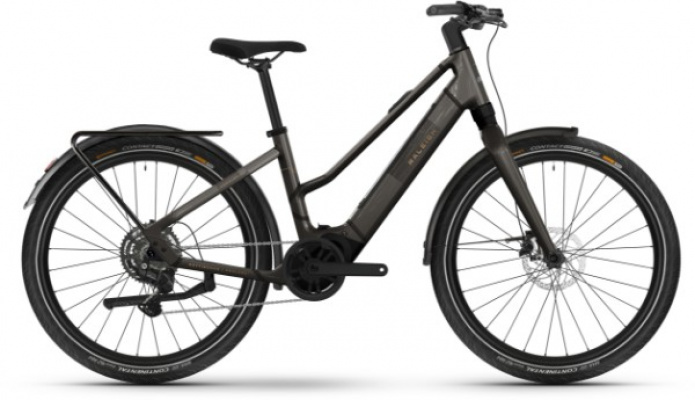
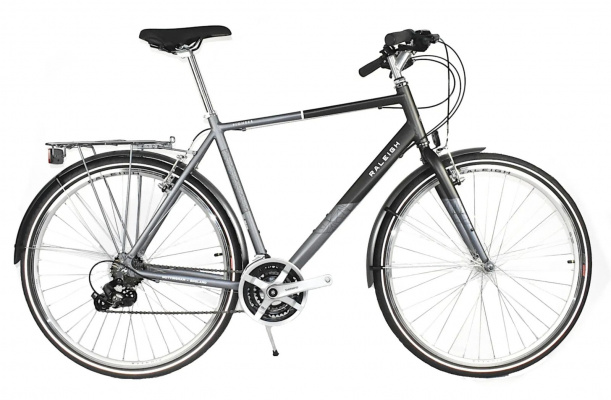
Prices and availability can change quickly. Delivery charges are not always included in listed prices.
Final price, stock status and delivery terms are set by retailer. We may receive a commission on purchases made.
Decoding the Raleigh Hybrid Lineup
There are two acoustic hybrid families worth knowing: the Strada and the Pioneer. They look superficially similar - both run 700c wheels, aluminium frames, flat or near-flat bars - but they're aimed at quite different riders.
The Strada is the quicker, more fitness-focused option. Its geometry is slightly more stretched, the bars are set lower relative to the saddle, and the whole package feels more like a road bike that's been sensibly widened. If your commute involves covering ground efficiently or you want something that doesn't feel sluggish on a longer weekend spin, the Strada is the direction to look. It's the kind of bike that rewards keeping a bit of pace on.
The Pioneer is a different proposition entirely. Swept-back handlebars put your wrists in a natural, relaxed position, the saddle sits higher relative to the front end, and the whole riding position is more upright. It suits riders who want to see where they're going without hunching, and it's particularly well-matched to slower-paced commutes, shopping runs, or pottering along a canal without it feeling like exercise. Many Pioneer variants come pre-fitted with mudguards and a pannier rack - genuinely useful rather than an afterthought.
Both families offer crossbar and low-step (step-through) frame options. The low-step design isn't just about accessibility, though it absolutely helps if you're shorter or less flexible - it also makes mounting and dismounting at traffic lights feel less fiddly when you're loaded up with a commuter bag.
If you're weighing up alternatives outside the Raleigh range, it's worth checking Boardman hybrid bikes for a more performance-leaning take, or Carrera hybrid bikes if you want to see what a different price-point looks like with similar spec ambitions. For those who've decided the future is electric, Raleigh's pedal-assist commuters - the Motus and Array - are covered on the Raleigh E-Bikes page.
The Engineering Behind the Ride Feel
Raleigh builds its hybrid frames from custom-butted 6061 aluminium alloy - butted meaning the tube walls are thicker at the stress points and thinner in the middle, which trims weight without sacrificing rigidity. Aluminium is a sensible call for UK commuting; it doesn't corrode the way steel can when you're hosing road salt off it every January.
The geometry is where Raleigh's classic British upright geometry earns its keep. Taller head tubes mean a higher front end, which translates to less neck strain and a better view of the road ahead. You're sitting on the bike rather than crouching over it. That posture makes slower-speed handling more intuitive and reduces fatigue on longer commutes - the kind where you're doing 40 minutes each way rather than a quick ten-minute hop.
Frame clearances are generous. Most models run 700x35c tyres as standard, and the clearance is there to go wider if you want more cushioning on rough surfaces. A rigid fork keeps weight down and steering responsive - there's no suspension here, but a fatter tyre at the right pressure does a reasonable job of taking the edge off potholed urban roads. It's a deliberate trade-off: suspension forks add weight, complexity, and cost, and on the roads most Raleigh riders are covering, they'd deliver marginal benefit.
Shimano Tourney groupsets appear across the entry-level range. Tourney isn't glamorous, but it's robust and widely serviceable - any bike shop can work on it, and it shifts predictably once it's indexed properly. Higher-spec models step up to Shimano Altus or Acera, which bring crisper shifts and a wider gear range. For canal towpaths and UK commuting, you don't need anything exotic.
Running a Raleigh Day-to-Day in the UK
The pre-drilled pannier rack mounts and mudguard eyelets are there to be used. If your Pioneer didn't come with guards fitted, a set of full-length mudguards takes about twenty minutes to fit and transforms a wet commute. Fit them before October. Seriously - don't wait until you've already arrived at work soaked once.
After towpath rides, rinse the drivetrain. Gritty canal paths pack muck into the chain faster than road riding, and a dirty chain wears the cassette noticeably quicker. A quick wipe-down and a drop of chain lube after a muddy ride adds months to your drivetrain's life. It takes two minutes. The Shimano components will reward that basic care by staying reliable for years.
Tyre pressure is worth getting right. Running the tyres too hard - which lots of commuters do, thinking it reduces punctures - actually makes the bike skip over rough surfaces and transmit more road buzz into your hands and saddle. Drop to the lower end of the recommended range on the tyre sidewall for town riding; you'll corner better and the bike will feel more planted. Keep a puncture kit in your bag regardless - 700c tyres are easy to fix roadside, and it's better than calling someone to collect you from a Tesco car park at 8am.
A kickstand is worth fitting if you're using the bike for errands or locking up outside regularly. Most Raleigh hybrids have the required mounting tab on the chainstay, and it makes loaded stops considerably less fiddly. If you've also got kids who've outgrown their starter bikes, Raleigh's kids' bikes range is worth a look alongside your own purchase - the brand builds consistently across age groups. And if you're curious how Giant hybrid bikes compare at a similar spec level, we've got those listed too.
Related searches:
Raleigh Hybrid Bikes FAQs
Are Raleigh hybrid bikes good for commuting?
They're well-suited to it. The upright geometry keeps you visible and comfortable in traffic, and most models have pre-drilled mounts for mudguards and pannier racks - so you're not retrofitting a bike that wasn't designed for daily use. The Shimano drivetrains are straightforward to maintain and widely serviceable across the UK.
What is the difference between the Raleigh Pioneer and Strada?
The Pioneer prioritises comfort - swept-back bars, a more upright position, and most variants come ready-fitted with mudguards and a rack. The Strada sits you slightly lower and more forward, making it faster and better for fitness riding or longer commutes where pace matters. Same core platform, genuinely different riding character.
Do Raleigh hybrid bikes come with mudguards?
Pioneer models typically come fully equipped with mudguards and a pannier rack as standard. Strada models usually arrive without them but include all the necessary frame mounts, so adding a set is straightforward. Either way, you're not stuck - it's a fifteen-minute job with a basic toolkit.