
Raleigh E-Bikes
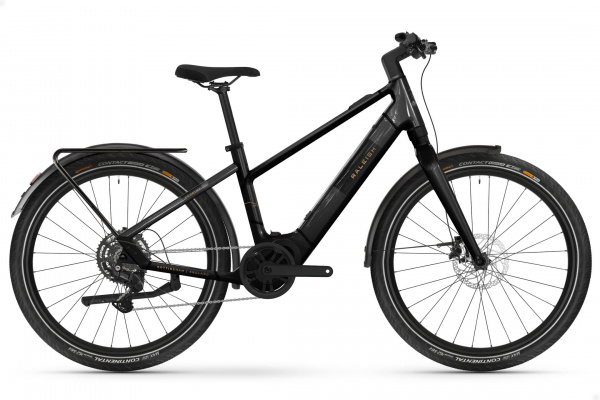
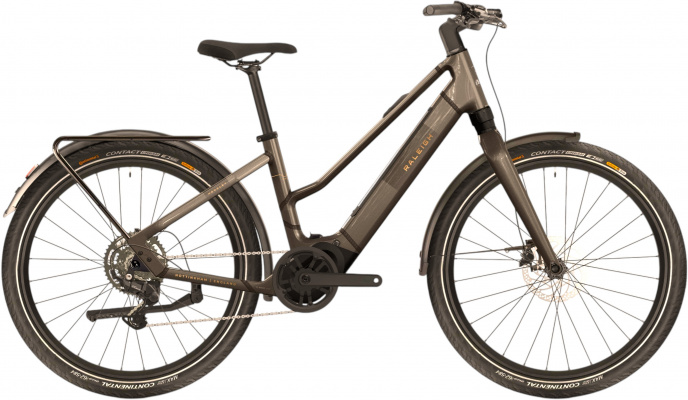
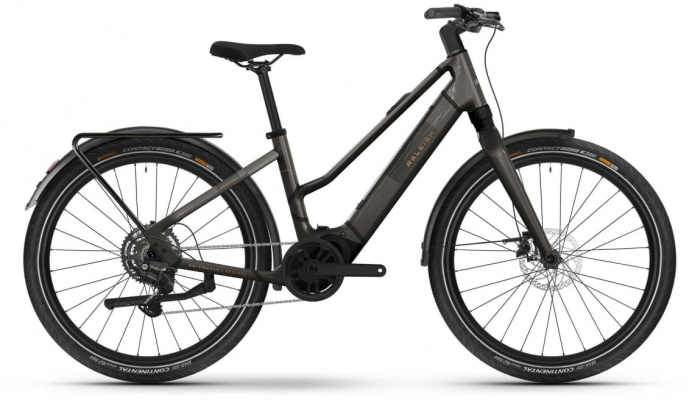
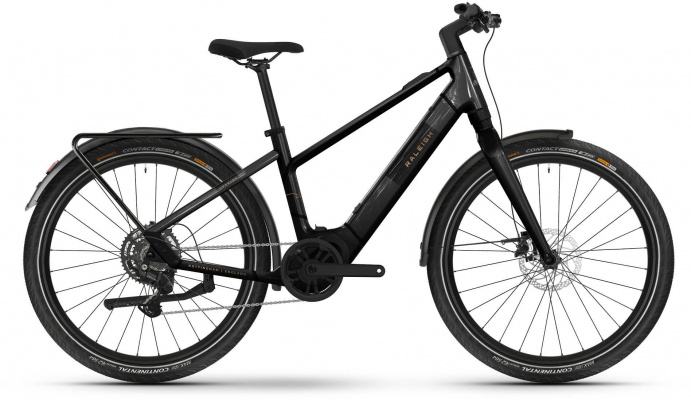
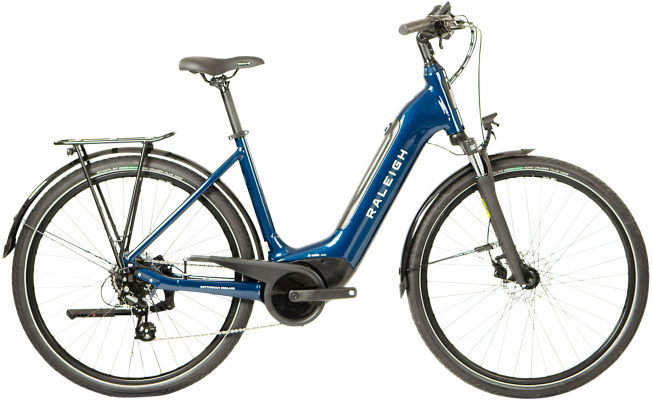
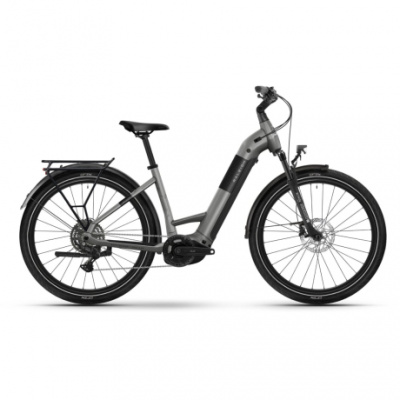
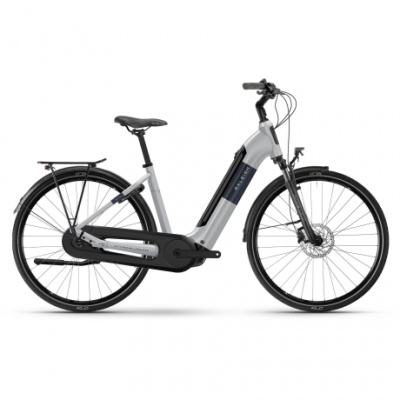
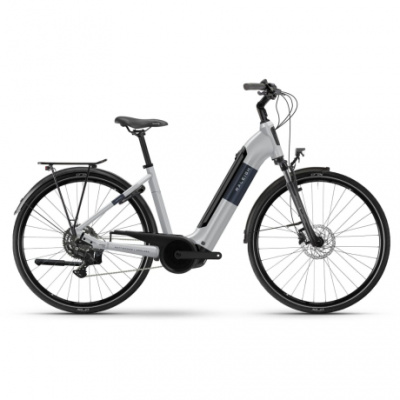
Raleigh e-bikes have quietly become one of the most sensible choices for UK riders who want reliable, fuss-free cycling - and the current lineup makes a strong case for why that reputation holds. Where some brands chase performance headlines, Raleigh focuses on practicality: upright geometries that don't punish your back on a forty-minute commute, integrated battery designs that look tidy rather than bolted-on, and pedal assist systems from Bosch and Yamaha that you can actually trust long-term. These aren't bikes trying to be something they're not. They're commuter e-bikes built around real British conditions - wet roads, hilly town centres, canal towpaths, and the kind of daily mileage that demands a motor you can forget about. The step-through frame options, in particular, make mounting and dismounting genuinely easier when you're loaded up with a pannier rack full of shopping or a laptop bag. Whether you're eyeing a versatile daily rider, a premium model with a fully hidden battery, or a compact folding e-bike for the train commute, there's a clear logic to how Raleigh has structured the range. We've mapped it all out below so you can cut straight to the right model.
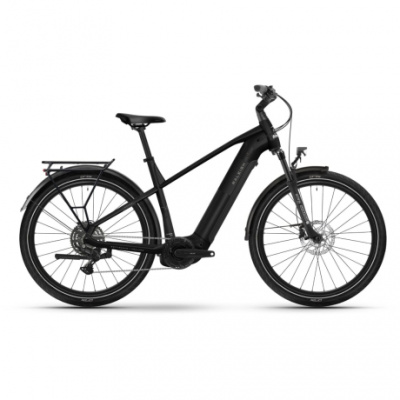
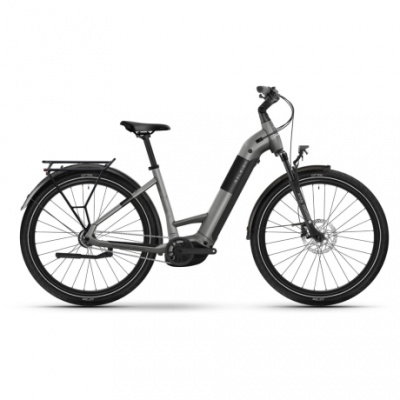
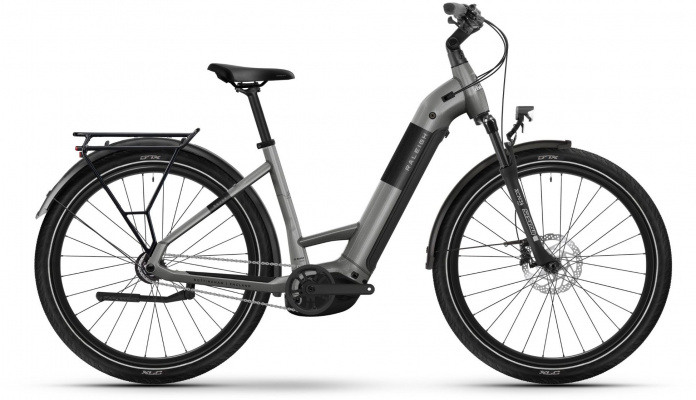
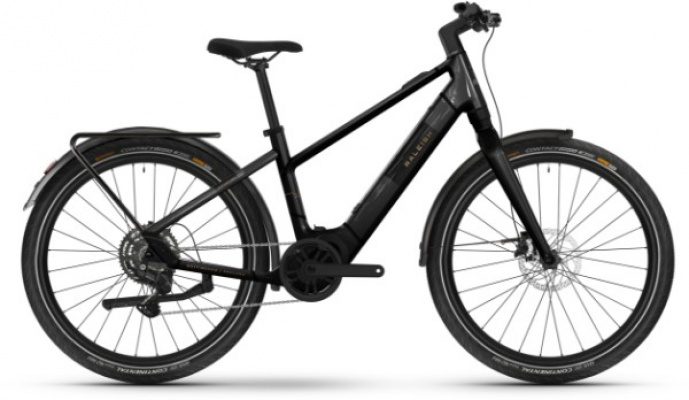
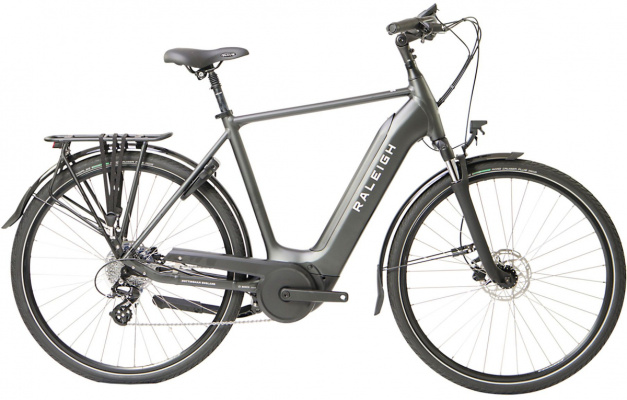
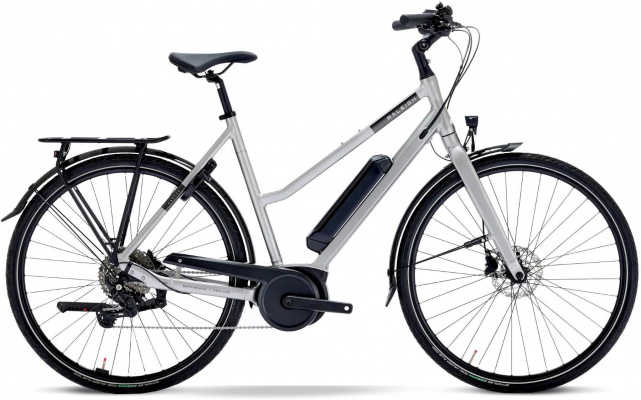
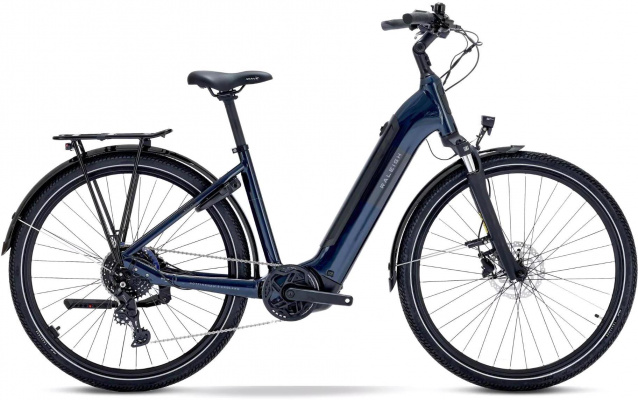
Prices and availability can change quickly. Delivery charges are not always included in listed prices.
Final price, stock status and delivery terms are set by retailer. We may receive a commission on purchases made.
Decoding the Raleigh E-Bike Lineup
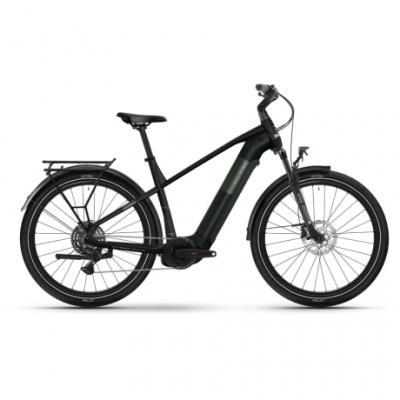
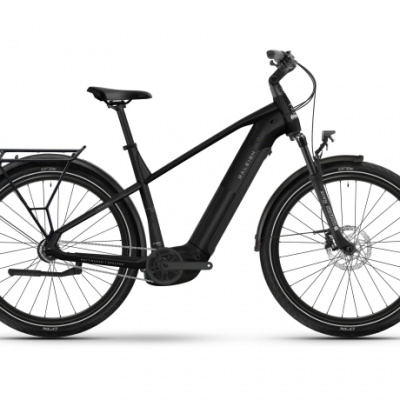
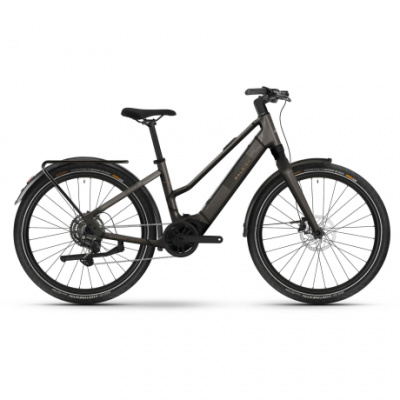
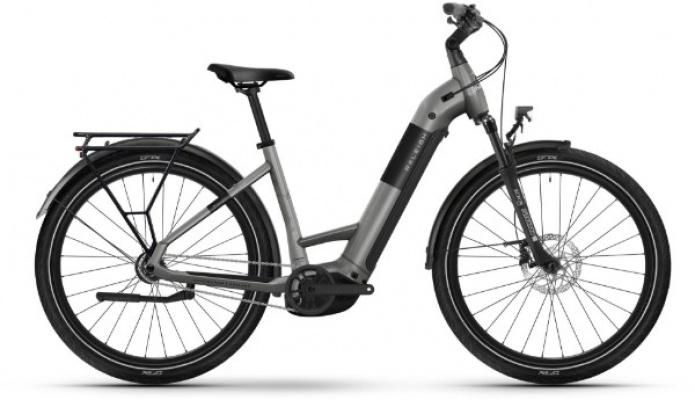
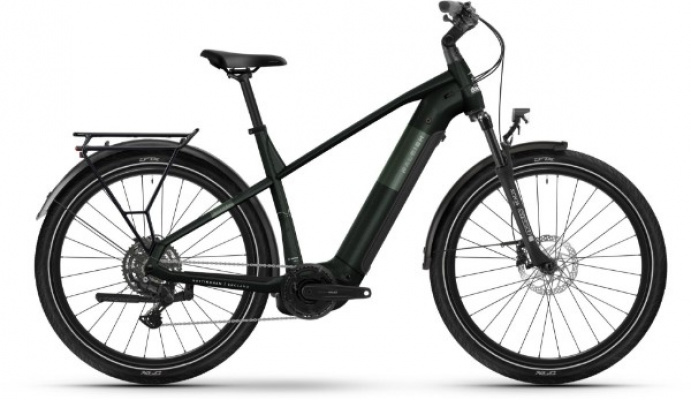
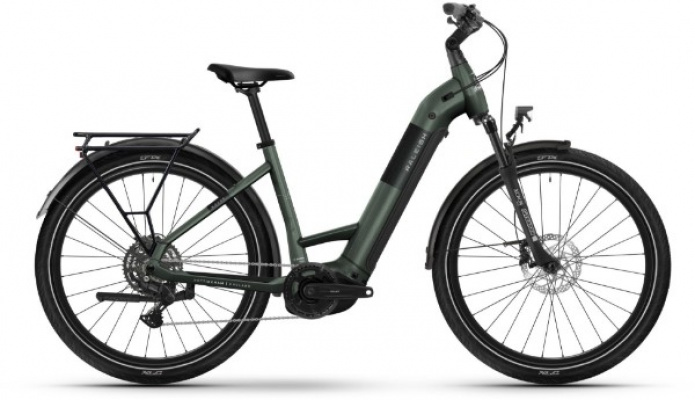
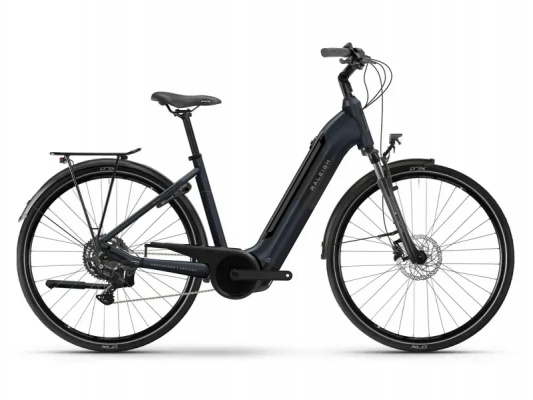
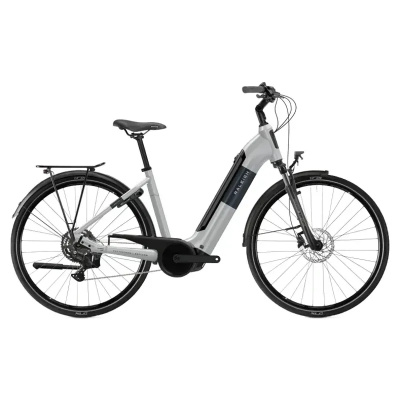
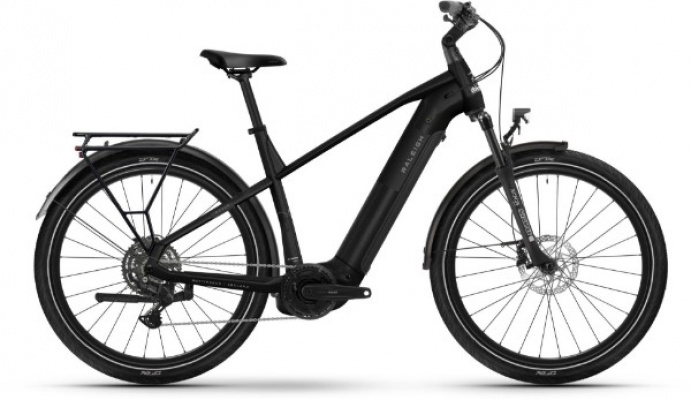
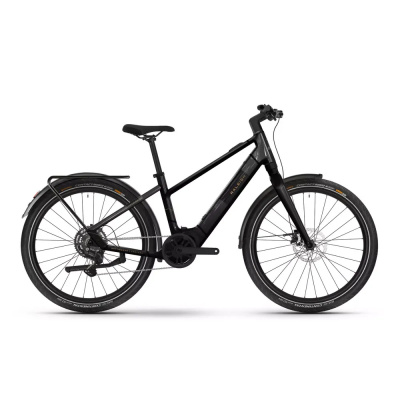
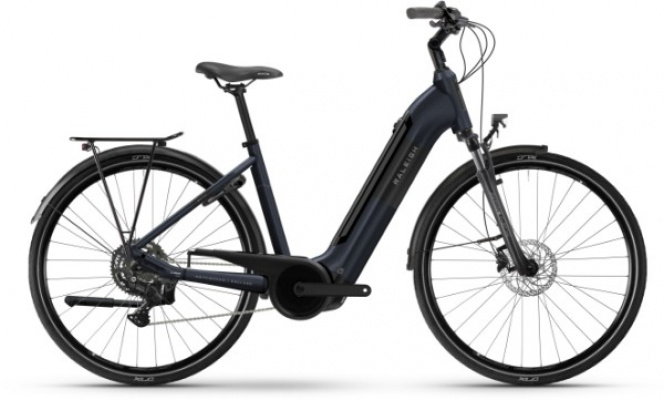
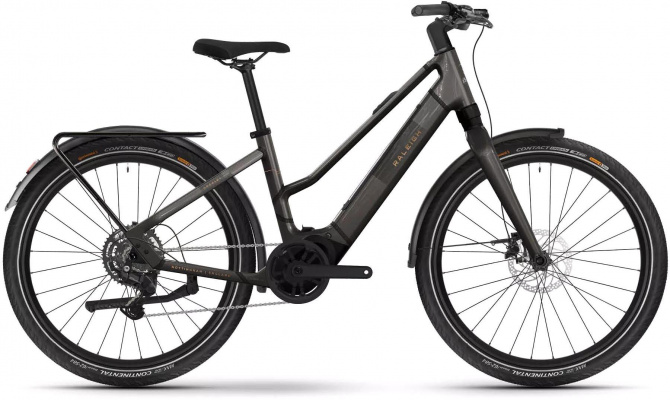
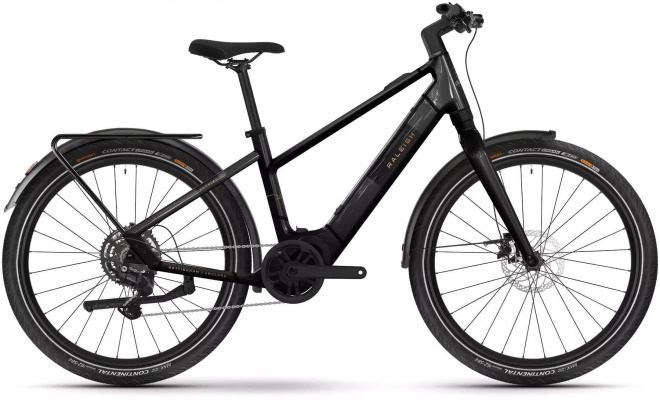
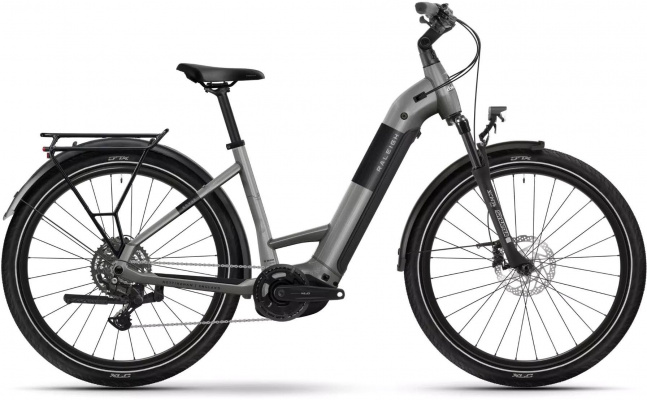
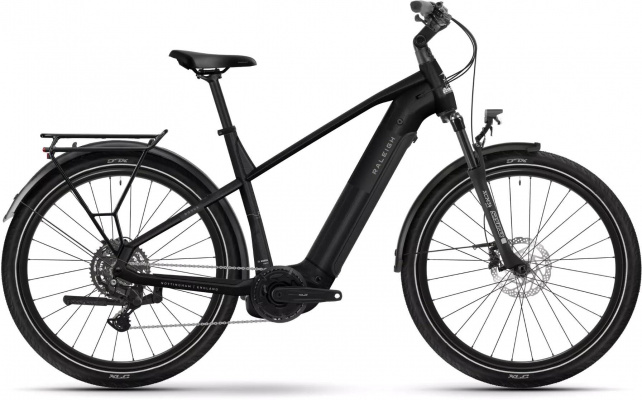
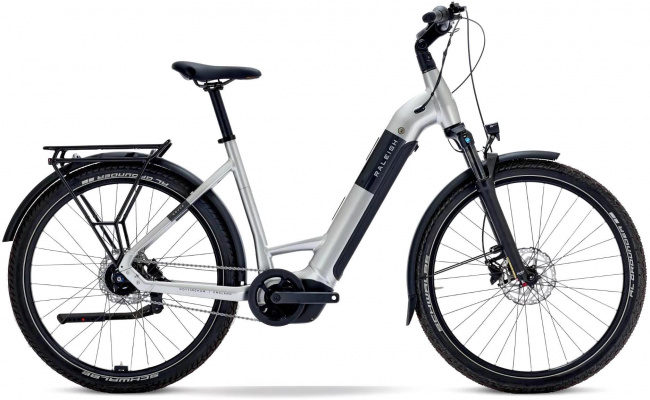
Raleigh organises its electric bikes into distinct families, and once you understand the pattern, picking the right one gets much simpler. The Motus sits at the heart of the range - a versatile, Bosch Active Line-powered commuter that handles everything from town hops to longer leisure rides without drama. It's the one most people end up on, and for good reason. Reliable, well-specced, and available in enough variants to suit most riders.
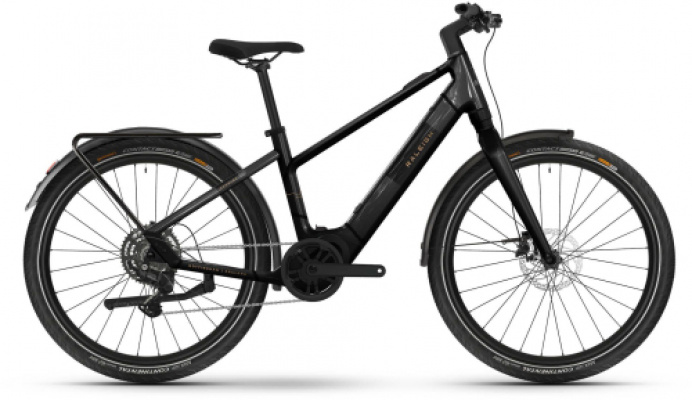
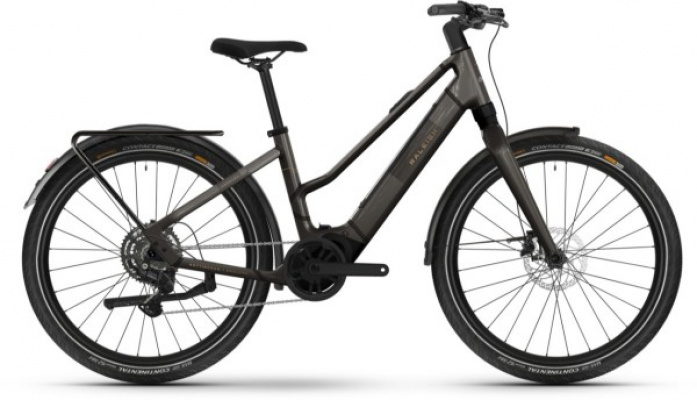
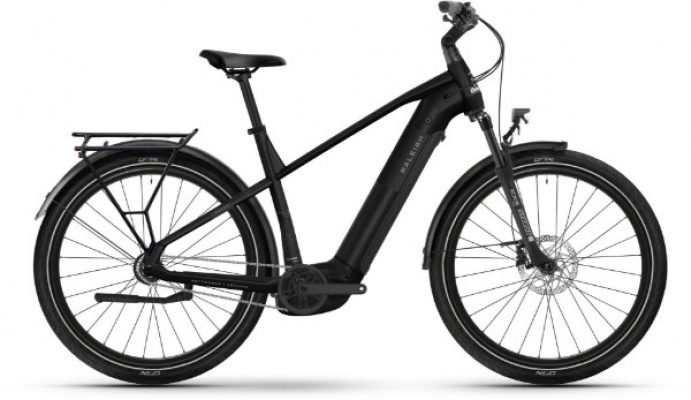
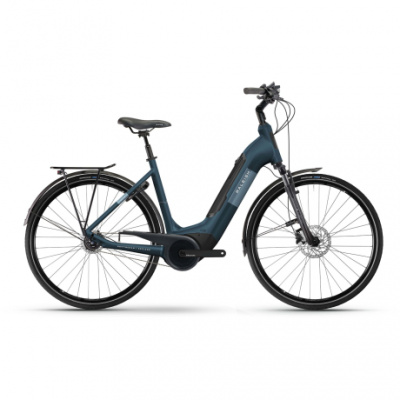
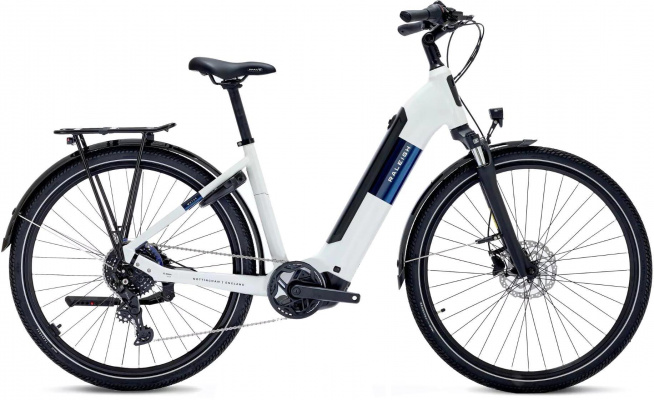
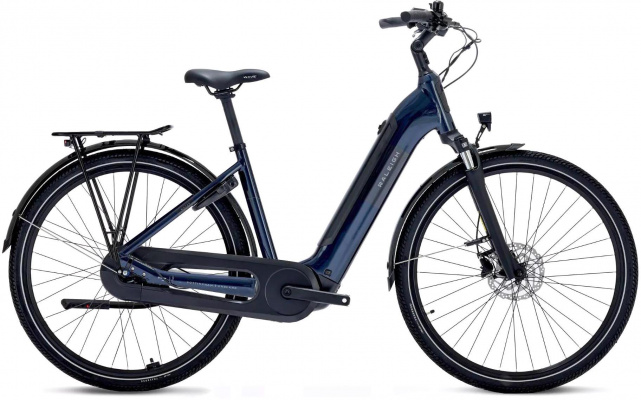
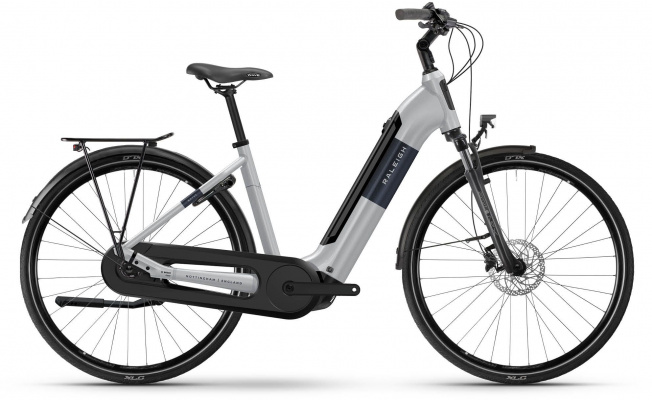
The Centros is the step up. What separates it from the Motus is the integrated hidden battery frame design - the cell disappears into the downtube so cleanly it barely reads as an e-bike at a glance. It runs a Bosch Performance Line motor, which means noticeably more punch climbing out of junctions or grinding up long urban inclines. If you're spending serious time in the saddle and want the bike to look as considered as it rides, the Centros earns its place at the top of the range.
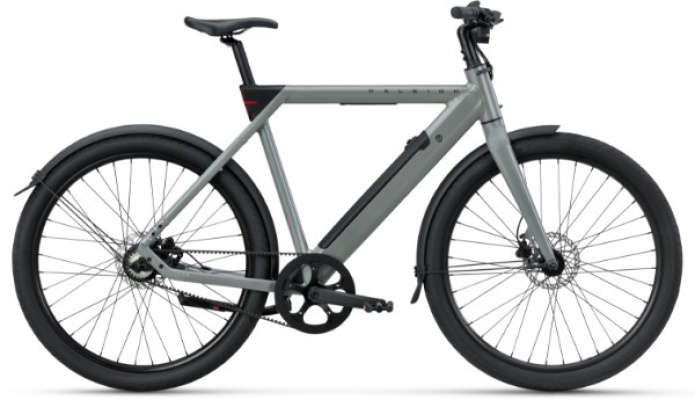
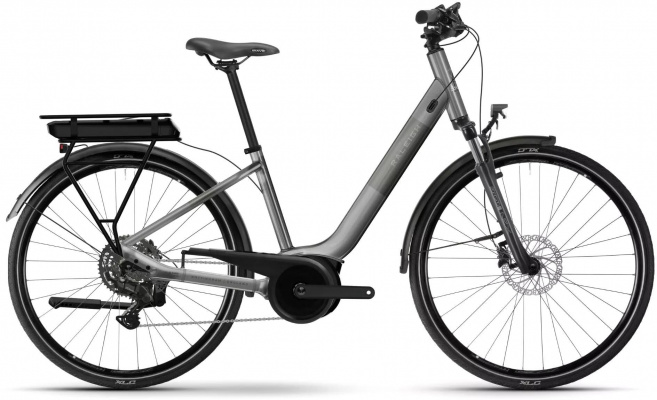
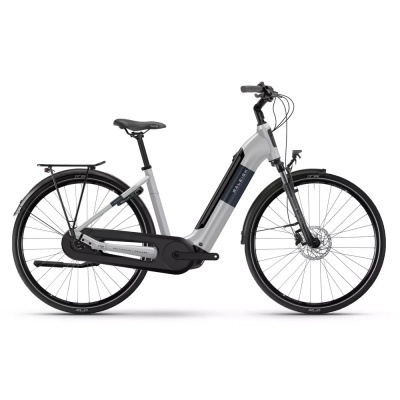
The Array sits at the entry point. It uses a hub motor rather than a mid-drive unit, which keeps the cost accessible and the maintenance straightforward - there are fewer moving parts to worry about. It suits riders who want pedal assist without complexity, particularly on flatter routes. Compared to something like a Carrera e-bike, the Array feels more considered in its component choices even at this price bracket, particularly around the mudguard integration.
Then there's the Stow-E-Way. A folding e-bike designed for the kind of mixed commute where the bike needs to fit under a desk or into a boot. It won't cover the ground as quickly as the full-size models, but that's the trade-off you accept for genuine portability. Worth comparing against Brompton electric bikes if folding compactness is the priority - Brompton folds smaller, Raleigh gives you more assist for the price.
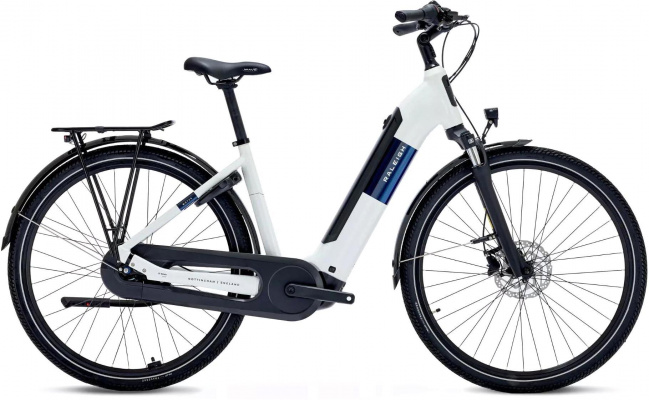
Across the range, trim levels follow a clear pattern. Standard models cover the basics. Tour variants add derailleur gearing and upgraded hydraulic brakes - worth the step if you're covering varied distances regularly. Grand Tour trims switch to hub gears, which means virtually zero maintenance on the drivetrain, paired with larger batteries for extended range. If you're doing daily commutes year-round and can't face a derailer adjustment in January, Grand Tour is the practical choice.
How Raleigh Builds Around Its Motors
Raleigh doesn't manufacture its own motors, and that's actually part of the appeal. By building frames specifically around Bosch eBike Systems - both the Active Line for lighter commuting duties and the Performance Line for more demanding use - they keep the centre of gravity low and the handling predictable. A mid-drive motor sitting low in the bottom bracket area behaves very differently to a heavy hub motor pulling from the rear wheel; the bike feels more balanced under load, especially with a full pannier rack.
The Bosch system integration also means you're buying into a well-supported ecosystem. Parts, servicing, and replacement components are available through a wide dealer network across the UK - not a minor point if you're relying on the bike daily. Yamaha-powered models in the range carry similar weight on that front; both manufacturers have earned their credibility in the e-bike market over years of real-world use, not just spec sheets.
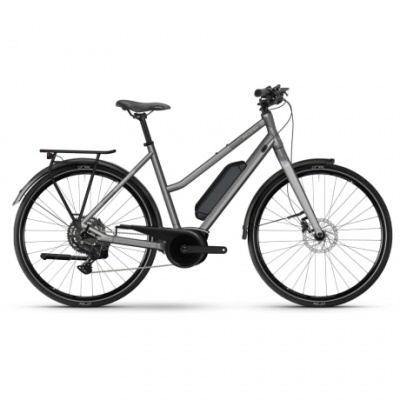
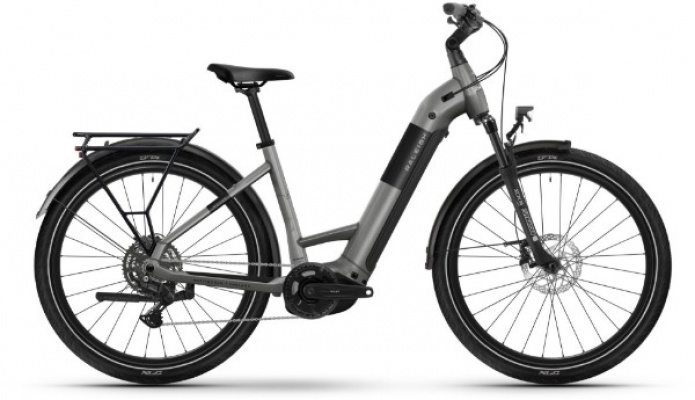
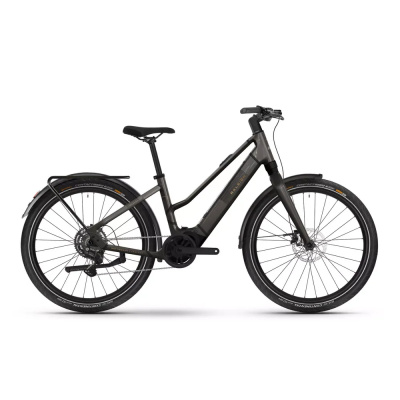
Raleigh's low-step and full step-through frame geometry deserves specific mention because it's not just a cosmetic choice. The lower standover height genuinely widens the range of riders who can use these bikes comfortably - shorter inseams, older riders, or anyone who finds swinging a leg over a high top tube an awkward start to the morning. The geometry keeps you upright enough for visibility in traffic without tipping into the kind of extreme sit-up position that kills efficiency on longer rides.
Need to replace or upgrade your Bosch Intuvia or Purion display screen? Head over to our dedicated E-Bike Displays page for compatible units and fitting guidance.
If you already ride Raleigh hybrid bikes and are considering the step to electric assist, the transition feels familiar - the geometry language is consistent across the ranges.
Living with a Raleigh E-Bike Through a British Winter
UK winters are hard on lithium-ion batteries. Cold temperatures - anything consistently below five degrees - reduce usable range noticeably, sometimes by fifteen to twenty percent on the worst mornings. The fix is simple: bring the battery indoors overnight. Both Bosch and Yamaha batteries detach from the frame on Raleigh models, so leaving it in a hallway or kitchen while the rest of the bike stays locked outside is standard practice. Don't leave it in a cold garage all night and then wonder why the range display looks pessimistic at 7am.
Beyond battery care, the pre-fitted utility kit on most Raleigh models is genuinely suited to year-round British use. Full-length mudguards come as standard across the commuter range - not afterthoughts, but properly integrated guards that actually keep road spray off you and the motor. The Bosch and Yamaha motor housings are sealed against rain and road water, so riding in heavy UK rain isn't a concern. What you should avoid is hosing the electrical connections down with a jet wash; a normal garden hose or a bucket and sponge is fine.
The pannier rack that comes fitted on Tour and Grand Tour models is worth factoring into your decision early. Heavy e-bikes - and most Raleigh models sit in the 22 - 26kg bracket - need a solid kickstand to park reliably. If yours didn't come with one, check our kickstands category for compatible options that handle the weight properly.
Towpath riding and rougher cycle routes also mean punctures are a genuine risk, particularly with the wider-volume tyres fitted to some models. Keep a puncture kit in the bag - tubeless-ready setups exist on some higher-end variants, but most Raleigh commuter models run tubed tyres. On that note, wet autumn commutes through leaf-covered paths are also the moment you'll appreciate having full mudguards already fitted rather than scrambling to add them later.
For riders comparing across brands, Cube e-bikes and Boardman e-bikes both use Bosch systems in a similar price bracket - Cube leans more sporting, Boardman more stripped-back. Raleigh's advantage is the depth of practical kit fitted from the factory and the breadth of accessible frame options.
Related searches:
Raleigh E-Bikes FAQs
Are Raleigh electric bikes any good?
Genuinely, yes. Raleigh e-bikes have a strong reputation for reliability and day-to-day practicality, particularly for commuting and leisure use. The Bosch and Yamaha motor systems they use are among the most proven in the industry, with solid dealer support across the UK. They're not the lightest or most performance-focused bikes out there, but for consistent, low-drama riding they're hard to fault.
How long does a Raleigh e-bike battery last?
On a single charge, expect roughly 30 to 80 miles depending on battery size (400Wh versus 500Wh are the common options), the assist level you're using, and your weight. Stick to Eco mode on flat routes and you'll see the higher end of that range. The battery itself should retain good capacity for three to five years under normal use before you notice meaningful degradation.
Are Raleigh e-bikes waterproof enough for UK weather?
Yes, they handle British rain without issues. The Bosch and Yamaha motors and battery connections are sealed to a standard that covers heavy rain and road splash comfortably. The one thing to avoid is using a high-pressure jet wash directly on the electrical connections or motor housing - rinse with a low-pressure hose or a cloth instead and everything holds up fine long-term.