
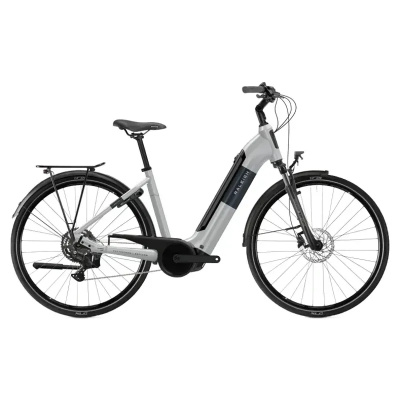
Raleigh Motus
Comfortable, practical electric hybrid that turns your commute into a tailwind-assisted glide without the faff.
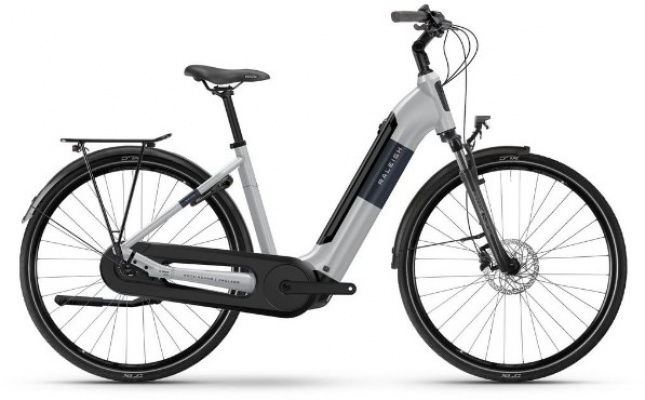
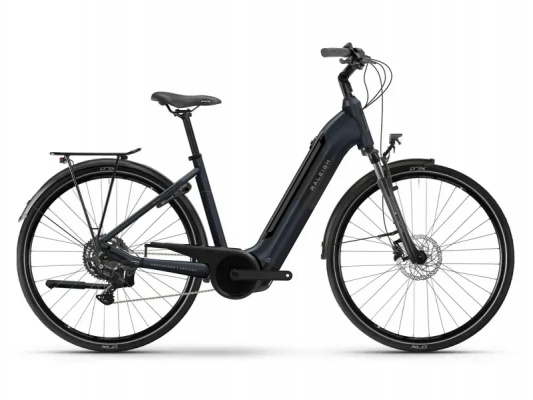
- Bosch Active Line motor: smooth, quiet daily assist
- Upright position: visibility and all-day comfort
- Integrated lights, rack, mudguards: ready to ride
- Hydraulic disc brakes: confident wet-weather stopping
- Choice of hub or derailleur gears
- Step-through or crossbar frame options
Raleigh Motus Deals
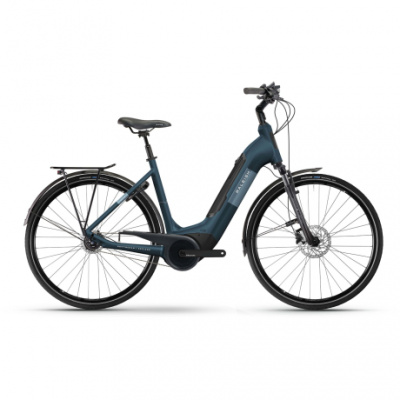
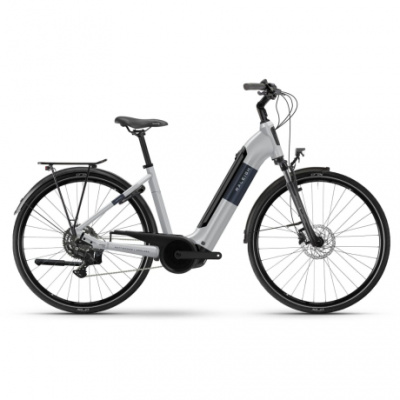
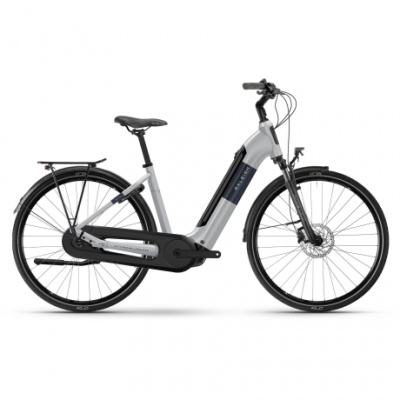

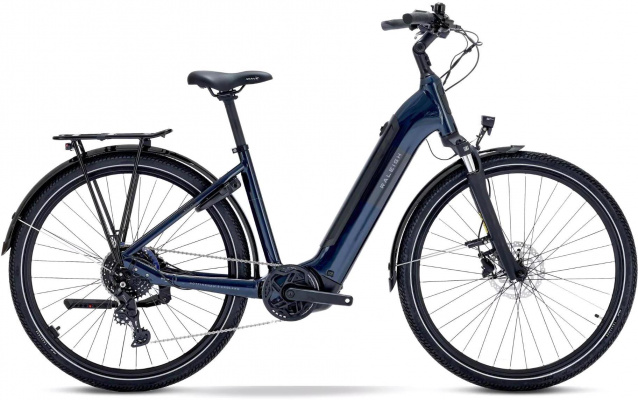
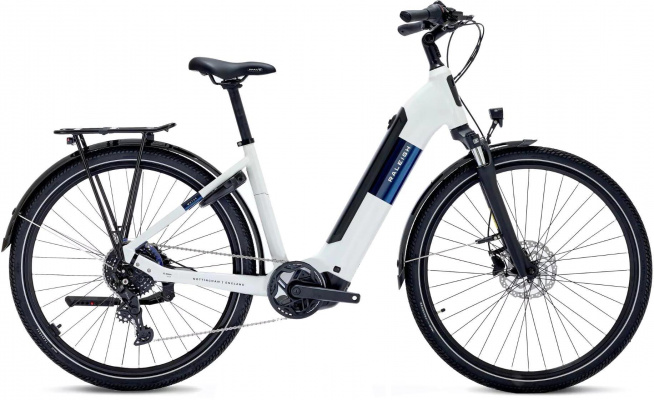
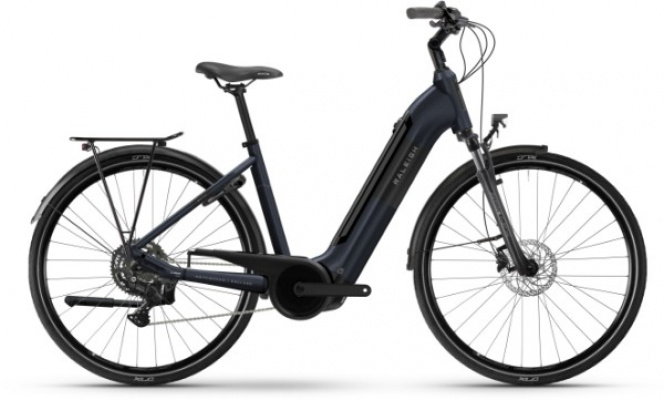
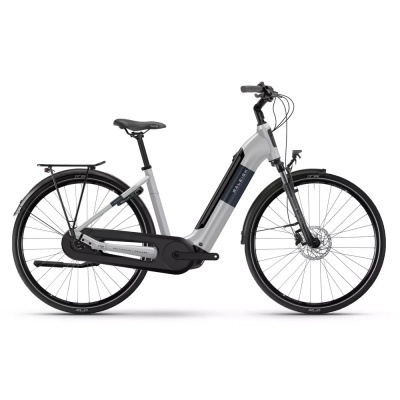
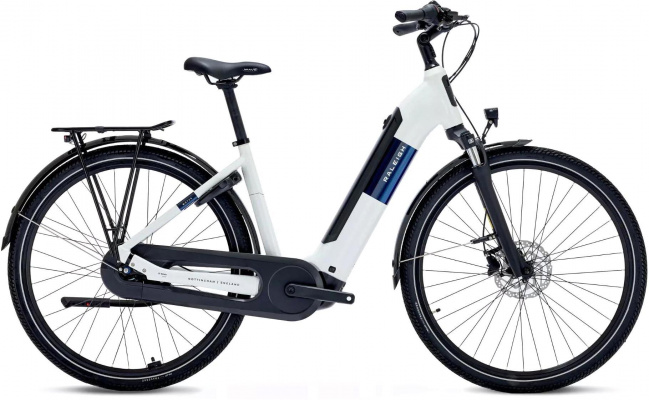
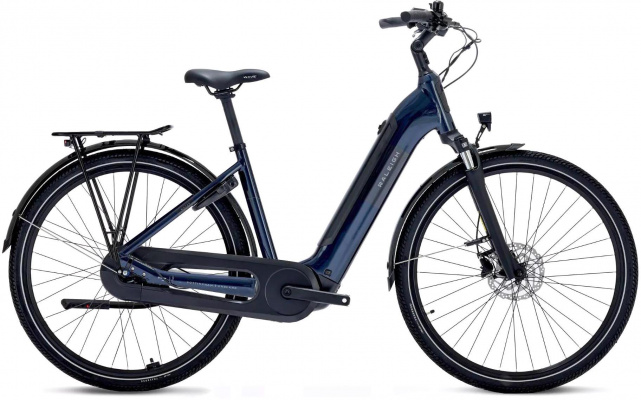
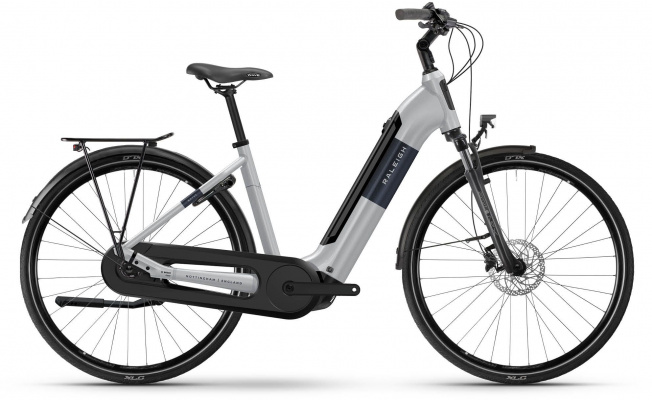
Prices and availability can change quickly. Delivery charges are not always included in listed prices.
Final price, stock status and delivery terms are set by retailer. We may receive a commission on purchases made.
Bikesy's Verdict
The Raleigh Motus is the e-bike equivalent of a well-made tool: it does the job it's designed for without fuss, drama, or unnecessary complexity. You sit upright, the Bosch motor hums quietly, and the miles roll past with far less effort than they used to. It's not trying to be sporty or flashy - it's trying to make your commute, your shopping run, or your weekend ride genuinely enjoyable, and it succeeds.
If you want a dependable, comfortable electric hybrid that arrives ready to ride in all weathers, carries your gear without complaint, and doesn't demand constant maintenance, the Motus is hard to fault. It's heavier than you'd like when unpowered and won't keep pace with performance-oriented e-bikes on steep climbs, but those are reasonable trade-offs for a bike that prioritises practicality and comfort over speed. For riders who want to cycle more without the sweat, the Motus is a smart, sensible choice.
Pros
- Comfortable upright position with excellent visibility in traffic
- Bosch motor and battery: smooth, quiet, and dependable
- Well-equipped from the box - lights, rack, mudguards, often a frame lock
- Hydraulic disc brakes offer strong, consistent stopping power
- Choice of step-through or crossbar frames, hub or derailleur gears
Cons
- Heavy (22 - 28 kg) when unpowered, making it awkward to lift or ride without assist
- Not suited to steep hills without significant rider effort, despite motor assist
- Stable rather than nimble - lacks the agility for sporty or technical riding
About the Raleigh Motus
The Motus isn't trying to win you over with flashy carbon or race-bred geometry. Instead, it offers something more valuable for thousands of riders: a dependable, comfortable electric hybrid that just works, day after day. Built around Bosch's proven Active Line motor and PowerTube battery, the Motus delivers smooth, quiet assistance that feels less like a shove and more like a persistent tailwind nudging you along. You sit upright, you see traffic, and you arrive without the sweat-soaked shirt that used to define your morning commute.
Raleigh's approach here is refreshingly honest. The aluminium frame is clean and practical, with internal cable routing and mounts for everything you actually need - full-length mudguards, a sturdy rear rack, integrated lights, even a frame lock on some models. You're not paying for gimmicks; you're getting a bike that's ready to carry shopping, handle wet roads, and slot into your daily routine without demanding constant fettling. The choice between step-through and traditional crossbar frames broadens the appeal, and the option of low-maintenance Shimano Nexus hub gears or more familiar derailleur setups means you can match the bike to your tolerance for chain care.
What the Motus does brilliantly is remove the friction from everyday cycling. The motor's assistance levels - from Eco through to Turbo - are intuitive, and the hydraulic disc brakes offer reassuring stopping power in all weathers. It's heavier than an acoustic bike, naturally, but when the motor's humming you won't notice, and when it's not you'll simply ride it like any other hybrid, albeit one that rewards you with a bit more effort. This is a bike for people who want to cycle more, not train harder.
Raleigh Motus geometry
The Motus geometry is all about comfort and control at sensible speeds. You sit tall, with a swept-back handlebar and an adjustable stem that lets you fine-tune your reach without needing a spanner collection. The upright posture opens your chest, eases pressure on your wrists, and gives you a commanding view of the road ahead - crucial when you're filtering through city traffic or scanning for potholes on a damp morning.
The frame's relaxed angles and longer wheelbase deliver stable, predictable handling. You won't carve tight switchbacks or flick through technical singletrack, but that's not the brief. Instead, you get a planted, confidence-inspiring ride that tracks straight in ruts, holds a line when you're one-handed signalling, and doesn't punish you for carrying a pannier full of groceries. The suspension fork - typically an RST Volant with 50 mm of travel - takes the sting out of kerb drops and broken tarmac, while a suspension seatpost adds another layer of cushioning. It's not plush, but it's enough to keep fatigue at bay over longer distances.
Frame sizes span from 41 cm to 57 cm, covering a wide range of rider heights, and the step-through option makes mounting and dismounting effortless if you're wearing work clothes or dealing with mobility considerations. The geometry isn't about chasing speed; it's about making every ride feel manageable, even when you're tired, laden, or facing a headwind.
Component choices & upgrades
The stock build on the Motus is already well sorted for its intended use. Bosch's Active Line motor is reliable and whisper-quiet, and the PowerTube battery integrates neatly into the frame, offering enough range for most daily commutes and weekend jaunts. Shimano Altus or Alivio derailleurs handle shifting duties on most models, while the Nexus hub gear option trades a bit of range for near-zero maintenance - ideal if you ride in all weathers and can't be bothered with regular chain cleaning.
Hydraulic disc brakes - usually Shimano MT200 or Tektro T285 - provide strong, consistent stopping power with minimal lever effort, and the 160 mm rotors are adequate for the bike's weight and typical speeds. The tyres, often around 42 - 50 mm wide, strike a balance between rolling efficiency and comfort, with reflective sidewalls and puncture protection built in. If you're riding rougher surfaces regularly, swapping to a more robust tyre with deeper tread can improve grip and durability without compromising the ride feel.
Upgrades are rarely necessary unless your riding evolves. If you find yourself tackling steeper hills more often, consider the Active Line Plus motor on higher-spec models - it offers a bit more torque for sustained climbs. A Brooks or Selle Royal saddle swap might suit riders logging longer distances, and ergonomic grips can further reduce hand fatigue. The beauty of the Motus, though, is that it arrives ready to ride; you're not forced into a component upgrade spiral just to make it functional.
Where the Raleigh Motus excels
The Motus is outstanding at daily commuting and leisure riding on tarmac, cycle paths, and well-maintained towpaths. If your typical ride involves navigating city streets, carrying a bag or two, and arriving fresh enough to start your day, this bike delivers exactly that. The electric assist smooths out hills that used to make you dread certain routes, and the upright position keeps you visible and comfortable in traffic. It's also excellent for riders returning to cycling after a break, or those who want to extend their range without the fitness demands of an acoustic bike.
It handles light touring well, too - load up the rear rack, fit some panniers, and you've got a capable machine for weekend trips on quiet roads and canal paths. The suspension fork and seatpost absorb enough vibration to keep you comfortable over longer distances, and the Bosch battery's range means you won't be hunting for charging points every 20 miles.
Where the Motus isn't ideal is anything sporty or technical. It's not designed for aggressive cornering, fast group rides with performance-oriented cyclists, or off-road trails beyond gentle gravel byways. The weight - typically 22 - 28 kg - makes it cumbersome to lift or manoeuvre without power, and while the motor helps on climbs, properly steep gradients will still demand significant rider input. If you're chasing KOMs or want a nimble, flickable ride, look elsewhere. But if you want a dependable workhorse that makes cycling accessible, practical, and genuinely enjoyable for everyday life, the Motus hits the mark.
Raleigh Motus FAQs
What is the range of the Raleigh Motus electric bike?
Range depends on battery size, assistance level, terrain, and rider input, but you can typically expect 40 - 80 miles from a full charge. Eco mode stretches the battery furthest, while Turbo drains it faster but flattens hills with ease. Real-world commuting usually sits comfortably in the middle of that range.
Is the Raleigh Motus heavy to ride without electric assist?
Yes, it's noticeably heavier than an acoustic hybrid - typically 22 - 28 kg - so riding it unpowered feels sluggish, especially uphill. The motor makes the weight disappear when it's on, but if the battery dies mid-ride, you'll be working harder than you'd like. Keep it charged and you won't have an issue.
What are the differences between the Raleigh Motus Tour and Motus Grand Tour?
The Grand Tour typically features a larger battery (offering more range), the more powerful Active Line Plus motor, and higher-spec components like better gears and finishing kit. The Tour sits in the middle of the range, balancing performance and price, while the base Motus offers the essentials at a lower cost.
Can I fit panniers to my Raleigh Motus?
Absolutely. The Motus comes with a sturdy rear rack as standard, and it's designed to carry panniers without fuss. The frame geometry and stable handling mean it copes well with a loaded rack, making it a practical choice for shopping runs or light touring.
What type of motor does the Raleigh Motus use?
The Motus uses Bosch's mid-drive motors - either the Active Line or the slightly more powerful Active Line Plus. Both are known for smooth, quiet assistance and excellent reliability. The mid-drive position keeps the weight low and central, improving handling compared to hub motors.
How long does the battery on a Raleigh Motus last?
Bosch batteries are built to last several years and hundreds of charge cycles before capacity noticeably degrades. With typical use, you're looking at 500 - 1,000 full charge cycles, which translates to several years of daily commuting. Charging takes around 4.5 - 7 hours depending on the battery size and charger.
Is the Raleigh Motus good for hilly areas?
It handles moderate hills well, especially with the Active Line Plus motor, but very steep gradients will still require significant rider effort due to the bike's weight and relaxed gearing. If your commute involves sustained climbs, it'll get you there, but you'll be working harder than on a lighter, sportier e-bike.
What is the warranty on a Raleigh Motus e-bike?
Raleigh typically offers a two-year warranty on the frame and components, with Bosch covering the motor and battery separately under their own warranty terms. Check with your retailer for specific details, as warranty coverage can vary by region and purchase date.
Key Features & Benefits
- Bosch Active Line motor with PowerTube battery: Smooth, quiet assistance that feels natural, with enough range for daily commutes and weekend rides without constant charging
- Upright riding position with adjustable stem: Reduces strain on wrists and back, improves visibility in traffic, and keeps you comfortable over longer distances
- Integrated lights, rack, mudguards, and frame lock: Ready to ride in all weathers and carry cargo without needing aftermarket accessories or extra spend
- Hydraulic disc brakes with 160 mm rotors: Confident, controlled stopping power in wet conditions with less hand effort than cable brakes
- Choice of Shimano Nexus hub gears or derailleur setup: Match the bike to your maintenance tolerance - hub gears for low faff, derailleurs for familiar shifting and wider range
Raleigh Motus 2022 and earlier differences
The 2022 model year brought a significant redesign to the Motus range, introducing the in-frame Bosch PowerTube battery on Tour and Grand Tour models for a cleaner, more integrated look. The frame itself was overhauled with a new oversized aluminium design, and the range expanded to five models starting at £2,199. Base models used the Bosch Purion display, while Tour and Grand Tour variants featured the more feature-rich Intuvia display.
Earlier models, including the 2018 launch, featured external PowerPack batteries mounted on the downtube, slightly different frame profiles, and a narrower three-bike range (Motus, Motus Tour, Motus Grand Tour). Battery sizes varied - 300 Wh and 400 Wh options were common - and some older models used Suntour Nex forks with 63 mm of travel instead of the later RST Volant with 50 mm. Component specs also shifted year to year, with minor changes to gearing, brake models, and finishing kit, but the core philosophy - comfortable, practical, Bosch-powered hybrid - remained consistent throughout.
Alternatives to Consider
Within Raleigh's own stable, the Motus Tour steps up with a larger battery and the Active Line Plus motor for riders who need more range or tackle hillier commutes, while the base Motus strips back to the essentials if budget is tighter and your rides are shorter. Both share the same comfortable geometry and practical build, so the choice hinges on how much assistance and range you need.
Cross-brand, the Trek Verve+ 2 Lowstep offers a similar upright, comfort-first approach with Bosch power and integrated accessories, though it tends to lean slightly more towards leisure riding than pure commuting. The Specialized Turbo Como 3.0 brings a smoother, more refined ride feel with its own mid-drive motor, but you'll pay a bit more for the Specialized badge and slightly plusher components. If you prefer a sportier edge without losing practicality, the Cube Touring Hybrid One 500 delivers a more dynamic ride with Bosch power and a geometry that's a touch more forward-leaning, making it better for faster-paced rides. For riders who want maximum low-maintenance simplicity, the Gazelle Medeo T9 HMB pairs a Bosch motor with a belt drive and hub gears, eliminating chain care entirely - though it's a step up in price. Finally, the Cannondale Adventure Neo 3 offers a lighter, more agile feel with a rear hub motor, trading some of the Motus's mid-drive refinement for easier handling when unpowered.
Reviews
Comfort defines the Motus experience. That upright posture and swept-back bar let you ride for hours without the wrist ache or hunched shoulders that plague sportier setups, and the suspension fork soaks up kerb edges and cracked tarmac without fuss. Bosch's Active Line motor hums along quietly, delivering assistance that feels intuitive rather than intrusive - you pedal, it helps, and the transition between power levels is seamless enough that you stop thinking about it.
Hydraulic disc brakes inspire confidence, especially in the wet. Modulation is smooth, and stopping power is strong without being grabby, which matters when you're navigating stop-start city traffic or descending a damp hill with a loaded rack. The bike tracks straight and stable, even one-handed, and the longer wheelbase means it doesn't get unsettled by potholes or sudden weight shifts.
Weight becomes the trade-off. At 22 - 28 kg, the Motus feels reassuringly planted when powered, but lift it onto a train rack or ride it with a flat battery and you'll notice every kilogram. Steep climbs demand more rider input than you might expect from an e-bike, particularly if you're on the base Active Line motor rather than the Plus. It's not a bike that flatters aggressive riding - corners are taken with deliberation, not flair - but that's not the point. When your goal is arriving fresh, carrying shopping, and riding in all weathers without drama, the Motus delivers exactly that. Practical, dependable, and genuinely comfortable, it's a workhorse that makes cycling accessible rather than aspirational.
Full Specification
| Spec | Value |
|---|---|
| Frame Material | Aluminium 6061 |
| Frame Design | Upright; available in crossbar and low-step styles |
| Frame Features | Internal cable routing; mounts for mudguards, rear pannier rack, kickstand; integrated frame lock on some models |
| Available Sizes | 41cm, 46cm, 51cm, 53cm, 56cm, 57cm |
| Tyre Clearance | 700c x 42 - 50mm |
| Fork | RST Volant with 50mm travel |
| Drivetrain | 7-speed, 8-speed, or 9-speed options |
| Shifters | Shimano Revoshift (hub gear); Shimano Altus or Alivio RapidFire (derailleur) |
| Rear Derailleur | Shimano Altus or Alivio (derailleur models); Shimano Nexus 8-speed (hub gear models) |
| Crankset | Raleigh Alloy Bosch; 38T chainring; 170mm arm length |
| Cassette | 11 - 36T or 11 - 34T (derailleur); Shimano Nexus 8-speed (hub gear) |
| Chain | KMC x9 (9-speed) or KMC e1 (single-speed) |
| Brakes | Hydraulic disc |
| Brake Calipers | Shimano MT200 or Tektro T285 |
| Rotors | 160mm |
| Rims | 700c double-wall; 36-spoke |
| Hubs | Alloy disc (Quick Release); Shimano Nexus (hub gear models) |
| Spokes | 36 |
| Tyres | 700c x 42 - 50mm; examples include Mitas Flash, CST Palm Bay E, Schwalbe Road Cruiser Plus; reflective sidewalls; puncture protection |
| Handlebar | Aluminium comfort; 640mm wide; swept-back design |
| Stem | Aluminium adjustable; 85mm or 90mm |
| Grips | Comfort grips; ergonomic |
| Seatpost | Suspension seatpost |
| Saddle | Selle Royal; medical-grade gel on some models |
| Pedals | Comfort pedals with anti-slip features |
| Motor | Bosch Active Line or Active Line Plus; mid-drive |
| Battery | Bosch PowerPack or PowerTube; in-frame integration on Tour and Grand Tour models |
| Display | Bosch Purion (base model); Bosch Intuvia (Tour and Grand Tour) |
| Assist Levels | Eco, Tour, Sport, Turbo |
| Assist Limit | 25 km/h (15.5 mph) |
| Mounts | Mudguard mounts; pannier rack mounts; kickstand mount; integrated lights; integrated wheel lock |
| Weight (Approx) | 22 - 28 kg |