
Race Face Pedals
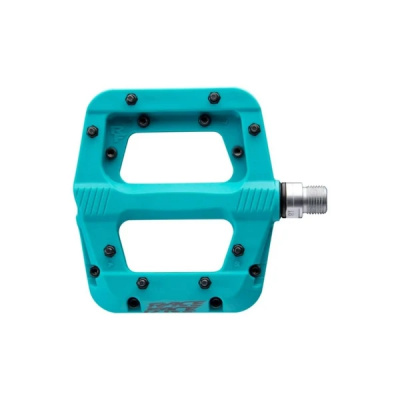
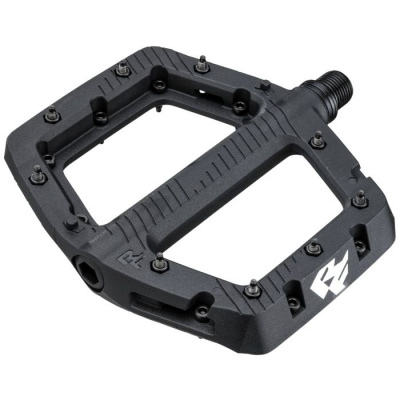
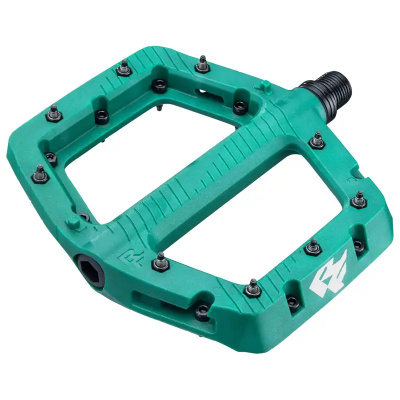
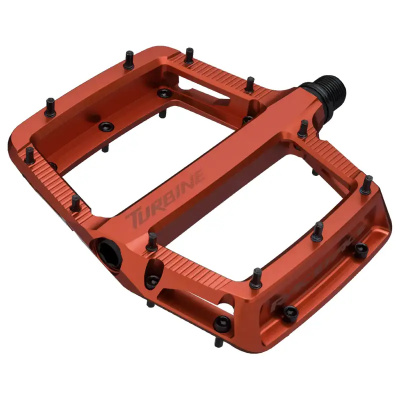
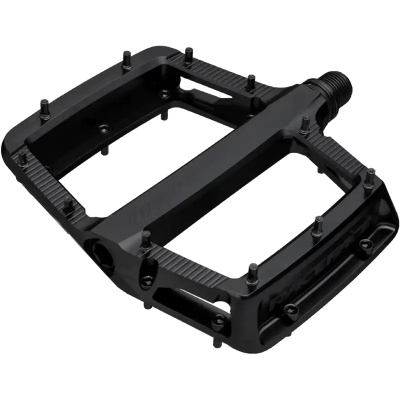
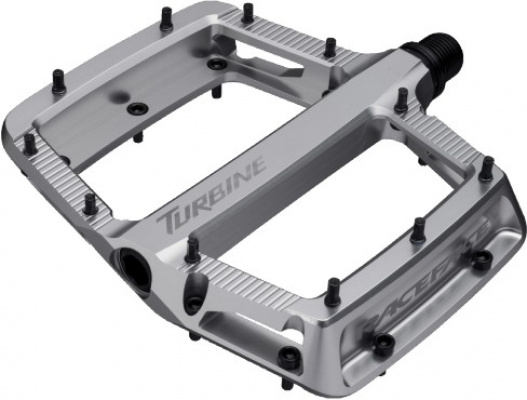
Race Face pedals have earned a reputation on UK trails that most brands spend decades chasing - grippy, tough, and designed to take a proper beating. From the nylon composite Chester to the ultra-thin alloy Atlas, the range covers everyone from weekend trail riders to full-send enduro racers looking for a platform that stays planted when the rock gardens get rough and the roots get slick.
The foundations are solid across the board. Chromoly axles resist the flex and fatigue that cheaper spindles develop over a wet Welsh winter, while fully sealed cartridge bearings paired with DU bushings mean grit and grinding paste from a day in the Peak District won't turn your pedals into a creaking liability by spring. Bottom-loading traction pins are another sensible touch - rock strikes hit the top of the pin, not the thread, so you're not chasing stripped sockets mid-season.
Whether you're riding downhill, enduro, or trail, there's a Race Face platform that fits the brief. Compare UK prices across the full range below and find the right model for how you ride.
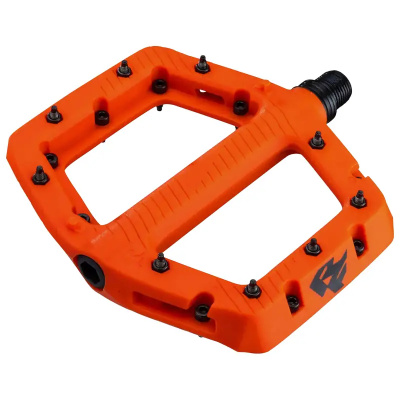
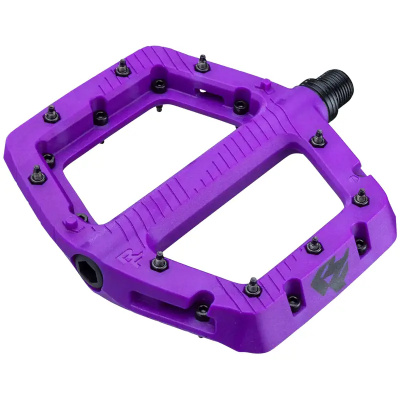
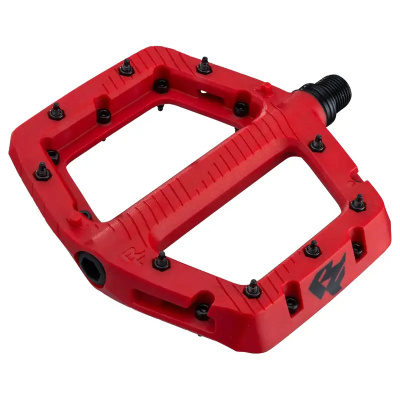
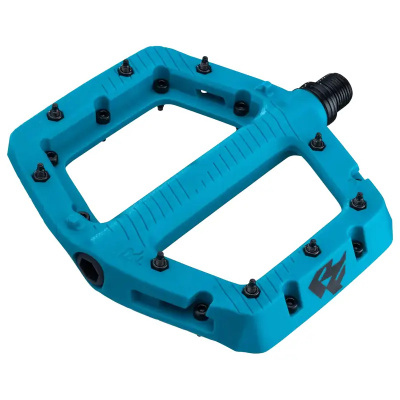
Prices and availability can change quickly. Delivery charges are not always included in listed prices.
Final price, stock status and delivery terms are set by retailer. We may receive a commission on purchases made.
Compatibility, Thread Standards, and Getting the Setup Right
Every Race Face flat pedal uses a standard 9/16 inch thread pitch, which fits virtually all modern adult cranks - aluminium, steel, or carbon. That said, if you're running carbon cranks or have a crank boot fitted for protection, use a pedal washer. Carbon fibres don't forgive a spinning pedal face, and even a brief over-tightening episode can leave you with a gouged crank arm that no amount of touch-up paint fixes convincingly. A washer costs pennies; a new crank arm doesn't.
Platform size matters more than people admit. The Atlas runs a larger footprint and suits riders with bigger feet or those who want maximum shoe contact - size 10 and above tends to feel more confident on that wider body. The Chester and Aeffect sit in a more standard size bracket that works well across a wider range of shoe sizes without feeling like you're balancing on dinner plates. Q-factor - the lateral distance between your pedal faces - stays consistent across the range, so switching models won't upset your knee tracking if you've dialled your position on a previous set.
If you're pairing pedals with new Race Face cranks, the thread engagement depth is identical across both threaded and press-fit bottom bracket standards, so installation is straightforward either way. Grease the threads before fitting, torque to around 35Nm, and check them after the first couple of rides - they bed in slightly.
Chester, Aeffect, and Atlas: What the Money Actually Buys You
Race Face structures the flat pedal range in three clear tiers, and the differences are genuine rather than cosmetic.
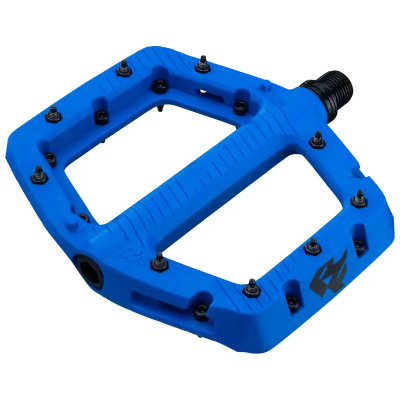
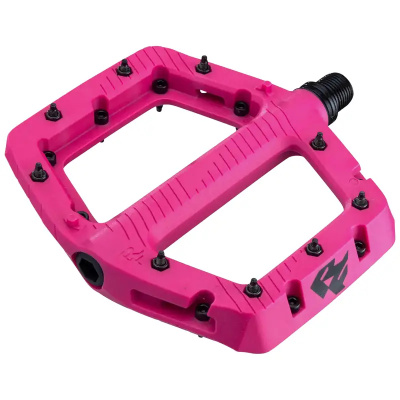
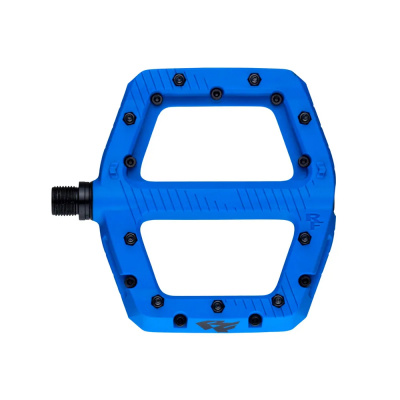
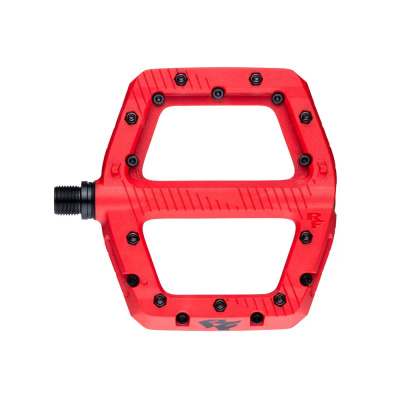
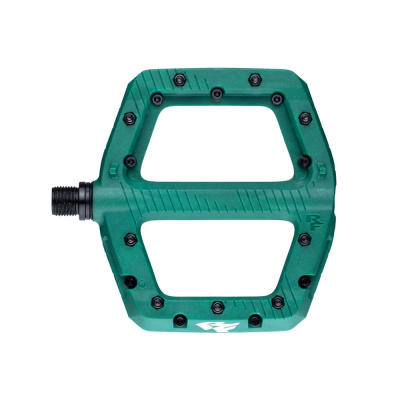
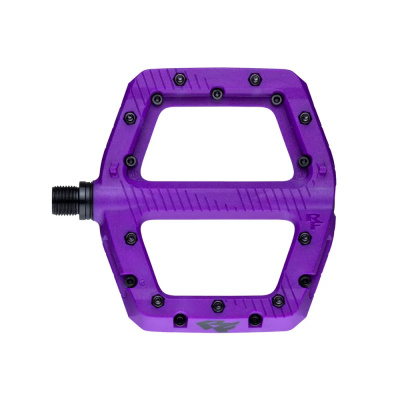
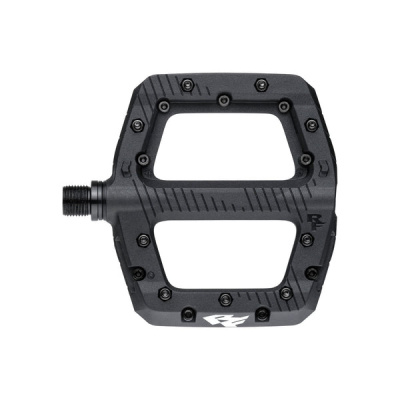
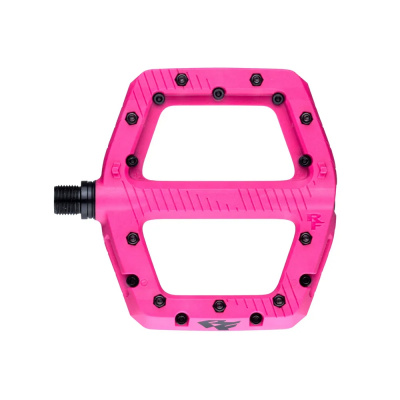
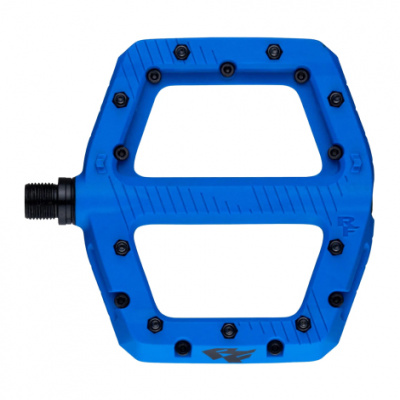
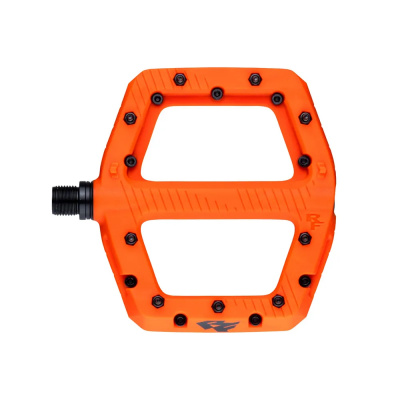
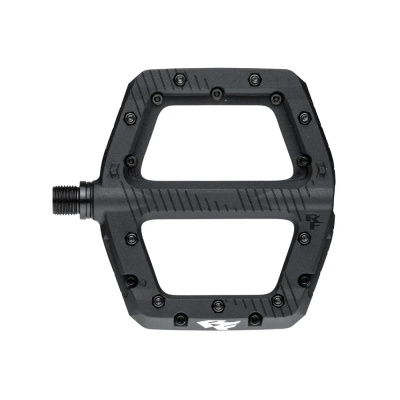
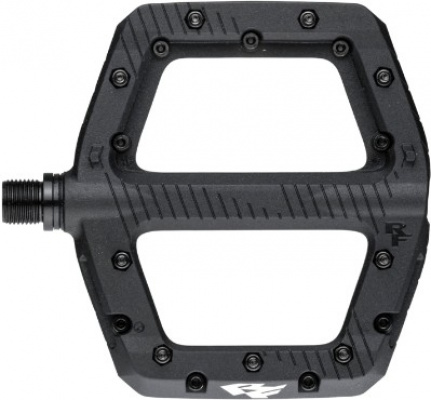
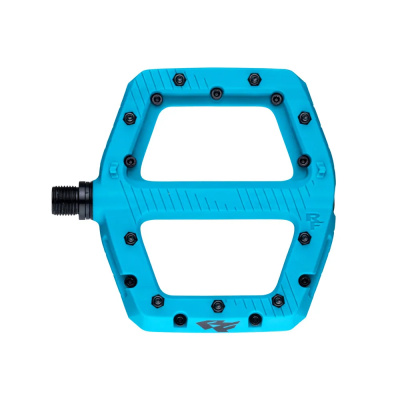
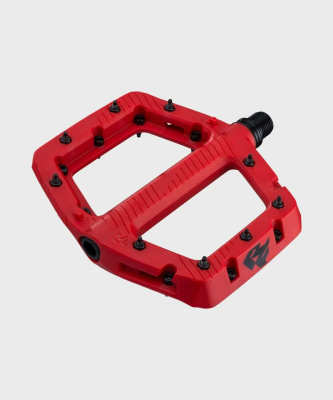
The Chester sits at the entry level, built around a nylon composite body with moulded traction and replaceable steel pins. It's light for the price, deflects rock strikes without cracking, and the composite flexes slightly on impact rather than transmitting every trail insult straight into your shoe. For trail riding, it's hard to argue against. A lot of riders running far pricier pedals will quietly admit they've got a set of Chesters on a second bike and they're perfectly happy with them. Compared to alloy alternatives at a similar price point from brands like DMR, the Chester's weight advantage is noticeable.
The Aeffect steps up to alloy construction with a slightly thinner profile than the Chester. It's the mid-range option for riders who want the feel of metal underfoot - marginally stiffer feedback, a bit more adjustability in pin placement - without the full outlay of the Atlas. A solid choice for trail and all-mountain riding where you want reliable grip without overthinking it.
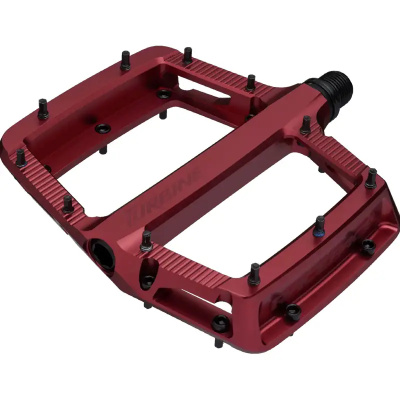
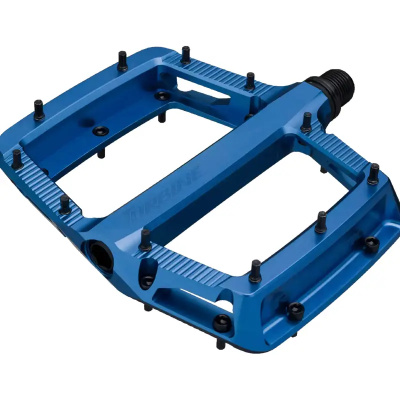
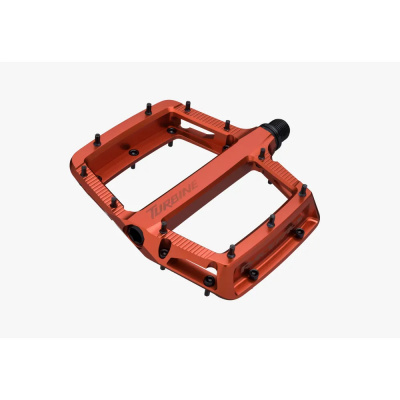
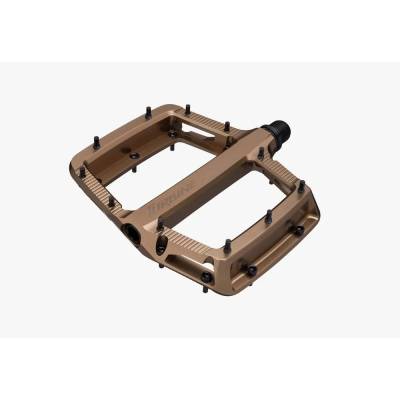
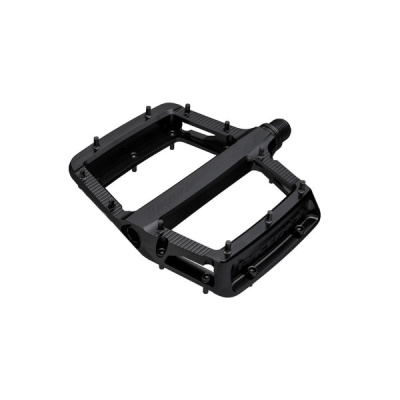
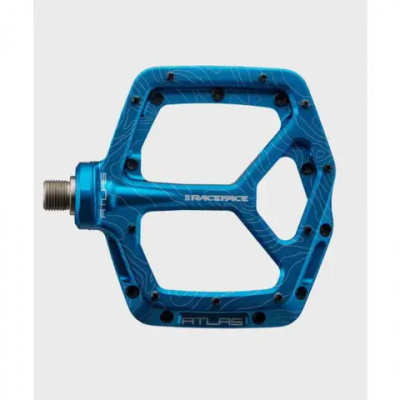
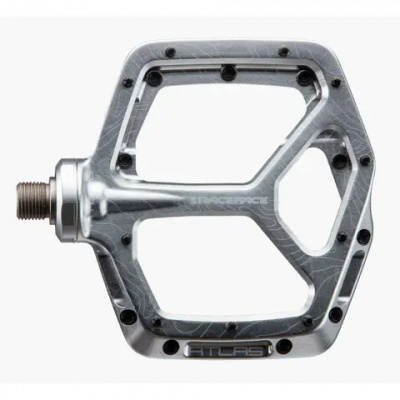
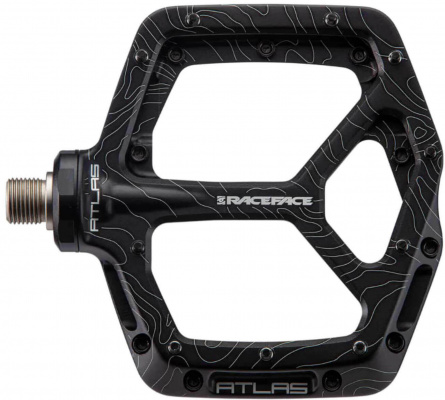
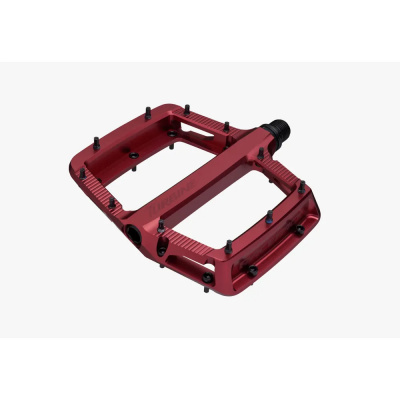
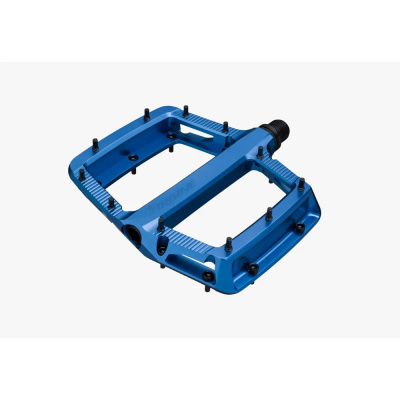
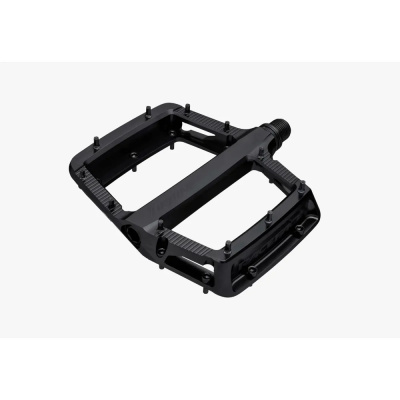
The Atlas is where Race Face gets serious. The body is machined from 6061-T6 aluminium with a concave platform that cups your shoe sole and keeps your foot centred under load - useful when you're braking hard into a loose, steep section and your weight shifts rearward. The profile is genuinely thin, which reduces crank strike and gives better ground clearance on technical lines. Oversized internals mean the bearing and bushing system handles impact loads more confidently than narrower axle designs. For enduro and downhill use, it's the one to look at. If you're comparing options at this level, Burgtec and Hope offer strong competition, but the Atlas holds its own on platform feel and pin customisation.
Across all three models, the bottom-loading hex-head traction pins are a practical feature that's easy to undervalue until you actually need it. When the top of a pin gets ground flat by a rock strike - and it will - you can still get a hex key into the base and unthread it cleanly. No stripped sockets, no drilling out stuck pins, no fuss.
Surviving UK Trails: Mud, Grit, and the Long Ride Home
British trails test pedals in ways that drier climates simply don't replicate. Peak District grit acts like a slow-motion grinding paste on any unsealed bearing system; chalk and wet roots in the South Downs demand aggressive, reliable pin grip; and thick winter mud needs somewhere to go quickly, or you lose contact with the platform altogether.
Race Face addresses mud clearance with open body designs on both the alloy and composite models - the spacing between the platform's traction zones lets mud shed as you pedal rather than packing in and turning your shoe into a greasy hockey puck. It's not the most open design on the market, but it handles typical UK trail mud without issue. Deep clay is a different story for any flat pedal, but that's a trade-off inherent to the platform category rather than a Race Face-specific weakness.
The fully sealed cartridge bearings and DU bushings are the real long-term story. Sealed internals keep the wet and grit out through autumn and winter riding in a way that basic cup-and-cone setups simply can't match. That said, they're not maintenance-free forever. A service once a season - or more frequently if you're riding year-round in Scottish or Welsh conditions - keeps spin smooth and prevents the gritty grinding sensation that develops when worn bushings start to take up play. Servicing is straightforward: remove the end cap, clean the spindle, repack with waterproof grease. It takes twenty minutes and extends pedal life considerably.
Grease your pedal threads every time you remove and refit them. Aluminium cranks and steel spindles are a classic electrolytic corrosion pairing, and a seized pedal at trailhead is nobody's idea of a good start. It's also worth pairing your pedals with appropriate Race Face grips - consistent traction feel across your contact points matters more than most riders expect until they try it. If you're upgrading the whole cockpit, Race Face shorts complete the kit without any brand mismatch to worry about.
Need to rebuild your current set or replace missing traction pins? Head over to our dedicated Race Face Pedal Spares page for axle kits, bearings, and replacement pins.
Race Face Pedals FAQs
Are Race Face Chester pedals good for mountain biking?
Yes, genuinely. The nylon composite body handles rock strikes without cracking, the chromoly axle stays straight under load, and the replaceable steel pins give you real grip on wet roots and loose trails. They're fully sealed, well-priced, and a lot of experienced riders keep a set on their second bike without any apology.
How do you service Race Face Atlas pedals?
Remove the end cap on the outboard end of the spindle, unbolt the axle nut, and slide the pedal body off the chromoly spindle. Clean everything thoroughly, repack with waterproof grease, and check the cartridge bearings and DU bushings for wear before reassembly. It's a job worth doing once a season if you're riding through winter.
Can you replace the pins on Race Face pedals?
Yes, across most Race Face flat pedal models the pins are bottom-loading hex-head design. You thread them in from underneath, which means even if the top surface gets ground flat by a rock strike, you can still get a hex key into the base and swap them out cleanly - no drills, no drama.