
Race Face MTB Baggy Shorts
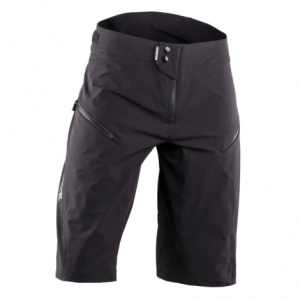
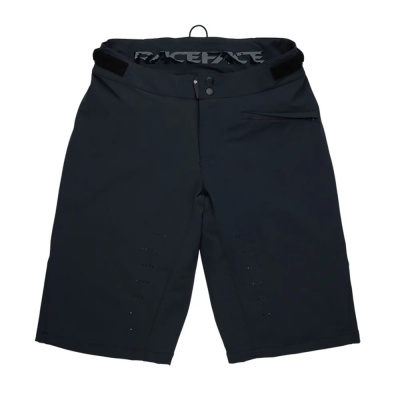
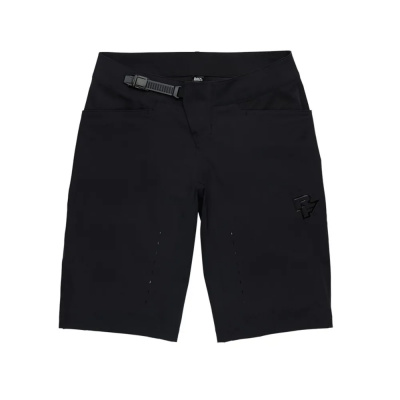
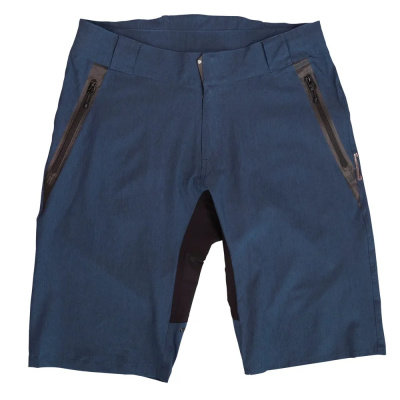
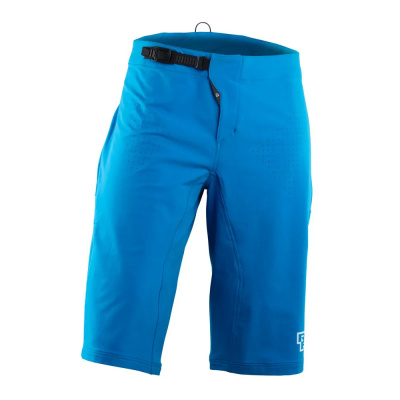
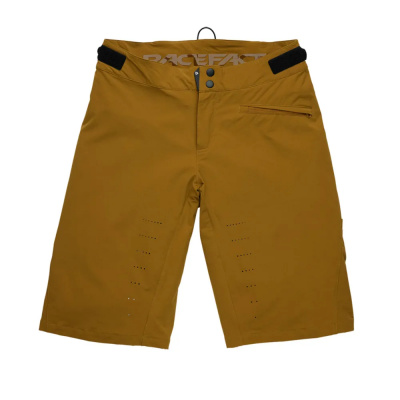
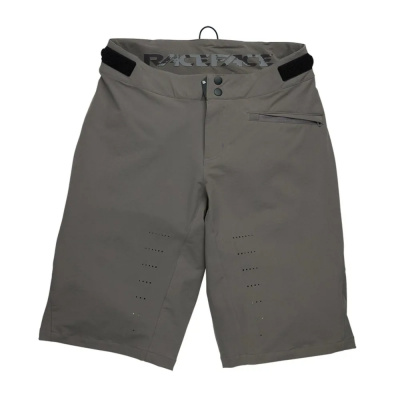
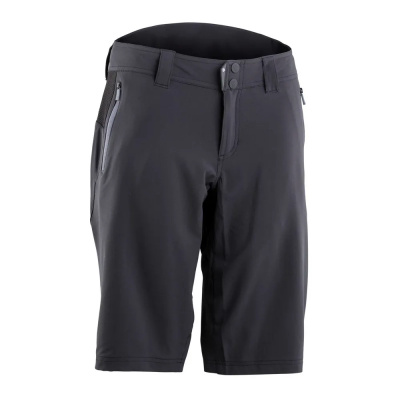
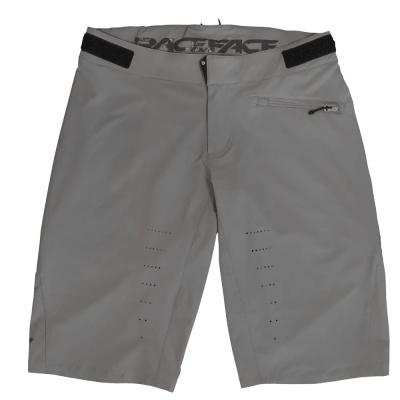
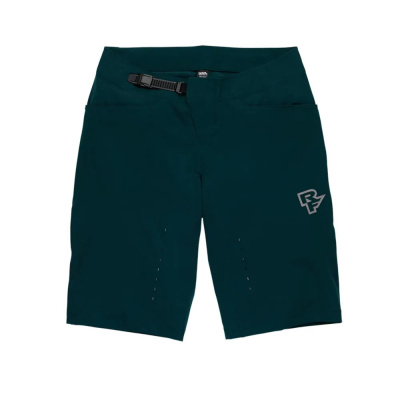
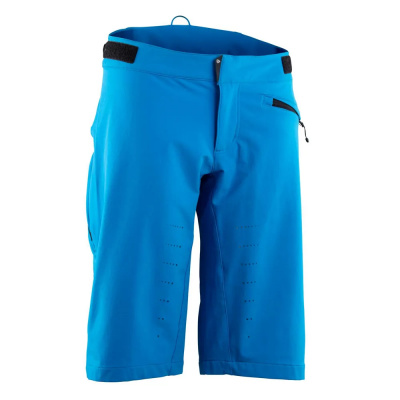
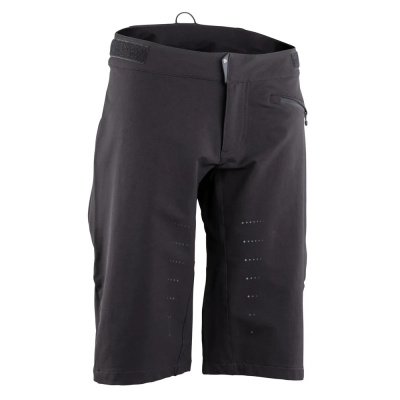
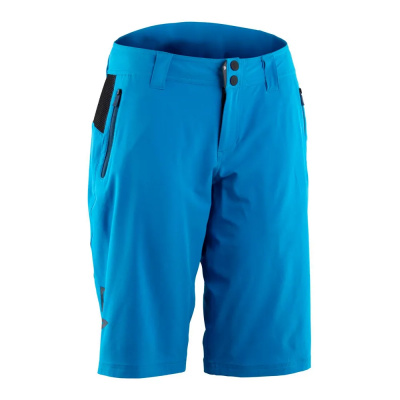
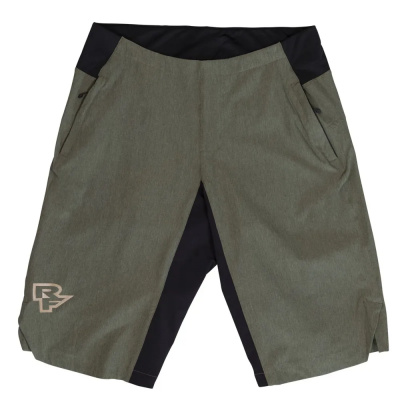
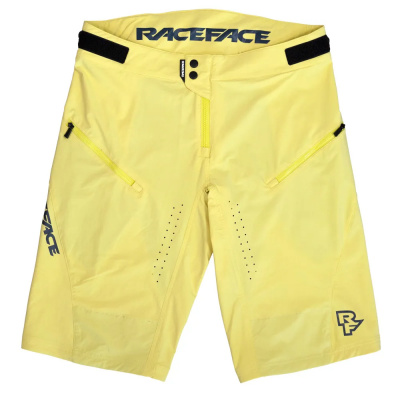
Race Face MTB baggy shorts have earned their place in UK riders' kit bags by doing exactly what's needed on the kind of riding we actually do - wet roots, muddy compressions, overgrown singletrack that grabs at everything. Built around 4-way stretch woven fabrics, they move with your pedal stroke rather than fighting it, so you're not wrestling your shorts on a tight switchback climb. The DWR coating won't make them waterproof - nothing short of a bin bag will do that - but it deflects puddle splash and rear-wheel spray long enough to matter on a typical British mixed-weather day. Waist adjusters, either ratchet or hook-and-loop depending on the model, let you dial the fit properly rather than relying on a one-size drawstring. Inseam lengths are cut with knee pads in mind, so there's no exposed shin when you're pedalling out of the saddle. Whether you're lapping the skills area at Glentress or grinding out a long all-mountain day in the Brecon Beacons, Race Face has a short in the range that fits the ride. We've pulled the key models and tech together below to help you pick the right pair.
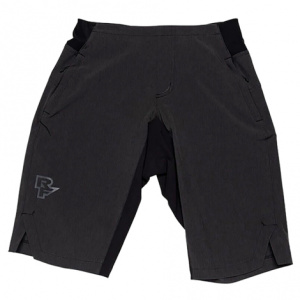
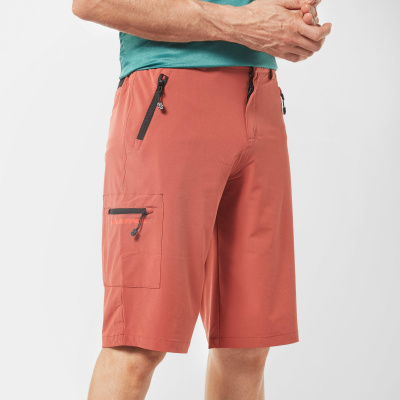
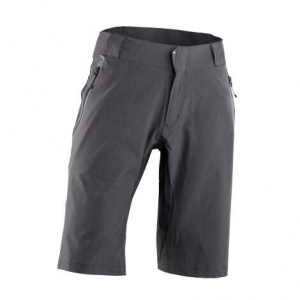
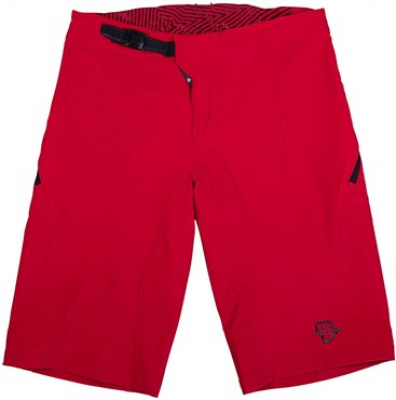
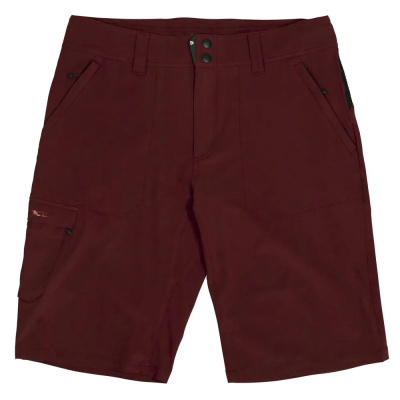
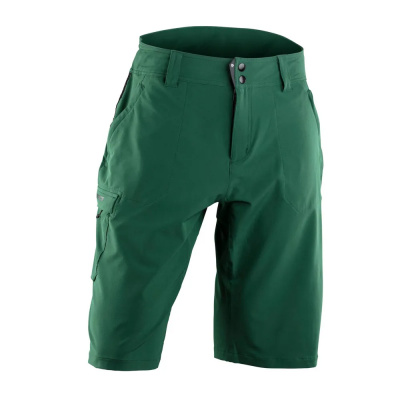
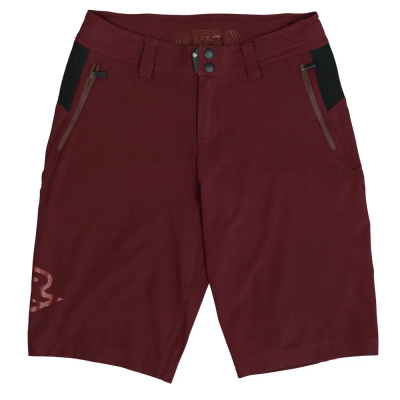
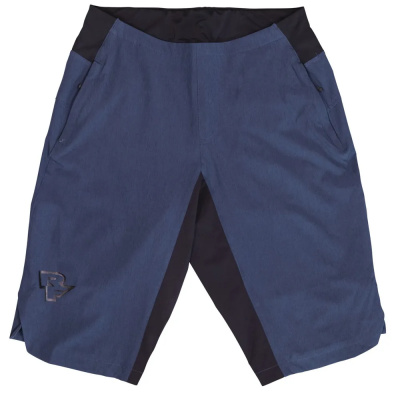
Prices and availability can change quickly. Delivery charges are not always included in listed prices.
Final price, stock status and delivery terms are set by retailer. We may receive a commission on purchases made.
Fabric Tech and Weather Performance
The 4-way stretch woven fabrics Race Face use across the range are doing two jobs at once. On steep, punchy climbs where your hips are driving hard and your knees are tracking wide, the fabric stretches with the movement rather than pulling tight across the thigh. On technical descents, where you're pushing the bike down with your legs and shifting weight constantly, that same flexibility stops the shorts from bunching or restricting your range of motion. It's a meaningful difference from older, stiffer woven fabrics that feel fine in the car park but start to fight you mid-descent.
The DWR (Durable Water Repellent) finish is worth understanding for what it actually does. It's a surface treatment that causes water to bead and run off rather than soaking straight through. On a damp Peak District morning where you're riding through wet grass and taking the odd puddle hit, it buys you real time before the shorts wet out. Once they do wet out - and they will on a proper soaking day - they won't dry as fast as a lightweight trail short. That's the honest trade-off. For full-on British winter grime, you'd layer a waterproof shell over the top. For the other nine months of variable conditions, the DWR does its job quietly and without the clammy, boil-in-a-bag feel of waterproofs.
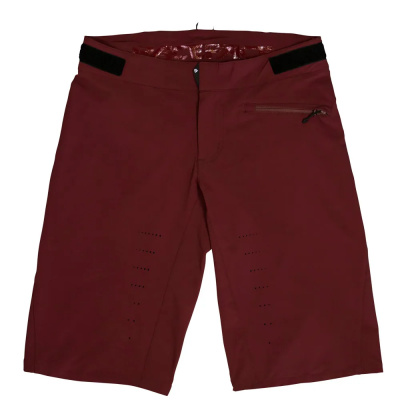
Laser-cut inner thigh venting handles heat on the climbs. Dense Welsh forestry in August gets genuinely muggy, and even a lightweight short can turn into a sweat trap on long ascents. The precision-cut perforations dump heat without weakening the fabric structurally - they're positioned where thigh-to-thigh contact is lowest, so they breathe when you need them to. Pair these with a technical Race Face jersey and the whole outfit manages temperature far better than mixing budget and technical pieces.
Understanding the Race Face Fit and Range
Race Face runs a clear line from bike park to all-day trail riding, and the shorts reflect that. The Ruxton sits at the heavier-duty end - more abrasion-resistant fabric, a relaxed cut with more room through the seat and thigh, and construction that's meant to take repeated drops and contact with rough surfaces. It's the short for riders who spend time on jump lines, North Shore-style features, or steep, consequence-heavy terrain where durability matters more than gram-counting. The fabric is noticeably thicker than lighter trail options, which gives it a different feel underfoot of an impact.
The Indy is where most UK trail and enduro riders will land. The cut is trim enough to feel tidy on the bike without being restrictive, the fabric weight is lighter for better breathability, and it pedals without that sack-of-fabric sensation you get in a purely freeride cut. For all-day loops in the Quantocks or mixed-discipline riding where you're covering real ground between the fun bits, the Indy's balance of movement and protection makes sense.
Both models share Race Face's approach to inseam length - cut specifically to overlap with knee pad sleeves rather than sitting above them. That matters more than it sounds. The gap between a short inseam and the top of a knee pad is where wind, cold, and trail debris find their way in, and it's a misery on a long descent. Race Face sizes their inseams to close that gap properly, so your Race Face gloves aren't the only thing keeping the chill off. The seamless crotch gusset is present across the range and stops the inner seam from catching on the saddle mid-pedal - a small thing that becomes very noticeable very quickly when it's absent.
Waist fit comes via ratchet closure or hook-and-loop adjusters depending on model and year. Both work well; the ratchet system gives more precise micro-adjustment and holds position better on rough descents where a Velcro tab can work itself loose. If you're between sizes or plan to wear a padded liner underneath, size up. If you're comparing alternatives, Fox MTB baggy shorts and Endura MTB baggy shorts offer similar fit philosophies with slightly different fabric textures and cut profiles - worth checking if you've had fit issues with Race Face in the past.
Looking for under-short support or full leg coverage? Check out Race Face Regular Shorts for casual riding, or Race Face jackets for winter layering when the shorts need backup on top.
Layering and Care for UK Riding
Most UK riders pair Race Face baggy shorts with a separate chamois liner - either a dedicated MTB liner short or a road-style bib with a trail pad. The baggy sits over the top, the liner handles saddle comfort, and you get the best of both without committing to an integrated pad that suits no one perfectly. Make sure your liner has a low-profile waistband so it doesn't bunch under the ratchet adjuster. It sounds obvious, but it's the kind of thing that ruins a long ride if you don't check before you leave the car park.
Knee pad compatibility works best when the pad sits under the short's hem rather than having the hem sit on top of the pad's sleeve - check the overlap when you're kitting up, and adjust the pad height rather than assuming it'll sort itself out on the trail.
On washing: fabric softener is the enemy of DWR coating. It coats the fabric fibres and kills water repellency faster than anything else. Use a technical apparel wash - Nikwax Tech Wash is the go-to - or a mild detergent with no conditioner added. Wash at 30 degrees. After a full winter of gritty, muddy riding, the DWR will start to wet out more readily even after washing, which is normal. A short tumble dry on low heat reactivates the coating by warming the fibres - or use a wash-in reproofer like Nikwax TX.Direct to restore it properly. Do that once a season and the shorts stay functional far longer than if you just bung them in a normal wash and wonder why they're soaking through by October.
Race Face MTB Baggy Shorts FAQs
Do Race Face MTB shorts fit true to size?
Generally, yes - Race Face shorts run true to size, and the ratchet or hook-and-loop waist adjusters give you room to fine-tune from there. If you're between sizes or planning to wear a padded liner underneath, go up a size to keep the fit comfortable without pulling across the hips.
Are Race Face baggy shorts compatible with knee pads?
They are, and it's a deliberate design choice. Race Face cuts their inseams long enough to overlap with knee pad sleeves, closing the gap between pad and short that lets cold air and trail debris in. Check the overlap when you first kit up and adjust pad height rather than assuming it'll line up automatically.
How do I wash MTB shorts with DWR coating?
Wash at 30 degrees using a technical detergent like Nikwax Tech Wash, and keep fabric softener well away - it strips the DWR finish and won't wash back out. After a gritty winter season, reactivate the water repellency with a low-heat tumble dry or a wash-in reproofer. Do it once a season and the coating stays effective.