
Race Face Jerseys
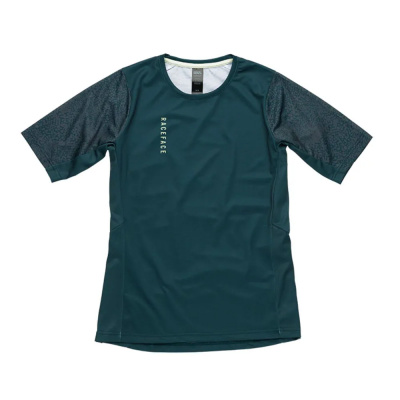
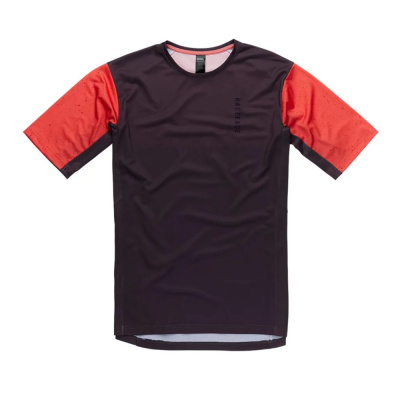
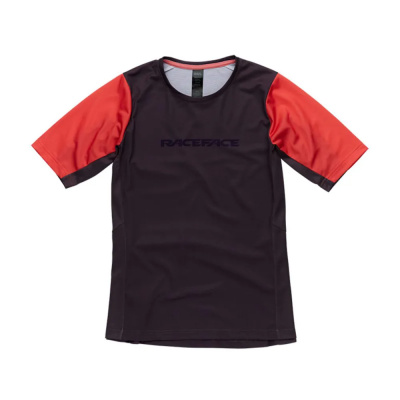
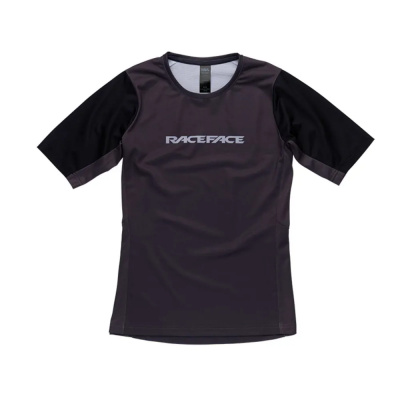
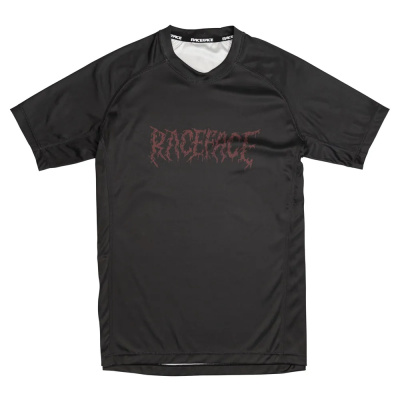
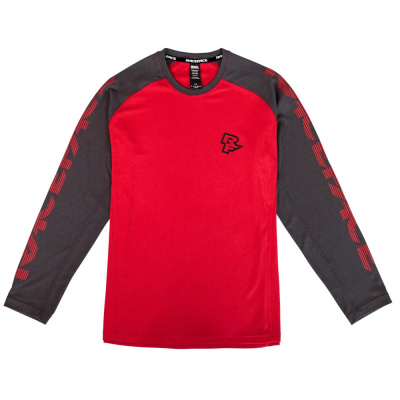
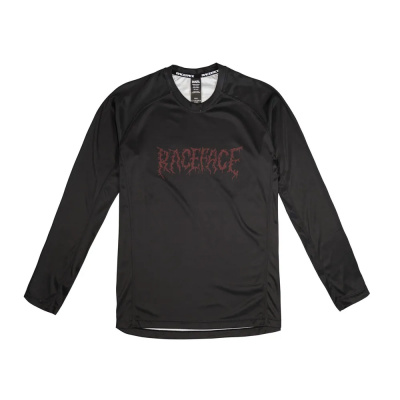
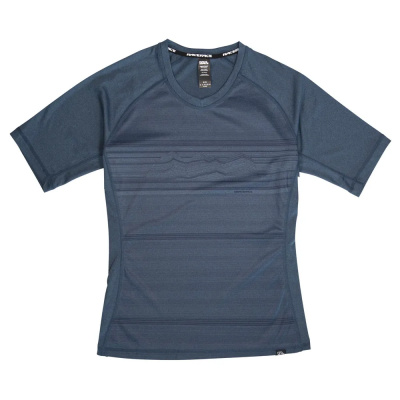
Race Face jerseys are built by mountain bikers who actually ride the stuff - and that shows in every seam, panel, and hem decision. Whether you're threading singletrack in the Tweed Valley, looping the red routes at Bike Park Wales, or sessioning a local jump trail on a grey Tuesday, there's a Race Face top engineered to keep up. The relaxed, MTB-specific fit means you're not fighting your jersey mid-corner, and there's enough room to run elbow pads or a low-profile back protector without the fabric pulling tight across your shoulders.
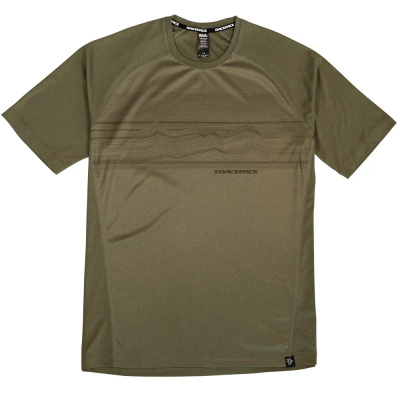
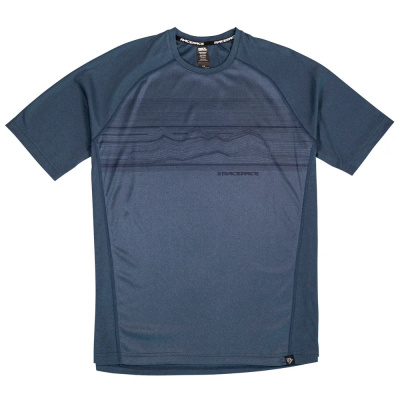
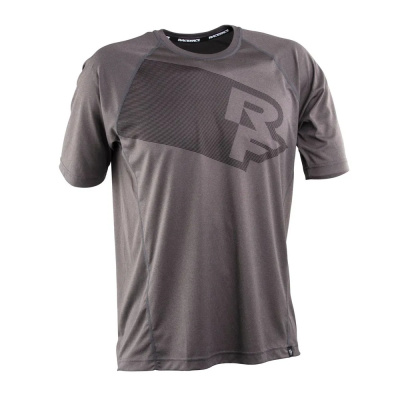
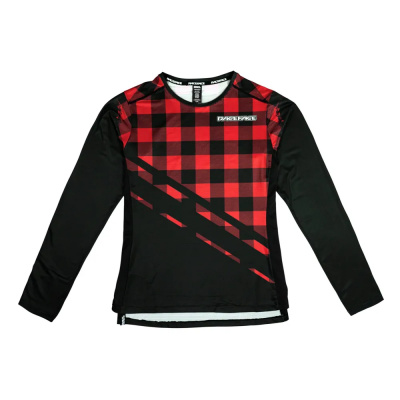
The fabric work is where things get serious. Cool Touch moisture-wicking technology pulls sweat off your skin during steep, humid climbs rather than letting it pool. Drop tail hems keep your lower back covered when you're in the attack position - a small detail that matters a lot on a long descent. Sublimated graphics won't crack or fade after fifty mud-soaked washes, either. From the lightweight, vented Indy to the tougher-built Ruxton, the range covers trail, enduro, and downhill without trying to be one-size-fits-all. If you've been wearing a generic polyester top and wondering why you're soaked by the first climb, this is the upgrade worth making.
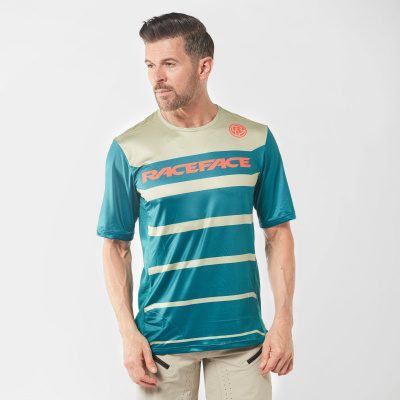
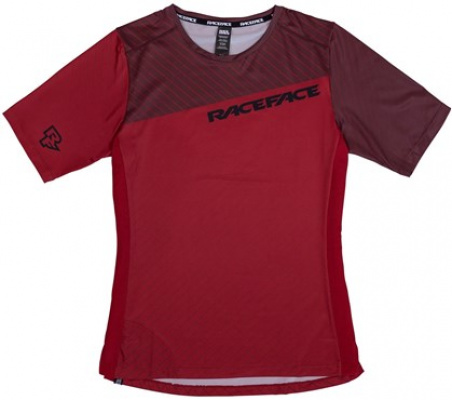
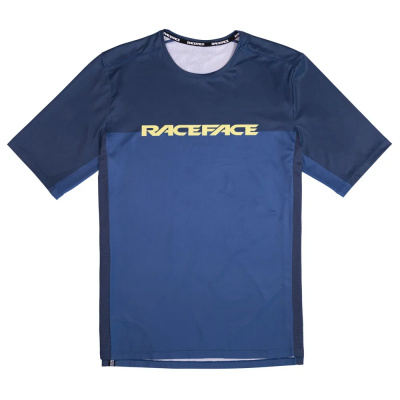
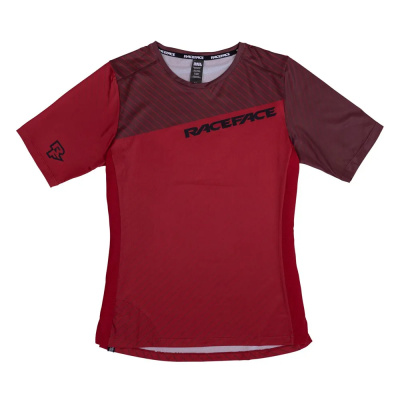
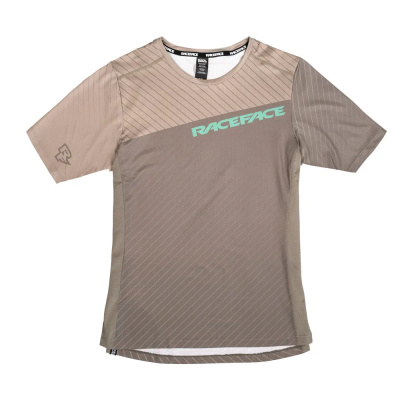
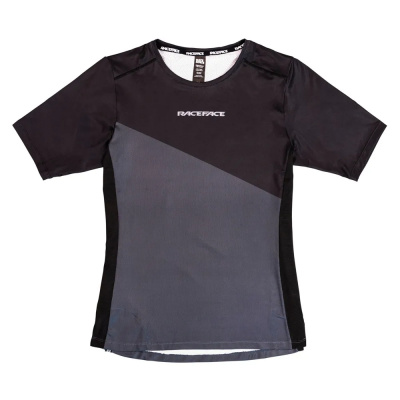
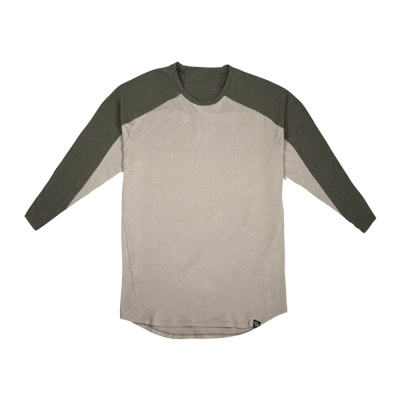
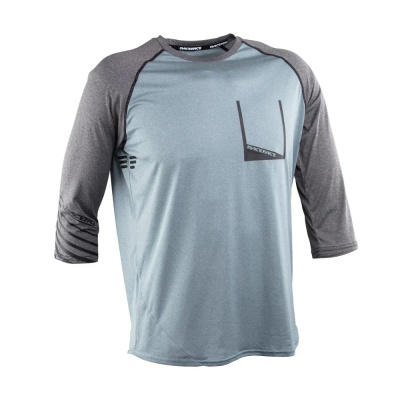
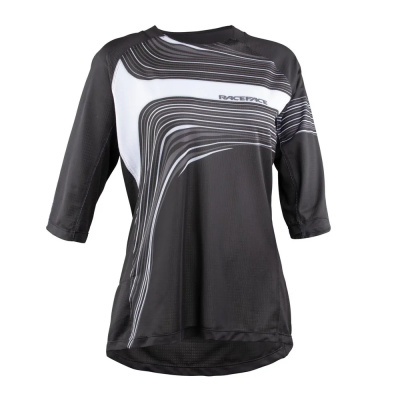
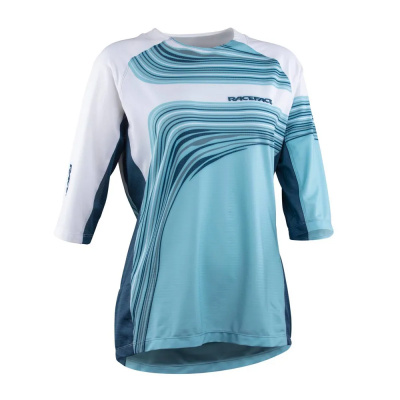
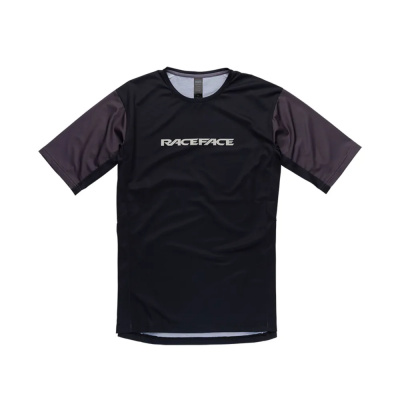
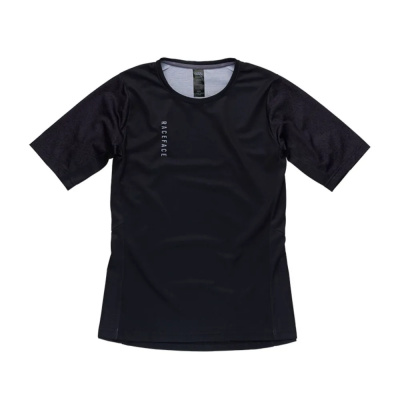
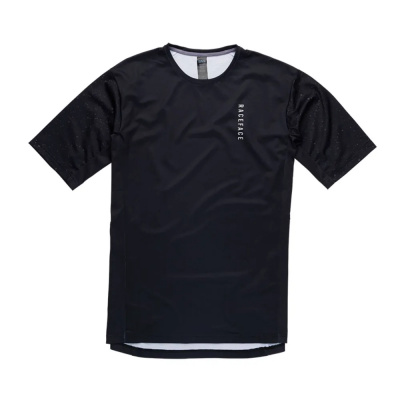
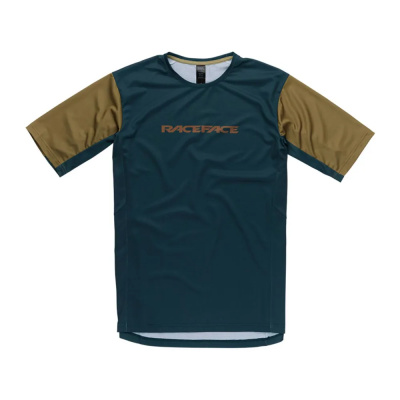
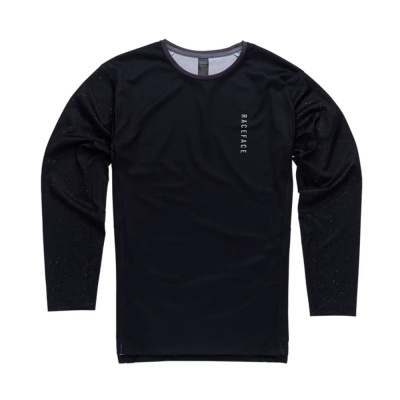
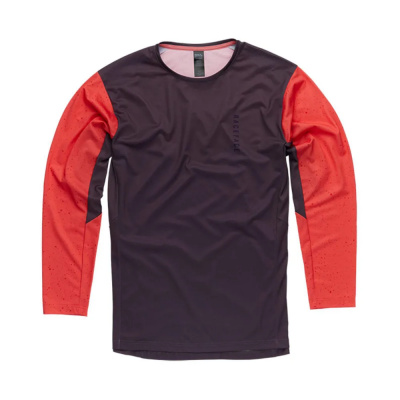
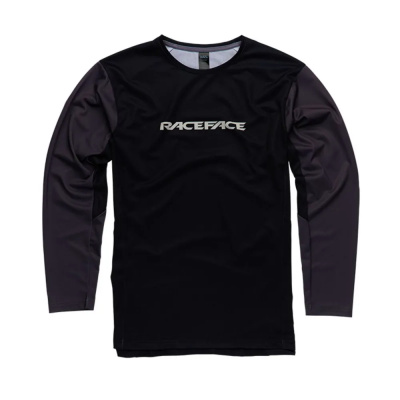
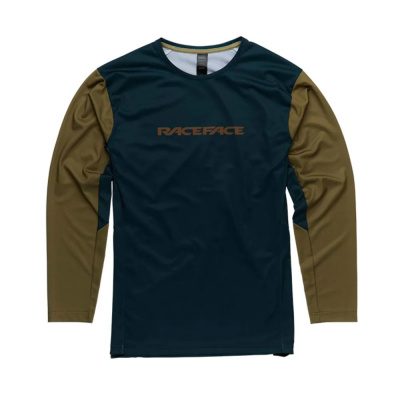
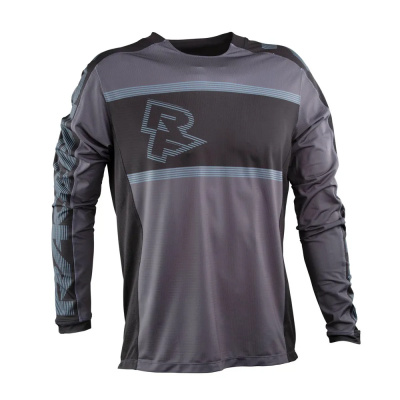
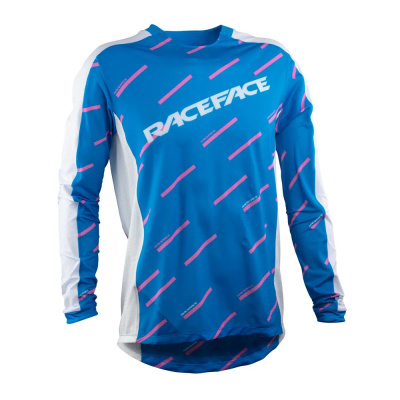
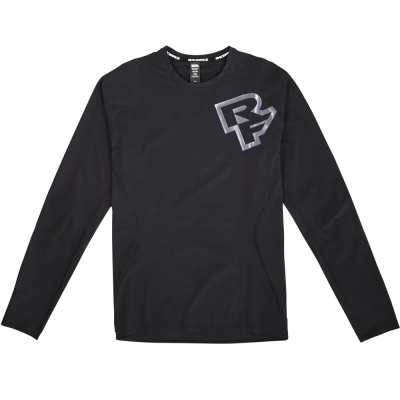
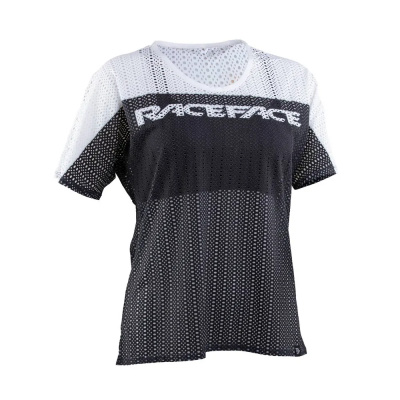
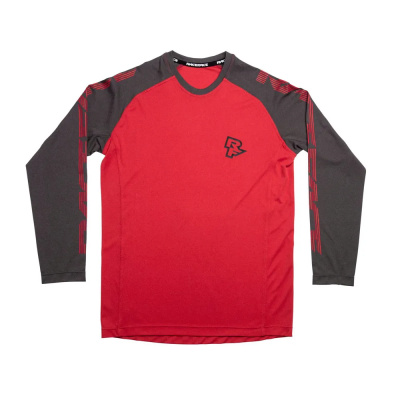
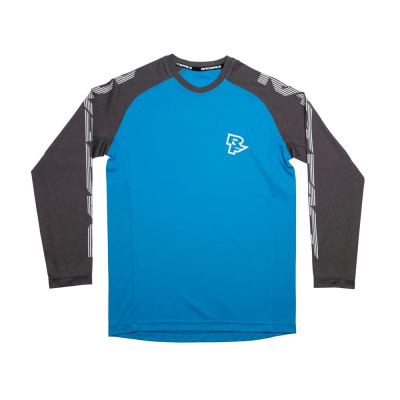
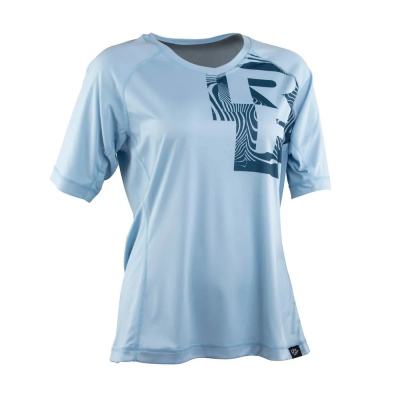
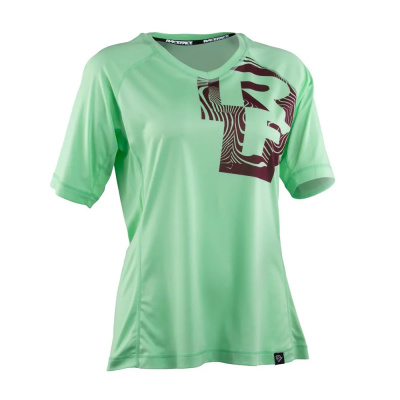
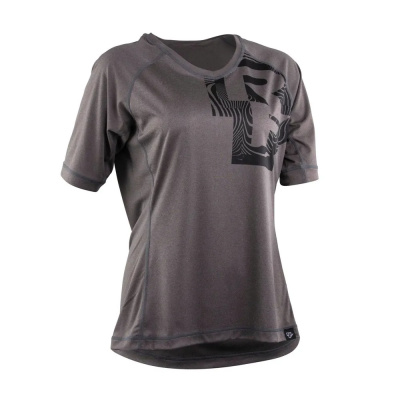
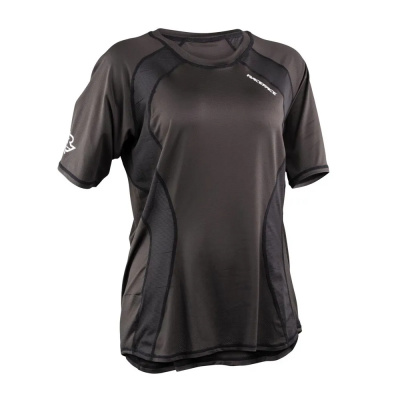
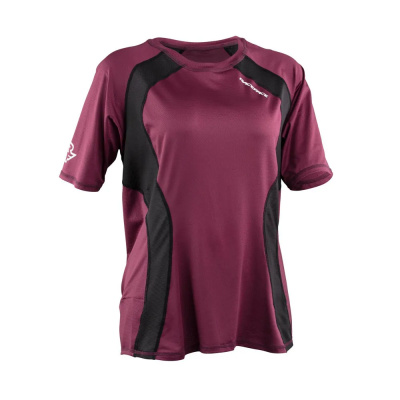
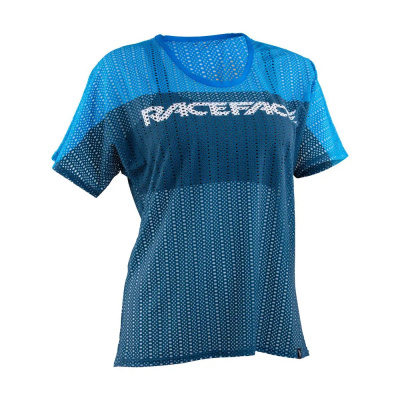
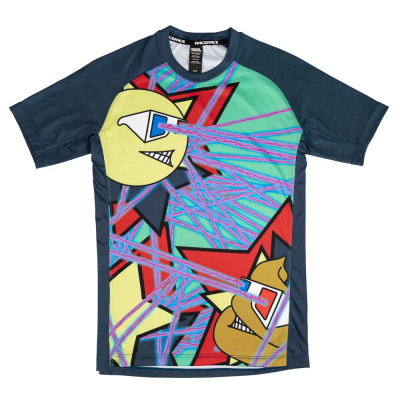
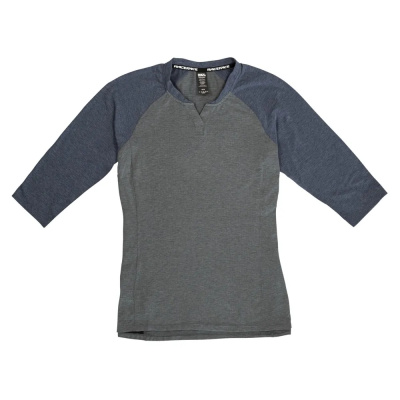
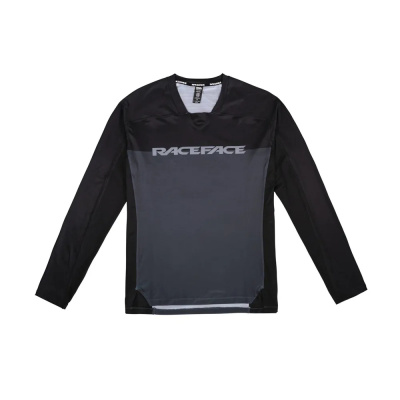
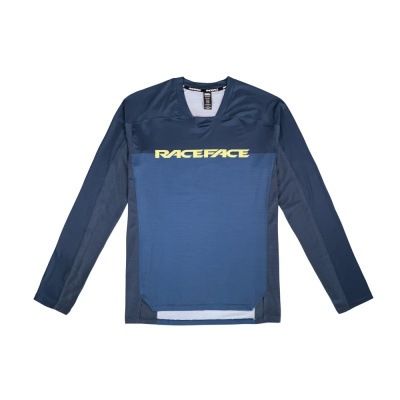
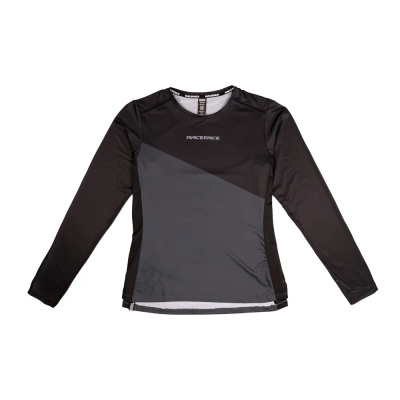
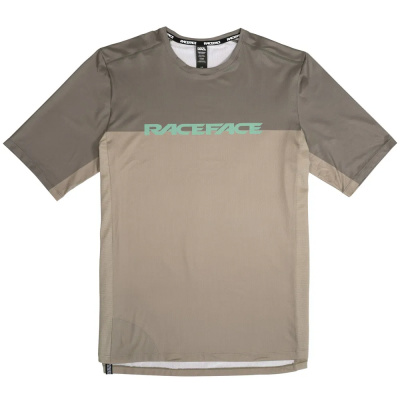
Prices and availability can change quickly. Delivery charges are not always included in listed prices.
Final price, stock status and delivery terms are set by retailer. We may receive a commission on purchases made.
Fabric Tech That Earns Its Keep on the Trail
The Cool Touch moisture-wicking fabric used across the Race Face MTB jersey range does exactly what the name suggests - it moves sweat away from your skin and spreads it across the surface of the fabric to evaporate quickly. On a muggy August climb in the Quantocks or a sweaty switchback grind in the Lakes, that difference between damp and drenched is significant. Mesh side panels on key models add targeted ventilation where heat builds fastest, keeping airflow moving even when the trail flattens out and pace drops.
Flatlock seams run throughout, which matters more than most riders realise. Traditional raised seams grind against your skin under a hydration pack after an hour - flatlock stitching sits flush and stays comfortable for full-day rides. Add an integrated goggle or glasses wipe on the inner cuff and you've got a small feature that earns its place every time a roost of wet grit hits your lens mid-descent. It's not flashy, but it works.
The abrasion-resistant sleeve panels on the Ruxton are worth calling out specifically. They're reinforced to handle the kind of low-speed tree clip or trail-side scrape that turns a standard jersey sleeve into confetti. If you're riding technical natural trails or spending weekends at a bike park, that extra durability is genuinely useful rather than just a spec-sheet claim. The sublimated graphics are dye-infused into the fabric itself, so they won't peel or crack regardless of how many times the jersey goes through a muddy spin cycle.
Indy vs Ruxton: Picking the Right Race Face Jersey
Race Face keeps the jersey range focused rather than sprawling, which makes choosing straightforward once you know the difference. The Indy is the trail and enduro option - lighter weight, higher breathability, with mesh construction prioritising airflow over armour. It's the one to reach for when you're clocking big elevation days, riding in warm conditions, or racing an enduro where weight and ventilation matter more than crash protection. The fit is relaxed without being baggy, true to size, and there's enough room across the chest and shoulders to layer over a merino base layer on a cold Welsh morning without the seams pulling.
The Ruxton sits at the other end of the spectrum. Heavier-duty fabric, reinforced panels, built for downhill, freeride, and the kind of riding where a crash is a when rather than an if. It won't breathe as freely on a hard climb, but if your day involves the uplift queue rather than pedalling to the top, that trade-off is entirely reasonable. The Ruxton also accommodates chest and back protection more comfortably if you're running a full armour setup.
Both jerseys share the same MTB-specific relaxed fit that Race Face has used across the range for years - designed to move with you rather than restrict you, and roomy enough for elbow pads underneath without bunching. They run true to size; if you're between sizes, go up rather than down. For the long sleeve vs short sleeve MTB jersey question, it mostly comes down to season and personal preference rather than one being technically superior - short sleeve with arm warmers is the more versatile setup for UK riding given how fast conditions change.
If you're after something to wear off the bike rather than on it, Race Face MTB shorts or casual tees sit in a separate category and are worth a separate look. For riders who want similar breathable trail performance from other brands, Alpinestars jerseys and Dakine jerseys are worth comparing - both offer competitive fabric tech at similar price points.
Layering for UK Conditions and Keeping It Clean
British riding rarely gives you a single stable temperature to dress for. A short-sleeve Race Face jersey over a lightweight merino base layer handles those sharp autumn mornings at Cannock Chase where the car park is cold but you're sweating within ten minutes of the first climb. The merino regulates temperature and handles the odour; the Race Face jersey manages moisture and gives you the fit and coverage you need on the bike. When rain arrives - and it will - pull a Race Face jacket over the top and the layering system stays breathable rather than turning into a sauna.
For warmer days, the mesh side panels do enough work that a base layer becomes optional. Drop the base, keep the jersey, and let the mesh do the ventilation work on long climbs. It's a simple system and it works across most of the UK's riding calendar.
Washing is straightforward but worth doing right. Thirty degrees, no fabric softener - softener coats the fibres and kills the moisture-wicking properties over time, which defeats the point entirely. Turn the jersey inside out before washing to protect the sublimated graphics, then hang dry rather than tumble drying. After a properly muddy ride, a cold rinse before the main wash helps shift the bulk of the grit before it gets ground into the fabric. Pair the jersey with Race Face gloves for a cohesive kit setup, or mix with 100% jerseys if you're running different tops across a range of conditions.
Race Face Jerseys FAQs
How do Race Face jerseys fit?
Race Face jerseys use a relaxed, MTB-specific fit that gives you full freedom of movement without excess fabric flapping around. They run true to size with enough room across the chest and shoulders to fit elbow pads or a low-profile back protector underneath. If you're between sizes, size up.
What is the difference between Race Face Indy and Ruxton jerseys?
The Indy is built for trail and enduro riding - lightweight, highly breathable, with mesh construction to handle hard climbs and warm conditions. The Ruxton is designed for downhill and freeride, using heavier-duty abrasion-resistant fabric that holds up better in crashes and through rough, technical riding. Pick the Indy for pedalling days; the Ruxton for bike park and gravity-focused sessions.
Are Race Face jerseys good for hot weather?
Yes, particularly the Indy and Roam. Cool Touch moisture-wicking fabric moves sweat away from your skin efficiently, and mesh side panels provide targeted ventilation during intense efforts. They're well-suited to humid summer climbs or full-day enduro loops where heat management is as important as durability.