
Race Face Gloves
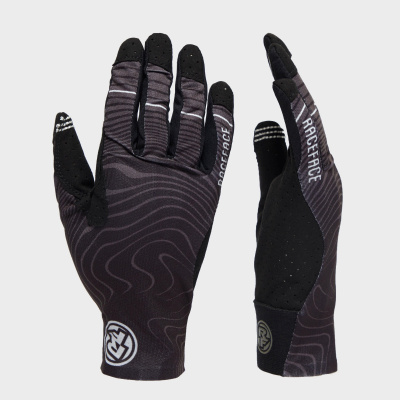
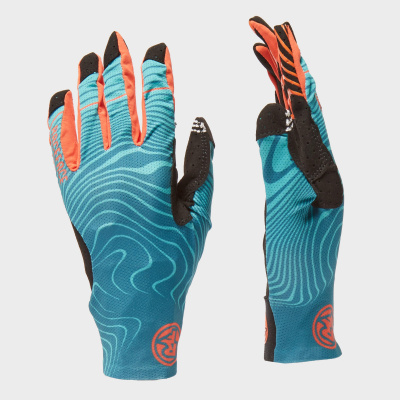
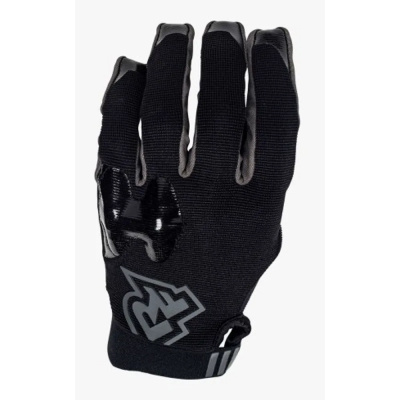
Race Face gloves have built a serious following among UK riders for one simple reason: they get the connection between your hands and your bars right. That Amara synthetic leather palm isn't just there for durability - it gives you genuine feedback through the grip, so you know exactly what the trail's doing beneath you. Whether you're threading tight singletrack in the Brecon Beacons or hammering out lap after lap at Glentress, that tactile confidence matters.
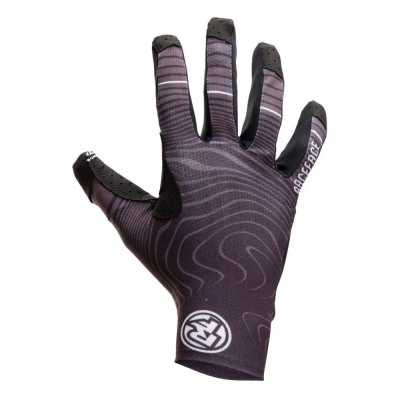
The range runs from stripped-back, lightweight trail gloves all the way up to full-knuckle enduro options with D3O knuckle protection built in. D3O is a rate-sensitive material that stays pliable day to day but stiffens instantly on impact - proper armour without the bulk. Add silicone trigger-finger grippers for brake lever control when your gloves are soaked through, touchscreen-compatible threads on the index finger, and 4-way stretch mesh across the back of the hand, and you've got a glove that actually works across the seasons rather than just looking the part in the car park.
Size selection, care, and knowing which model suits your riding style are what separates a glove that lasts a season from one that lasts three. We've put together everything you need to make the right call.
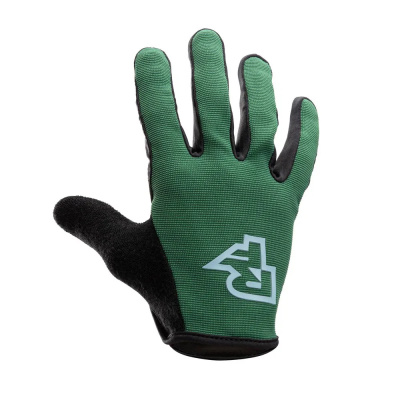
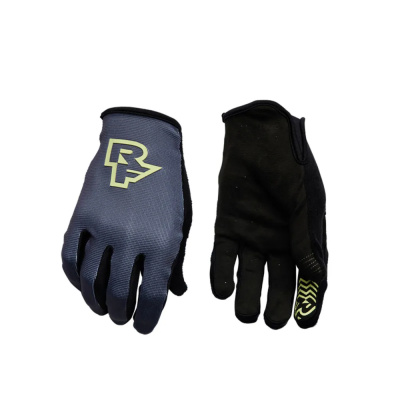
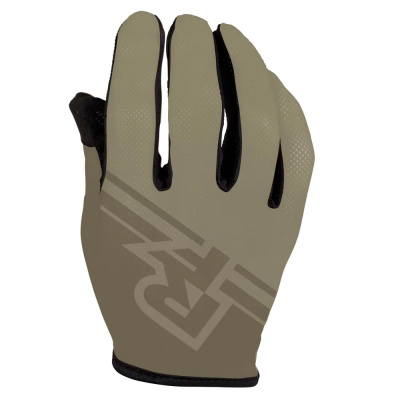
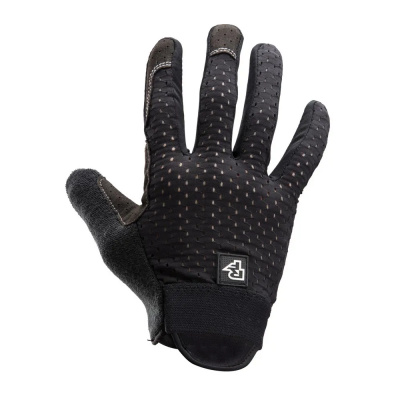
Prices and availability can change quickly. Delivery charges are not always included in listed prices.
Final price, stock status and delivery terms are set by retailer. We may receive a commission on purchases made.
Fabric Tech & What It Means on a Wet Tuesday
The Amara synthetic leather palm is the centrepiece of most Race Face MTB gloves. Amara is tighter-grained than genuine leather, which means it beds in quickly without going baggy, resists abrasion over months of use, and doesn't stiffen up after a soaking the way some natural materials do. The result is a second-skin bar feel that lets you run a lighter grip without your hands working overtime - useful on a long, technical descent where fatigue creeps in.
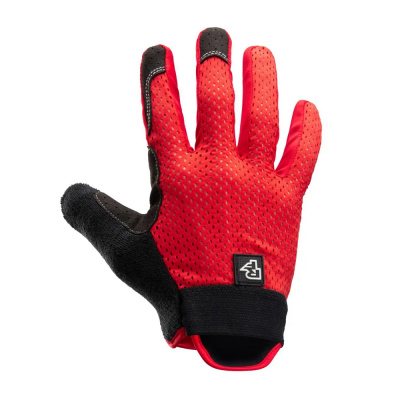
Across the back of the hand, the 4-way stretch mesh backing handles ventilation. On a grinding fire-road climb in humid summer conditions - think the South Downs on a muggy August morning - that mesh pulls sweat away and lets heat out rather than trapping it. Your hands stay drier, and you arrive at the top ready to focus on the descent rather than peeling your palms off the bars.
The detail that earns its keep most in UK conditions is the silicone gripper printed across the trigger fingers. When trails turn to soup and your brake levers are slicked with mud, that silicone print keeps your index finger planted. It's a small thing that makes a real difference when you're scrubbing speed into a greasy corner at Cannock Chase in October. Pair these with a fresh set of Race Face grips and the cockpit feels genuinely cohesive - same compound philosophy from bar to palm.
Understanding the Race Face Fit and Range
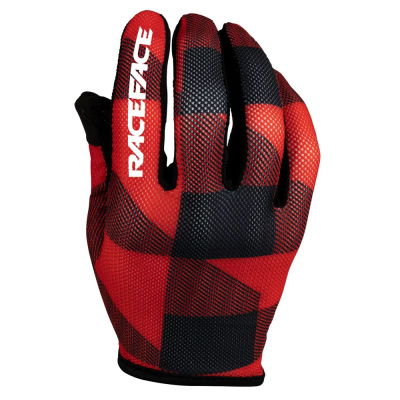
Race Face organise their glove line around riding intensity, and it's worth knowing where each model sits before you buy. At the lighter end, gloves like the Race Face Stage and Race Face Sendy are built for trail riding where weight and breathability take priority over armour. Thin construction, minimal cuff, fast on and off. If you're covering distance on flowing cross-country routes or warmer-weather trail centre laps, these are the ones to look at.
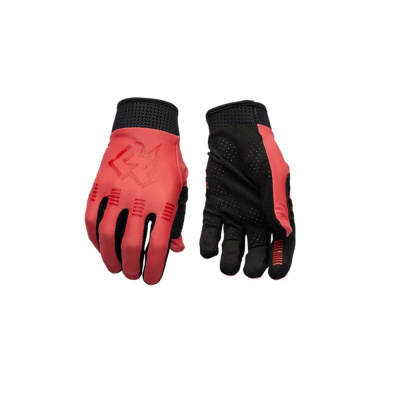
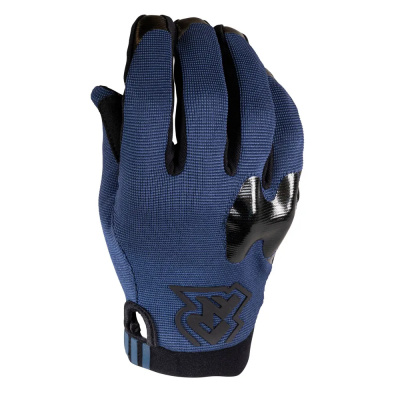
Step up to the Race Face Indy or Race Face Ruxton and the brief changes. These are the enduro-focused options, with integrated D3O knuckle guards across the back of the hand. On a tight, overgrown trail where brambles whip across your knuckles or you clip a tree root on a rough, rock-armoured section, that D3O layer takes the hit so you don't. It's particularly relevant if you're riding in places like the Tweed Valley or the Afan Forest Park, where the undergrowth can reach out and punish inattention.
Fit across the range follows a snug, pre-curved finger profile. The fingers are shaped at rest to match a relaxed grip position, which cuts down on bunching inside the glove when you're actually holding the bars. Slip-on neoprene cuff designs feature on several models - no velcro, no bulk, just a neat close fit at the wrist that doesn't catch on jacket cuffs or create pressure points. If you're debating between a slip-on and a traditional velcro closure, the slip-on wins on comfort for longer rides; the velcro closure gives a marginally more adjustable fit for riders between sizes.
On sizing: Race Face gloves run true to size with that snug profile in mind. Measure your hand circumference across the knuckles and match to the brand's size chart. If you're right on the border between two sizes, go up - a glove that's slightly generous is far more comfortable over a three-hour ride than one that cuts into the webbing between your fingers. Riders who prefer a looser fit generally find sizing up works well without compromising grip or dexterity. For alternatives at a similar price point, Fox gloves and 100% gloves both use comparable sizing conventions, so your Race Face size is a reasonable starting reference if you're cross-shopping.
Keeping Them Riding - Care Without the Drama
Gloves take a beating. Mud, sweat, brake fluid drips, the occasional face plant - they accumulate all of it. The good news is that Race Face mountain bike gloves wash well, as long as you're not in a rush and you keep the heat out of the equation.
Machine wash on a cold or 30°C gentle cycle. That's it for temperature - anything warmer starts to break down the silicone gripper prints and can cause the Amara palm to stiffen or crack over time. Skip the fabric softener entirely; it coats the fibres and kills the moisture-wicking performance of the mesh backing, and it can degrade the touchscreen-compatible threads on the index finger faster than normal use would. Air dry only - flat or hung up, away from radiators or direct sunlight. Give them a full dry before your next ride, because a damp glove loses structure and doesn't grip the bar the way a dry one does.
If the palms are starting to look thin after a season of hard use, that's normal wear rather than a fault. Most riders get a full season to 18 months from regular use before a replacement makes sense. Pairing gloves with your wider Race Face kit - a Race Face jersey or a Race Face jacket - keeps the layering consistent in terms of sleeve length and cuff fit, which matters more than it sounds when you're adjusting kit at the trailhead in the cold.
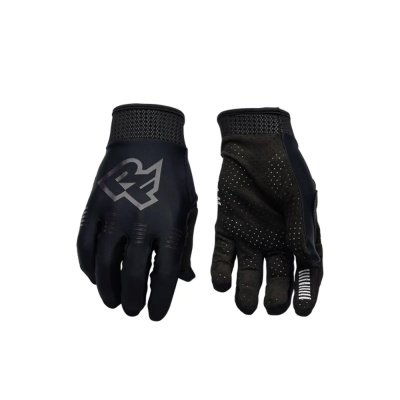
For riders who want a warmer, more weather-resistant option through the British winter, Race Face winter mountain bike gloves layer over a thin liner or substitute a heavier neoprene construction. If you're riding through November to February in the Peak District or on Scottish trails, look at the slip-on neoprene cuff models - they seal at the wrist and keep the cold air from channelling up your sleeve on fast descents. Endura gloves are worth comparing here too, particularly their waterproof-membrane options, if you need something genuinely sealed rather than just weather-resistant.
Race Face Gloves FAQs
Are Race Face gloves true to size?
Generally, yes. Race Face gloves use a snug, pre-curved fit that's designed to sit close without bunching. Measure your hand circumference across the knuckles and match to their size chart. If you land between sizes or prefer a roomier fit, size up - a glove that's slightly generous rides far more comfortably over a long session than one that pinches.
Can you wash Race Face mountain bike gloves?
Machine wash them on a cold or 30°C gentle cycle. No fabric softener - it degrades the silicone gripper prints and the touchscreen-compatible threads on the index finger. Air dry only, away from radiators and direct heat. Give them a full dry before your next ride; a damp glove loses structure and grip feel quickly.
Which Race Face gloves are best for enduro riding?
The Race Face Indy and Race Face Ruxton are the enduro-focused options. Both feature integrated D3O knuckle protection - a rate-sensitive material that stays flexible normally but stiffens on impact - alongside Amara synthetic palms and silicone grippers for wet-weather brake control. They're the go-to if you're riding aggressive, rooty, or tight trail environments.