
Race Face Dropper Posts
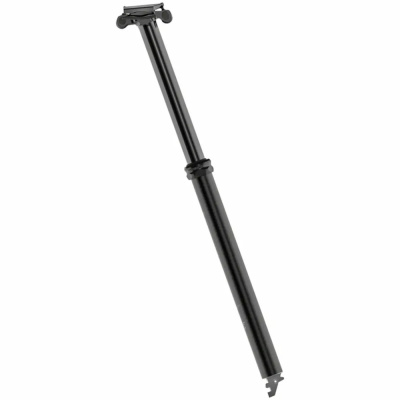
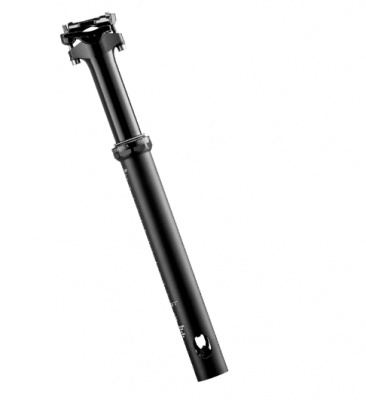
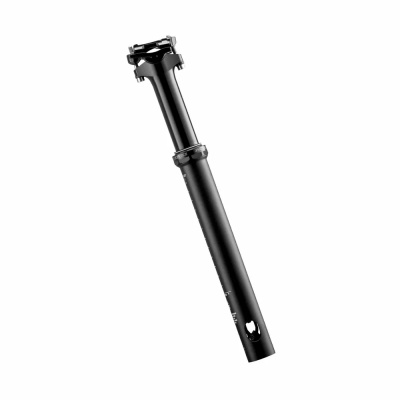
Race Face dropper posts sit at the more dependable end of the market - two distinct models, clear differences between them, and a reputation built on taking punishment from North Shore roots through to modern enduro abuse. Whether you're weighing up the premium Turbine R or the workhorse Aeffect R, the range keeps things straightforward: reliable actuation, minimal lateral play, and consistent return speed ride after ride.
The Turbine R runs the same internal hydraulic cartridge you'll find in the Fox Transfer - faster return, lighter overall, and the internals most professional mechanics already know how to service. Step down to the Aeffect R and you get a sealed alloy cartridge that's simpler by design, cheaper to replace than to rebuild, and honest about what it is: a tough, no-drama post for riders who'd rather ride than tinker.
Both posts come in the seat tube diameters that cover most modern trail and enduro frames - 30.9mm, 31.6mm, and 34.9mm - with travel options typically spanning 125mm through to 170mm. Use our filters to match diameter, travel, and insertion length to your frame before anything else. Get that right, and the rest is straightforward.
Prices and availability can change quickly. Delivery charges are not always included in listed prices.
Final price, stock status and delivery terms are set by retailer. We may receive a commission on purchases made.
Getting the Fit Right: Diameters, Travel, and Stack
Picking the wrong size dropper post is the kind of mistake that costs you twice - once when you buy it, once when you return it. Start with your frame's internal seat tube diameter: most modern trail and enduro bikes run 31.6mm or 30.9mm, while some burlier frames spec 34.9mm. Check your frame's geometry chart or measure the bore directly rather than guessing from the old post's shaft, because shims can complicate things.
Travel matters as much as diameter. A Race Face dropper post 150mm or Race Face dropper 170mm gives you more saddle drop for aggressive riding, but only if your frame's insertion length - the usable depth below the collar - can accommodate the post's lower body without fouling a suspension pivot or bottle cage boss bolt. Measure from the top of your seat collar to the first obstruction inside the tube, then cross-reference the post's minimum insertion depth in the spec sheet. Don't skip this step.
Stack height - the distance from the collar to the saddle rails at full extension - affects your fit at the top of the post's travel. If you're close to the top of your saddle height range, a post with high stack could push you over it. Worth checking before you commit. Looking for the 1x Hop-Up lever or replacement cartridges? Head over to our dedicated Race Face Dropper Levers and Race Face Seatpost Spares pages to complete your setup.
Turbine R vs Aeffect R: Where Your Money Goes
Race Face runs two dropper tiers and they're genuinely different - this isn't just a badge game. The Race Face Turbine R dropper uses the same Fox Transfer internal hydraulic cartridge that sits inside one of the most trusted droppers in the business. That means faster return speed, a more progressive feel through the stroke, and internals that Fox-trained mechanics can service with the same tools and knowledge. It's lighter, too. If you're lapping trail centres regularly or racing enduro, the Turbine R is the one worth spending up for.
The Race Face Aeffect R dropper post takes a different approach. Its sealed alloy cartridge is a simpler hydraulic system - not as fast on the return, not as refined in feel, but genuinely robust and far easier to manage when something eventually wears. The cartridge is a replacement unit rather than a rebuild job, which keeps service costs predictable. For riders doing one or two big days out a week, or those who don't want to think about post maintenance beyond keeping it clean, the Aeffect R does the job without drama.
Both posts share the Hunter Head design, which makes saddle installation and adjustment cleaner than the fiddly two-bolt setups on older posts. The zero offset clamp keeps your saddle position consistent with what you'd get from a rigid post - no unexpected setback creeping in. It's a small detail that matters if you've dialled your fit. Comparing options across brands? The OneUp dropper and RockShox droppers sit in a similar bracket and are worth a look if you're keeping an open mind on spec.
The Turbine R costs more. What you're paying for is the hydraulic performance and the serviceability that comes with Fox Transfer internals - if those things matter to your riding, the premium is justified. If they don't, the Aeffect R won't let you down.
Keeping It Working Through a UK Winter
British winters are hard on droppers. The specific problem isn't cold air - it's the grinding paste that forms when fine grit mixes with water and gets drawn across the wiper seal every time you push the post down. Left unchecked, that paste scores the stanchion and ruins the seal's ability to keep moisture out of the cartridge. The fix is low-effort: wipe the stanchion down after muddy rides and keep the area around the collar clear of compacted grit. Two minutes in the car park saves a service bill.
Apply a light silicone suspension spray to the exposed stanchion every few rides - not a wet lubricant, which attracts more dirt, but a dry silicone product designed for fork stanchions. It repels water and keeps the wiper seal moving freely rather than dragging. Particularly useful on days out in the Peak District or Scottish Borders where the mud has a particular talent for finding every gap.
For internal routing, frozen cable friction in winter is a known irritant - the outer cable stiffens in cold temperatures and the lever action feels notchy. A light application of wet-weather cable lubricant at the entry and exit points of the frame helps. Check your cable end caps aren't cracked, too, as water ingress there accelerates the problem. A basic clean and re-grease of the collar is worth doing around every 100 hours of riding. The Turbine R's Fox Transfer internals can be serviced at most Fox-accredited workshops; the Aeffect R cartridge is a straight swap when it eventually needs replacing. Pair the post with quality Race Face grips and Race Face pedals and you've got a cockpit and contact-point setup that holds up to the same conditions. Also worth considering: Brand X droppers offer a budget-friendly alternative if you're running two bikes through winter and want to keep costs down on the second build.
Race Face Dropper Posts FAQs
Are Race Face and Fox dropper posts the same?
The Turbine R shares its internal hydraulic cartridge and overall architecture with the Fox Transfer - they're mechanically very close, and a Fox-trained mechanic will be at home servicing either. The Aeffect R is a different animal entirely, running Race Face's own sealed alloy cartridge rather than Fox internals. Same brand relationship, different product underneath.
How do I know what size Race Face dropper post fits my bike?
Match your frame's internal seat tube diameter first - 30.9mm, 31.6mm, and 34.9mm cover most modern frames. Then measure your frame's maximum insertion depth: the usable distance from the top of the seat collar down to the first obstruction, whether that's a suspension pivot or a bottle cage bolt. Get both numbers right before ordering.
Can I run a Race Face dropper post in UK winter conditions?
Yes, both posts handle it well with a bit of attention. Keep the stanchion wiped down after gritty rides and apply a silicone suspension spray every few sessions to help the wiper seal do its job. For internally routed setups, a light cable lube at the frame entry points helps prevent the stiff-lever feeling that creeps in when temperatures drop.