
Q36.5 Overshoes
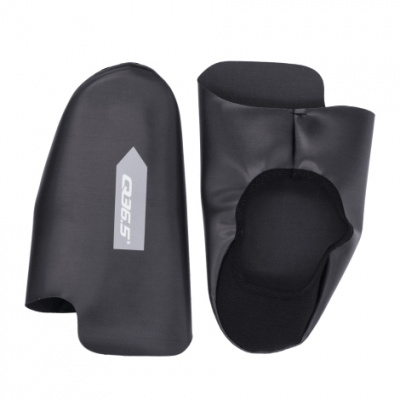
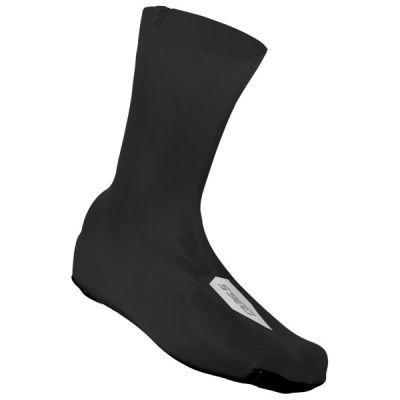
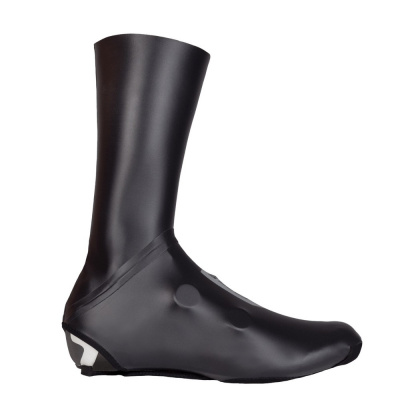
Q36.5 overshoes take a different approach to keeping your feet warm than most of what lines the market. Forget the thick, heavy neoprene that turns your shoes into damp saunas after an hour - Q36.5 builds their protection around proprietary low-volume fabrics that block wind and repel road spray without piling on the bulk. It's a philosophy the brand applies across everything they make, and the overshoes are no different.
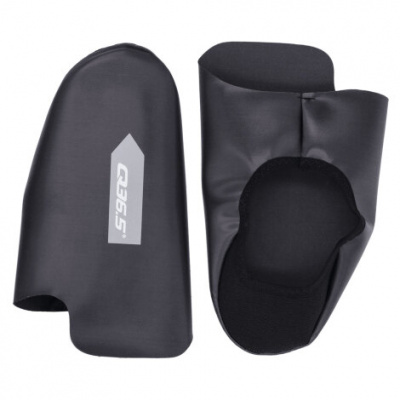
UK riding demands flexibility. One morning you're heading out into a sharp October frost with dry roads; three days later it's a wet January slog through spray off every HGV on the A-road. Q36.5 covers both ends of that spectrum. Their toe covers handle the crisper shoulder-season days where you just need the wind off your toes, while the deep-winter Termica models are built for the kind of freezing miles where your feet would otherwise tap out by the first climb.
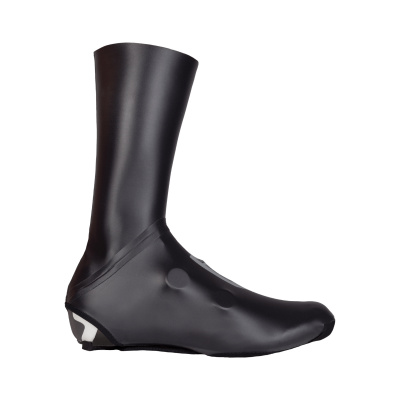
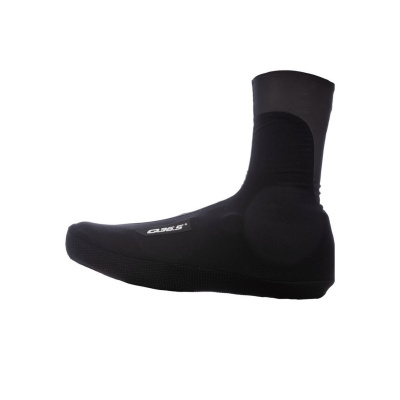
The UF Thermal Shell fabric sits at the core of the range - thin, precise, and genuinely effective at thermoregulation where neoprene just traps heat unevenly. These aren't overshoes you'll stuff into a bag and forget about. They fit close, perform properly, and hold up to gritty winter roads. If your feet are the first thing to call it quits on cold rides, this is the range worth looking at.
Prices and availability can change quickly. Delivery charges are not always included in listed prices.
Final price, stock status and delivery terms are set by retailer. We may receive a commission on purchases made.
Fabric Tech and Weather Performance: Beyond Neoprene
Most overshoes solve the cold problem with volume - pile on the neoprene, hope for the best. Q36.5 goes the other way. The UF Thermal Shell is a proprietary low-volume fabric that manages heat retention without the bulk, which means you get a consistent, controlled warmth rather than the uneven hot-and-cold pockets that thicker materials tend to produce. Think of it less like a winter jacket and more like a decent base layer - fitted, responsive, and working with your body rather than against it.
Wind is the real enemy on exposed winter descents - the kind you get dropping off the North Yorkshire Moors or hammering down from the top of the Brecon Beacons in February. The UF Thermal Shell is genuinely windproof, cutting that chill before it reaches the shoe. For rain and road spray, Q36.5 applies a DWR (Durable Water Repellent) coating that causes water to bead and run off rather than soak through. It handles heavy spray from wet roads well. Torrential, sustained downpours will eventually find their way in - mainly through the cleat holes in the sole or running down from the cuff - but that's a limitation shared by every overshoe on the market, including those from Castelli and Assos.
Breathability matters more than people expect on harder efforts. An overshoe that can't vent heat during a long climb will leave your feet clammy by the top, which is just as uncomfortable as cold. The UF Thermal Shell manages this better than neoprene because it's thinner and more reactive - it doesn't hold moisture against your foot the same way. For genuinely deep winter conditions, the Termica models add a heavier thermal insulation layer while keeping the same close fit, so you're not sacrificing the shoe's feel just to stay warm.
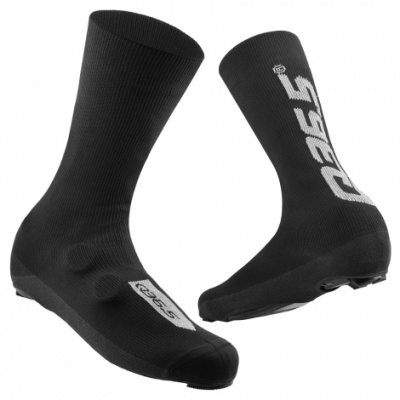
Reflective detailing is stitched into the construction rather than slapped on as an afterthought, which keeps visibility consistent even after repeated washing. On short winter days where you're finishing in the dark, that low-light presence matters.
Understanding the Q36.5 Fit and Range
The range is structured around temperature, which makes choosing straightforward once you know where your rides typically sit. Toe covers are the starting point - minimal coverage, very light, suited to the kind of conditions where your toes need wind protection but you're not dealing with sustained cold. They work well paired with Q36.5 merino socks on autumn mornings where the temperature is hovering around eight or nine degrees and the roads are dry.
Step up to full overshoes for anything colder or wetter. The standard models suit the bulk of UK winter riding - temperatures from around five degrees down, with the usual mix of rain, spray, and wind. The Termica versions push that range further down, built for the days when you're genuinely questioning your life choices somewhere exposed and freezing. If you're riding Q36.5 gravel shoes with a wider last or a burlier sole, the Termica's added coverage sits differently over that profile than over a slim road shoe.
Sizing runs close to your road shoe size, but the fit is deliberately snug - these are designed for a second-skin finish over standard road cycling shoes. If you're between sizes, go up. If you're stretching them over wider-soled gravel or MTB shoes, definitely go up. Getting the fit wrong here affects both the aero profile and how well the cuff seals around your ankle, so it's worth spending a moment on the size guide rather than defaulting to your shoe size and hoping for the best.
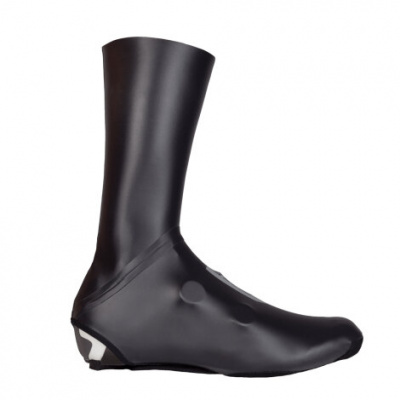
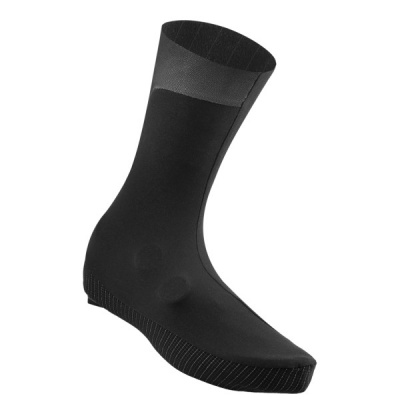
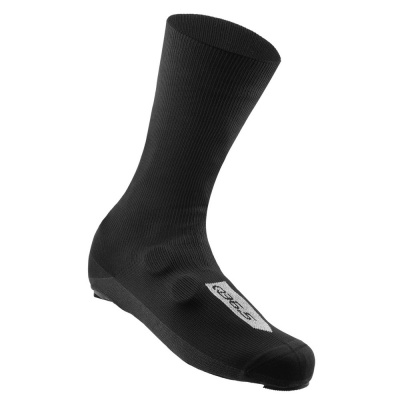
The zipperless design is worth understanding before you pull them out of the packet for the first time. There's no zip running down the back or side, which removes a common weak point for water ingress and cleans up the aero profile considerably. Compared to zipped alternatives like some from Spatzwear or Gore Bike Wear, the stretch construction moulds tightly to the shoe with fewer seams for water or wind to exploit. The trade-off is that putting them on takes a bit of technique, which we cover in the FAQ below.
Layering and Care for UK Riding
Even the best overshoe can be undone by water tracking down your leg from your tights. It's a common one - you stay dry for twenty minutes, then the cuff fills up as rain runs off your knees. Pairing your Q36.5 overshoes with Q36.5 bib tights that have a fitted, close ankle cuff largely solves this, keeping the water column from making its way south. Merino winter socks add a useful extra layer of warmth and handle moisture well if anything does get in.
On really wet days, a light smear of Vaseline around the cleat hole before you head out reduces the amount of spray that works its way up through the sole. It's not a perfect seal, but it makes a noticeable difference on long rides in heavy rain. Keep a rag in the car - overshoes pick up road grime fast and are much easier to clean before it dries hard.
For washing, keep it cool - a 30-degree machine wash with a gentle detergent is fine. Avoid fabric softener entirely; it degrades the DWR coating quickly, and once that's gone, the fabric starts absorbing water rather than shedding it. Hang them to dry naturally rather than tumble drying, and if the DWR starts to underperform after extended use, a dedicated reproofing spray (Nikwax or similar) brings it back without damaging the UF Thermal Shell. Storing them flat rather than folded helps keep the stretch consistent over time.
Q36.5 road and road shoes are worth considering alongside if you're building a full cold-weather setup - the overshoes are designed with Q36.5's own lasts in mind, which means the fit over their shoes is particularly precise.
Q36.5 Overshoes FAQs
How do I choose the right size Q36.5 overshoes?
Q36.5 overshoes are cut for a close, aerodynamic fit over standard road cycling shoes, so the sizing runs true to your shoe size. If you're between sizes, go up. If you're fitting them over wider gravel or MTB shoes with a burlier sole, definitely size up - getting it wrong affects both the fit at the cuff and how well the overshoe seals against wind and water.
Are Q36.5 overshoes fully waterproof?
The DWR-treated fabrics handle heavy road spray and rain showers very effectively, and the zipperless construction removes a common weak point for water entry. In sustained, torrential downpour, water can eventually find its way in through the cleat holes in the sole or by tracking down from the cuff - that's a shared limitation across the category, not specific to Q36.5.
How do you put on tight zipperless cycling overshoes?
Work the overshoe onto your ankle and lower calf before your cycling shoe goes on. Once the shoe is fastened, pull the overshoe down over your heel and stretch it forward over the toe box. Trying to force it over a fully laced shoe is harder than it needs to be - doing it in this order makes the whole thing straightforward.