
Assos Overshoes
Assos overshoes have long been the benchmark for riders who treat cold, wet roads as a scheduling inconvenience rather than a reason to stay home. Whether you're grinding out base miles through a damp November in the Peaks or chasing watts on a freezing February morning club run, keeping your feet warm and dry is non-negotiable - and Assos builds shoe covers with the same obsessive material science they apply to their bibs and jerseys.
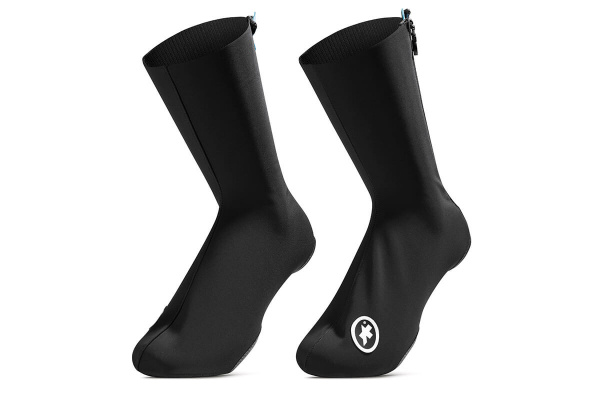
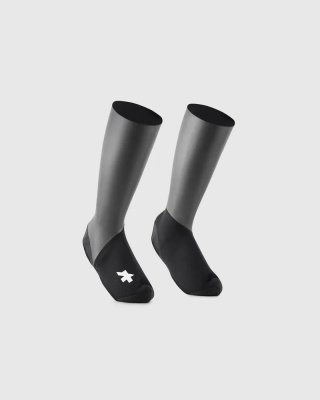
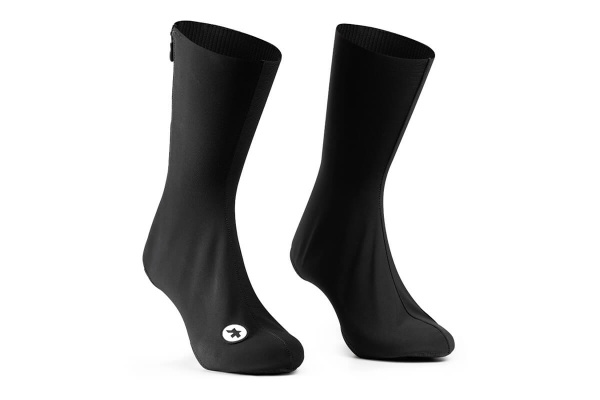
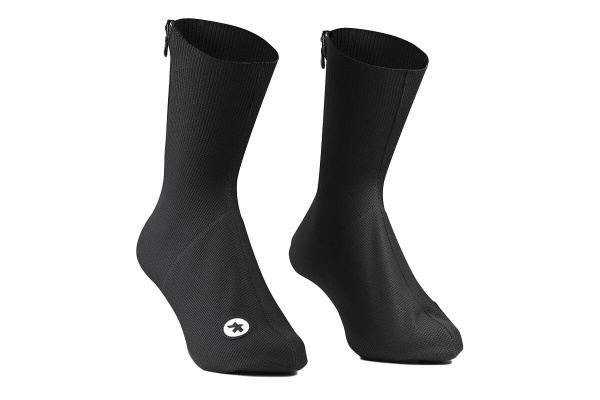
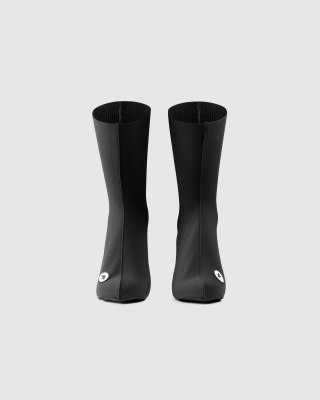
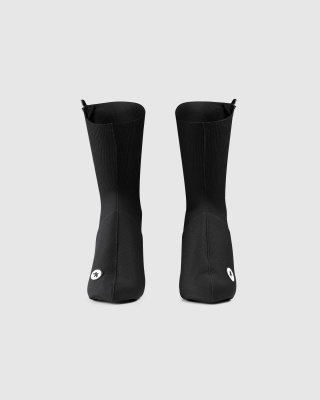
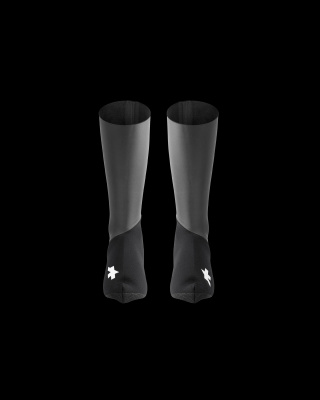
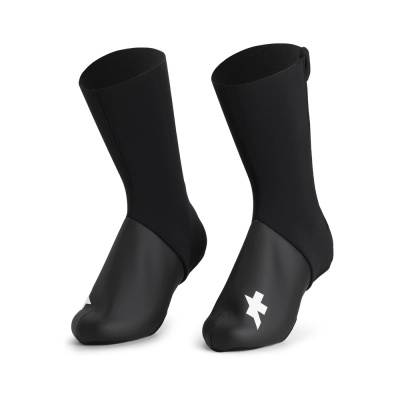
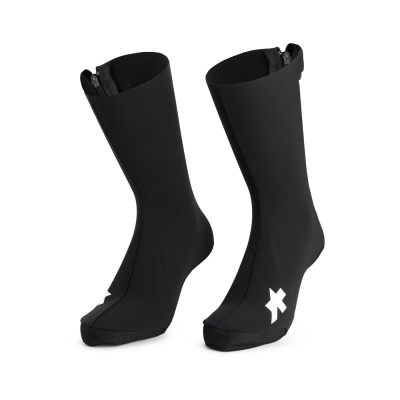
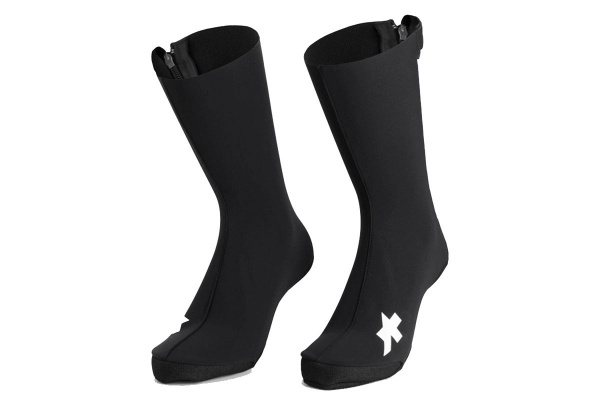
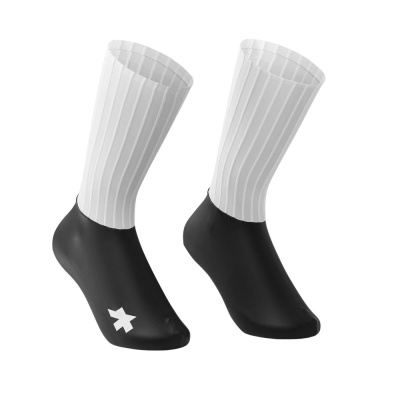
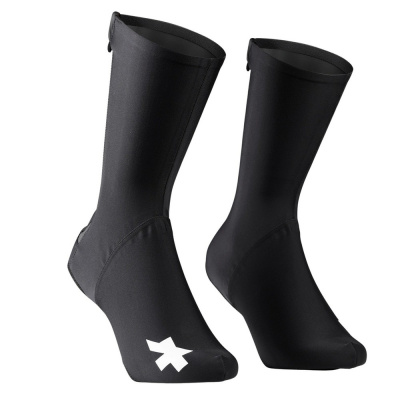
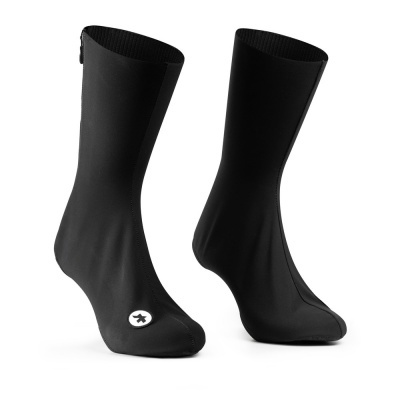
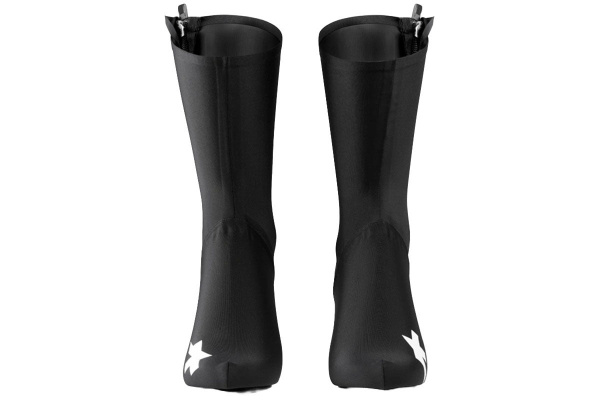
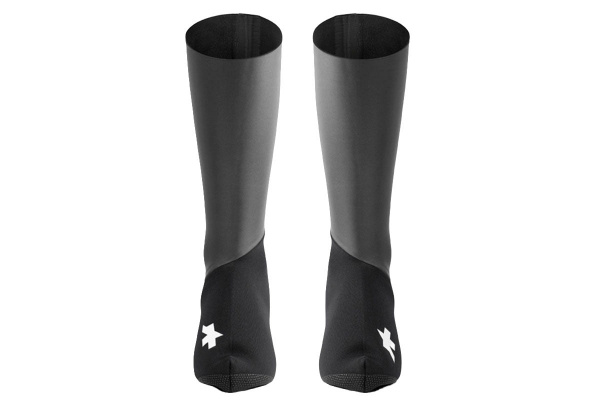
The range splits clearly by purpose. The MILLE GT line handles the deep-winter shift: thick thermal insulation, robust weather resistance, and enough room to accommodate a heavier winter shoe without strangling your foot. The EQUIPE RS booties take the opposite approach - a second-skin aero profile designed around race fit, where a smooth, form-following silhouette matters as much as the warmth. Both lines use Assos's proprietary twinDeck fabric and taped seams, and the zeroCuff zipperless construction removes the leaky zip that plagues so many competitors. Windproof, water-resistant, and aerodynamically considered - these are shoe covers built for the reality of UK riding, not a brochure shoot in the Alps.
Prices and availability can change quickly. Delivery charges are not always included in listed prices.
Final price, stock status and delivery terms are set by retailer. We may receive a commission on purchases made.
Fabric Tech and Weather Performance
The core of what makes Assos overshoes work in genuinely grim conditions is the twinDeck foil - a dual-layer construction that places a windproof membrane against an outer face fabric engineered to shed water before it can soak through. It's not a single layer of softshell doing two jobs at once; it's a system where each layer earns its place. The result is a cover that handles a freezing headwind coming off the Dales without the clammy stuffiness you get from cheaper single-layer options.
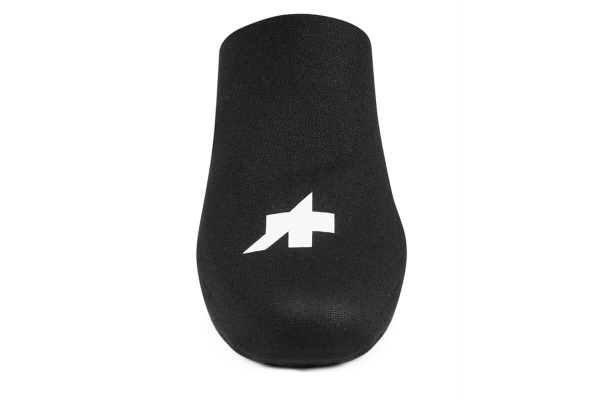
On the deeper winter models, Assos layers in Neoprene panels - particularly around the toe box and lower ankle - where road spray hits hardest. Neoprene traps a thin layer of warmth even when wet, which matters when you're 40 kilometres from home and the road is throwing up a continuous fine mist. The taped seams close the gaps that stitching alone can't seal, preventing water tracking through the needle holes under pressure. It's a detail that sounds minor until you've ridden the alternative.
DWR (durable water repellent) treatment on the outer face means light rain beads off rather than soaking in, keeping the thermal insulation effective for longer. Castelli overshoes use comparable membrane systems, but Assos's twinDeck architecture tends to maintain breathability better on harder efforts - less of that damp-from-the-inside feeling on a climb.
Understanding the Assos Fit and Range
Get the fit wrong and even the best weather protection counts for little - a poorly fitted overshoe lifts at the heel, lets cold air funnel in, and flaps aerodynamically at speed. Assos structures its range to avoid this by tailoring each line to a specific shoe and rider profile.
The EQUIPE RS booties are built for race shoes: narrow, low-volume, and cut to sit flush against the shoe's silhouette with almost no excess material. On a road race or a fast sportive, this matters - turbulence around your foot at 40 km/h is measurable drag, and the EQUIPE RS minimises it. The fit is precise, so if you're wearing a bulkier shoe or have wide feet, these will feel restrictive. They're not designed to be generous.
The MILLE GT line gives you more room. That extra volume accommodates winter-specific cycling shoes - the kind with stiffer soles and slightly more material - without compressing the shoe's fit system or pinching the toe box. If you're on Assos bib tights and planning to be out for three or four hours in January, this is the line to look at.
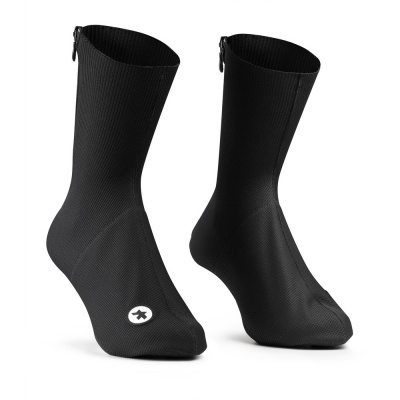
Across both ranges, the zeroCuff zipperless construction is the detail worth understanding. Most overshoes use a zip or velcro closure at the back - functional, but a structural weak point that allows water ingress and, over time, chafing against the ankle. Assos eliminates the zip entirely, using a stretch-engineered cuff that seals itself against your leg through tension alone. There's no seam at the rear to let water track through, and no zip to snag or fail mid-ride. The trade-off is that getting them on takes a specific technique - but once you've done it a few times, it's straightforward.
Sizing uses Assos's Roman numeral system (0, I, II), mapped to European shoe sizes. Broadly: 0 covers EU 36 - 39, I covers EU 40 - 43, and II covers EU 44 - 46. If you're at the top of a bracket or using bulkier winter footwear, go up. Spatzwear overshoes also run a similarly snug sizing philosophy, so if you've sized those before, that experience translates reasonably well here.
Layering and Care for UK Riding
An overshoe works hardest when it's part of a coherent system, not an afterthought pulled on in the car park. For most UK winter riding, the logical build from the foot up starts with Assos thermal socks - they add a layer of insulation directly against the skin and fill the sock zone of the overshoe cleanly, reducing air pockets. Over the top of the overshoe, Assos bib tights should overlap the cuff to close off the ankle gap. Even a centimetre of exposed skin between tight and overshoe becomes the cold spot on a long ride. It sounds obvious, but it's the one thing most riders get wrong first time out.
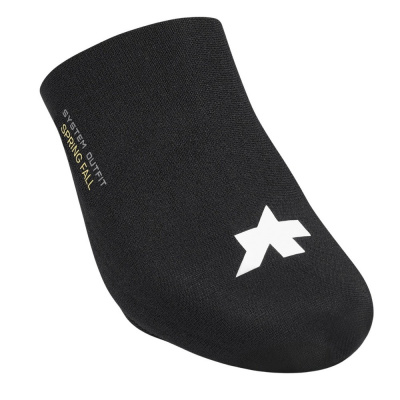
For transition season rides - those brisk October mornings where the temperature's borderline - Assos toe covers are worth considering over a full bootie. They're lighter, easier to pocket if the sun comes out, and sufficient for a couple of degrees above freezing. GripGrab offer solid alternatives in this space if you want to compare coverage options.
Care is straightforward but important. Wash Assos overshoes at 30°C or below, on a gentle cycle, and skip the fabric softener - it degrades the DWR coating and reduces the membrane's effectiveness faster than normal use ever would. Air dry only; a tumble dryer will compromise the elasticity of the zeroCuff and the thermal properties of the neoprene panels. A periodic re-proofing spray (applied after washing, while the fabric is still damp) restores the DWR treatment and extends the life of the outer face significantly. A pair of these, properly cared for, will comfortably see you through several UK winters without losing meaningful performance.
If you run Assos leg warmers rather than full tights on milder days, check that the cuff overlap still works - some leg warmers sit higher and leave a gap at the ankle that a tighter overshoe cuff won't fully bridge without adjustment.
Assos Overshoes FAQs
How do you put on Assos zipperless overshoes?
Start with the overshoe on your bare foot, pulling the zeroCuff up your ankle before you put your cycling shoe on. Once the shoe is on and fastened, pull the overshoe down over the heel and toe until it sits flush. Doing it in that order makes the stretch work for you rather than against you - trying to force a zipperless bootie over a fastened shoe is a frustrating shortcut.
Are Assos winter booties fully waterproof?
Not fully waterproof in an absolute sense, no. The twinDeck fabric, taped seams, and DWR treatment handle heavy road spray and sustained rain very effectively, and they'll keep your feet dry through most UK rides. In a genuine downpour, water can eventually find its way in through the cleat hole in the sole or track down from your leg - no overshoe in this category fully solves that.
What size Assos overshoes do I need?
Assos uses Roman numeral sizing: 0 fits EU 36 - 39, I fits EU 40 - 43, and II covers EU 44 - 46. If you're sitting at the top end of a bracket, or you're wearing bulkier winter-specific cycling shoes, go up a size. The zeroCuff design is built to stretch and seal, so a slightly larger size won't compromise the fit the way it might with a zipped bootie.