
Q36.5 Gloves
Q36.5 cycling gloves are built around one idea: you should feel the bars, the brake lever, the shift paddle - not a thick layer of insulation getting in the way. Most winter gloves solve warmth by adding bulk, and you end up fumbling for gears like you're wearing gardening gloves. Q36.5 takes the opposite approach, using low-volume proprietary fabrics and precision construction to keep hands genuinely warm without padding out your dexterity.
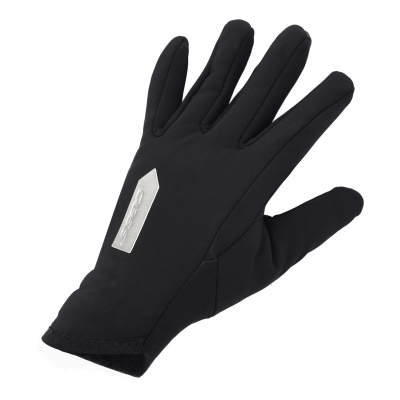
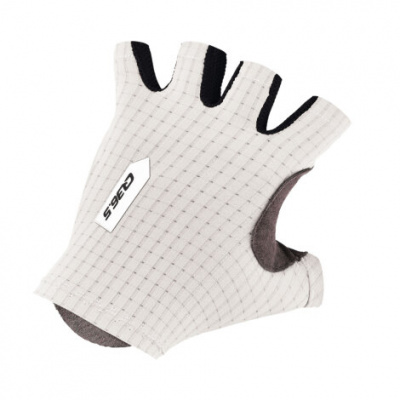
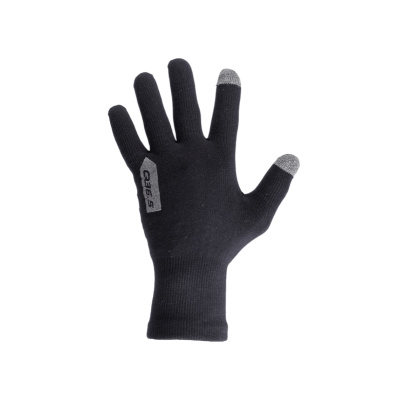
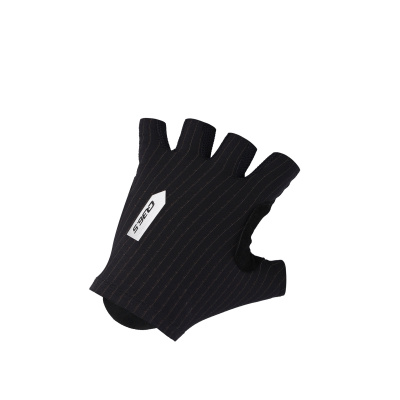
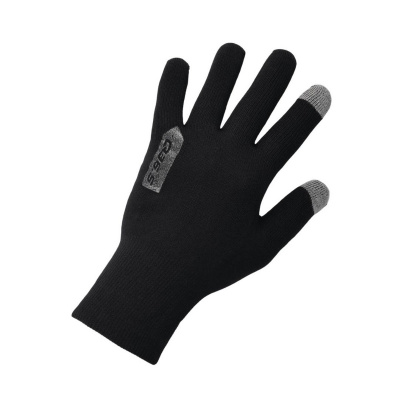
The range runs from stripped-back summer mitts - featherlight, breathable, shaped to disappear on hot climbs - through to deep-winter waterproof models built for the kind of grey, soaking base miles that define a British January. The Anfibio models bring a three-layer waterproof membrane into gloves that still feel close-fitting and responsive. That matters on UK roads, where a dry morning can turn to drizzle by the first café stop and full-on road spray by the time you're heading home.
Seamless palm construction cuts out the friction ridges that cause hot spots on long rides, and the minimalist elastane cuffs seal out drafts without creating a bulky overlap with your jacket sleeve. If cold, numb hands have been costing you control on descents, this range deserves a proper look.
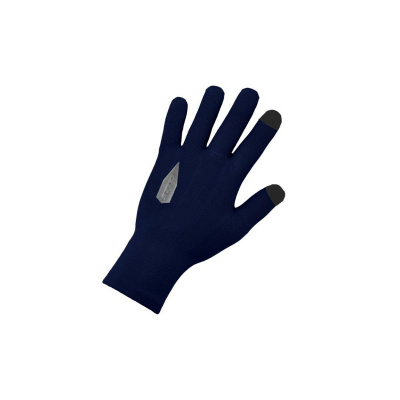
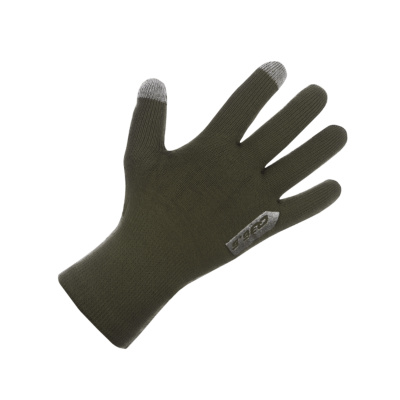
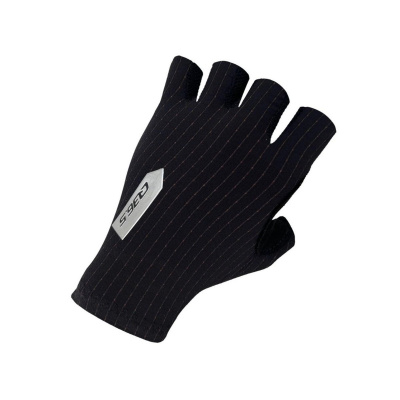
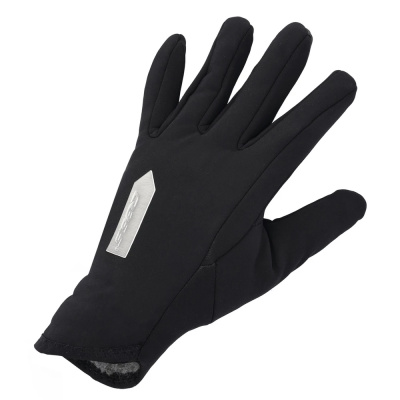
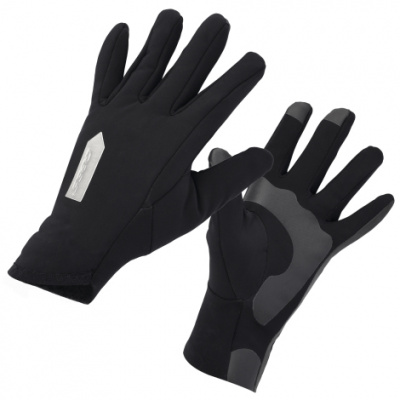
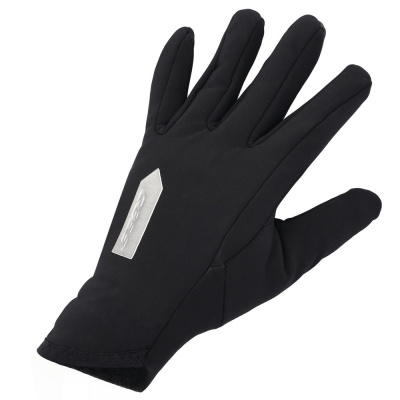
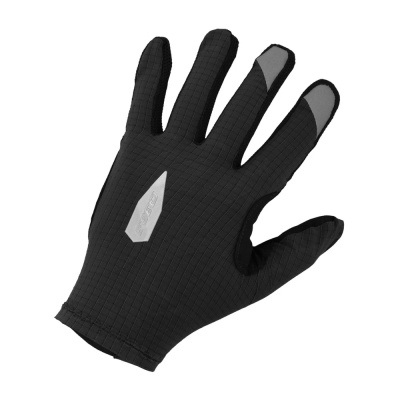
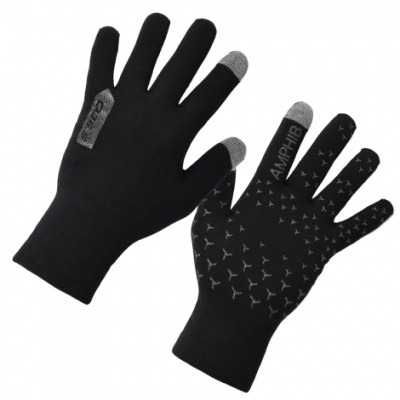
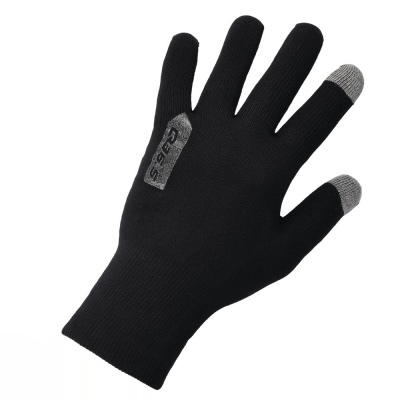
Prices and availability can change quickly. Delivery charges are not always included in listed prices.
Final price, stock status and delivery terms are set by retailer. We may receive a commission on purchases made.
Fabric Tech and Weather Performance
The core of what makes Q36.5 cycling gloves work in changeable conditions is the material thinking behind them. The UF Thermal fabric used across the winter range traps heat through a low-profile structure - thin enough that you're not adding a centimetre of material between your fingers and the bar tape, but insulating enough that thermoregulation holds on a cold Peak District morning where the temperature barely clears three degrees. You get warmth without the wrestling match every time you reach for a pocket.
On the wetter end of the range, the Anfibio membrane is a three-layer waterproof and breathable construction that blocks road spray and persistent drizzle without turning your hands into a sauna on the climbs. The breathability is the part that actually matters in UK riding - a glove that's waterproof but non-breathable just moves the moisture problem from outside to inside. The Anfibio design handles both. DWR treatment on the outer face adds another layer of defence, causing water to bead and run off the surface before it can saturate the fabric. Worth noting: DWR does degrade with washing and wear, so maintaining it properly keeps the gloves performing as intended (more on that below).
Where Q36.5 differs from something like Gore Bike Wear gloves or Castelli gloves is in how deliberately they've prioritised tactile control alongside protection. The seamless palm construction removes the ridge lines that more conventional gloves leave across high-contact zones. On rough British tarmac - think poorly patched A-roads or chip-sealed lanes in the Dales - that seamless contact with the bar reduces the irritation that builds over three or four hours and kills your grip strength before the ride's done.
Understanding the Q36.5 Fit and Range
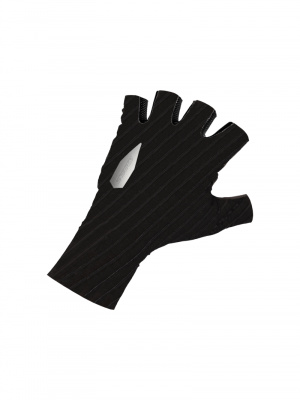
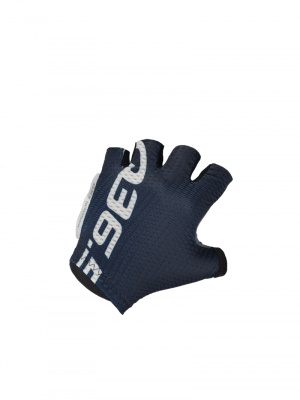
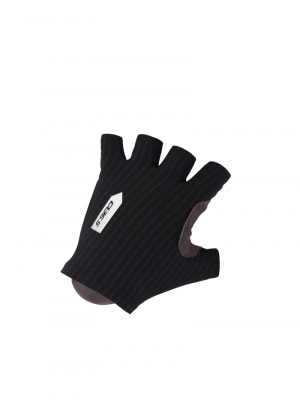
The range has a clear logic to it once you know what you're looking at. Summer mitts sit at one end: minimal coverage, maximum breathability, a close race-snug fit that suits riders who want the glove to be essentially invisible on the hand. The palm padding in these models is deliberately restrained - enough to take the edge off road buzz, not so much that you lose bar feel. If you're riding long sportives in warmer months or racing crits, this is the end of the range to focus on.
Move towards autumn and you're into transitional models with longer cuffs and slightly more structure. Then the deep-winter Q36.5 winter gloves - Anfibio and Termica - which handle the full British winter spectrum. The Anfibio is the wet-weather tool. The Termica leans harder into dry cold, using UF Thermal fabric throughout for maximum thermoregulation on those frost-on-the-lanes days when it's bitter but clear.
Fit across the range runs close and race-oriented. The Q36.5 glove sizing guide positions these as second-skin gloves, and that's accurate - they're not roomy. If you measure between sizes, go up. Same call if you're planning to wear a thin silk liner underneath on the coldest days; a size up gives you enough room to layer without compressing the insulation or losing circulation. Summer mitts, by contrast, tend to fit true to size and reward a precise fit for the snug, no-movement feel on the bar.
Compared to the broader fit approach of something like GripGrab gloves or Assos gloves, Q36.5 sits firmly in the precision-fit camp. That suits riders who prioritise control over casual comfort, but if you've got wider hands or like a bit of room, try before you commit or check the sizing chart carefully. The Q36.5 Anfibio gloves in particular have a structured build that can feel firm at first - that eases slightly as the materials break in over a few rides.
Layering and Care on UK Rides
One detail that makes a real difference on wet days: tuck the glove cuffs under your jacket or Q36.5 arm warmers, not over them. Water running down your sleeve will find its way inside the glove cuff unless you create that overlap. It's the same principle as overlapping a waterproof jacket over bib shorts - gravity does the rest. Takes two seconds in the car park and saves you forty minutes of riding with wet palms.
Pair the winter gloves with a Q36.5 jacket and Q36.5 overshoes and you've got a system where all the cuffs and closures work together - the minimalist elastane cuffs on the gloves are specifically cut to sit cleanly under a sleeve without bunching. That matters when you're trying to keep drafts out on a fast descent in November.
Care is straightforward but the rules matter. Wash at 30°C with a mild, non-biological liquid detergent - nothing with enzymes, nothing with brighteners. Hang to dry away from radiators and direct sunlight. The single most important rule: no fabric softener, ever. Fabric softener coats the fibres and destroys the DWR treatment, turning a waterproof glove into a sponge within a couple of washes. It also clogs the breathable membrane in the Anfibio models. If the DWR starts beading less effectively over time, a low-heat tumble dry or a specialist DWR re-proofer spray (applied after washing and dried in) can restore much of the performance. It's the same process you'd use on a waterproof jacket - the materials respond to the same treatment. A Q36.5 base layer follows the same care logic, so if you're already washing the kit together, keep the routine consistent.
Q36.5 Gloves FAQs
Are Q36.5 cycling gloves true to size?
Generally yes - Q36.5 gloves are cut for a close, race-oriented fit to maximise bar feel and tactile control. If you're between sizes, go up. The same applies if you plan to wear a thin liner underneath during deep winter rides; the extra room stops you compressing the insulation or restricting blood flow.
Are Q36.5 Anfibio gloves fully waterproof?
They use a three-layer waterproof and breathable membrane that handles road spray and sustained UK rain very effectively - for practical purposes in normal riding conditions, yes, they're waterproof. In genuinely torrential conditions or after prolonged exposure, some moisture can eventually work through around the cuff. Tucking the cuff under your sleeve reduces that risk considerably.
How should I wash Q36.5 winter cycling gloves?
Wash at 30°C with a non-biological liquid detergent and hang to dry naturally, away from direct heat. Never use fabric softener - it strips the DWR coating and blocks the breathable membrane, degrading the glove's weather performance fast. If water stops beading off the outer surface, a DWR re-proofer spray after washing can restore much of the repellency.