
Assos Gloves
Assos cycling gloves treat your hands as a critical contact point rather than an afterthought - and the difference shows the moment you reach for the brakes in the wet. From micro-perforated summer mitts that keep your grip honest on a sweaty sportive climb to TwinDeck-insulated winter gloves that hold warmth against a freezing February headwind, there's a clear system at work here. Assos organises the entire range around their ClimaCode framework, so you're not guessing at what works when - each glove sits firmly in a 1/3 summer, 2/3 spring/autumn or 3/3 winter category, and the textiles are chosen accordingly. That precision matters in the UK, where conditions can swing from a damp October chill to a proper icy slog through the Dales before Christmas. What sets Assos apart from the broader market isn't just insulation weight or palm padding choices - it's the anatomical, zero-bunching fit that keeps the fabric from folding against your palm when you're locked onto the hoods for three hours. Tactile feedback, vibration dampening, windproof softshells, neoprene rain protection - all considered, all present in the right models. Whether you're racing or grinding out base miles, this range has a glove built to match the conditions.
Prices and availability can change quickly. Delivery charges are not always included in listed prices.
Final price, stock status and delivery terms are set by retailer. We may receive a commission on purchases made.
Fabric Tech and Weather Performance: The ClimaCode Advantage
Assos built their ClimaCode system to cut through the noise around glove selection. The logic is straightforward: 1/3 gloves cover warm-weather riding where breathability is everything, 2/3 gloves handle transitional conditions - think a breezy spring morning in the Chilterns or a cool October evening where the temperature's dropped but it's not yet properly cold - and 3/3 gloves tackle deep winter. Each band gets different textiles, not just different thicknesses.
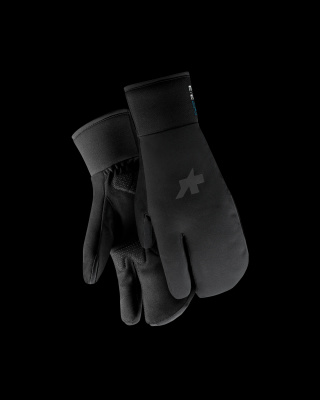
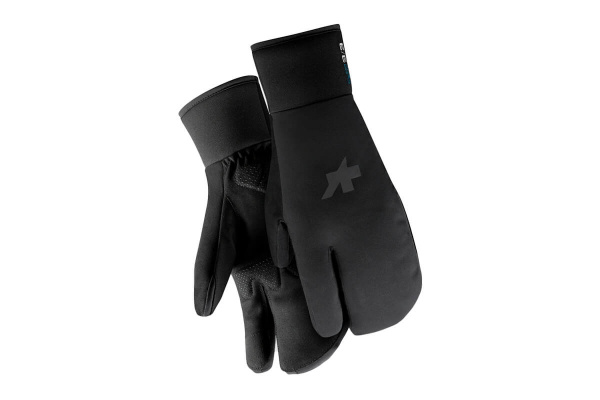
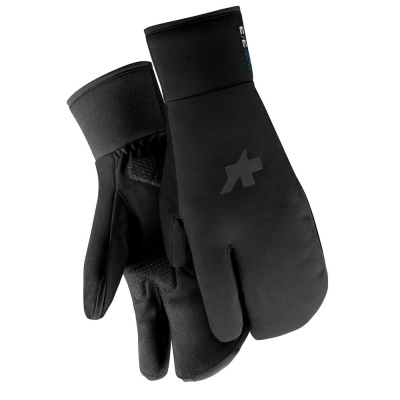
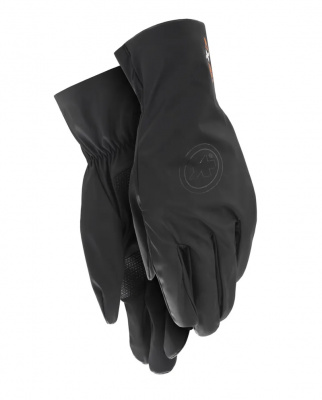
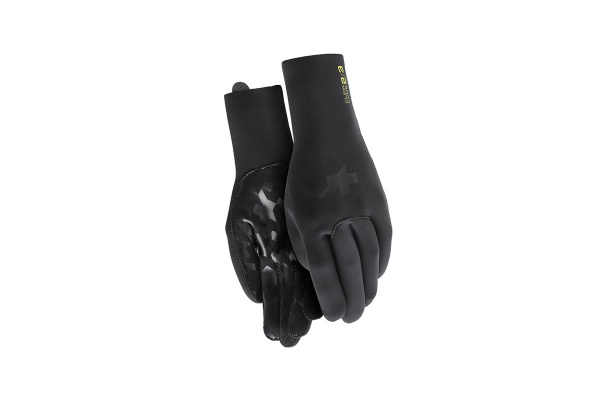
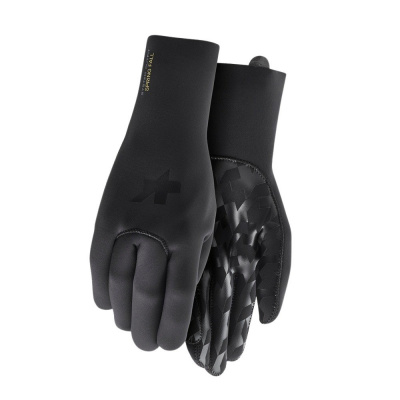
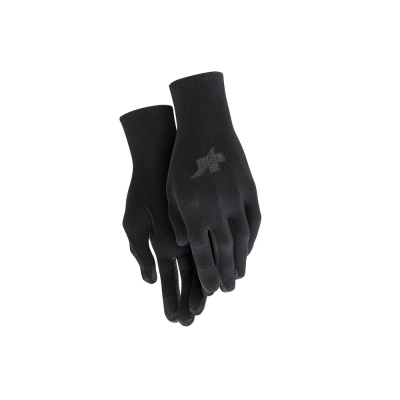
In the 3/3 winter tier, TwinDeck construction is the defining feature. It works as a double-layer fabric that traps a thin air pocket between layers, which insulates without the kind of bulk that kills dexterity. You can still feel the shift paddle. You can still modulate the brake lever with confidence. That's not always a given with heavily insulated gloves, and it's where Assos separates themselves from the broader winter glove market - including strong options like Gore Bike Wear gloves, which take a more straightforward softshell approach. For riders who regularly face sleet on long winter rides, Assos also deploy neoprene textiles in specific rain gloves. Neoprene holds warmth even when saturated, making it genuinely useful when a softshell DWR coating has long since given up.
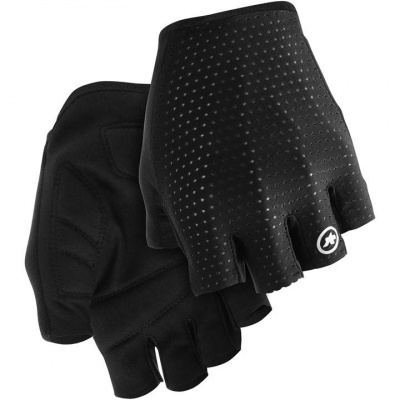
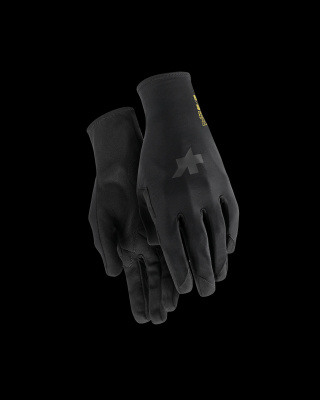
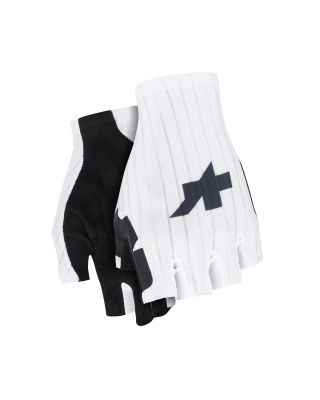
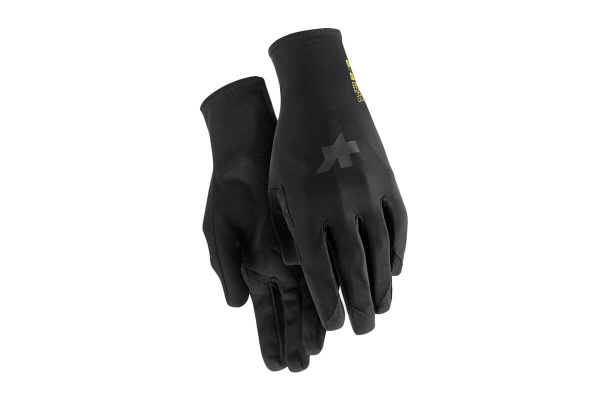
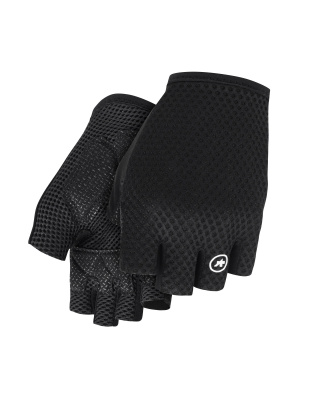
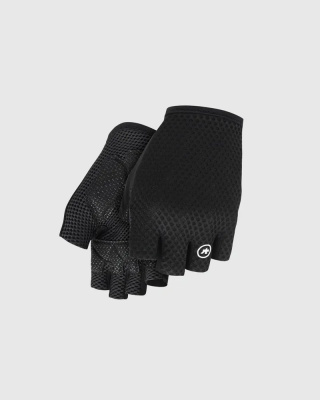
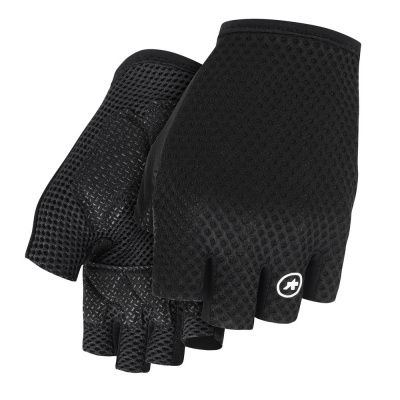
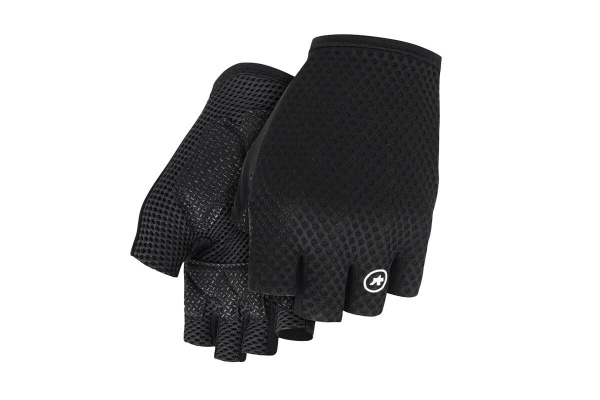
At the other end of the range, the summer mitts use micro-perforated panels on the palm and a 3D mesh back. The perforation isn't decorative - it pulls moisture away during sustained efforts so your grip doesn't degrade mid-climb. If you've ever lost feel on the bars during a humid sportive, you'll understand exactly why this matters. The 2/3 spring/autumn gloves sit between these extremes, typically pairing a windproof softshell back with a fleece-lined interior. Reliable up to about the point where you'd normally also be reaching for a gilet.
Understanding the Assos Fit and Range
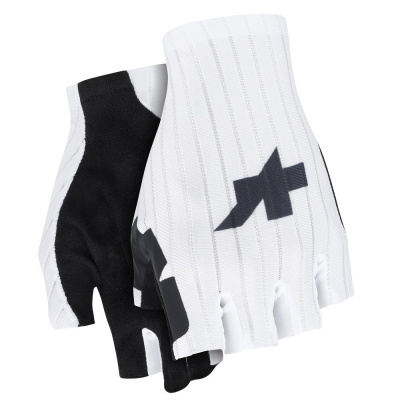
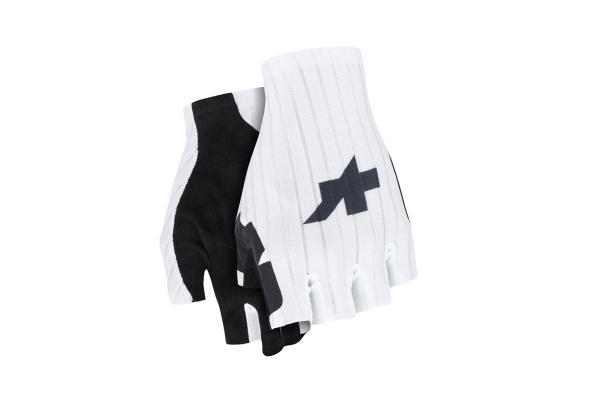
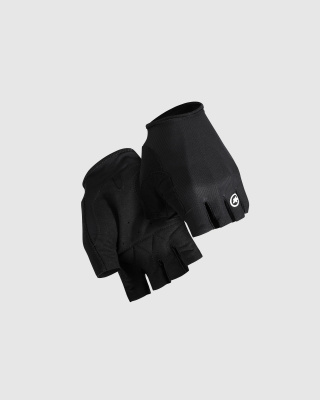
Two main product lines define the Assos glove range for road riders. The Equipe RS line is built around a race-oriented, second-skin fit - low-profile cuffs, minimal palm padding, and an aerodynamic cut that prioritises feel over cushioning. If you're chasing fast times or riding with a lot of bar input, this is the line to look at. The trade-off is that the reduced padding makes longer endurance days harder on the ulnar nerve. Know what you're signing up for.
The Mille GT line takes a different position. Cuffs are slightly more relaxed, and the palm includes targeted vibration-damping inserts positioned specifically to reduce ulnar nerve pressure - the kind of numbness that creeps in after two or three hours on rougher roads. It's not a padded-up compromise; it's a deliberate endurance geometry. For a full day in the Peak District or a hilly sportive, the Mille GT's approach to comfort holds up better. For alternatives across different price points, Castelli gloves and GripGrab gloves offer comparable segmentation between race and endurance fits if you're comparing options.
On sizing: Assos gloves run anatomically precise, which means they tend to fit true to size for most riders. The fit is snug by design - that's how the zero-bunching palm works. If you plan to layer a thin liner underneath in winter, or if your hands sit right on the border between two sizes, go up. A glove that's slightly too tight across the knuckles will restrict circulation exactly when you don't want it to. Check Assos's own glove sizing guide: it's based on hand circumference rather than a vague S/M/L description, and it's worth the thirty seconds it takes to measure.
Layering and Care for UK Riding
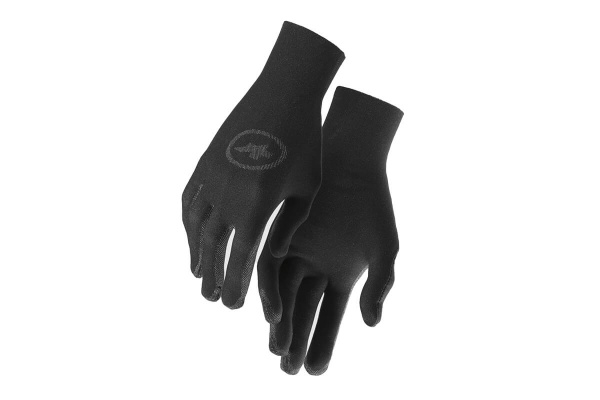
Getting the most from Assos winter cycling gloves means thinking about them as part of a system rather than a standalone purchase. A pair of 2/3 spring gloves paired with Assos arm warmers gives you a genuinely flexible setup for the kind of changeable days that define a British March. Peel the warmers off at the halfway café stop, keep the gloves on - you're covered for both directions of a temperature swing. Similarly, adding an Assos jacket into the mix for proper winter rides creates a coherent weather defence rather than a collection of mismatched kit. Don't overlook Assos overshoes either - cold feet and warm hands is an awkward combination that most winter rides will punish.
Care is where a lot of riders quietly ruin expensive gloves. Biological detergents and fabric softeners strip the DWR coating from softshell fabrics faster than riding does. Use a non-bio detergent, cold wash, and skip the softener entirely. For summer mitts with delicate 3D mesh backs, washing in a mesh laundry bag stops the structure from snagging or distorting in the drum. Hang to dry - never tumble-dry anything with a DWR or windproof membrane. It takes thirty seconds of care per wash cycle to keep a quality glove performing for two or three seasons rather than one.
One practical note on winter gloves specifically: once the DWR does eventually degrade, a spray-on DWR re-treatment applied after washing can restore a meaningful amount of water resistance. It won't bring a glove back to brand-new performance, but it extends useful life and keeps the softshell from immediately saturating in light rain.
Related searches:
Assos Gloves FAQs
How do Assos cycling gloves fit?
Assos gloves use a low-volume, anatomical cut designed to sit flush against the palm without bunching when you grip the bars. They generally run true to size based on hand circumference - Assos publish a dedicated sizing guide for this. If you're between sizes or want to layer a thin liner underneath in winter, size up rather than squeeze into the smaller option.
Are Assos winter gloves waterproof?
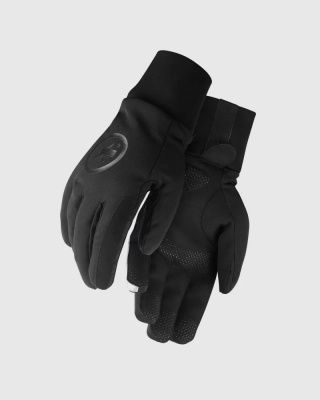
The Ultraz and wider 3/3 winter range use windproof softshell fabrics with DWR treatment - highly water-resistant in road spray and moderate rain, but not fully waterproof in sustained downpours. For genuinely torrential conditions, Assos's dedicated neoprene rain gloves are the stronger choice; neoprene retains warmth even when wet, which a standard softshell won't.
Which Assos gloves are best for summer riding?
The Equipe RS and Mille GT summer mitts are the ones to look at. Both use 3D mesh backs for airflow and micro-perforated palms to wick sweat and maintain grip during hard efforts. The Equipe RS is the leaner, race-oriented option; the Mille GT adds a touch more palm cushioning for longer days in the saddle.