
Q36.5 Base Layers
Q36.5 base layers take their name from something literal: 36.5°C, the optimal core temperature of a healthy human body. That's not a marketing angle - it's the engineering brief. Every base layer this Italian brand produces is designed around a single goal: keeping you at that number whether you're grinding up a Welsh climb in a summer heatwave or grinding through a January commute in horizontal sleet.
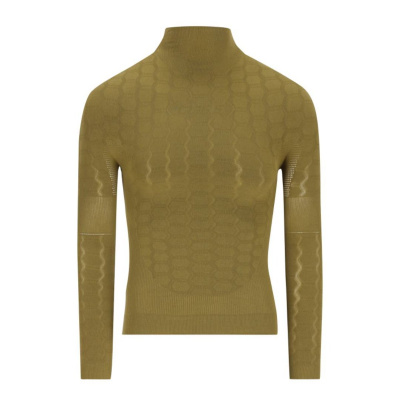
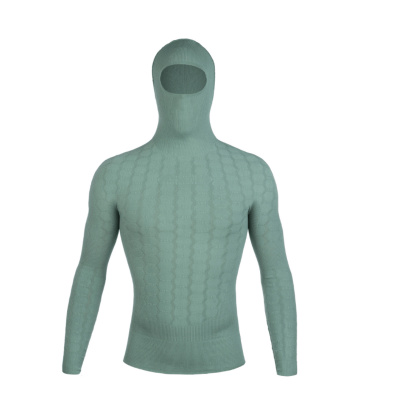
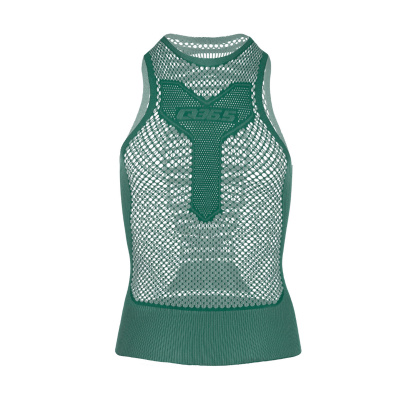
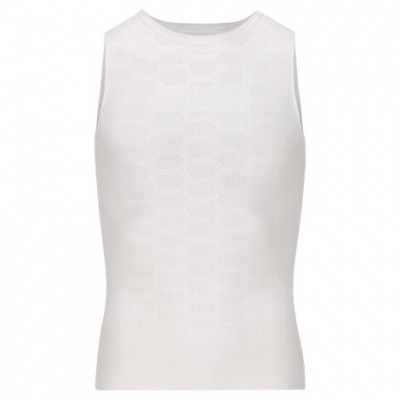
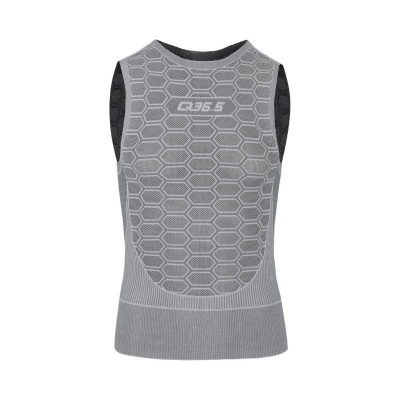
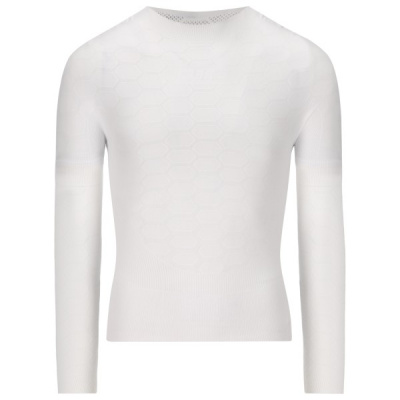
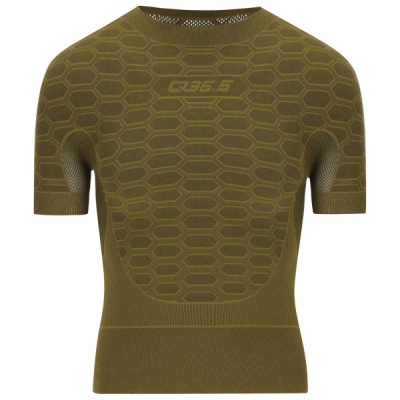
These aren't just thin undershirts to tick a layering box. They're knitted on advanced Karl Mayer seamless machines that allow Q36.5 to vary the fabric density across different zones of the garment - thinner where you run hot, thicker where you need protection. The result is a next-to-skin layer that manages moisture-wicking aggressively, pulling sweat away from your core before it gets the chance to chill you. On a long autumn ride where your effort fluctuates from café stop to full-gas climb, that matters more than most riders realise.
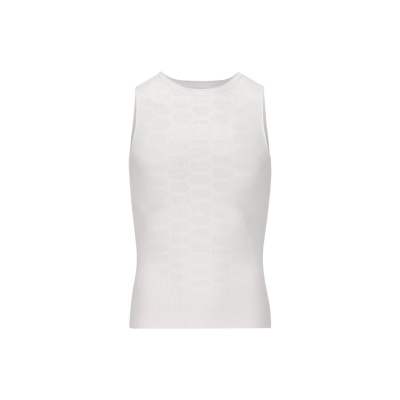
The range runs from featherweight summer options to heavily insulated cold-weather pieces, all using the same seamless, body-mapped construction philosophy. If you care about thermoregulation and spend real time in the saddle across all seasons, Q36.5 base layers deserve serious attention.
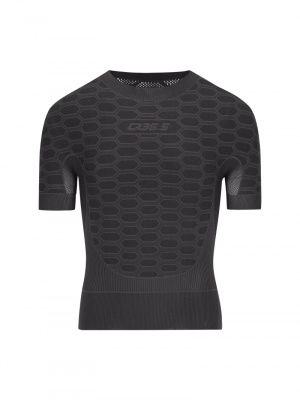
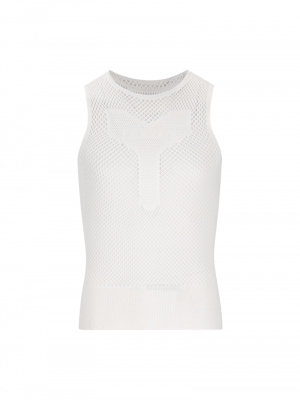
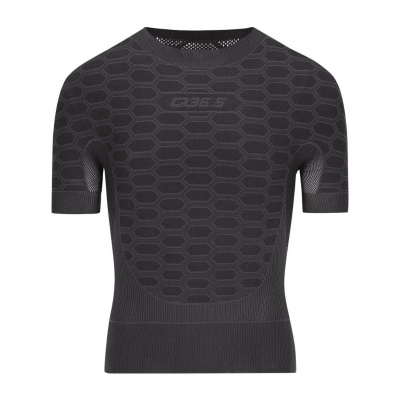
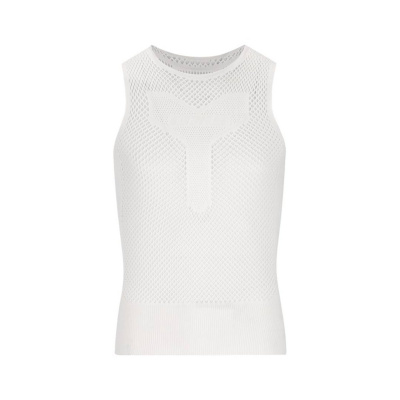
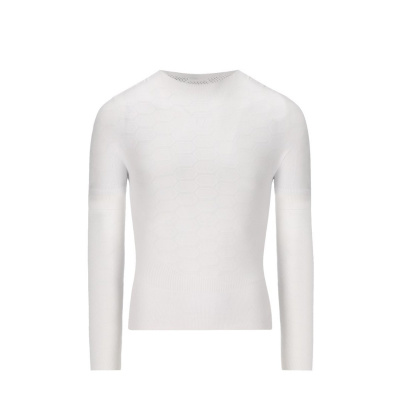
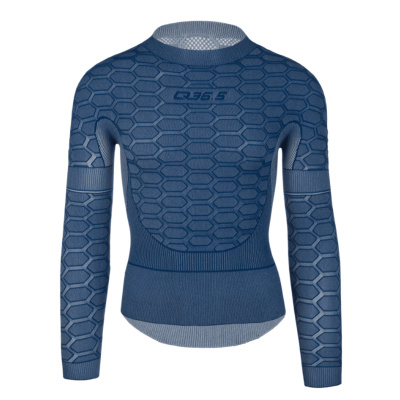
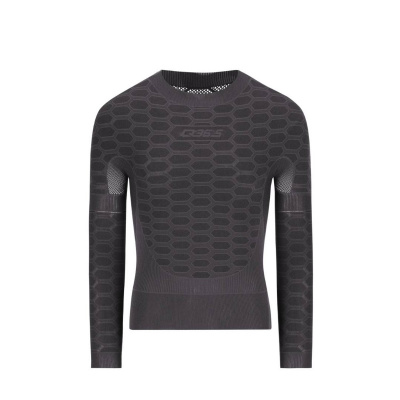
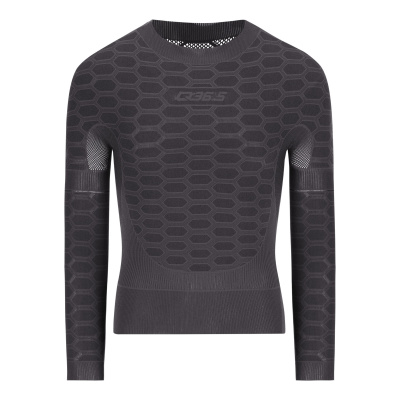
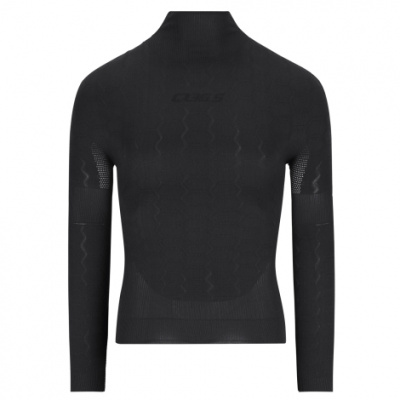
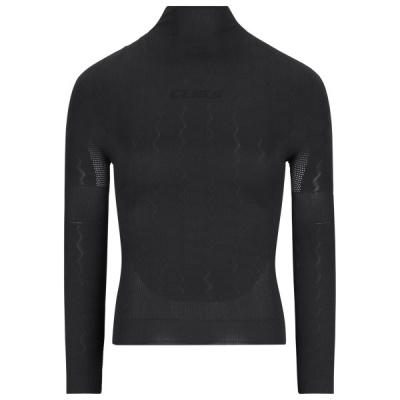
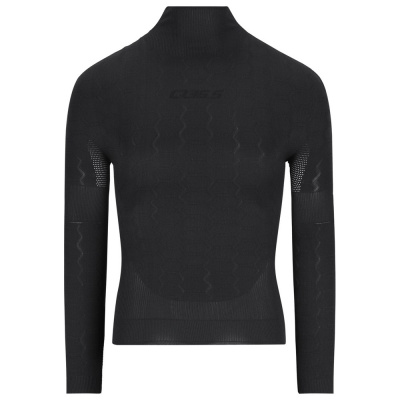
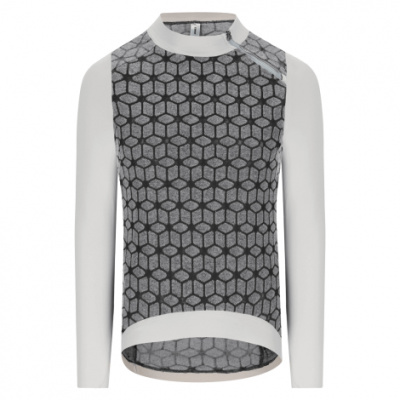
Prices and availability can change quickly. Delivery charges are not always included in listed prices.
Final price, stock status and delivery terms are set by retailer. We may receive a commission on purchases made.
Fabric Tech and Weather Performance: The Science of 36.5°C
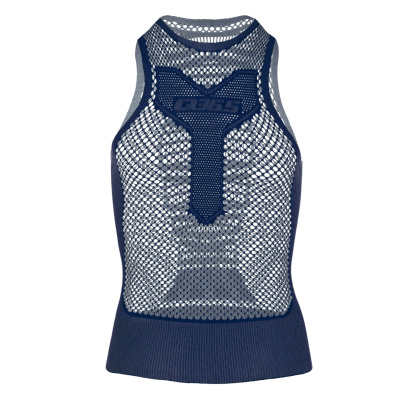
The core technology here starts with those Karl Mayer seamless knitting machines. Without seams, there's nothing to rub against your skin under a jersey for four hours - and anyone who's had a chest seam turn into a cheese grater on a long sportive will know exactly why that matters. But the seamless construction isn't just about comfort. It's what allows Q36.5 to build body mapping directly into the knit, varying the fabric weight and structure zone by zone across a single garment.
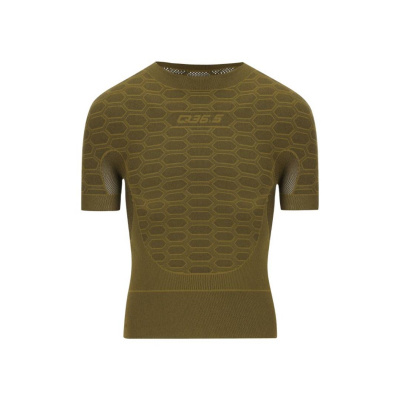
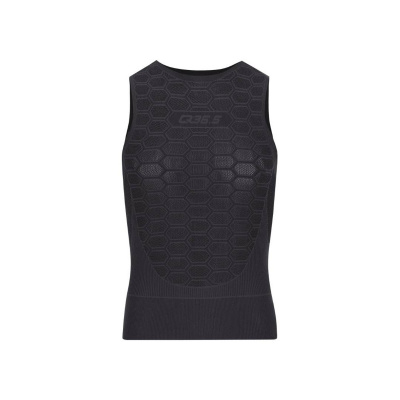
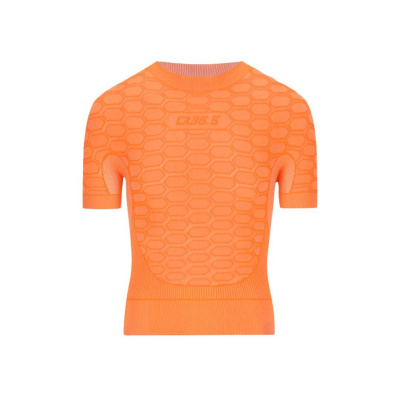
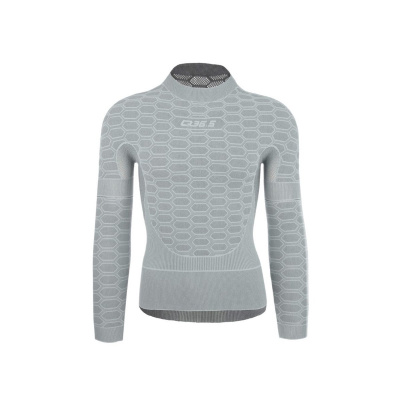
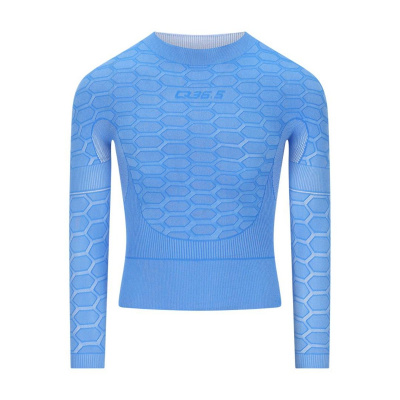
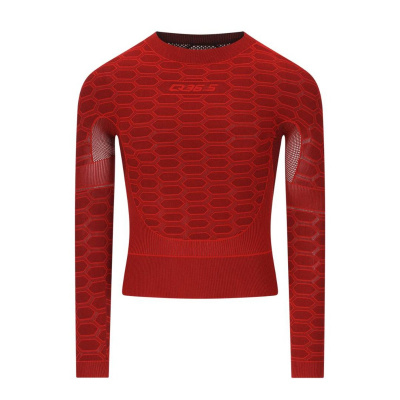
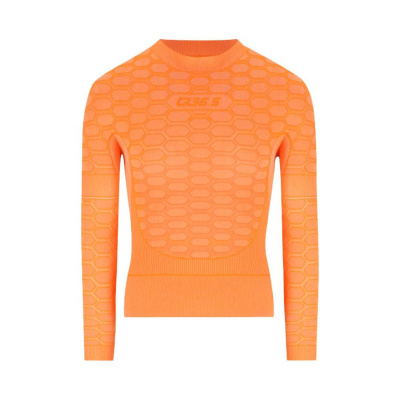
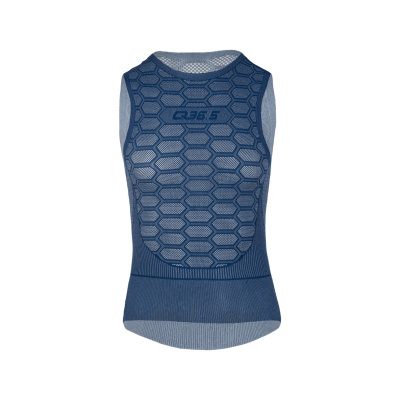
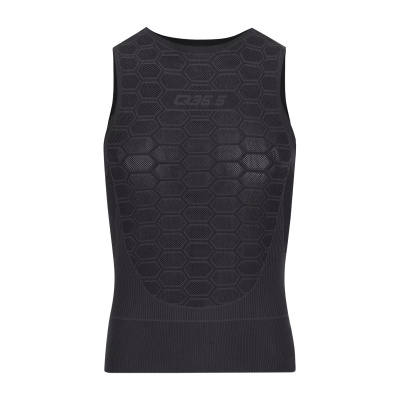
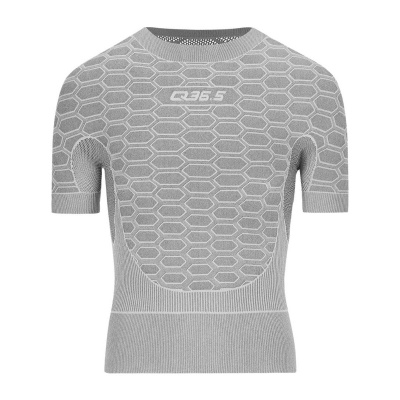
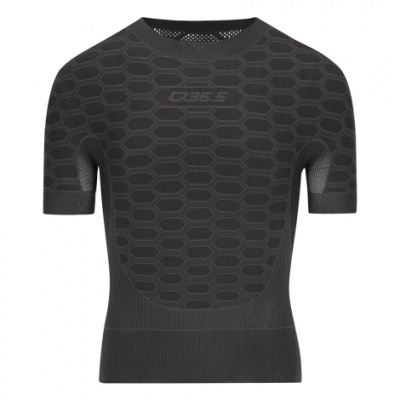
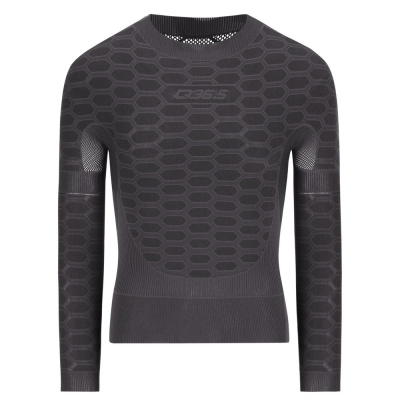
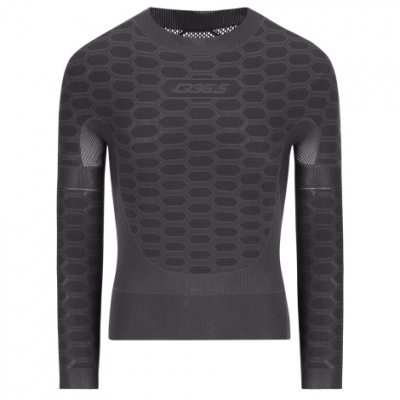
Under the arms and across the back - the high-sweat zones - the weave opens up. Across the chest and core, the structure becomes denser and more insulating. This isn't done with panels and stitching; it's engineered into the fabric itself as it comes off the machine. The honeycomb knit construction used in several Q36.5 pieces creates a three-dimensional structure that traps a thin air layer while simultaneously channelling moisture away from your skin. Think of it like the difference between a solid wall and a cavity wall - same thickness, very different performance.
Emana yarn, a ceramic-infused fibre used across the Q36.5 range, adds another layer to this. The ceramic particles are claimed to reflect far-infrared energy back into the body, which the brand links to improved microcirculation and muscle recovery. Whether you buy fully into the recovery angle or not, the practical effect of Emana yarn on ride feel is real - it contributes to that consistent, regulated warmth that distinguishes Q36.5 from simpler merino or polyester base layers.
For UK riders specifically, the real test of any base layer is what happens when you pull a waterproof shell on in a Welsh downpour. Effort spikes, ventilation drops, and you get that suffocating, damp-heat sensation. The aggressive moisture transfer built into Q36.5's construction moves sweat to the outer jersey layer before it can saturate the base, which keeps that boil-in-the-bag feeling at bay more effectively than most. It won't perform miracles under a fully sealed hard-shell on a steep climb, but it does what a base layer should: buy you time and comfort before you need to vent.
Understanding the Q36.5 Fit and Range: The 1 to 4 System
The Q36.5 Base Layer 1 2 3 4 guide is straightforward once you know the logic. The numbers correspond directly to weight and warmth, running from one (lightest, for summer) through to four (heaviest, for deep-winter riding). Pick the number that matches your typical conditions and you won't go far wrong.
The Q36.5 Base Layer 1 is a near-weightless piece built for hot days - the kind of ride where you're debating whether to bother with a base layer at all. It earns its place by actively moving sweat rather than just sitting there, keeping you drier at low speeds and on humid climbs where airflow is limited. The Q36.5 Base Layer 2 covers shoulder-season riding - your classic British spring or autumn morning where it's cool at the start and you're peeling layers by the first climb. Pair it with a Q36.5 long-sleeve jersey and you've got a genuinely capable combination for those unpredictable October days.
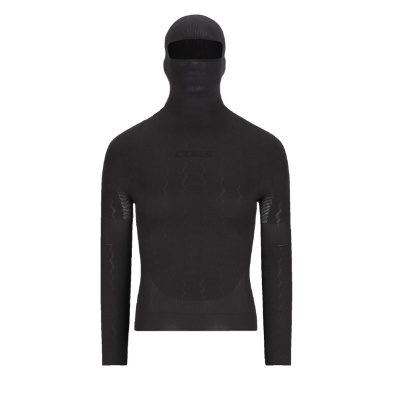
The Q36.5 Base Layer 3 is the one most UK riders will reach for most often. Standard winter riding - 3 to 8°C, damp, grey - is exactly where its heavier insulating knit earns its keep. It's warm enough to genuinely help under a midweight jacket, breathable enough not to turn your torso into a sauna. The Q36.5 Base Layer 4 is for the sessions nobody actually enjoys - sub-zero starts, long base miles when the roads are frosted and the forecast is brutal. Under a serious Q36.5 winter jacket, it forms a near-unbreakable thermal partnership.
On Q36.5 base layer sizing: the fit profile is a close, second-skin race cut with high elasticity throughout. Because the seamless construction stretches so effectively in all directions, the brand groups sizes - typically S/M and L/XL - rather than offering individual numeric sizes. This isn't a compromise; it's deliberate. The garment adapts to a range of body shapes without bunching or gaping, which is actually harder to achieve with a traditionally cut and sewn piece. If you're directly between groups and prefer slightly less compression, size up. If you want the fabric flush against your skin for maximum moisture transfer - which is the design intent - stay in your lower group.
The fit also means these layer cleanly under Q36.5 bib tights without rolling up or creating bulk at the waist. That's worth mentioning - a base layer that creeps and bunches during a three-hour ride is its own particular misery. Riders who've tried Assos base layers or Castelli base layers will recognise the same precision-fit philosophy, though Q36.5's grouped sizing and seamless construction give it a slightly different feel on the body - arguably more adaptive, if less predictable for riders who like exact measurements.
Layering, Pairing, and Keeping Them Performing
A Q36.5 base layer does its best work when the rest of your kit lets it breathe. There's no point in engineering moisture transfer at the skin layer if a cheap, poorly-ventilated mid-layer traps everything above it. Pair with a technical jersey - the brand's own bib shorts and jerseys are designed with this in mind - and the system works as intended. If you're running third-party kit over the top, look for jerseys with open-back ventilation panels or mesh underarm sections. The base layer can only do so much if it's sealed in.
For autumn riding in something like the Peak District - where you might start at 6°C and finish at 11°C with a shower in the middle - a Base Layer 2 under a single long-sleeve jersey often covers more ground than you'd expect. The temptation to over-layer is real, but Q36.5's thermoregulation tech is designed to maintain core temperature across a range, not just at one extreme. Trust the system and you'll likely find yourself over-dressed less often.
Care matters more with these than with a standard polyester base layer. Always wash at 30°C on a gentle cycle. Use a mesh laundry bag - the seamless knit can snag on jacket zips or helmet straps rattling around in the drum, and a snag in the construction is very hard to reverse. The single most important rule: no fabric softener, ever. Softener coats the technical fibres - the Emana yarn, the honeycomb structure - and once that coating builds up, the moisture-wicking capability degrades significantly. It won't feel obviously wrong straight away, but over several washes you'll notice the base layer sitting wetter against your skin for longer. Air dry flat where possible; tumble drying accelerates wear on the elastic knit structure. Look after these properly and they'll last considerably longer than the price might suggest they should. Those considering Ashmei base layers will find similar care requirements across technical merino blends - the rule on softener applies equally there.
Q36.5 Base Layers FAQs
Are Q36.5 base layers true to size?
They run in grouped sizes - typically S/M and L/XL - rather than individual measurements, because the seamless, highly elastic construction adapts across a range of body shapes. The fit is deliberately close and compressive. If you're between groups and want a slightly less tight feel against the skin, go up a size. For maximum moisture transfer, stay in your lower group.
Which Q36.5 base layer is best for winter cycling?
For most UK winter riding - damp, 3 to 8°C, the typical grey stuff - the Q36.5 Base Layer 3 is the practical choice. It's insulating without trapping sweat, and works well under a midweight jacket. The Q36.5 Base Layer 4 is reserved for genuinely cold conditions, sub-zero starts, or long slow miles where your effort level stays low and you need maximum warmth.
How do you wash a Q36.5 base layer to maintain its wicking properties?
Wash at 30°C on a gentle cycle inside a mesh laundry bag to protect the seamless knit structure. Never use fabric softener - it coats the technical fibres and progressively kills the moisture-wicking performance. Air dry flat rather than tumble drying. Follow these steps consistently and the garment's thermoregulation properties will hold up well over time.