
Prologo Saddles
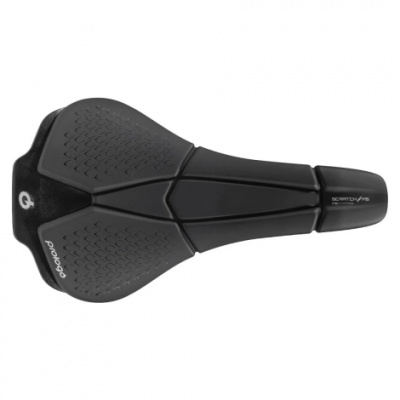
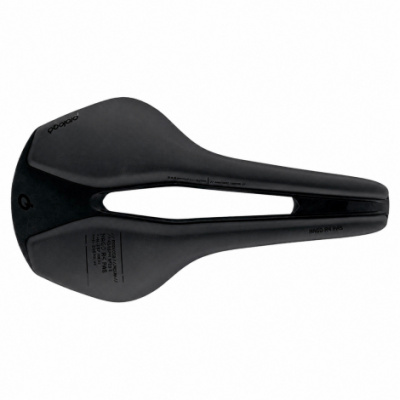
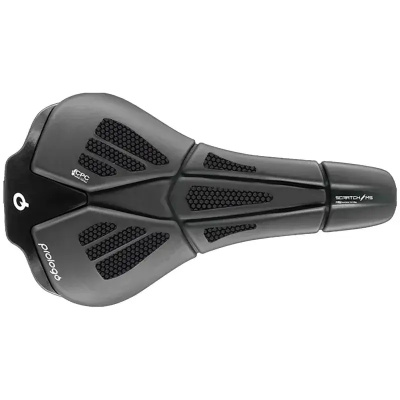
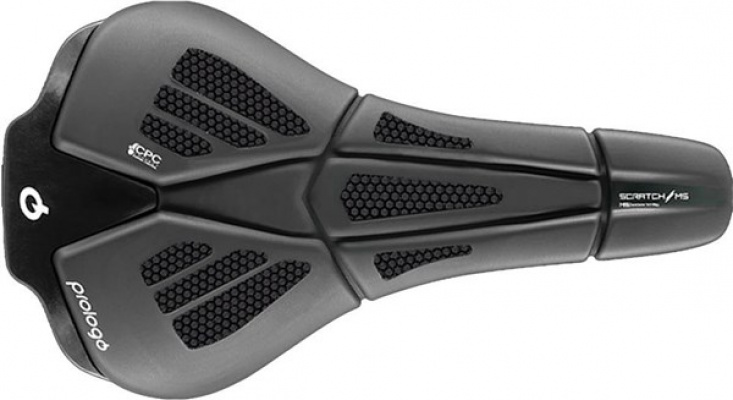
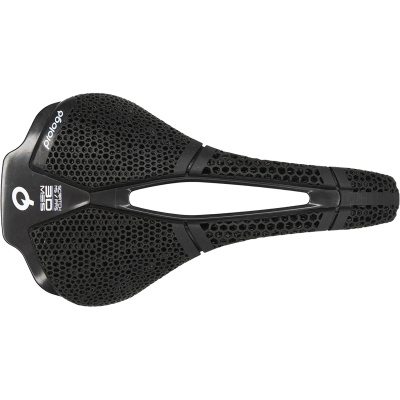
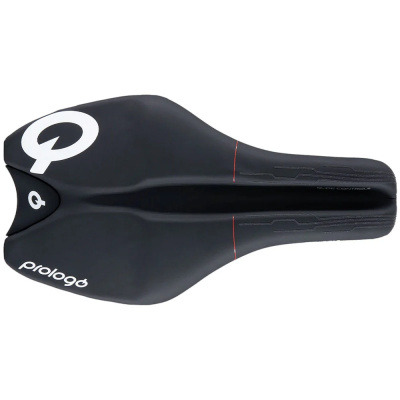
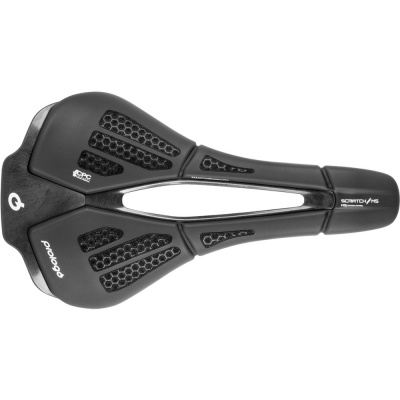
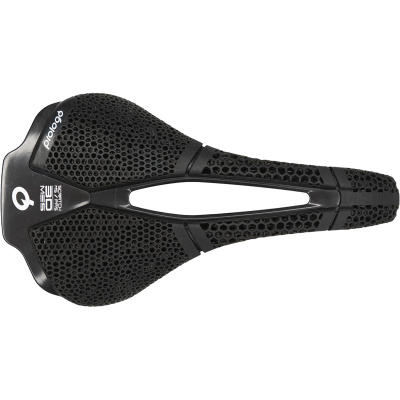
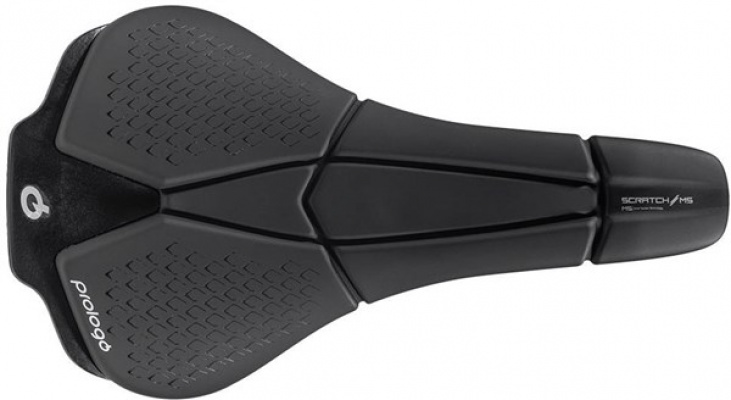
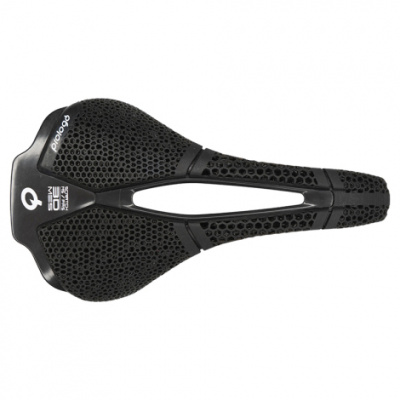
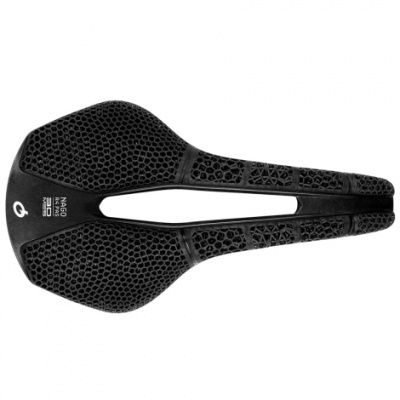
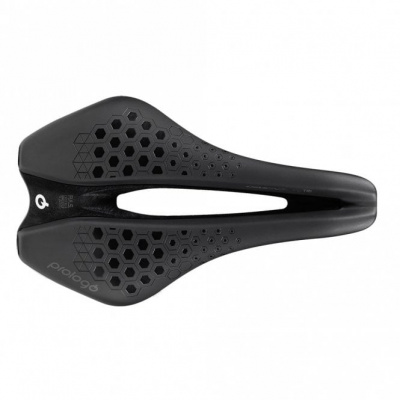
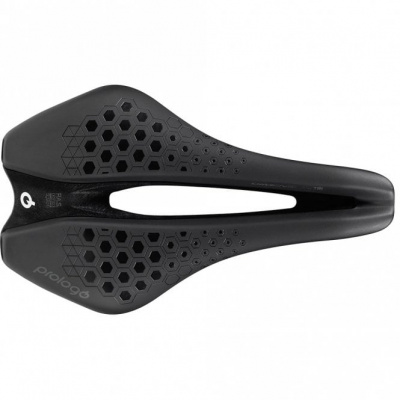
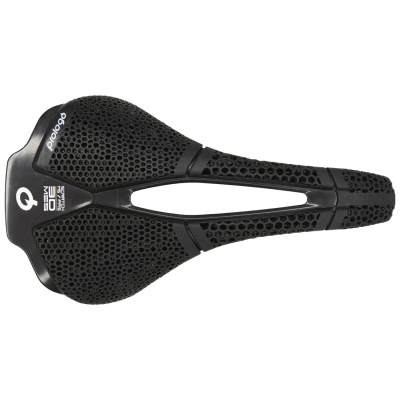
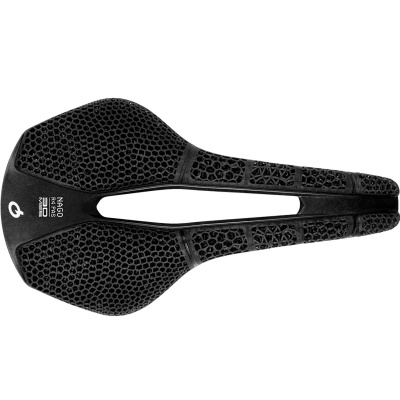
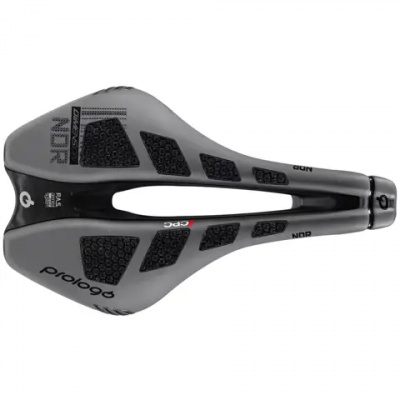
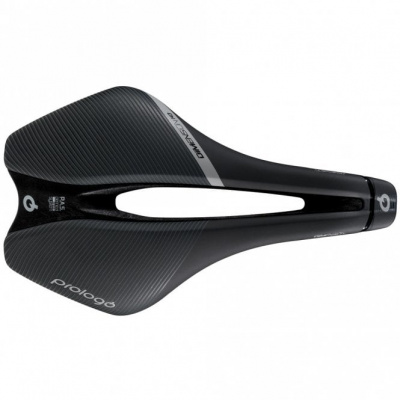
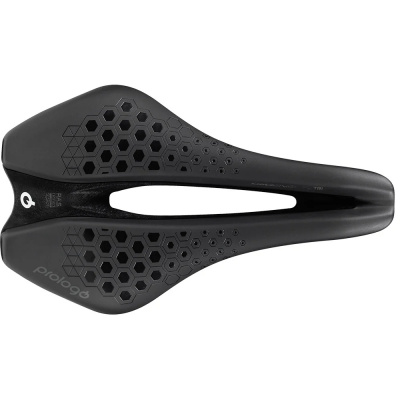
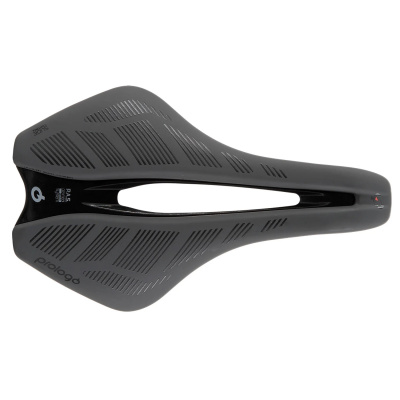
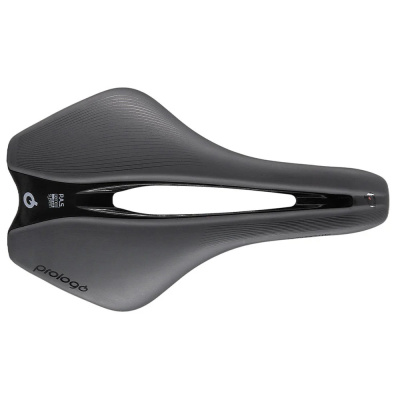
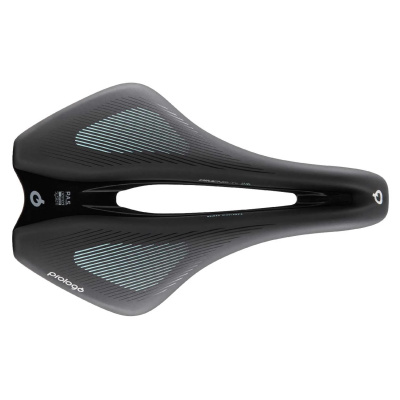
Prologo saddles sit at the sharper end of the saddle market - WorldTour-proven, technically specific, and genuinely worth understanding before you buy. The range is built around a handful of proprietary systems that do real work rather than just earning spec-sheet points. CPC (Connect Power Control) technology uses 3D polymer nano-tubes across the saddle cover to keep you planted when your bib tights are soaked through on a wet December ride - no shuffling, no sliding. The PAS (Perineal Area System) central cutout addresses pressure relief directly, which matters a lot if you're grinding out long winter base miles or a hundred-mile sportive. Then there's the MSS (Multi Sector System), which maps different foam densities across the saddle so each zone does the right job - support where you need it, give where you don't. Rail choice runs from entry-level T2.0 chromoly up through Tirox alloy steel to full Nack carbon fiber, each affecting weight, compliance, and clamp compatibility. If you're also sorting your bar setup, take a look at our range of Prologo grips while you're here.
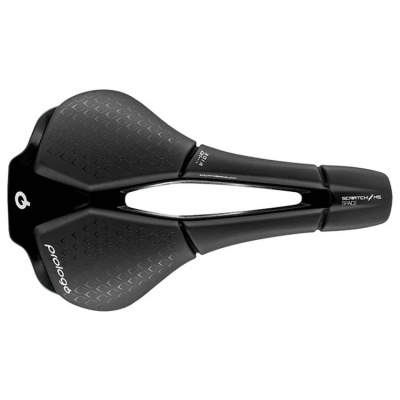
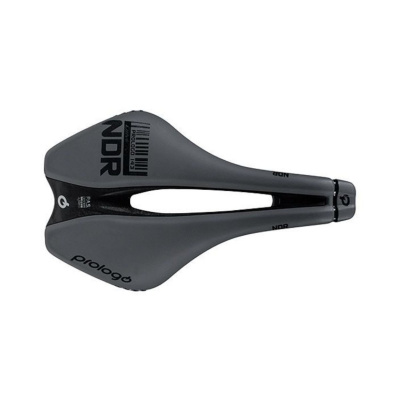
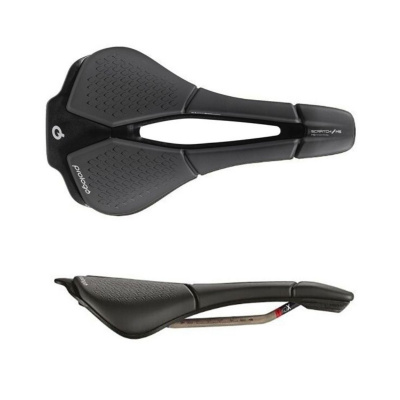
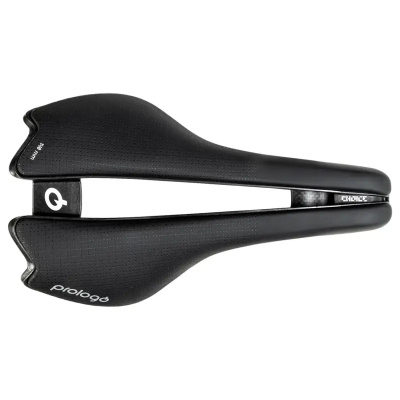
Prices and availability can change quickly. Delivery charges are not always included in listed prices.
Final price, stock status and delivery terms are set by retailer. We may receive a commission on purchases made.
Rail Dimensions, Clamp Heads, and What to Watch
Get this wrong and you'll either crack a rail or spend three rides chasing a creak around the Peak District. Prologo's Nack carbon fiber rails use a 7x9mm oval cross-section - they are not a drop-in swap for a standard round-rail clamp. You need a seatpost with a side-clamp head or one that's explicitly listed as oval-rail compatible. Shove them into a standard top-clamp cradle and you risk crushing the rail at the contact point, which is expensive and irreversible.
Tirox and T2.0 chromoly rails both run a conventional 7x7mm round profile, so they'll slot into virtually any seatpost without drama. If you're running an older post or something mid-range, these are the pragmatic choice. The compatibility question essentially answers itself: check your post spec first, then choose your rail tier accordingly.
On torque: Nack rails have an 8Nm maximum at the clamp. That's not a suggestion - carbon rails that are overtightened don't give you warning signs before they fail. Use a torque wrench, apply carbon assembly paste to the contact surfaces, and don't crank it down by feel. UK road grit is abrasive, and any ingress into the clamp area can cause the kind of creak that haunts a whole winter of riding. A quick wipe-down of the rail clamping zone after muddy rides keeps things quiet.
The Model Families: Dimension, Scratch, and Nago
Prologo saddles are organised into three main shapes, and picking the wrong one for your position is the most common mistake. Start with your riding style, not the spec sheet.
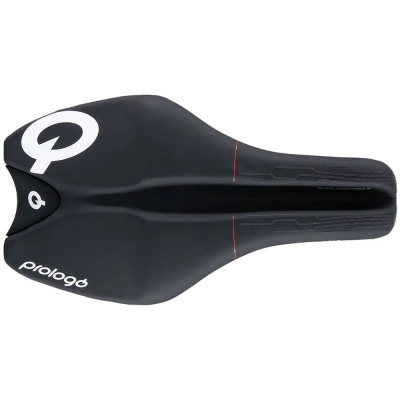
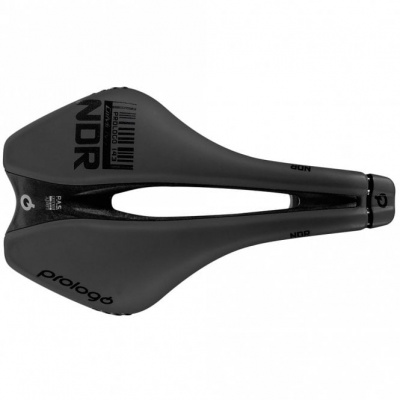
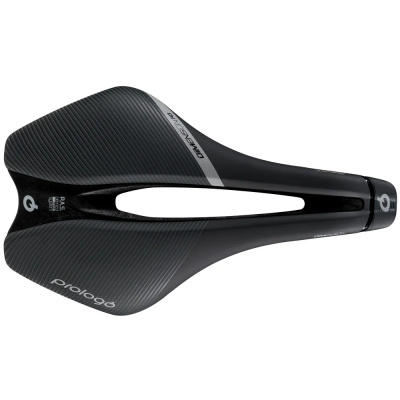
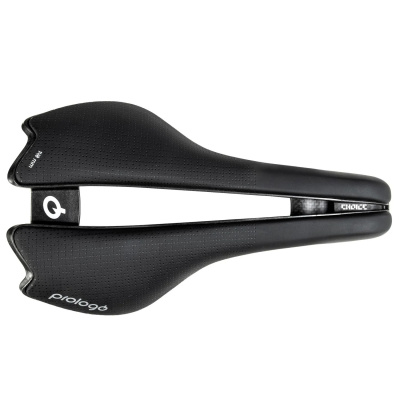
The Dimension is a short-nose design built for aggressive, forward positions - think time trial, road race, or any setup where your hips are rotated well forward. The truncated nose reduces pressure on soft tissue in that tucked position, and it's the shape you'll see on WorldTour bikes for a reason. If you're upright on a sportive bike, it's not the right tool.
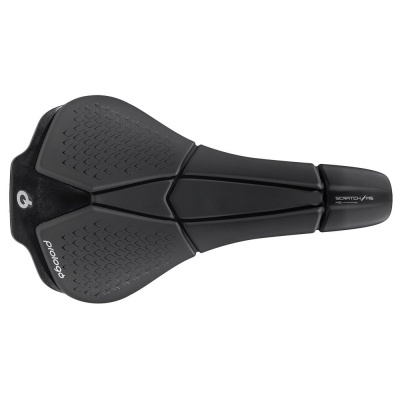
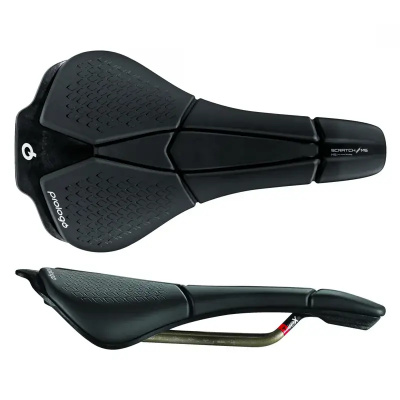
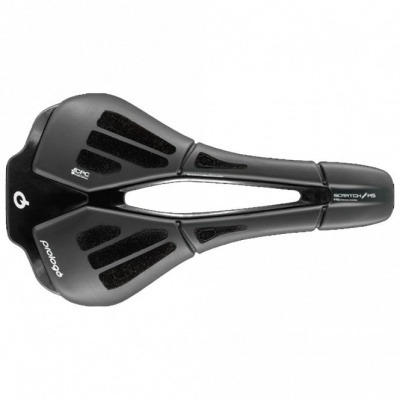
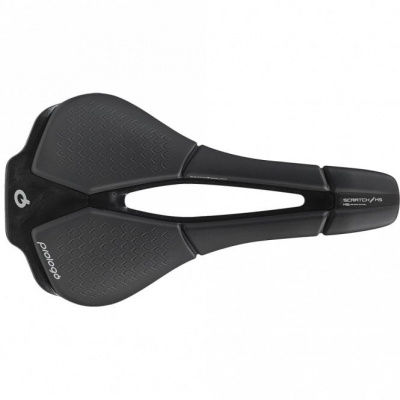
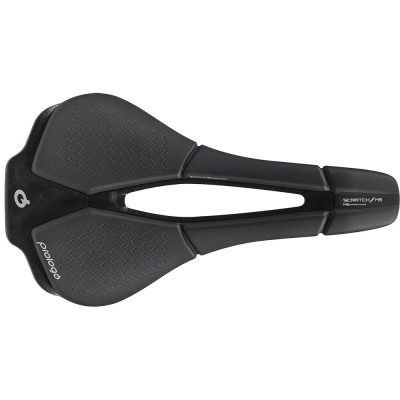
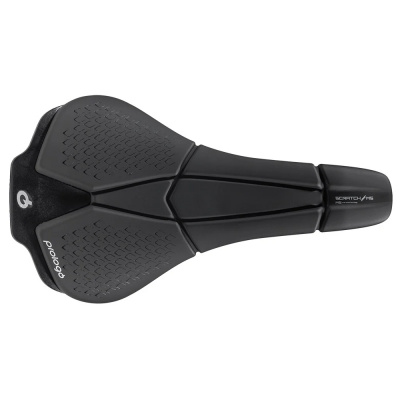
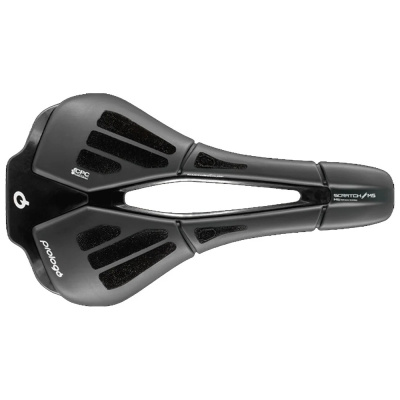
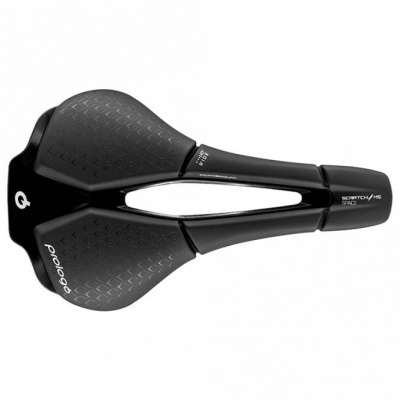
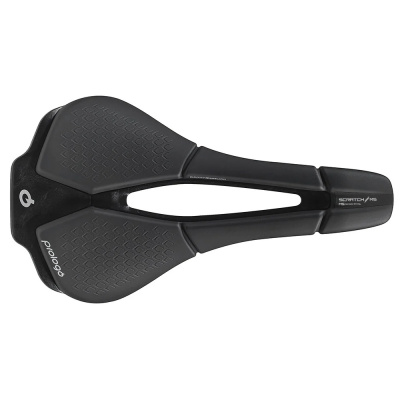
The Scratch uses a longer, more traditional profile with a rounded shape that suits endurance riding and more upright geometries. It's the one to consider if you're covering big miles in a comfortable position - audax, long UK sportives, or simply a bike fit that doesn't have you stretched out flat. The shape distributes load across a broader contact area, which compounds favourably over four or five hours in the saddle.
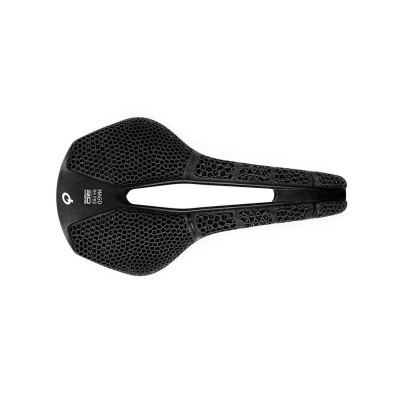
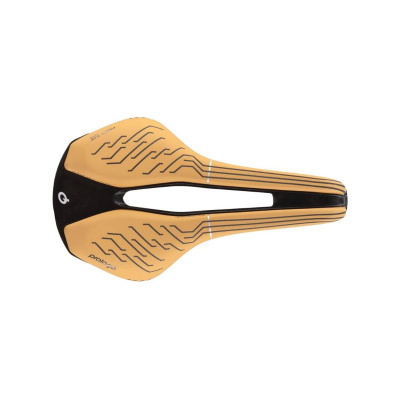
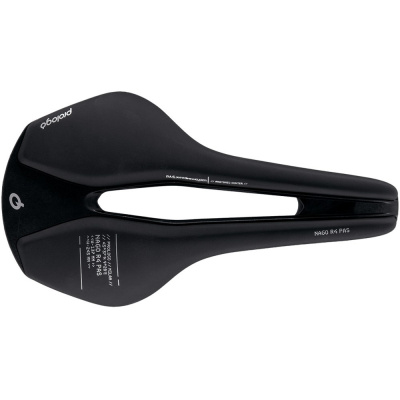
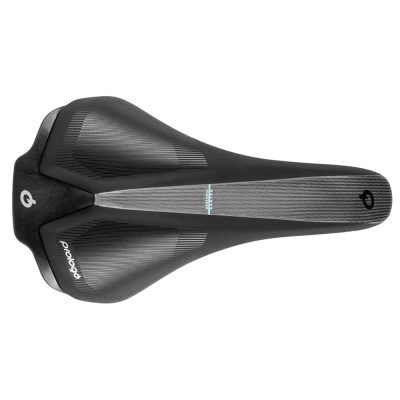
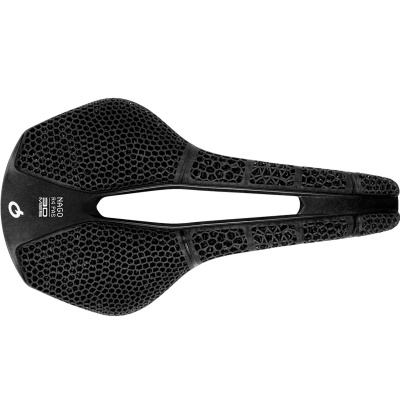
The Nago sits between the two - semi-round profile, versatile enough for riders who move around on the saddle and don't sit in one fixed position. It suits a broad range of body types and works well if you're somewhere between an aggressive road position and a relaxed endurance setup.
Across all three shapes, the MSS (Multi Sector System) varies foam density by zone, so the sit bone area is firmer for support and the central channel is softer for pressure management. Combined with the PAS cutout on equipped models, it's a coherent system rather than a single gimmick. Width sizing runs across 134mm, 143mm, and 155mm - measure your sit bones before committing, because a saddle that's too narrow will have you perching rather than sitting, regardless of how good the foam mapping is.
Rail tier then determines weight and compliance. Nack carbon fiber is the lightest option and adds a small amount of vertical compliance compared to alloy. Tirox alloy steel is the middle ground - noticeably lighter than T2.0 chromoly, durable enough for year-round use, and it won't punish you if your clamp torque is slightly off. T2.0 is the entry point: heavier, but robust and honest about what it is. If you're comparing against alternatives, Fizik saddles use a similar tiered rail system, and Fabric saddles take a different approach with their flat and shallow shape options - worth a look if Prologo's profiles don't match your anatomy.
Holding Up to UK Riding: Wet, Gritty, and Worth It
The CPC technology nano-tube cover earns its keep in British conditions specifically. When you're two hours into a Welsh valley ride and your bibs are soaked, a standard cover turns slippery - you're constantly micro-adjusting your position without realising it. CPC grips the fabric of your shorts and keeps you where you put yourself. It's a functional difference, not a marginal one.
The trade-off is that the textured surface traps dried mud and grit more readily than a smooth cover. A soft brush and warm water sorts it - don't use a pressure washer directly on the surface as it can degrade the nano-tube structure over time. A quick scrub after a properly muddy ride is all it takes. For longer winter base miles, the PAS pressure relief cutout does meaningful work - sustained low-intensity riding in a consistent position creates different pressure patterns than hard race efforts, and the cutout manages that well.
Check the rail clamp area for grit ingress every few weeks during winter. It takes thirty seconds and prevents the kind of intermittent creak that you'll otherwise spend months trying to locate. If you're running Nack rails, a thin application of carbon paste at the clamp contact points - refreshed occasionally - is good practice.
For riders coming from something like Ergon saddles or Brooks saddles, the Prologo fit philosophy is more position-specific and less universally forgiving - which is the point. You're making a more deliberate fit choice, and when it's right, it's noticeably right.
Prologo Saddles FAQs
How do I choose the right Prologo saddle?
Measure your sit bone width first - that determines whether you need 134mm, 143mm, or 155mm. Then match the shape to your position: Dimension for aggressive or forward-rotated setups, Scratch for endurance and upright riding, Nago if you're somewhere between the two. Rail choice comes last and depends on your seatpost compatibility and budget.
What is the difference between Prologo Tirox and Nack rails?
Tirox rails are a light alloy steel with a standard 7x7mm round profile - they fit any seatpost clamp and are durable enough for everyday use. Nack rails are Prologo's nano carbon fiber option: lighter, slightly more compliant, but 7x9mm oval in cross-section, so they require a compatible seatpost clamp. Nack rails also have an 8Nm torque limit and need carbon assembly paste.
What does PAS mean on a Prologo saddle?
PAS stands for Perineal Area System - it's Prologo's central cutout designed to relieve pressure on soft tissue, particularly during long rides in a consistent position. It's most relevant for endurance riding and winter base miles where sustained pressure builds up. Not every model includes it, so check the spec listing if pressure relief is a priority for you.
Are Prologo saddles good for UK sportives?
Yes, particularly the Scratch shape with PAS cutout and CPC cover. The CPC nano-tube surface keeps you stable in wet conditions - useful when you're hours into a ride and your kit is soaked. The MSS foam mapping and PAS pressure relief both contribute meaningfully over long distances. Size correctly to your sit bones and the fit holds up well across big miles.
Can I use Nack carbon rails with my existing seatpost?
Only if your seatpost clamp is designed for oval or 7x9mm rails. Many standard seatposts use a round cradle that won't correctly seat Nack rails, which risks crushing them under clamp load. Check your seatpost manufacturer's compatibility list before buying. If in doubt, Tirox rails give you most of the performance benefit with no compatibility concerns.