
Profile Design Frame Bags
Profile Design frame bags are built around one idea: keep your nutrition within reach without handing seconds back to the wind. Designed specifically for triathlon and time trial use, they sit tucked behind your stem where the airflow is already disrupted, so you're not bolting a sail onto your bike. Most riders know these as bento boxes or top tube packs, and Profile Design has spent serious time in the wind tunnel making sure theirs earn that placement.
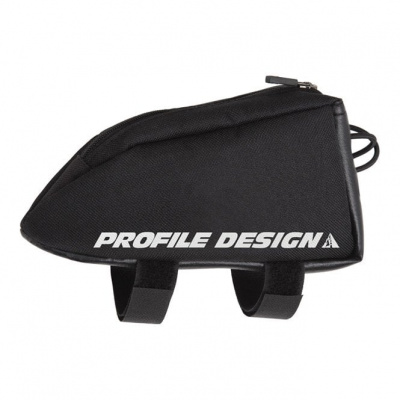
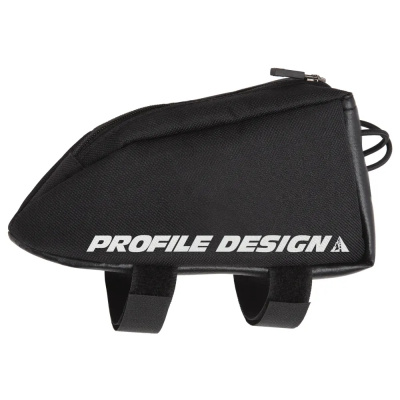
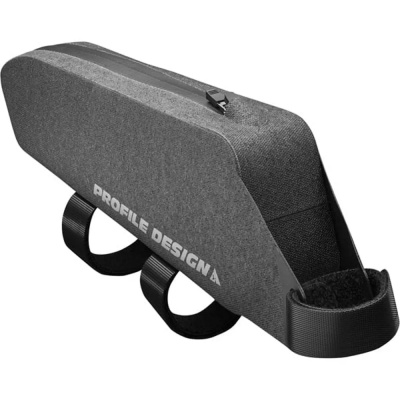
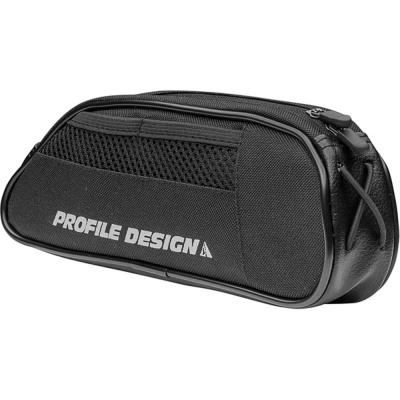
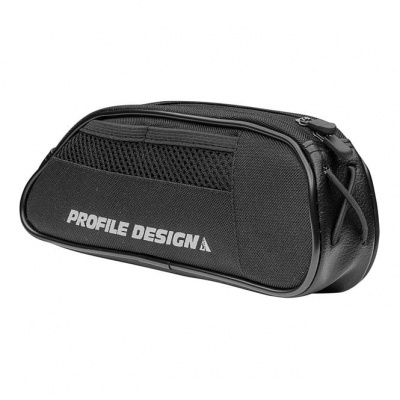
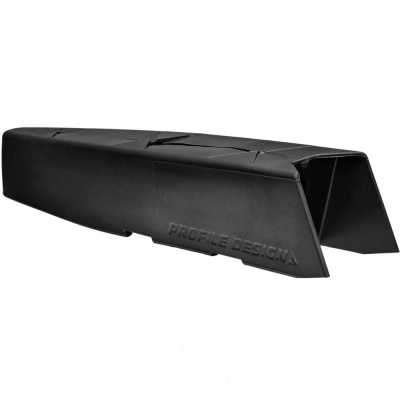
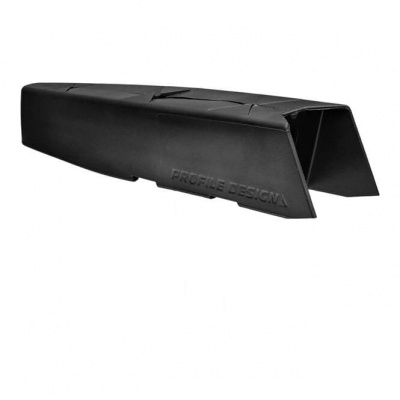
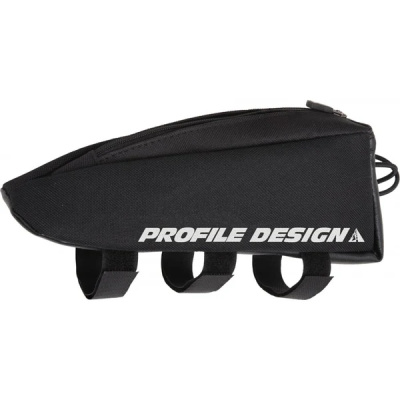
The range splits broadly into two families. The ATTK (Aero Top Tube Kase) series uses a rigid TPR rubber shell that holds its shape under load and clips the wind cleanly. The E-Pack series takes a softer approach - zip-access, more forgiving on awkward frame shapes, and better suited when you need to squeeze in a few extra gels or a mini pump. Both families cover bolt-on and strap-mount attachment, so whether your frame has top tube bosses or not, there's a route in.
Before you buy, fitting matters as much as aerodynamics. Cable routing behind the steerer, frame tube diameter, and what you're actually carrying on race day all influence which model is right. We'll walk you through the key decisions below.
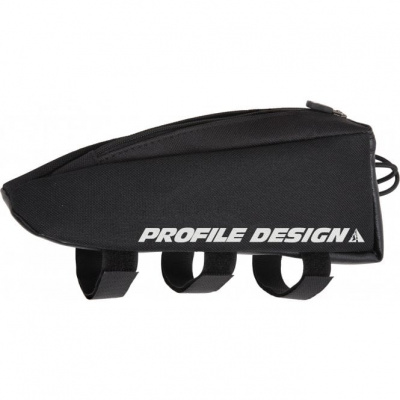
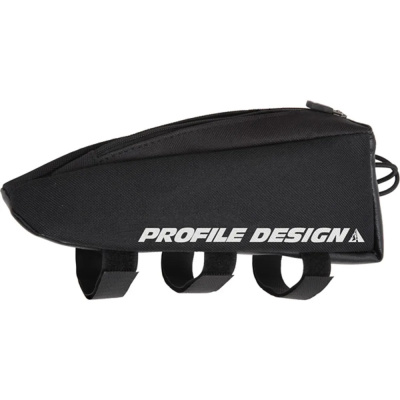
Prices and availability can change quickly. Delivery charges are not always included in listed prices.
Final price, stock status and delivery terms are set by retailer. We may receive a commission on purchases made.
Mounting Standards and What to Check Before You Order
Profile Design top tube bags mount one of two ways, and getting this wrong before race morning is the kind of thing that ruins a transition. Bolt-on models use standard M5 bolts with 64mm spacing - the same thread pattern as a water bottle boss. If your frame has dedicated top tube mounts, you align the slotted base of the bag, drop in the bolts, and torque to spec. Clean, rattle-free, and no risk of the bag migrating mid-ride on a rough A-road. The slot in the base gives you a touch of fore-aft adjustment, which helps when you're dialling in position alongside Profile Design aero bars.
Strap-mounted versions use silicone-backed velcro to grip the top tube. They work well on frames without bosses, but that silicone backing only does so much when UK road grit gets involved - more on that shortly. The adjustment process is straightforward: wrap, pull tight, and check the bag doesn't rock. A quick shake test before you roll out tells you everything.
The one thing many riders miss is cable routing clearance. On older TT bikes with top-tube cable entry points, a hard-shell bag like the ATTK IC can foul the cables as they exit the frame. Run your finger along the underside of the top tube and check what's coming out where before you commit to a rigid model. If there's any conflict, the softer E-Pack is the more practical call - it'll compress slightly around routing without creating friction points or rattles over rough surfaces.
ATTK vs E-Pack: Choosing the Right Storage for Your Setup
The two series serve different riders, and the gap between them is wider than it looks on a spec sheet. The ATTK range is the more purposeful option for racing. That rigid TPR rubber construction means the bag holds its aero profile even when it's fully loaded - no soft sides bulging outward and catching air. The slotted base mounting locks it flat to the frame, and the low-profile lid sits close enough to the tube that you barely notice it's there aerodynamically. Capacity is deliberately lean: you're looking at a handful of gels and maybe a CO2 cartridge. Enough for most standard-distance triathlon nutrition plans, nothing more. Think of it as a purpose-built tool rather than a holdall.
The E-Pack series trades some of that aerodynamic precision for versatility. The softer construction means it'll conform to slightly different tube shapes and accept bulkier items - a folded tyre, a larger multi-tool, or a few extra gels for longer efforts. Zip closure makes access easy on the move, though you'll want to check which side the zip pulls toward relative to your riding position. For sportive riders dipping into triathlon, or for non-standard frame shapes that don't suit a rigid shell, the E-Pack is the more accommodating option. Apidura frame bags take a similar soft-sided approach if you want to compare the field, while Ortlieb frame bags push further into waterproof territory for riders who prioritise protection over aero integration. Profile Design sits clearly in the triathlon-focused lane - that's its strength and its limit.
On capacity: most ATTK models hold four to six standard gels comfortably. The E-Pack variants offer a bit more room, typically enough for six to eight gels plus a small flat kit. Neither is going to replace a proper saddle pack for longer touring rides, but that's not what they're designed for.
Keeping It Clean on UK Roads
British riding conditions ask more of frame bags than a dry continental sportive ever would. The combination of road spray, fine grit, and sticky energy gel residue is genuinely hostile to kit that isn't maintained properly.
For strap-mounted E-Packs, apply helicopter tape - frame protection film - to the top tube before fitting. UK grit mixed with rain water gets under velcro straps and works like sandpaper against a carbon frame over a season of riding. It's a five-minute job that saves an expensive respray. Lezyne frame bags and other strap-mount options carry the same risk, so it's good practice regardless of brand.
Cleaning the ATTK after a gel explosion is simpler than it looks. The TPR rubber shell wipes down easily with a damp cloth - avoid solvent-based cleaners, which can degrade the material over time. For the zip on the E-Pack, a rinse with clean water after muddy rides keeps the teeth moving freely. Coarse UK road grit in a zip is how you end up forcing it open mid-race.
On weather resistance: the ATTK's TPR construction handles road spray and light rain without any drama - contents stay dry through a typical British shower. The E-Pack's standard zips are less confident in a prolonged downpour, the kind that comes in off the sea on a Welsh coastal sportive. If you're racing in reliably wet conditions, wrapping gels individually in a small zip-lock bag inside the E-Pack is a sensible precaution rather than an over-engineered one. Worth pairing with solid Profile Design hydration to keep your whole cockpit setup consistent and organised.
One more thing worth knowing: if you're running a Profile Design computer mount up front, think about the overall cockpit layout before you finalise the bag position. A well-placed top tube bag shouldn't conflict with your computer sight lines or make reaching the bag awkward from your aero position. Set it all up on the garage floor before race day - saves a lot of faffing in transition.
Profile Design Frame Bags FAQs
How do you mount a Profile Design top tube bag?
Bolt-on models use standard M5 bolts at 64mm spacing - align the slotted base with your frame's top tube bosses and torque to the manufacturer's spec. Before fitting, check there's no cable routing conflict behind the steerer, particularly on older TT frames. Strap-mount versions use silicone-backed velcro; fit frame protection tape beneath the strap to prevent grit wear on carbon.
Are Profile Design frame bags waterproof?
The ATTK series, built from TPR rubber, handles road spray and typical UK rain well - your gels will stay dry through most rides. The soft-sided E-Pack models use standard zips that aren't fully sealed, so heavy, sustained downpours can let moisture in. Wrapping contents in a small zip-lock bag is a straightforward fix for wetter days.
Can you fit a smartphone in a Profile Design aero pack?
Unlikely with a modern handset. Both the ATTK and standard E-Pack models are optimised for narrow aero profiles and sized around gels, CO2 cartridges, and small tools. Current smartphones are too large for most Profile Design top tube bag openings. If phone access mid-ride matters, a handlebar bag or jersey pocket is a more practical solution.