
PRO Saddles
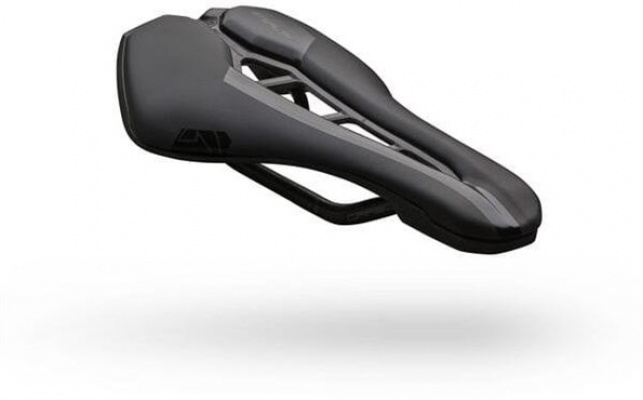
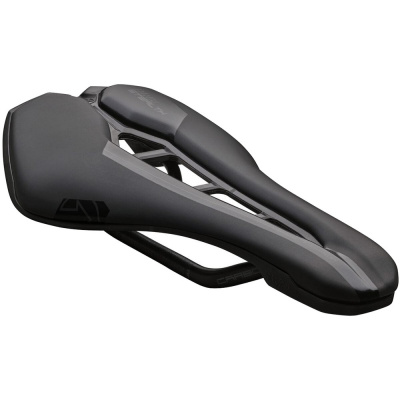
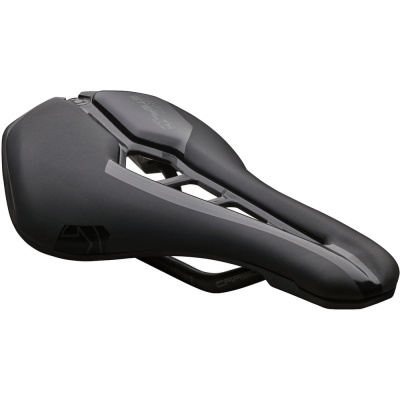
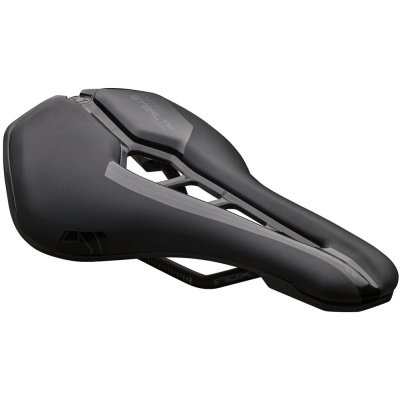
PRO saddles are built on Shimano's engineering platform and developed using extensive pressure-mapping data - the kind of rigorous process that actually shows up in how a saddle feels after three hours in the drops rather than three minutes on a turbo. Whether you're locked into an aero position on a road bike or grinding through a muddy Peak District gravel loop, the range covers a wide spread of rider flexibility levels and riding positions. The key is matching your pelvic rotation and sit bone width to the right profile before you buy - get that wrong and no amount of foam density saves you.
PRO's In-Mould construction fuses the cover and base in a single process, removing the glued seams that can delaminate over time and creating a softer, more consistent shape across the saddle. Superlight EVA padding sits beneath that cover: a dense, structured foam that doesn't flatten out mid-season the way cheaper fillings tend to. The saddles also feature Anatomic Fit pressure relief channels, refined via pressure mapping to reduce soft-tissue load in positions where it matters most. Check your seatpost clamp compatibility before upgrading to carbon rails - it's the one thing people overlook and regret quickly.
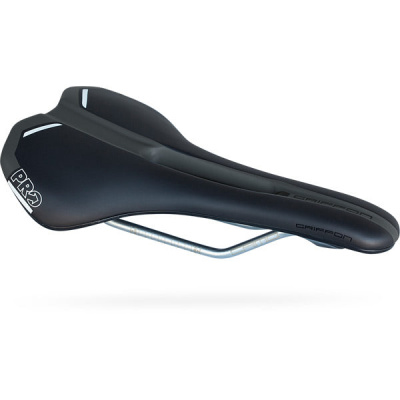
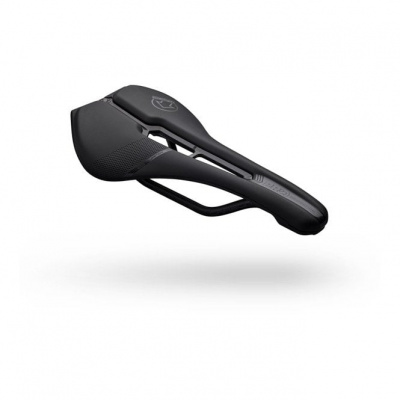
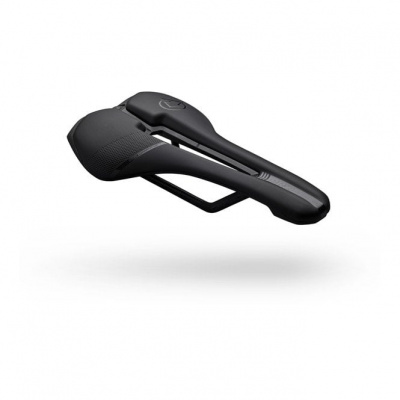
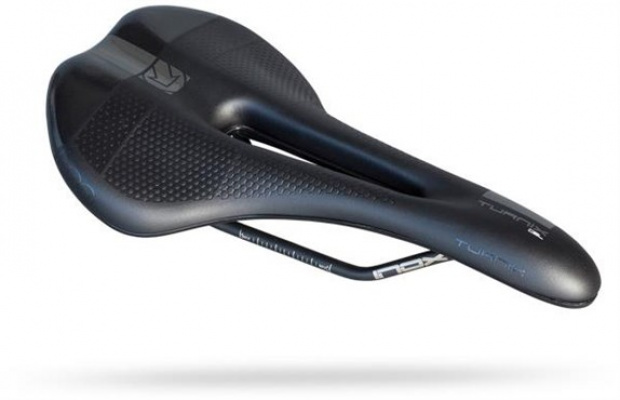
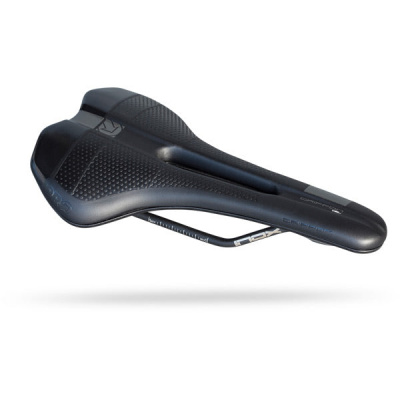
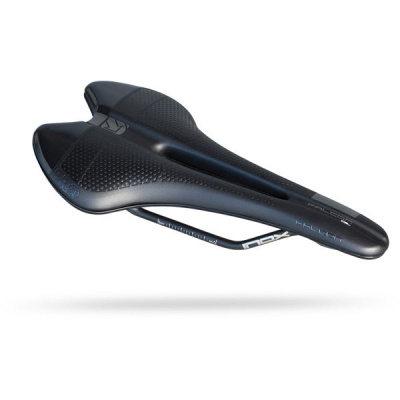
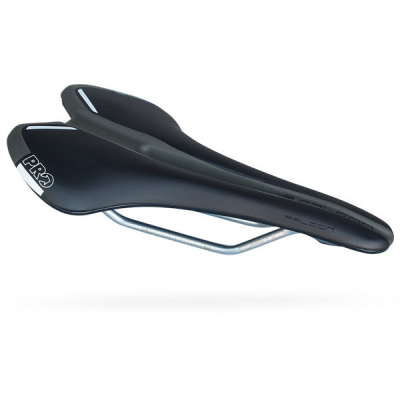
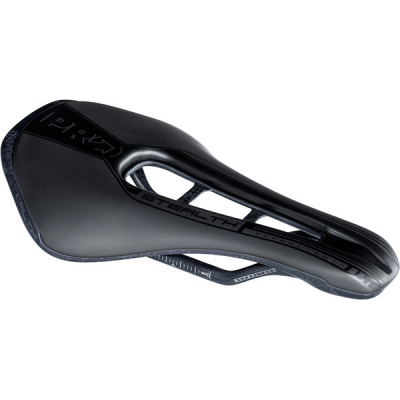
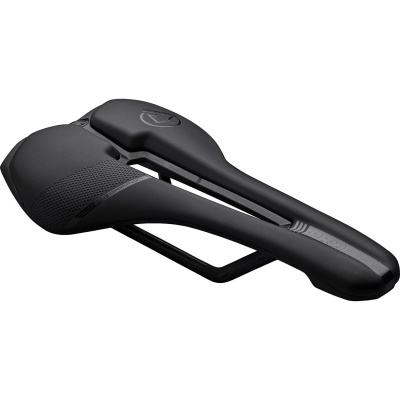
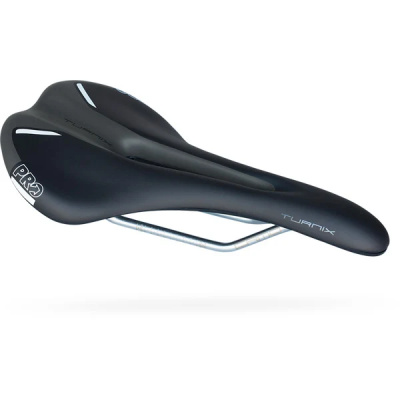
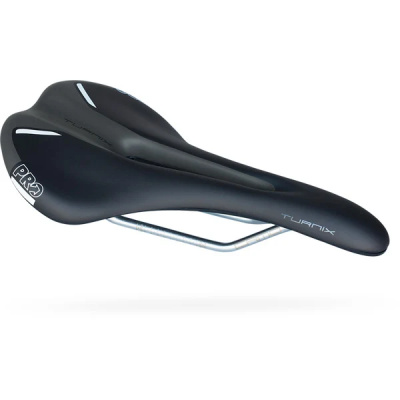
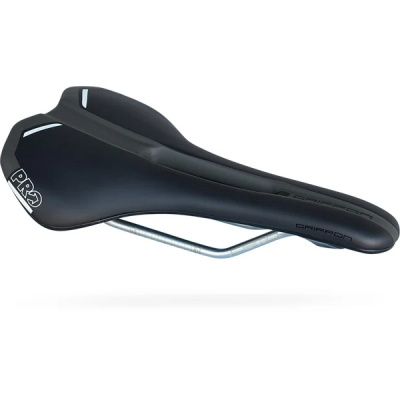
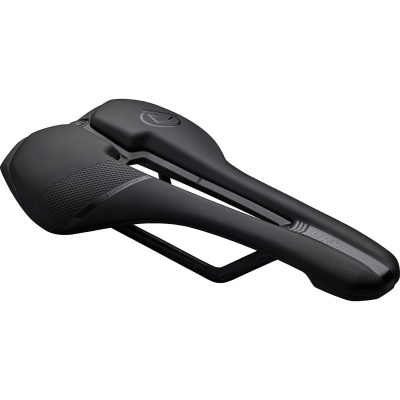
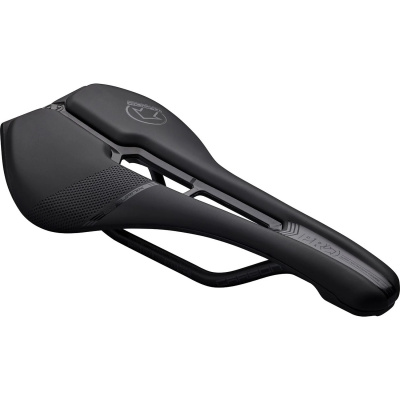
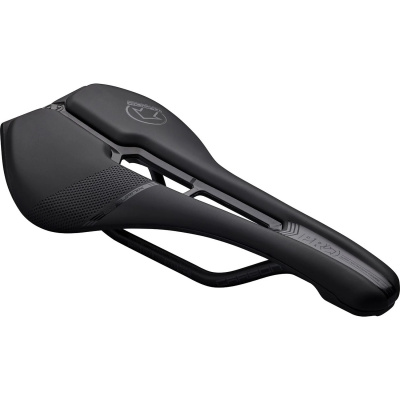
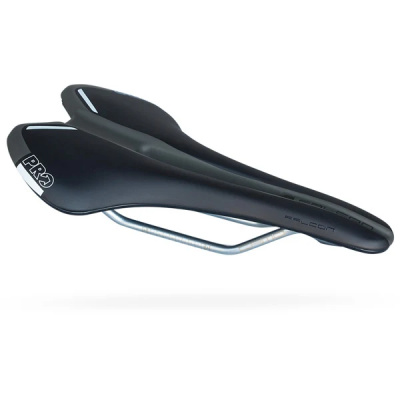
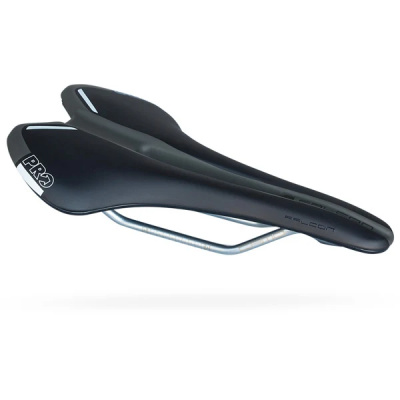
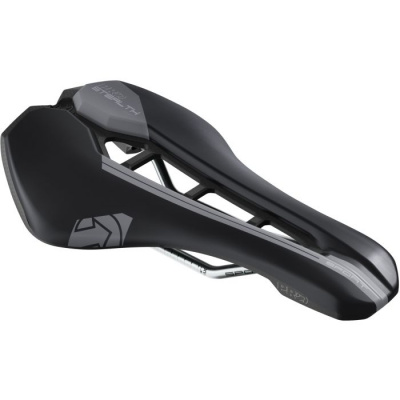
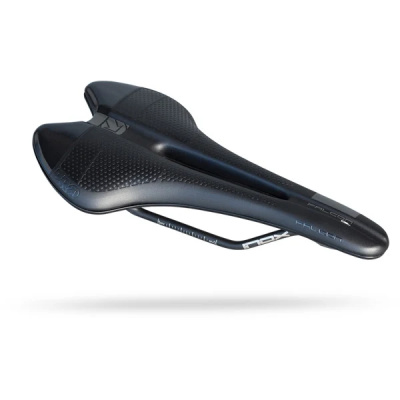
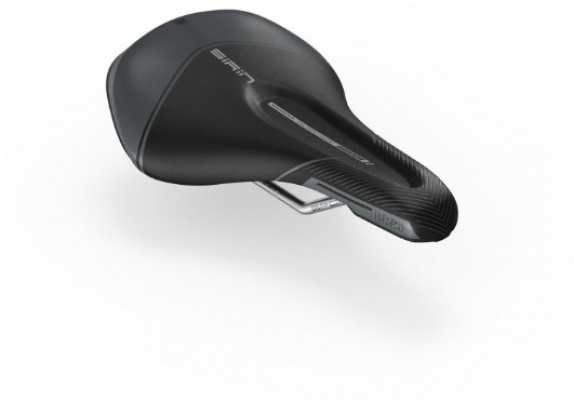
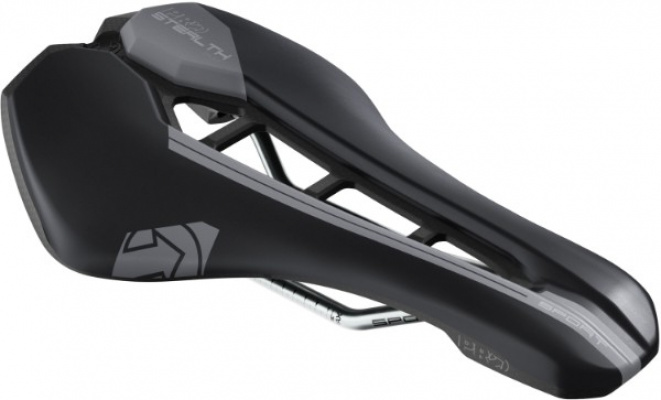
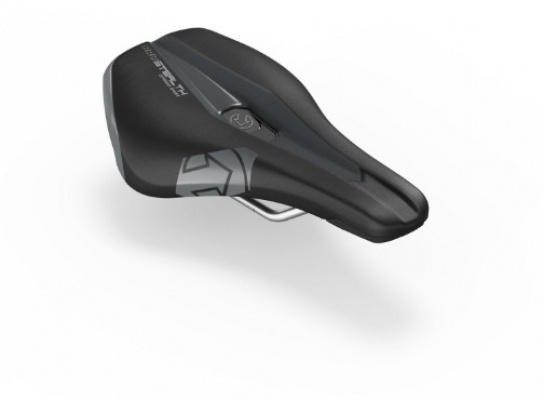
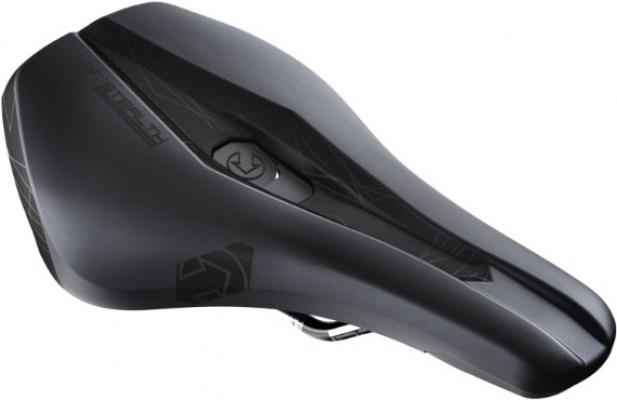
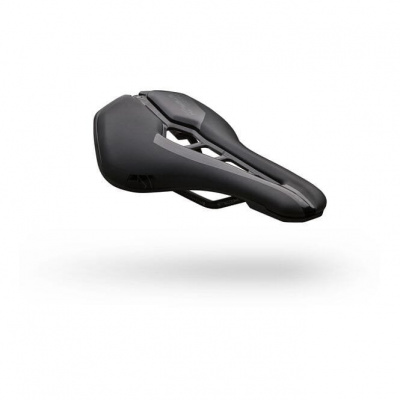
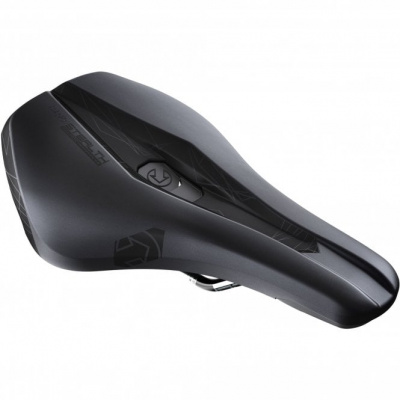
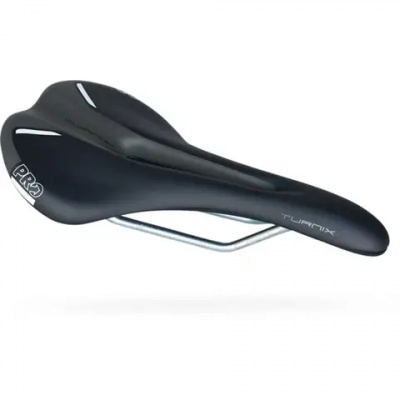
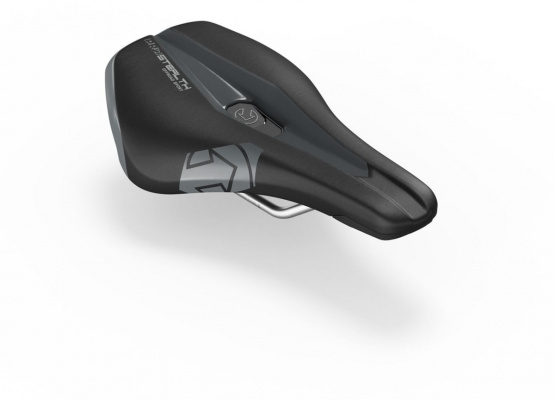
Prices and availability can change quickly. Delivery charges are not always included in listed prices.
Final price, stock status and delivery terms are set by retailer. We may receive a commission on purchases made.
Will a PRO Saddle Fit Your Bike? Rail Dimensions Explained
Most PRO saddles in the Performance tier use 7x7mm round stainless steel rails - the format that fits virtually every seatpost clamp on the market, from a basic alloy bolt-clamp to a mid-range carbon post. No compatibility headaches, just bolt it in and torque to spec.
Step up to the Team or Superlight models and the rails change to 7x9mm oval carbon. That oval cross-section is stronger for its weight than a round rail, but it demands a seatpost clamp designed to accept it. Side-entry clamp designs - common on most quality carbon posts - generally handle the 7x9mm profile without modification. Top-down clamps are trickier: many need replacement clamp ears or inserts rated for 7x9mm oval rails, otherwise you risk point-loading the carbon and causing a rail failure that won't warn you before it goes. Check the seatpost manufacturer's compatibility documentation, or ask your shop before you fit them. It takes two minutes and saves an expensive mistake.
PRO's own PRO seatposts are machined to accept 7x9mm carbon rails natively, which makes them the obvious pairing if you're building a weight-conscious setup from scratch.
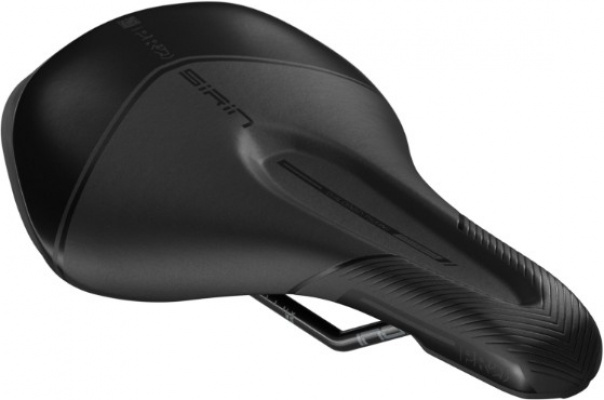
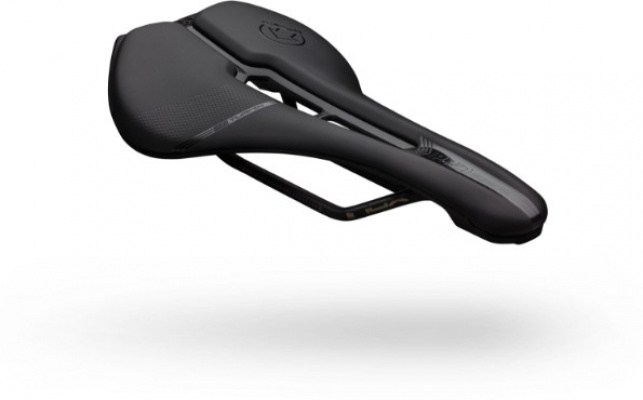
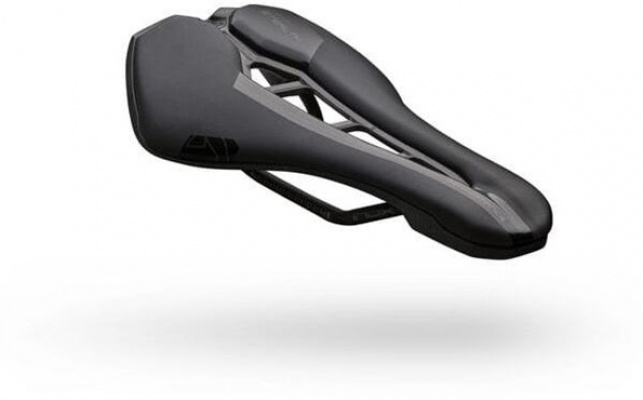
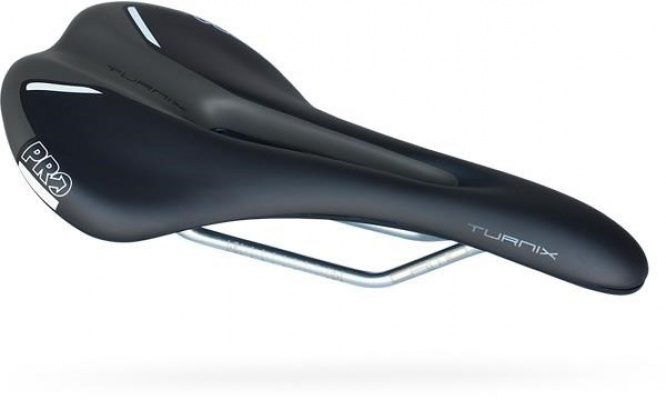
The PRO Saddle Lineup: Stealth, Falcon, Turnix and Griffon
PRO structures its range around rider flexibility and pelvic position on the bike - a more useful framework than simple road versus off-road categories, because the wrong profile in either discipline causes the same discomfort.
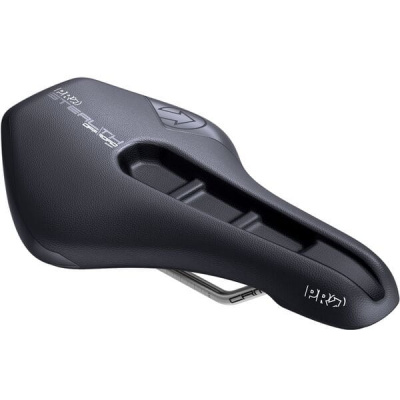
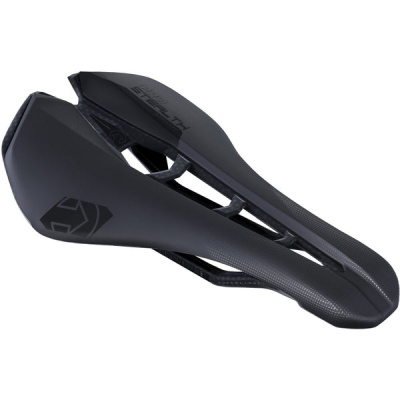
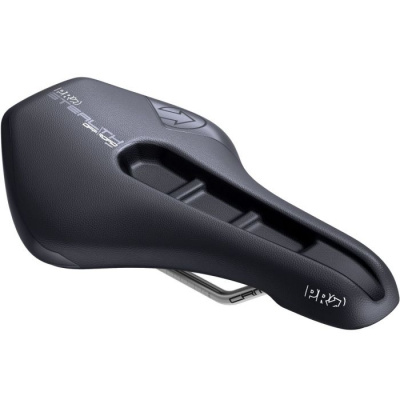
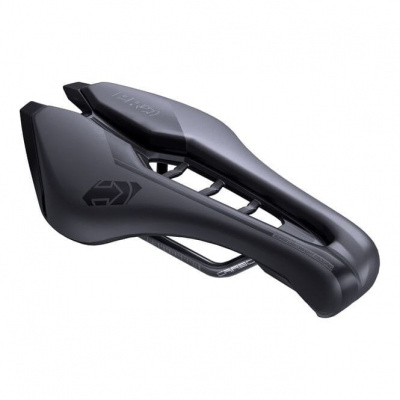
The PRO Stealth is a short-nosed saddle with a wide, flat rear platform. It's designed for riders running an aggressive, rotated pelvic position - think time trial, triathlon, or a road bike set up with a steep effective seat angle. The short nose reduces pressure when your pelvis tips forward, and the wide tail supports your sit bones when they're in that forward-loaded position. If you spend most of your riding time on the drops with your back flat, the Stealth is worth serious consideration.
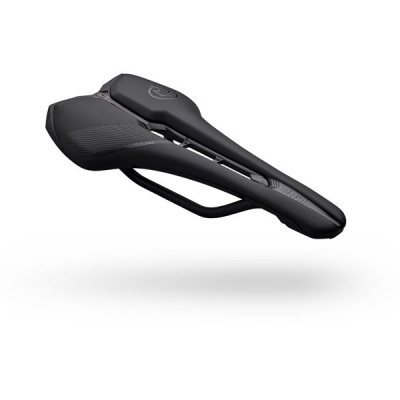
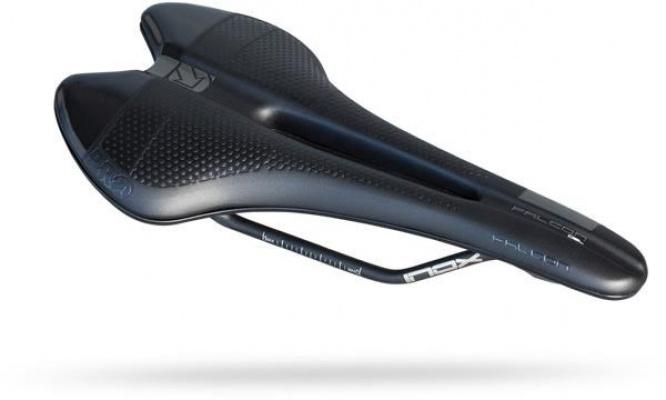
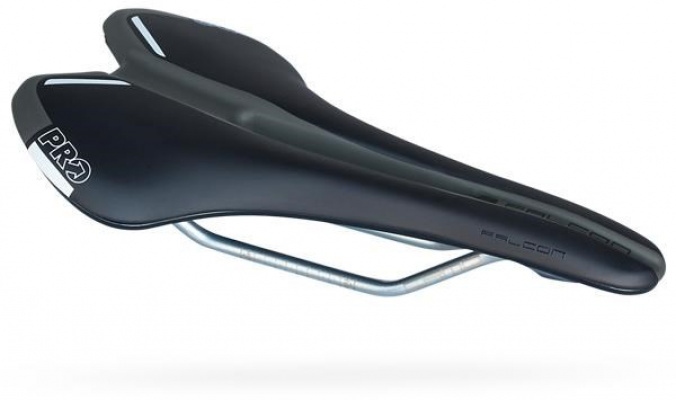
The PRO Falcon takes a traditional saddle length but runs a very flat profile from nose to tail. It suits riders with genuinely flexible hamstrings who can maintain a forward-rotated pelvis without rocking - a stable, flat platform works well here because pelvic movement stays controlled. Less flexible riders often find a flat saddle uncomfortable over distance, so be honest about your flexibility before choosing it over the Turnix.
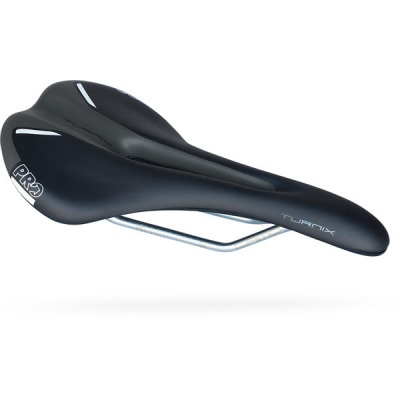
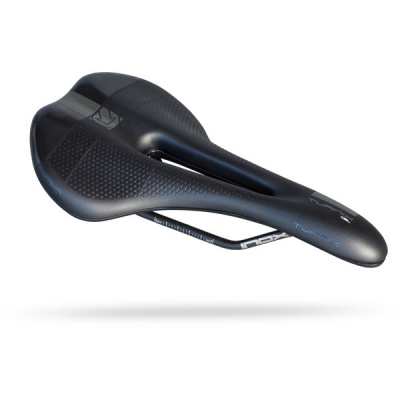
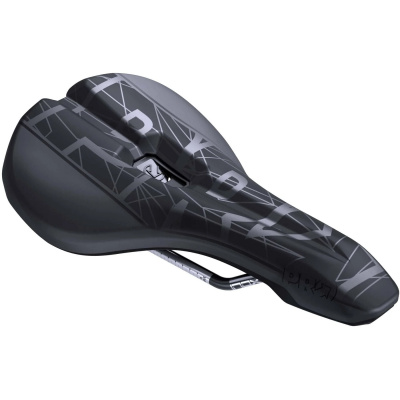
The PRO Turnix introduces a gentle longitudinal curve, which suits the majority of road and gravel riders with moderate flexibility. The curve encourages natural pelvic tilt and takes some pressure off the lower back on longer days. It's the most versatile shape in the range - if you're unsure where you sit on the flexibility spectrum, the Turnix is a sensible starting point.
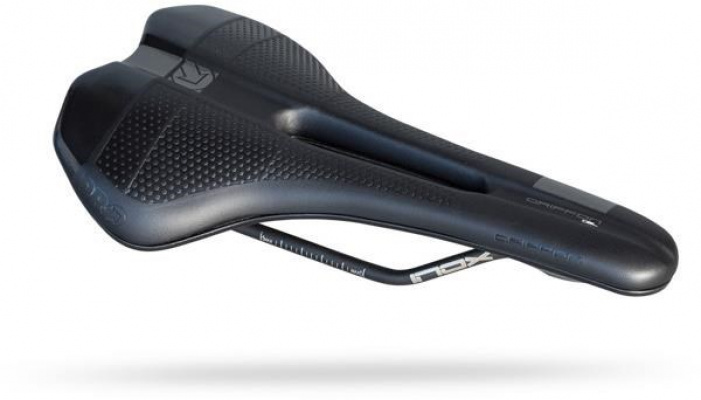
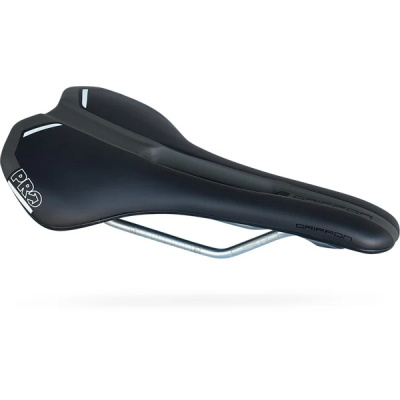
The PRO Griffon runs the most pronounced curve and a rounded rear, designed for upright riding positions. It's the natural fit for sportive and touring riders, as well as commuters who spend their time sitting more upright. The rounded profile distributes weight more evenly when your pelvis is barely rotated forward at all.
Across all four shapes, PRO offers three build tiers. Performance models use stainless steel rails and a nylon-reinforced base - robust, heavier, better value. Team models move to carbon-reinforced bases and carbon rails, dropping meaningful weight without the full-carbon price. Superlight takes a full carbon shell layup and the lightest rail specification, aimed squarely at weight-conscious road builds. If weight isn't a primary concern, the Performance tier delivers the same pressure-mapped geometry and EVA foam for considerably less outlay - which is often the smarter buy for winter training bikes.
Compared to similarly positioned saddles from Fizik or Fabric, PRO's shape system is arguably more prescriptive about rider flexibility as the primary selection criterion, rather than relying purely on sit bone width. Both approaches have merit; PRO's just asks you to do a bit more self-assessment upfront.
Durability in UK Conditions: Wet Roads, Winter Grit and Rail Creaks
PRO's smooth PU covers and In-Mould construction mean there are no exposed stitching lines on the saddle surface to absorb water. That matters more than it sounds on a wet Welsh descent or a January commute through standing water - traditional stitched covers wick moisture into the padding and stay damp for days, which accelerates wear and adds weight. The seamless cover sheds water cleanly.
Rail creaks are the persistent annoyance of UK riding, and abrasive winter road grit is usually to blame. It infiltrates the seatpost clamp, works between the rail and clamp face, and produces that rhythmic squeak that makes you look incompetent on every club run. For stainless steel 7x7mm rails, a light smear of waterproof grease on the clamped section of the rail before fitting deals with most of it. For carbon 7x9mm rails, use carbon assembly paste instead - it provides the grip needed to hold torque without over-tightening, and the textured particles fill the micro-gaps that cause movement. Always torque to the seatpost manufacturer's specification; under-torquing is as problematic as over-torquing on carbon rails.
For gravel and MTB use, the smooth PU surface also sheds trail mud without the cover degrading as quickly as textured or stitched alternatives. If you're doing anything genuinely aggressive off-road, saddles like those in the Ergon range offer more purpose-built MTB shaping, but PRO's Griffon and Turnix handle mixed riding without issue.
If you're building out the contact points at the same time, PRO bar tape is engineered to the same ergonomic brief as the saddle range - worth considering if you're doing a full handlebar and saddle refresh together.
PRO Saddles FAQs
How do I choose the right width for a PRO saddle?
Measure your sit bone width using corrugated cardboard pressed firmly onto a hard chair, or use a digital pressure tool at a bike shop. Take that measurement and add 20 - 25mm to get your target saddle width. PRO's two standard widths - <strong>142mm</strong> and <strong>152mm</strong> - cover the majority of riders, with the wider option suiting those with a sit bone measurement above roughly 130mm.
Are PRO saddle carbon rails compatible with all seatposts?
No. PRO's carbon rails use a <strong>7x9mm oval profile</strong>, which is wider than the standard 7x7mm round rail. Side-entry seatpost clamps generally accept the oval shape, but top-down clamps often require specific 7x9mm replacement ears. Fitting oval carbon rails into a clamp designed for round rails concentrates load at the edges and can crack the rail - check your seatpost spec before buying.
What is the difference between PRO Stealth and Falcon saddles?
The <strong>PRO Stealth</strong> is a short-nosed saddle for riders holding an aggressive, forward-rotated pelvic position - aero road, TT, or triathlon setups. The short nose reduces soft-tissue pressure in that tucked position. The <strong>PRO Falcon</strong> is a full-length saddle with a flat profile, suited to highly flexible riders who maintain a stable, rotated pelvis without rocking. Different shapes for different flexibility levels, not just different disciplines.