
Polygon Mountain Bikes
Polygon mountain bikes punch well above their price bracket - modern geometry, proven suspension platforms, and component specs that would cost considerably more wearing a European badge. The Indonesian brand has built a strong following among UK riders who want serious capability without the wait for a finance plan to clear.
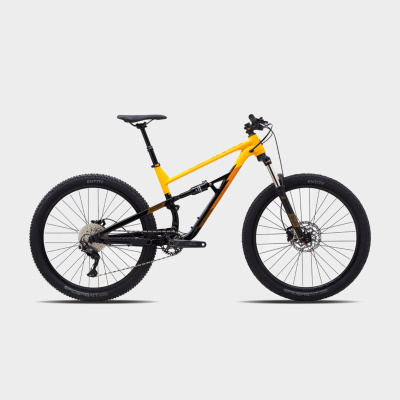
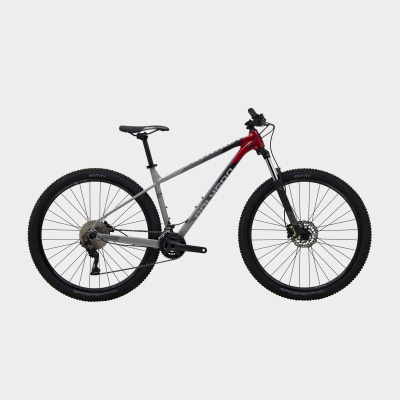
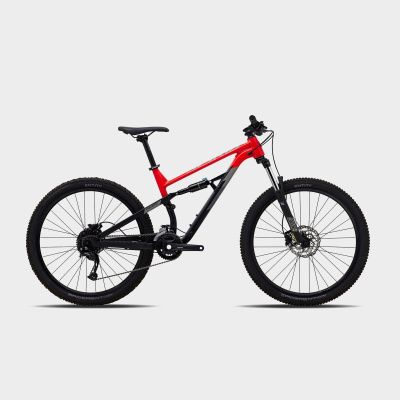
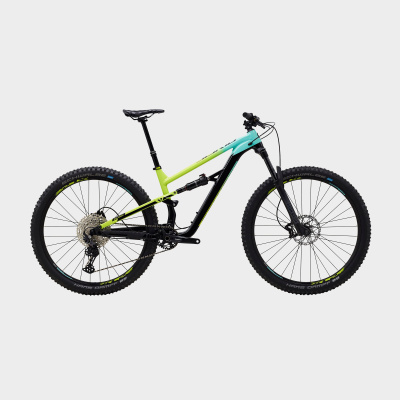
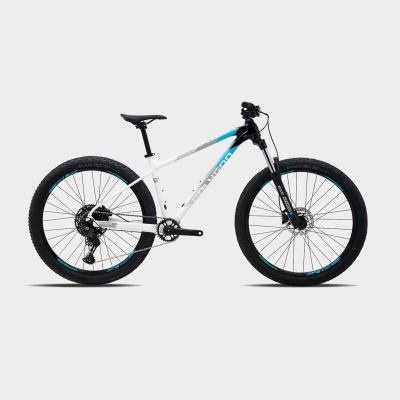
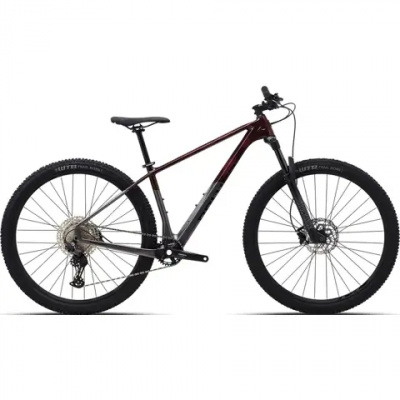
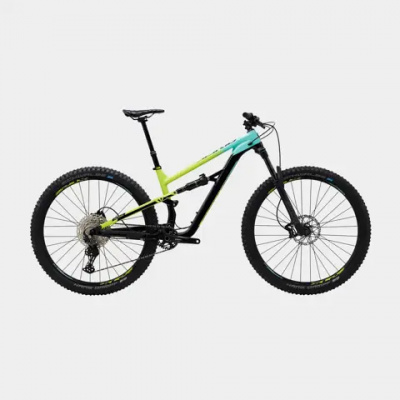
The range spans three distinct families. The Xtrada is a hardtail aimed squarely at XC and cross-country riders who want efficiency and reliability. The Siskiu covers everything from downcountry flicks to proper trail abuse, depending on which letter you pick. The Collosus is the enduro weapon - slack, long, and built for days when descending is the point. Across all of them, Polygon's ALX alloy hydroformed frames and ACX carbon options give you stiffness and weight figures that genuinely compare with bigger names. Whether you're threading singletrack in the Peak District or queuing for laps at BikePark Wales, there's a Polygon that fits the mission. This guide breaks down what each model does, how the tech works, and what to watch for before you buy.
Prices and availability can change quickly. Delivery charges are not always included in listed prices.
Final price, stock status and delivery terms are set by retailer. We may receive a commission on purchases made.
Decoding the Polygon Mountain Bike Lineup
Start with the Xtrada. It's a hardtail, full stop. Geometry is progressively modern - think slacker head angle than you'd expect at the price - and it suits riders who want a no-drama workhorse for trail centres, XC courses, or general bashing about. The rigid rear keeps power transfer direct, and it rewards smooth pedalling over rough and smooth alike.
The Siskiu family is where most riders will spend their time deciding. The letter tells you everything. The Siskiu D (downcountry) runs shorter travel and steeper geometry - it's efficient, quick off the mark, and happiest when you're covering ground rather than hunting gaps. The Siskiu T (trail) steps up to longer travel, a slacker head angle, and more robust component choices: it'll handle a cheeky drop line without getting flustered. The Siskiu N pushes further into enduro territory, with geometry that encourages you to commit on steep, loose descents. Within each letter, the number tells you where you sit on the component ladder - a higher number means a better fork, a sharper drivetrain, often a wider range cassette. The jump from a 7 to a 9 is meaningful.
At the top sits the Collosus. This is Polygon's dedicated enduro bike, built around a long, slack, Enduro geometry platform. It's a bike you choose when descending is the priority and climbing is just the tax you pay. If you're comparing options at this end of the market, it's worth stacking it against Cube mountain bikes and Giant mountain bikes, both of which operate in similar territory - though Polygon often edges them on spec per pound.
The Polygon Tech Philosophy
Frame material splits two ways. ALX Alloy uses hydroforming to shape the aluminium tubes precisely - the result is a frame that's stiffer where it needs to be and more compliant where it helps, without the weight penalty of old-school boxy alloy construction. ACX Carbon appears on higher-end Siskiu and Collosus builds, using an advanced layup process that targets weight savings in the main triangle while keeping the rear end robust enough for real-world punishment. Carbon at this price point is always a trade-off - you get the weight, but inspect used examples carefully around the bottom bracket shell.
The suspension story splits along model lines. Siskiu models run a Faux Bar linkage - a four-bar design that's well-understood, easy to service, and delivers consistent, predictable feel through a wide range of speeds. It's not the most exotic kinematics on paper, but it's reliable over a full UK season of gritty, wet riding, and you won't be hunting obscure bearing kits come February. The IFS (Independent Floating Suspension) six-bar linkage on the Collosus is a different beast. The six-bar design isolates braking forces from suspension movement, which keeps the rear wheel tracking the ground properly when you're hard on the brakes into a loose corner - a real advantage on steep, technical descents. It's more complex to service, but the pay-off in traction and composure on aggressive lines is tangible. Internal cable routing features across much of the range, keeping things tidy and protecting cables from the muck that UK trails throw at everything.
For riders coming from brands like Calibre mountain bikes, the Polygon range represents a clear step up in suspension sophistication - particularly the IFS platform on the Collosus, which is genuinely advanced for the money.
Living with a Polygon in the UK
Sizing first. Polygon's geometry charts are modern and progressive, but reach figures on some models can run slightly shorter than the most aggressive American or Californian brands at equivalent wheel size. If you're between sizes and typically ride a longer reach, size up and check the stated reach number rather than relying on S/M/L alone. A trail bike 29er at medium may suit a wider range of heights than you'd expect.
UK conditions will test any full-suspension bike's pivot bearings. Welsh winter mud, Peak District grit, and the general damp that defines most British riding seasons will work into linkage pivot points over time. On any Siskiu or Collosus, make a habit of checking and greasing pivot bearings every few months - or more often if you're riding in genuinely horrible conditions. It's straightforward maintenance, but ignoring it gets expensive. Also worth checking rear triangle tyre clearance on 29er setups if you're running wider rubber in muddy conditions - clearance is adequate but not generous on some builds.
Rock strikes are inevitable if you're riding the Peak District or anywhere with exposed stone. Fitting frame protection to the down tube and chainstays from day one is just sensible - it costs very little and saves the finish (and occasionally the frame) from cumulative damage. Swap any mild-steel fasteners for stainless alternatives using quality bolts, and check your skewers - corrosion-resistant options are worth the minor outlay if you're washing the bike down regularly. If anything in the linkage needs attention down the line, a supply of frame spares and bushings kept on the shelf means a seized pivot doesn't write off a riding weekend.
On the whole, Polygon bikes reward riders who do basic maintenance consistently. They're not fragile - far from it - but like any technically specified full-suspension bike, they respond well to being looked after.
Polygon Mountain Bikes FAQs
Are Polygon mountain bikes any good?
Genuinely, yes. Polygon pairs modern geometry with solid components from Shimano, SRAM, and RockShox at prices that regularly undercut equivalent European builds. The Faux Bar and IFS suspension platforms are proven, not cut-price afterthoughts. They've picked up consistent praise from the UK cycling press and hold up well across a full season of hard riding.
What is the difference between Polygon Siskiu T and D?
The Siskiu D runs shorter travel and steeper geometry - it's quick, efficient, and suited to XC and light trail use where pedalling performance matters most. The Siskiu T steps up to longer travel and a slacker head angle, with beefier components to match. Pick the D if you're covering ground; pick the T if you're descending it properly.
Where are Polygon bikes made?
Polygon bikes are manufactured in Indonesia by Insera Sena - one of the largest and most technically advanced bicycle production facilities in Southeast Asia. They produce frames for Polygon's own range as well as several other well-known global brands, so the factory credentials are not in question.