
POC Regular Tights
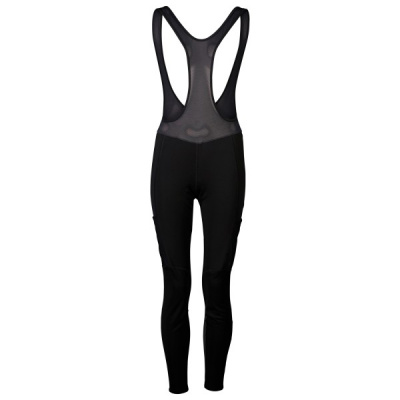
POC cycling tights occupy a precise niche in cold-weather road kit - engineered with Scandinavian attention to detail, they pair proprietary chamois technology with thermal fabrics that actually hold up to a January morning in the Peaks. These are waist tights, not bibs, which matters more than it sounds. No shoulder straps means less bulk under a winter jacket, and mid-ride café stops become considerably less of an ordeal. POC's regular tights are built around a high-stretch polyamide and elastane blend that compresses without clamping, moving with you on climbs rather than fighting your legs on the way up. The brushed fleece interior traps heat without cooking you on harder efforts. A fluorocarbon-free DWR coating takes the edge off UK road spray - not a substitute for full waterproofs, but enough to keep you comfortable when the lanes are damp. Reflective zones on the lower legs add useful low-light visibility on short winter days. Whether you're logging base miles or commuting through the frost, these tights are a considered, technically robust option that competes directly with Castelli regular tights and Rapha regular tights at the top of the market.
Prices and availability can change quickly. Delivery charges are not always included in listed prices.
Final price, stock status and delivery terms are set by retailer. We may receive a commission on purchases made.
Fabric Tech and Weather Performance
The brushed fleece interior is the first thing you notice when you pull POC winter cycling tights on - it's dense enough to trap body heat on a sub-zero start but doesn't turn into a sauna once you're moving. The outer face uses a breathable polyamide blend with four-way stretch, so there's genuine ventilation on a hard climb rather than the clammy, sweat-trap feeling you get from heavier single-layer fabrics. It's a sensible balance. Cold and manageable at the bottom of the hill; warm enough not to seize up halfway up it.
The fluorocarbon-free DWR coating handles the reality of British riding well. Road spray from a wet B-road in the Brecon Beacons or a commute through a damp Surrey lane beads and runs rather than soaking in. It won't keep you dry in sustained heavy rain - nothing short of full waterproof overtrousers will - but for the persistent drizzle and damp road surfaces that characterise most UK winter rides, it does the job reliably. Worth noting: that DWR treatment is fluorocarbon-free, which aligns with POC's broader sustainability commitments without compromising performance in the conditions it's designed for.
Reflective detailing on the lower legs is positioned where it counts. Car headlights and van lights pick it up clearly at calf height, which is particularly useful during the low-light commuting hours in November and December. It's not a replacement for lights, but it adds a meaningful layer of visibility that riders doing pre-dawn or post-dusk miles will appreciate.
Understanding the POC Fit: Waist Tights Versus Your Other Options
POC regular tights use a wide, pressure-distributing waistband that sits firmly without digging in over three or four hours. The compression is athletic and close - you're not going to have fabric bunching behind the knee - but there's enough give in the four-way stretch construction that the tights move with your pedalling stroke rather than restricting it. Sizing runs true to POC's standard athletic cut. If you're between sizes or carry a bit more volume around the waist, sizing up is worth considering; the chamois positioning and leg grippers will still work correctly in the larger size.
The waist-tight format suits most riders well for winter training. Fewer layers pressing down on your shoulders means a winter jacket or gilet sits cleanly over the top, and the logistics of a mid-ride stop are genuinely simpler than with bib tights. If you're riding in an aggressive, aerodynamic position for long periods, some riders do find that bib straps give a more locked-in chamois placement - if that's you, POC Bib Shorts are worth a look. Come the warmer months, POC Regular Shorts carry over the same chamois technology in a lighter, summer-appropriate format. And if you want something baggier for off-road or mixed-use riding, POC Trousers offer a more relaxed cut that pairs well with a separate liner short.
What the VPDS Chamois Actually Does
POC's VPDS chamois - Visco-Elastic Polymer Dough Silicon - is the core reason these tights cost what they do, and it's worth understanding what sets it apart from a standard foam pad. Traditional foam chamois compresses under load and can bottom out on longer efforts, particularly on rough road surfaces. The VPDS silicone inserts behave differently: they deform under pressure and spring back, absorbing vibration from chip-seal and potholed B-roads rather than just cushioning the initial contact.
On a long winter base ride - the sort of four-hour steady effort that forms the backbone of a structured training block - that sustained vibration dampening adds up. Your sit bones aren't fighting the pad for the last ninety minutes, and the chamois holds its shape across the full duration rather than flattening out. The silicone construction also means the pad stays in place; it doesn't migrate or bunch the way some foam pads can after a few hours in the saddle. These are POC padded cycling tights in the truest sense of that description - the chamois is doing active work, not just providing a bit of softness.
Layering These Into a Winter Kit System
POC thermal tights work best as part of a considered layering system rather than a standalone solution. Start with a moisture-wicking POC base layer on top - something thin and body-mapped that moves sweat away from the skin quickly. Over that, a thermal mid-layer or a POC jacket with wind-resistant panelling handles the bulk of the insulation. The tights cover the lower half effectively, but if temperatures drop below freezing, pairing them with thermal overshoes and POC socks fills the gaps at the extremities where cold typically wins first.
Washing matters more with technical cycling kit than most riders realise. Turn the tights inside out, wash at 30°C using a dedicated technical detergent, and skip the fabric softener entirely - softener deposits break down both the DWR coating and the silicone structure of the VPDS chamois over time. Air dry them flat or hanging, away from radiators; direct heat degrades the elastane and shortens the lifespan of the stretch fabric noticeably. Done right, a good pair of POC waist tights will see you through multiple winters without the pad flattening or the thermal lining losing its loft. Endura regular tights are a solid alternative if you want to compare care requirements and fabric specs across the market.
POC Regular Tights FAQs
Are POC cycling tights true to size?
Generally, yes - POC tights follow a close, athletic cut that fits true to size for most riders. If you're between sizes or prefer a bit more room around the waistband, go up one size. The chamois positioning and silicone leg grippers will still work correctly in the larger size.
What is the difference between regular tights and bib tights?
Regular tights use an elasticated waistband, making mid-ride stops much simpler and reducing bulk under a winter jacket. Bib tights use shoulder straps to anchor the chamois, which some riders prefer for a more aggressive, locked-in riding position. For most winter training rides, waist tights are the more practical choice.
How should I wash my POC thermal tights?
Wash inside-out at 30°C with a technical apparel detergent. Avoid fabric softeners - they degrade both the DWR coating and the VPDS silicone chamois over time. Air dry flat or hanging, away from direct heat sources. Radiator drying shortens the life of the elastane noticeably.