
POC Overtrousers
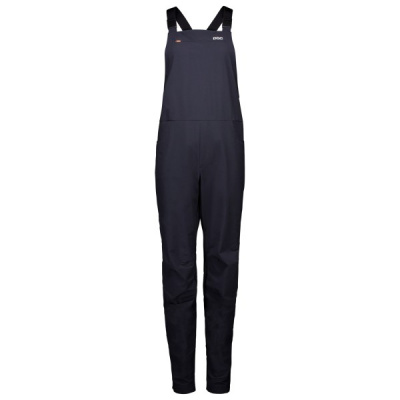
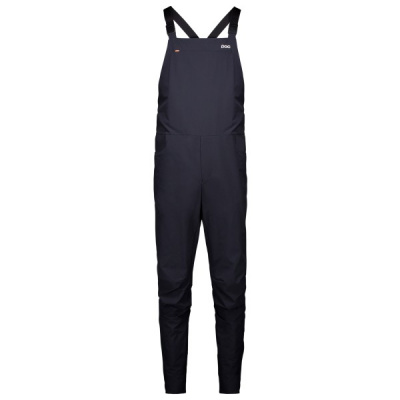
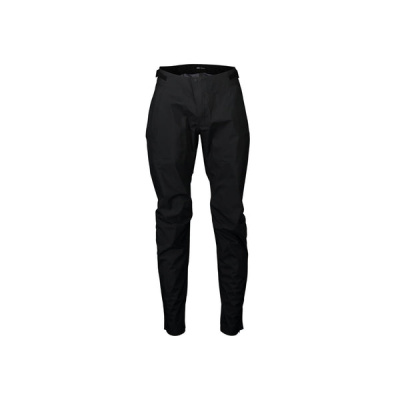
POC overtrousers are built for the kind of weather that rolls in off the Irish Sea mid-climb and has absolutely no intention of stopping. These aren't emergency bin-bag affairs - they're seriously engineered outer shells using 3-layer waterproof and breathable membranes, fluorocarbon-free DWR treatments, and fully taped seams that keep the wet out even when you're deep in gritty Welsh trail mud or grinding up a sodden Peak District moor road.
What sets them apart from cheaper rain gear is how they handle the inside as well as the outside. High breathability ratings - often hitting 20,000 g/m²/24h - mean you won't turn into a rolling sauna on steep efforts. Articulated knee panels move with your pedal stroke rather than fighting it, and reinforced zones at the seat and knees deal with the abrasive mud and saddle friction that eat through lesser fabrics fast.
The range covers both trail and commute use, so whether you're after POC MTB overtrousers with room for knee pads or something slimmer for a soaked city run, there's a cut to suit. Sizing runs slightly generous by design - they're made to go over your existing kit without binding. Packable enough to stuff in a jersey pocket, protective enough to actually matter when the sky falls in.
Prices and availability can change quickly. Delivery charges are not always included in listed prices.
Final price, stock status and delivery terms are set by retailer. We may receive a commission on purchases made.
Fabric Tech and Weather Performance
The headline here is the 3-layer waterproof fabric construction. Rather than a loose inner liner stuck to a waterproof membrane, POC bonds the layers together - face fabric, membrane, and backer - into a single composite that's both stiffer to wind and more durable under repeated flexing. Water column ratings typically sit at 20,000mm or above, which means sustained, heavy rainfall isn't getting through. A single-season British winter will confirm whether a fabric is genuinely waterproof or just water-resistant; these are the former.
The fluorocarbon-free DWR coating on the outer face is what makes water bead and roll off rather than soaking into the weave and adding weight. It does degrade with use and washing, but it's fully revivable - more on that shortly. Fully taped internal seams are non-negotiable in proper waterproof trousers, and POC delivers here: every stitch line is sealed so rain can't track through needle holes during a downpour. Waterproof zip closures at the ankles or waistband mean you're not smuggling in water through the one bit the marketing forgot about.
Where POC waterproof cycling trousers pull ahead of a lot of the competition is the reinforcement work. Cordura® or Vectran® panels at the seat and knees do two jobs: they resist the grinding abrasion of gritty UK trail mud, and they handle the friction against a saddle over long rides. If you've ever had a cheaper pair go threadbare across the backside by February, you'll appreciate why this matters. Compared to something like Endura overtrousers, POC leans into trail-specific durability rather than purely chasing low weight.
Understanding the POC Fit and Range
POC designs its overtrousers to sit over your existing cycling kit, and the cut reflects that. Articulated knees are pre-shaped in a bent-leg position, which stops the fabric pulling tight mid-pedal stroke and removes that annoying resistance you get from flat-cut rain trousers. There's also deliberate extra room around the knee to accommodate knee pads - useful if you're running trail or enduro protection underneath on rougher rides.
On sizing: stick to your normal size. POC overtrousers are already cut with layering clearance built in, so sizing up just creates excess material that bunches around the ankles and flaps against the drivetrain. The exception is if you're planning to run particularly thick tights underneath in deep winter - in that case, trying a size up isn't unreasonable, but it's rarely necessary. Waist adjusters and ankle cuffs handle the fine-tuning.
The range tends to split between trail-focused cuts with wider thighs and reinforced zones, and trimmer commuter-oriented styles that pack smaller and carry less visual bulk on a city bike. POC MTB overtrousers sit in the former camp; if you need something that transitions between trail days and wet-weather commuting without looking like you've come straight off a bike park, check the slimmer options in the range. For dry or damp days where full waterproofing isn't the priority, our dedicated POC Trousers page covers standard trail pants that breathe more freely and move with less restriction. Alternatives like Fox overtrousers skew similarly trail-focused if you're comparing options across brands.
Layering and Care for UK Riding
Getting the layering right is what separates a comfortable winter ride from a miserable one. Over a base layer and POC liner shorts works well in milder, wet conditions - say, a damp October trail day where the temperature is above 10°C. Drop into proper winter cold and you'll want them over POC regular tights instead, which adds warmth without bulking the fit out too much. Pair them with a POC jacket up top and you've got a coherent system where the fit and fabric weights are matched. Mismatching brands can leave you with pressure points where different cut philosophies collide.
Washing is where most riders quietly ruin their waterproof kit. Biological detergents strip DWR coatings fast, and a build-up of standard fabric softener blocks the membrane's breathability. Use a technical cleaner - Nikwax Tech Wash or Grangers Performance Wash are the ones most riders have tucked under the sink - and keep it to a gentle cycle at 30°C. The DWR reactivation step matters: a low-heat tumble dry for 20 minutes, or a few minutes with a warm iron over a cloth, brings the beading back to life. Do it every few washes and the fabric performs noticeably better for longer.
One practical note: if you're shoving these into a jersey pocket mid-ride, give them a moment to cool down after a climb before packing them away wet. Rolling damp, warm fabric into a tight bundle repeatedly isn't great for delamination over time. Small habit, extended lifespan. The POC overtrousers fit guide logic applies to storage too - don't compress them any more than needed for transport.
POC Overtrousers FAQs
Are POC overtrousers true to size?
Yes - POC cuts their overtrousers with extra room built in, so they fit over standard cycling shorts or tights at your normal size. Only consider sizing up if you're running particularly bulky layers underneath. Go true to size in most cases and the waist and ankle adjusters will handle the fine-tuning.
How waterproof are POC cycling trousers?
Very. POC overtrousers typically use 3-layer waterproof fabrics with water column ratings of 20,000mm or higher. Fully taped seams mean no water tracking through stitch lines, and the DWR coating keeps the outer face beading rather than soaking. Sustained UK downpours - the long, grinding kind - aren't an issue.
Can you wear POC overtrousers for mountain biking and commuting?
Yes, though the fit varies by model. Trail-specific cuts have wider thighs and reinforced zones suited to MTB use, including room for knee pads. Slimmer styles in the range work well for commuting. High breathability and reliable waterproofing make both disciplines viable - check the cut description on each model before buying.