
POC Helmets
POC helmets are built around one clear idea: reduce the consequences of a crash, full stop. The Swedish brand doesn't treat safety as a selling point to bolt on at the end - it drives every material choice, every foam density, every colourway decision. That's why you'll find technologies like Mips Integra and Aramid bridges in helmets that also manage to look genuinely distinctive on the road or trail.
For UK riders, that philosophy translates well. Whether you're grinding up a sodden moorland climb, threading through commuter traffic on a dark November morning, or piling into a trail centre car park before the rain sets in, POC has a helmet engineered for the job. The AVIP fluorescent colourways aren't just a style choice - on grey, overcast British roads they make a measurable difference to how early a driver spots you. The twICEme NFC Medical ID tag, embedded discreetly in the liner, lets emergency services pull up your medical details from a smartphone scan. Small thing. Potentially significant.
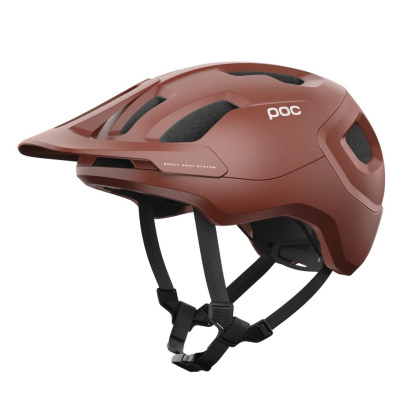
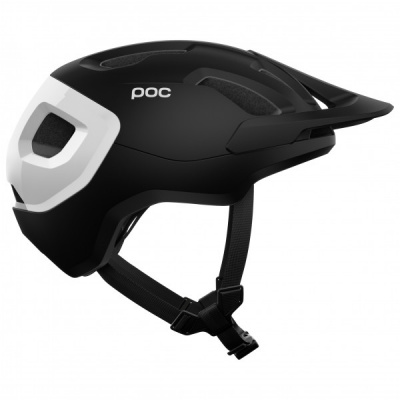
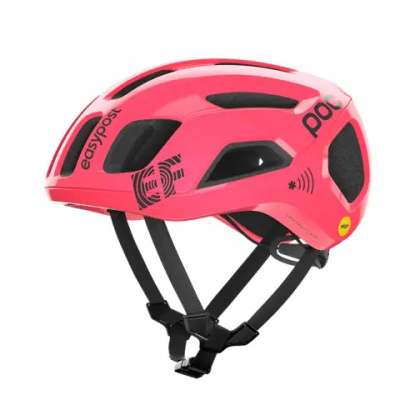
The range spans elite road racing lids, versatile everyday helmets, and open-face trail options. Each one carries POC's optimised EPS liner construction and 360° fit system as standard. Scroll down for a full breakdown of which helmet suits which type of riding.
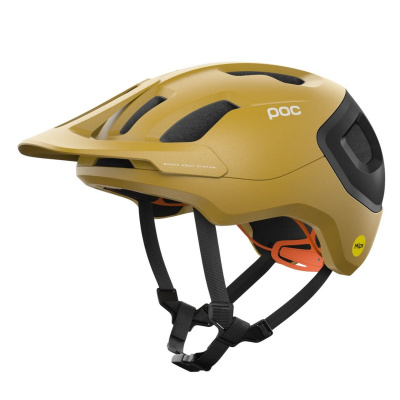
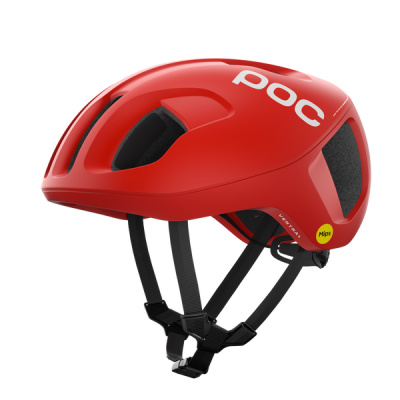
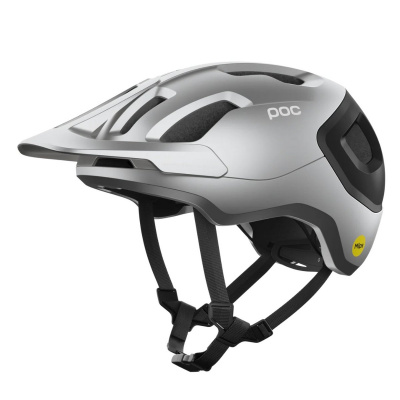
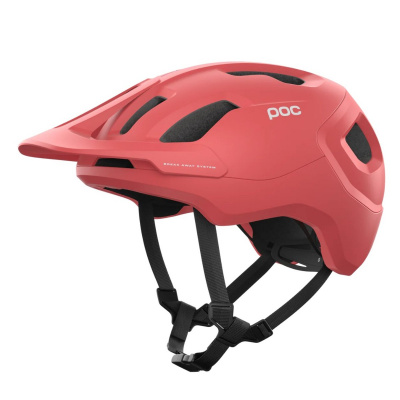
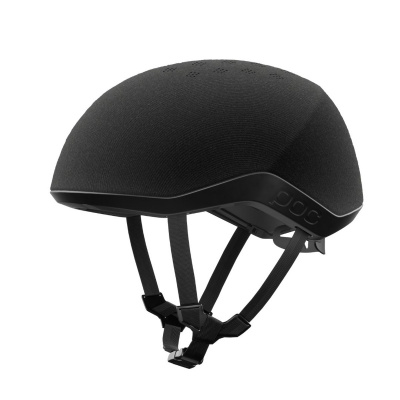
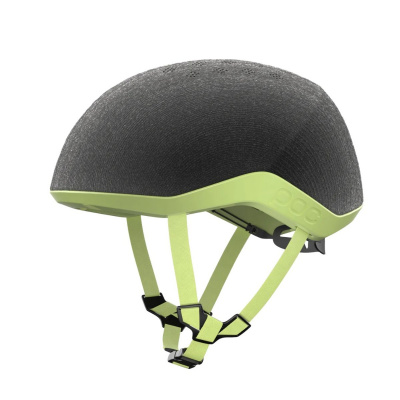
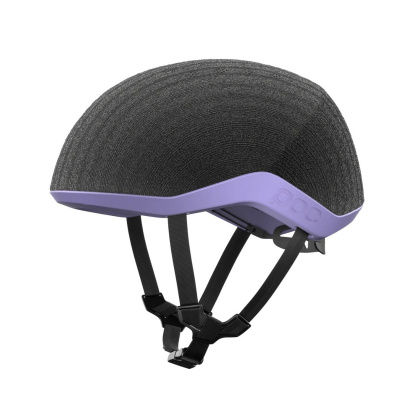
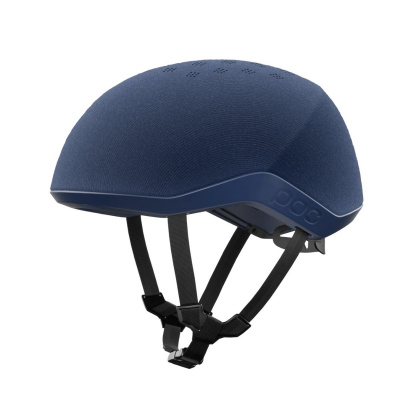
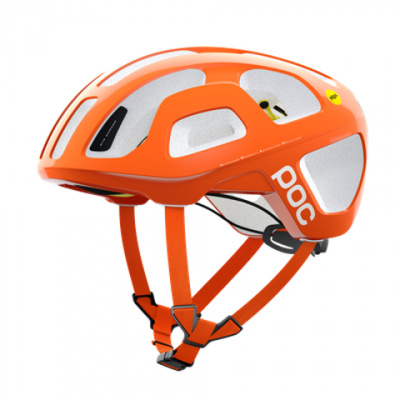
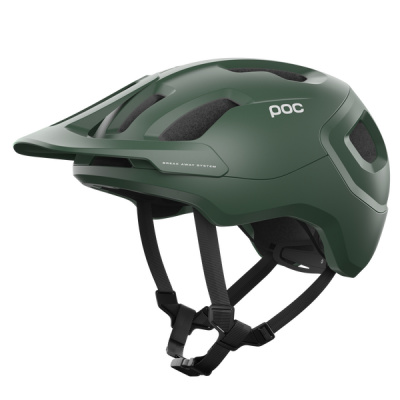
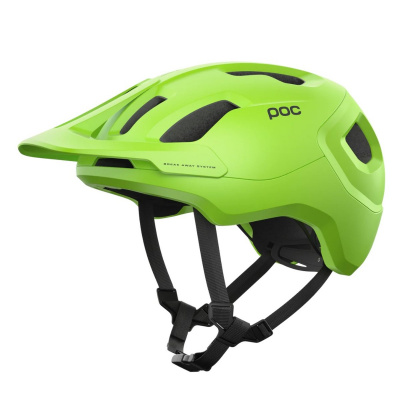
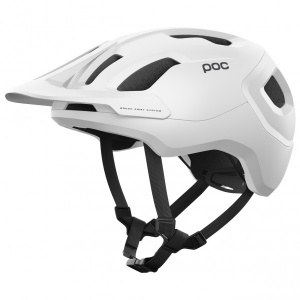
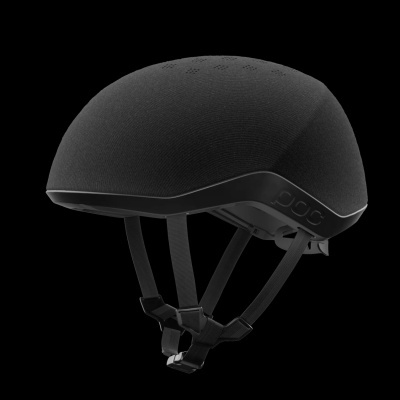
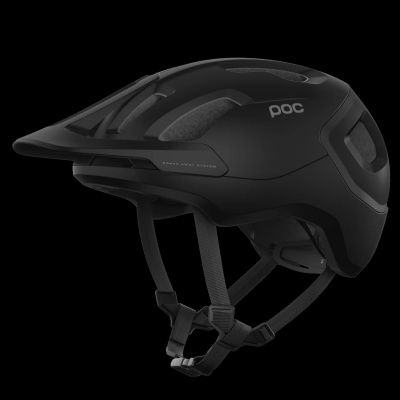
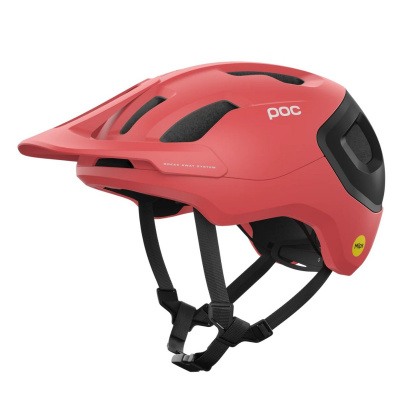
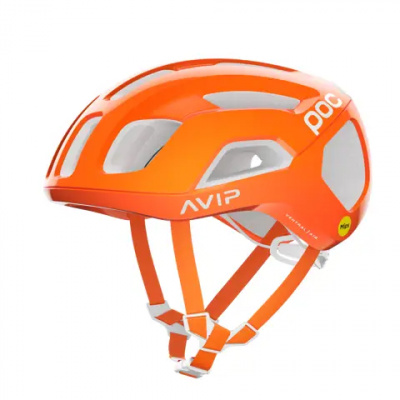
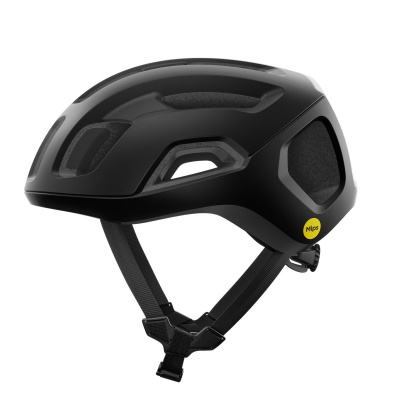
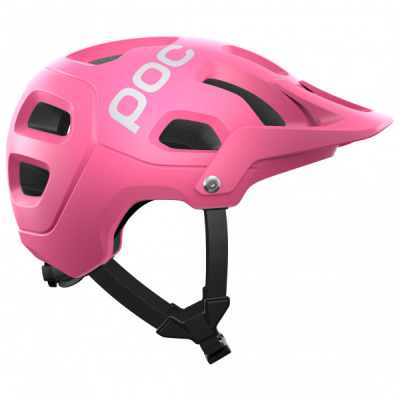
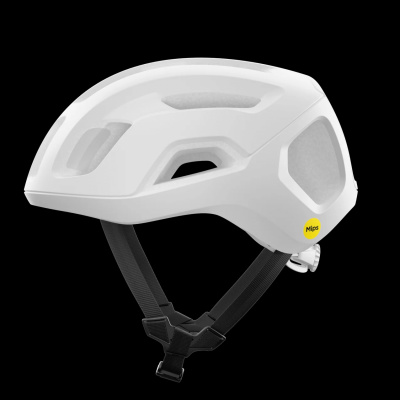
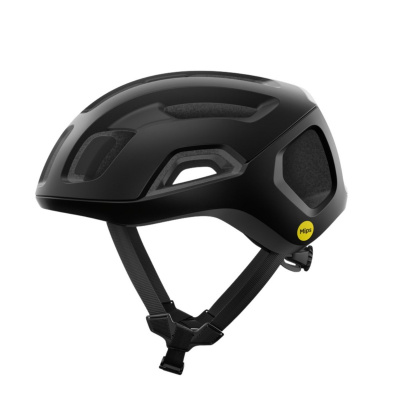
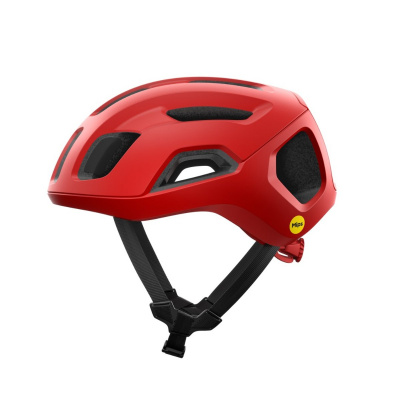
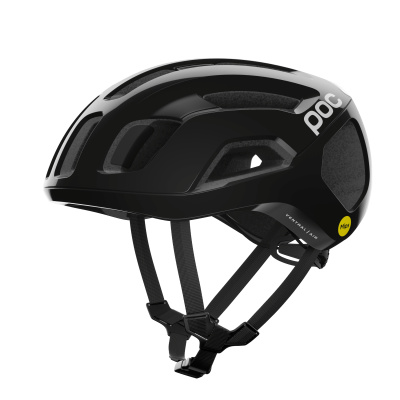
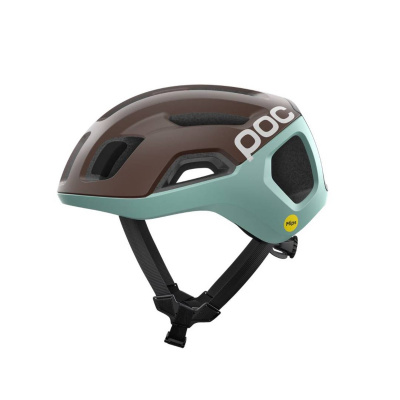
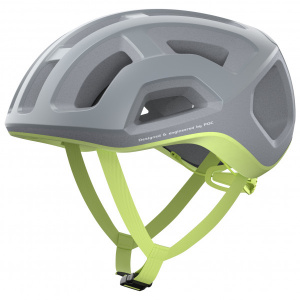
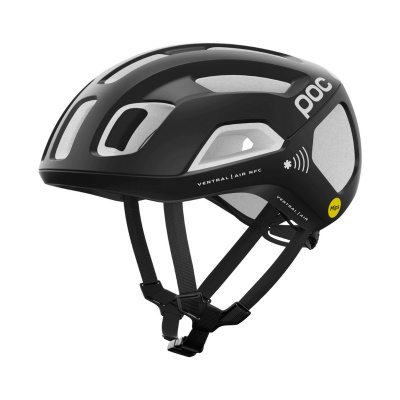
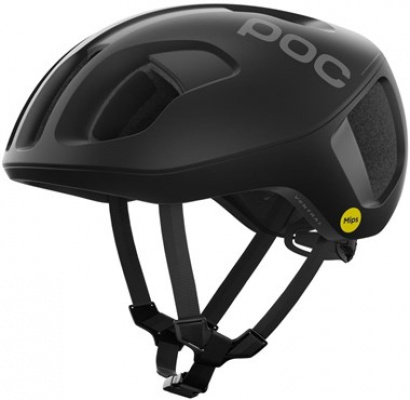
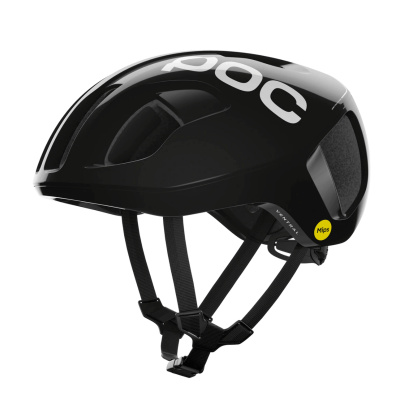
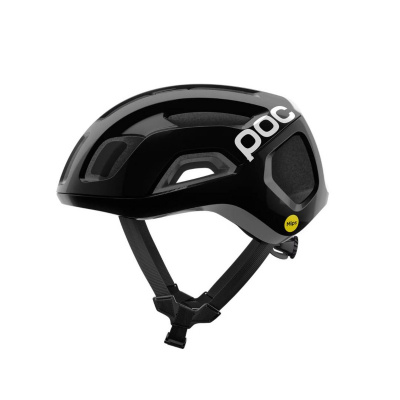
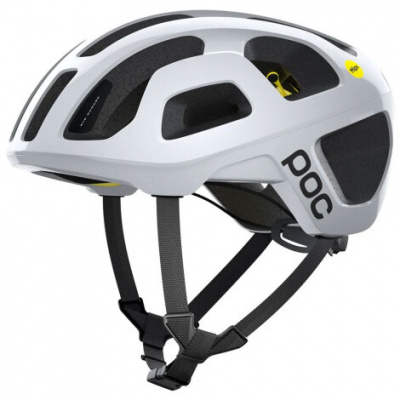
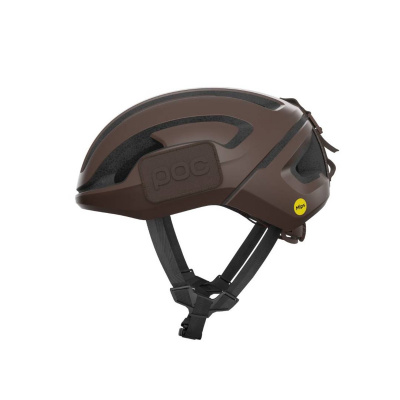
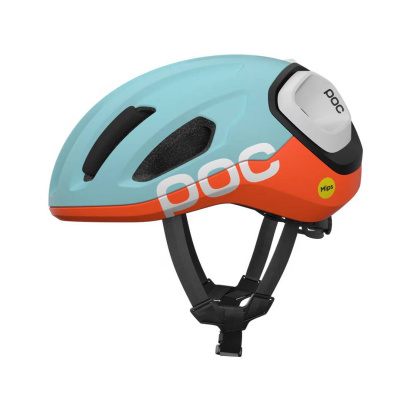
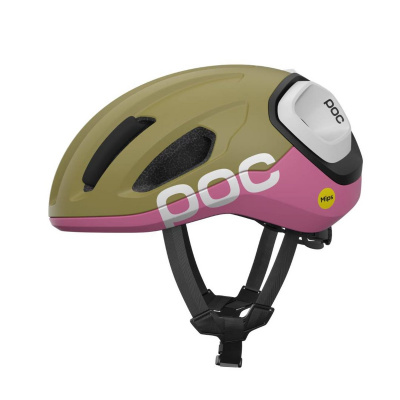
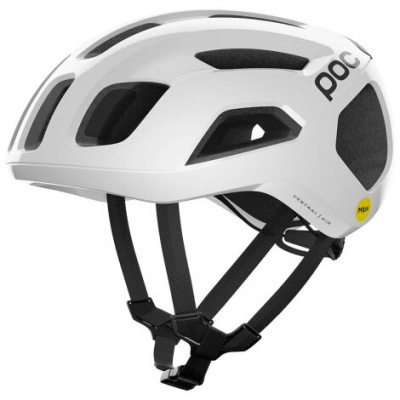
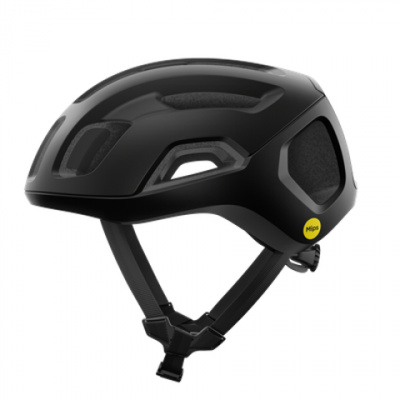
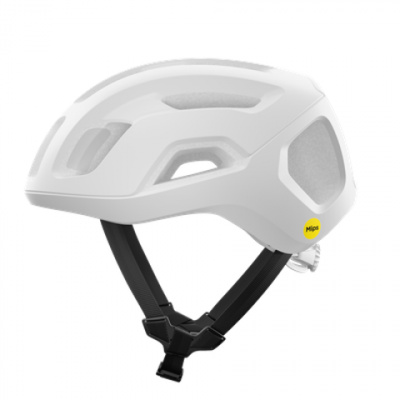
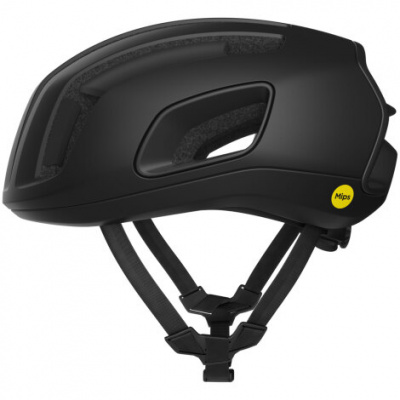
Prices and availability can change quickly. Delivery charges are not always included in listed prices.
Final price, stock status and delivery terms are set by retailer. We may receive a commission on purchases made.
Safety Tech and Ventilation Performance
POC's approach to protection starts deeper than the outer shell. The Mips Integra system is the clearest example: rather than adding a separate low-friction layer inside the helmet (which can feel slightly loose or add bulk), Mips Integra weaves the rotational impact management directly into the liner itself. The result is a helmet that handles oblique impacts - the kind that twist your head on contact, which are common in real crashes - without the slightly padded, marshmallow feel that earlier Mips implementations sometimes produced. Cleaner fit, same protection benefit.
Aramid bridges are another piece of engineering that rarely gets enough attention. These reinforcing structures, made from the same fibre family used in protective equipment, run through the EPS foam to resist puncture and maintain the helmet's shape under load. If the outer shell cracks on impact, the Aramid bridges help prevent the liner from collapsing unevenly. It's structural integrity working quietly in the background.
The EPS liner itself isn't uniform across each helmet - POC density-optimises different zones depending on where impact energy is most likely to concentrate. Harder foam where you need rigidity, softer where the foam needs to compress progressively. Combined with EPP in some models for repeated-impact resilience, the liner does considerably more work than a single-density block would.
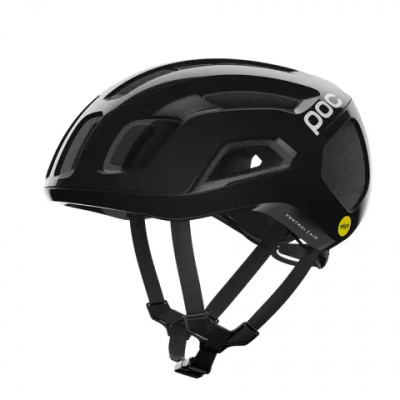
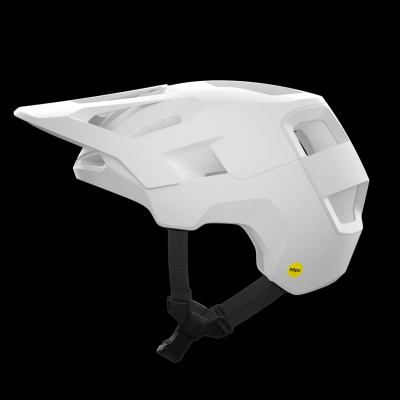
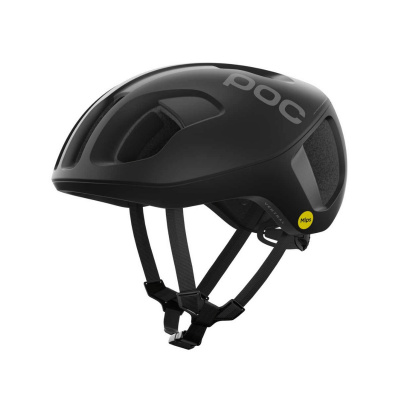
Ventilation is where models like the Ventral make a strong case for themselves. The channels cut through the helmet aren't just decorative slots - they're shaped to create a Venturi effect, accelerating airflow across the scalp as speed increases. On a long, humid climb in the Brecon Beacons or a fast descent in the Peak District, the difference between a well-channelled helmet and a poorly designed one is something you feel in your core temperature. The Tectal, aimed at trail riders, uses a similar principle but with a deeper coverage profile that keeps the airflow moving even at lower speeds.
Getting the Fit Right Across the Range
POC helmets tend to suit a slightly rounder head shape. If you've tried on a narrower Italian-profiled lid and found it pinching at the temples, a POC may well fit you more naturally. That said, the 360° fit system does real work here - the retention cradle wraps around the back and sides of the skull, and with a couple of turns of the dial you can fine-tune the pressure distribution considerably. Don't just tighten until it feels secure; take a moment to centre the helmet front-to-back first, then snug the cradle down evenly.
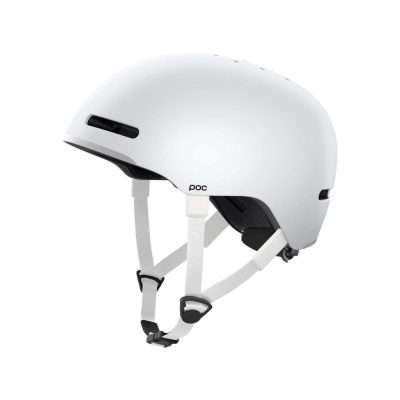
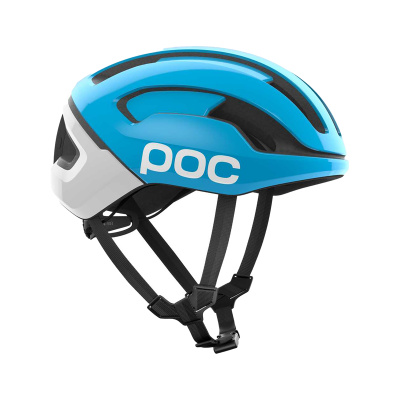
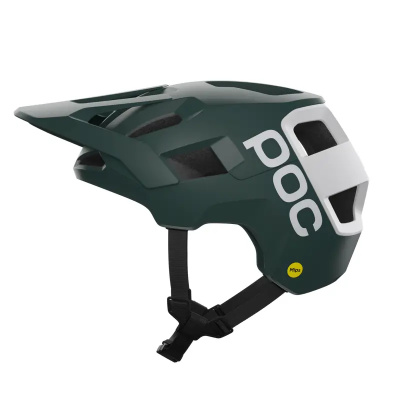
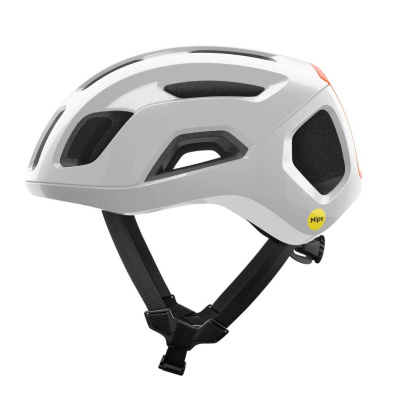
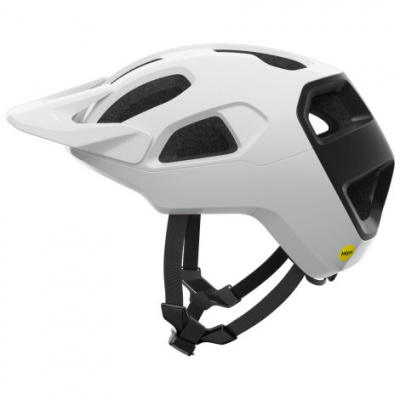
The range breaks down into clear disciplines. The Ventral sits at the top of POC's road lineup - a high-ventilation, performance-focused helmet for riders who spend time in the bunch or want maximum cooling on fast club runs. The Omne is the more practical choice: slightly more EPS coverage, a touch heavier, but genuinely versatile across commuting, gravel riding, and mixed-surface days out. If you're the kind of rider whose week involves a Wednesday evening chain-gang and a Sunday gravel loop, the Omne is the more sensible daily companion. The Tectal and Kortal move into trail and enduro territory - deeper rear coverage, compatible with goggles via the eye garage channel, and built to cope with the kind of cumulative scrapes that a UK trail centre season inevitably delivers.
Not sure whether you need a full aero shell for time trials? We've got a dedicated POC Aero TT Helmets page covering wind-tunnel-tested designs for racing against the clock. And if you're shopping for a younger rider, our Kids Helmets section is worth a look for size-appropriate options with the same safety standards.
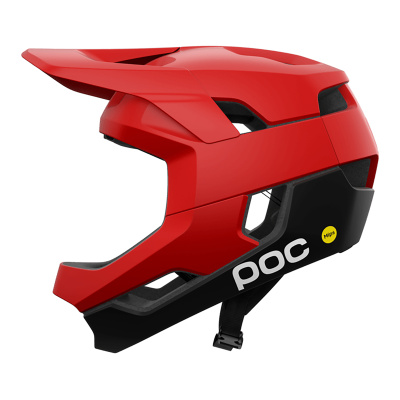
For full-face coverage on aggressive enduro or downhill riding, a standard open-face lid isn't the right call - check our full-face MTB helmet category for options that suit that kind of commitment to speed and exposure. Brands like Giro and Bell also offer strong alternatives if you're comparing across the market before committing.
Riding in the UK: Visibility and Looking After Your Lid
AVIP - POC's Attention Visibility Inarticulation Protection colour system - is one of those ideas that sounds like marketing until you're riding home from work at 4:30pm in October and realise that fluorescent yellow-green registers in a driver's peripheral vision before high-vis does. For regular UK road riding through autumn and winter, it's worth factoring into your choice rather than defaulting to the most neutral colourway.
The RECCO reflector built into several POC helmets is aimed specifically at off-road riders in remote areas - it allows mountain rescue teams using RECCO detection systems to locate you if something goes badly wrong in the hills. It won't help on a Surrey commute, but if you ride in the Cairngorms or the Lake District fells, it's a genuinely useful passive safety layer.
Helmet care is straightforward but easy to neglect. The internal pads are removable on most POC models - rinse them with lukewarm water and mild soap after heavy use, and let them air dry fully before putting them back. Sweat left to sit in the foam breeds bacteria and degrades the adhesive backing. For the polycarbonate shell, avoid solvent-based cleaners; a damp cloth is all you need. More critically, learn to inspect your EPS liner after any drop, even a low-speed tip-over in a car park. Compress the foam lightly with your thumb along the lower edges - if you feel any crunch or find a flat spot that doesn't spring back, the liner has absorbed an impact and the helmet needs replacing. The shell can look perfect while the foam underneath has already done its job once.
POC helmets pair naturally with their own POC goggles - the eye garage on trail models is designed with that compatibility in mind. If you're building out a full kit, their POC jerseys and POC jackets follow the same AVIP visibility logic, so the whole outfit works together in low-light conditions. Worth knowing if you ride year-round.
POC Helmets FAQs
Do POC helmets run true to size?
Generally yes, though POC's internal profile leans slightly rounder than some narrower European brands. Measure your head circumference at the widest point before ordering, and use the 360° fit system to dial in an even, pressure-free hold. If you're between sizes, sizing up and tightening the retention cradle tends to work better than forcing a small.
What is the difference between the POC Ventral and Omne?
The Ventral is POC's performance road helmet - highly ventilated, lighter, shaped for speed in the bunch or on fast club runs. The Omne has a slightly thicker EPS liner and broader coverage, making it better suited to commuting, gravel riding, and mixed-weather use. Race regularly, go Ventral. Ride a bit of everything, the Omne is the more practical daily choice.
When should I replace my POC helmet?
Replace it immediately after any crash, even if the polycarbonate shell looks undamaged - EPS foam absorbs energy by compressing and won't recover for a second impact. Outside of crashes, industry guidance points to every three to five years, since UV exposure and sweat gradually degrade the foam in ways you can't see from the outside.