
POC Goggles
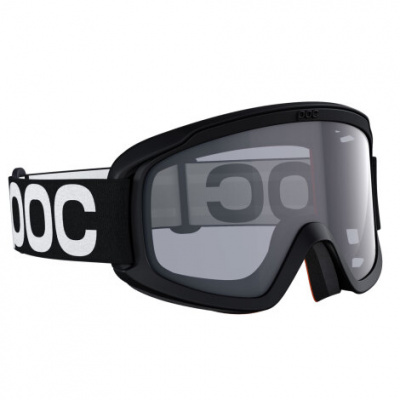
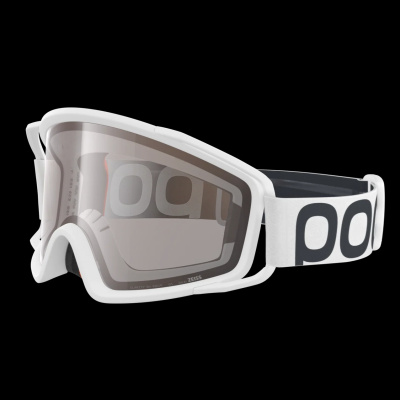
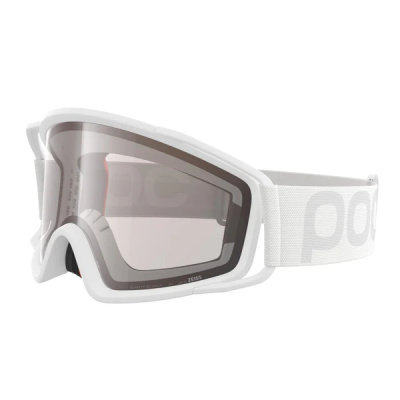
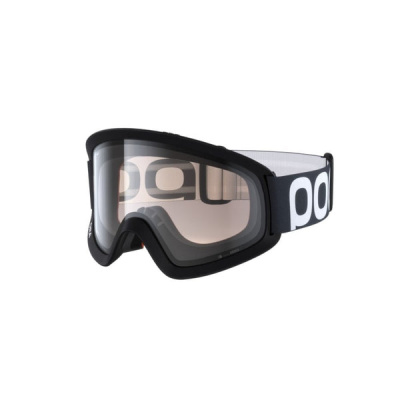
POC MTB goggles are built around one idea: your vision shouldn't be the thing that slows you down. When you're threading through a rooty Welsh descent or charging into the shadowy chop of a pine-forest DH track, the difference between spotting a rut and hitting it comes down to optical quality. POC's answer is a partnership with Carl Zeiss - the same optics company behind precision scientific instruments - to produce Clarity lenses that genuinely sharpen trail contrast rather than just filtering light.
The frame design backs that up. A maximised field of view keeps your peripheral vision open, flexible Grilamid frames absorb impacts without cracking, and triple-layer face foam wicks sweat during those lung-burning climbs before the fun starts. POC's seamless fit philosophy means the goggles sit flush against compatible POC helmets, closing the gap that lets cold wind - or Welsh rain - straight onto your forehead.
The range covers everything from trail-focused enduro riding to full-on downhill racing, with lens tints and foam configurations chosen for the conditions. Whether you're navigating flat November light in the Peak District or lining up for a summer race run, there's a spec here that suits the job.
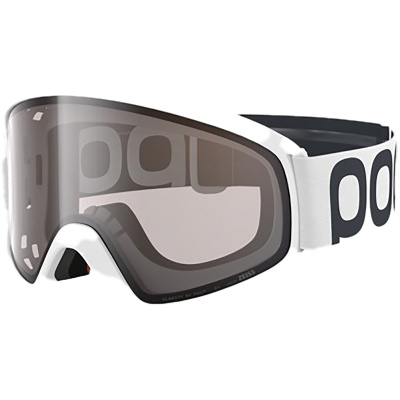
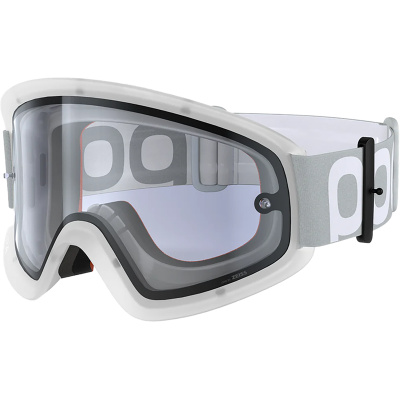
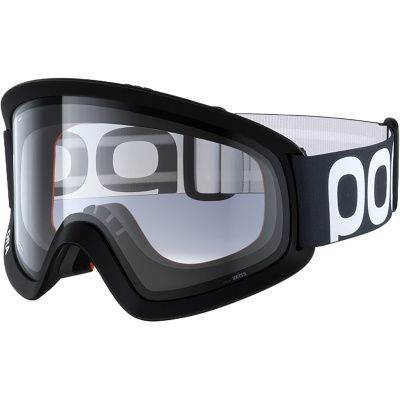
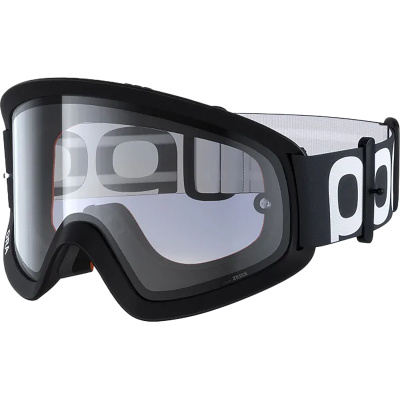
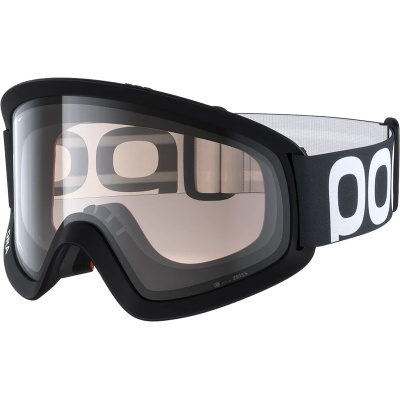
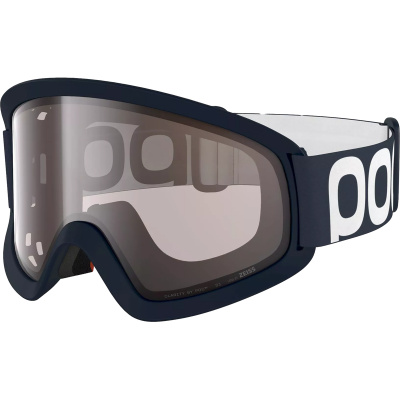
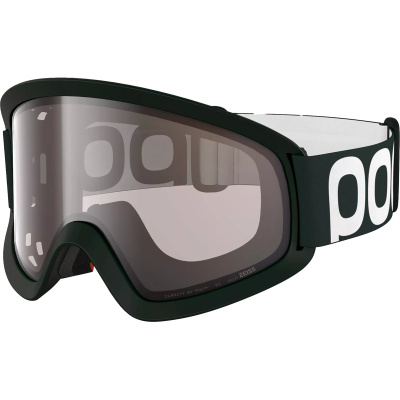
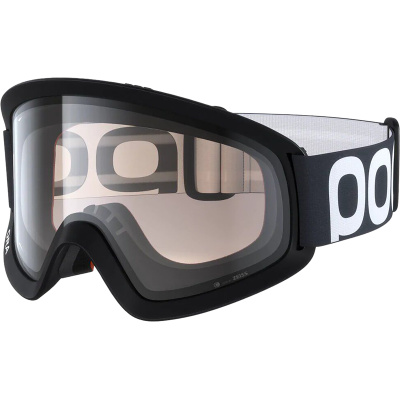
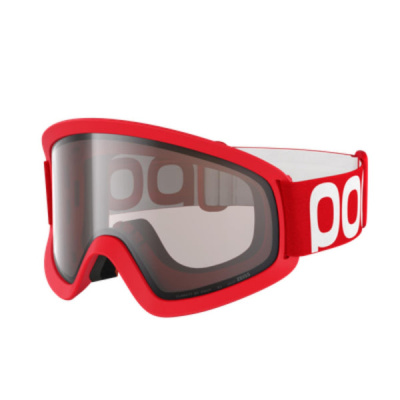
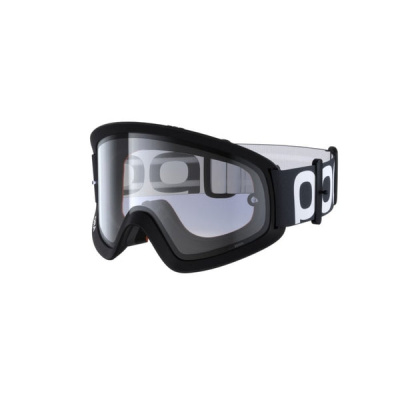
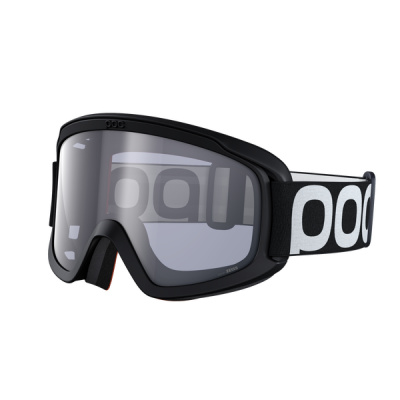
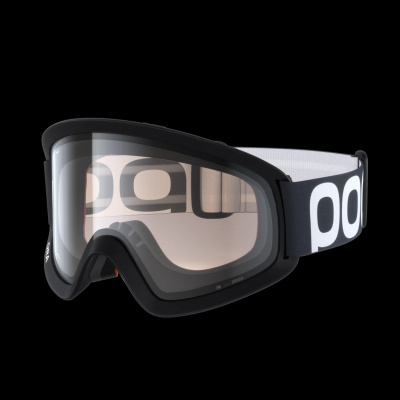
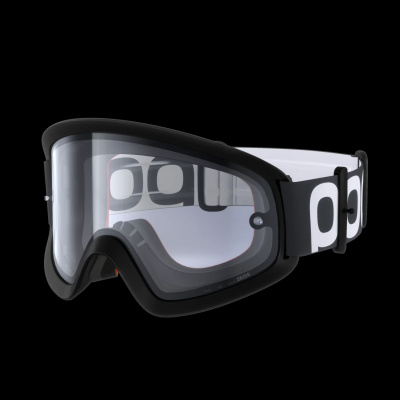
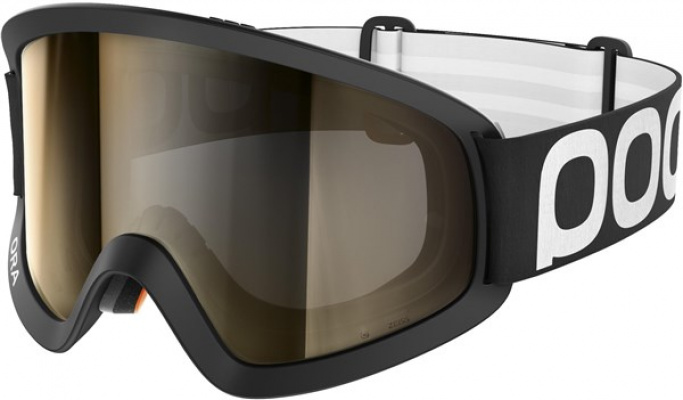
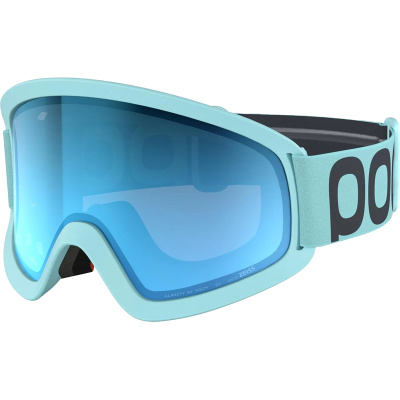
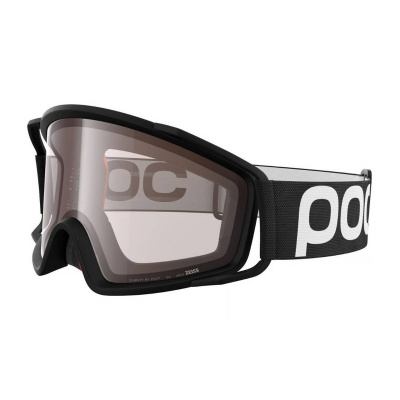
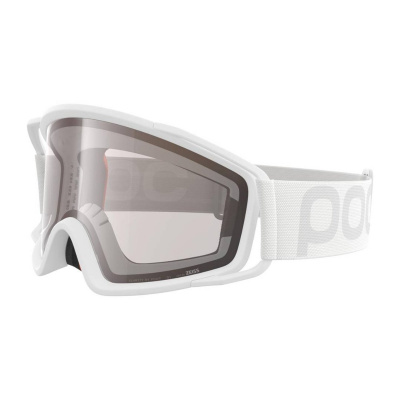
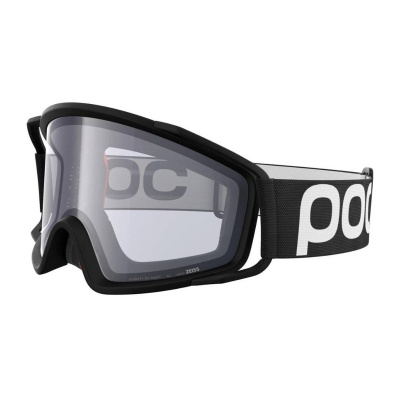
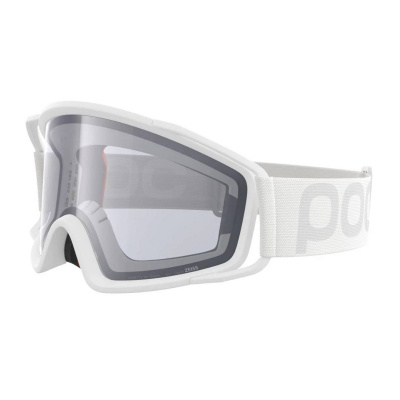
Prices and availability can change quickly. Delivery charges are not always included in listed prices.
Final price, stock status and delivery terms are set by retailer. We may receive a commission on purchases made.
Seeing Through the UK Gloom: Lens Tech and Weather Performance
Most of UK riding doesn't happen in bright sunshine. It happens in the kind of damp, diffuse light that makes roots blend into the trail surface and drops you off the back of a wet rock before you've registered it. That's exactly the problem POC's Carl Zeiss Clarity lens technology is designed to solve. Rather than simply tinting the world darker, Clarity lenses filter specific colour peaks to push contrast between brown earth, grey rock, and green vegetation - the three things you most need to read quickly on a British trail.
The practical upshot: a brown or rose-tinted Clarity lens in flat woodland light does the job of your eyes scanning harder, except it's doing it passively and consistently. You pick up the lip of a rut or the edge of a root earlier, which at speed is meaningful. For the genuinely dark days - October evenings, deep forest sections - clear lenses are available across the range and worth keeping in your pack.
Fogging is the other battle. UK humidity during a technical climb is brutal on cheaper goggles. POC's frames are designed with active ventilation channels that pull warm air away from the lens surface, backed by a factory anti-fog treatment on the inner lens. The coating isn't indestructible - more on that below - but combined with the ventilation geometry it holds up well during the stop-start pace of enduro riding. The anti-scratch treatment on the outer lens handles the inevitable trail debris. Compared to something like Smith Optics goggles or Oakley goggles, POC's Zeiss collaboration gives them a genuine optical edge, though both those brands offer strong ventilation in their own right.
Breaking Down the POC Goggle Range
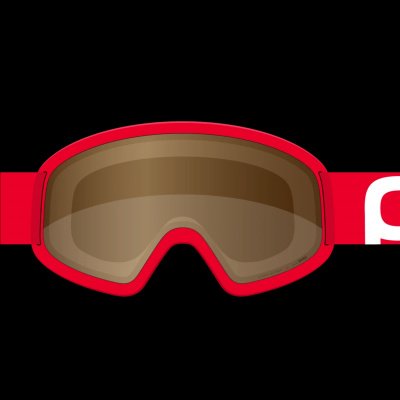
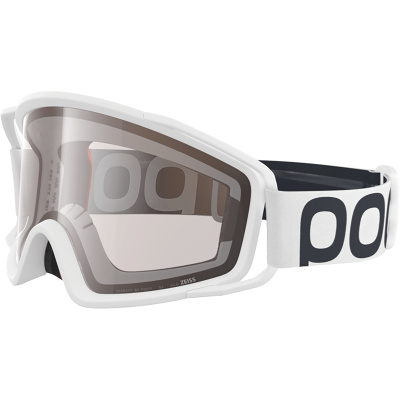
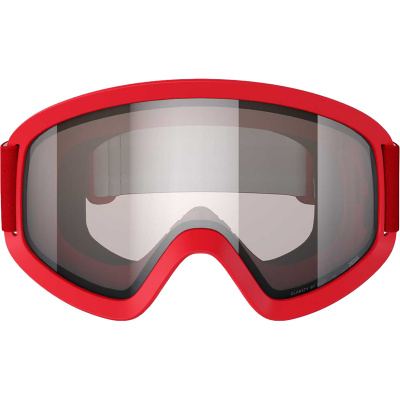
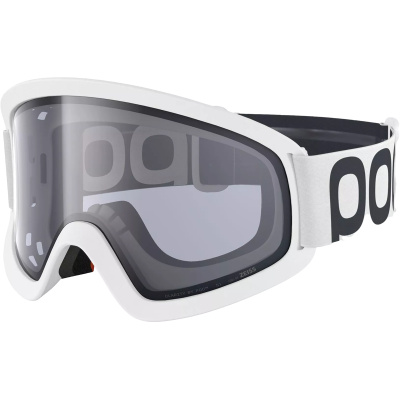
The POC Ora family is where most riders will spend their time. The standard Ora is the airflow-first option - open foam vents let air circulate freely, which keeps the lens clear on climbs and makes it a strong choice for enduro and all-mountain riding where you're generating heat. The POC Ora Clarity steps up the optics, adding the full Zeiss Clarity lens in place of the standard lens. If you're riding in variable UK light - which is most of the time - the Clarity version is worth the extra outlay. The contrast improvement in dappled woodland light is noticeable.
The POC Ora DH takes a different approach: the foam covers the vents almost entirely, blocking the mud spray that a downhill course fires at your face. You sacrifice some airflow, but on a DH bike you're not grinding up climbs anyway. It also offers compatibility with tear-offs and roll-offs for racing, so you can clear a misted or muddy lens mid-run without pulling over. If you're racing at Fort William or Llangollen, that's not a luxury - it's a race tool.
All three use the same flexible Grilamid frame construction. Grilamid is worth understanding: it's a lightweight thermoplastic that stays flexible in cold temperatures rather than going brittle and cracking on a winter crash. It also deforms on impact rather than transmitting force to your face, which matters when you're wearing it under a helmet on a DH course.
Across the board, the triple-layer face foam uses a moisture-wicking inner layer against skin, a medium-density comfort layer, and a firmer outer layer for structure. It's a layered system that handles sweat better than single-density foam and creates a more consistent seal across different face shapes. If you prefer a lighter, frame-free setup for XC or gravel, check out our full range of POC cycling kit - or if it's lens or strap spares you're after, head to our goggle spares section. For a frameless option for mellower riding, our Leatt goggles range is worth a look too.
Helmet Fit, Integration, and Keeping Your Lenses Alive
POC's seamless fit system is the thing that separates wearing POC goggles with a POC helmet from just wearing any goggles with any helmet. The outriggers and strap geometry on POC goggles are designed to align precisely with the brow vents on helmets like the POC Coron full face, the POC Kortal, and the POC Tectal. The result is no skin gap between goggle foam and helmet pad, and ventilation channels that actually line up rather than being half-blocked by a misaligned strap.
That said, POC goggles aren't exclusive to POC helmets. The flexible outriggers and standard 45mm strap work with most modern MTB helmets. You might lose the perfect vent alignment, but the goggle itself will sit securely. If you're running a non-POC lid and the fit feels slightly off, adjusting the outrigger angle is usually the fix - it takes thirty seconds. For full downhill protection, pairing with a POC full face helmet makes obvious sense, and the Coron integration is genuinely tidy.
Lens care is where riders undo expensive optics through impatience. Never wipe a lens that's caked in dried mud on the trail - grit particles will drag across the inner anti-fog coating and score it, and once that's gone, it's gone. The fix is simple: rinse thoroughly with lukewarm water first, let the mud float off, then dab gently with the microfibre goggle bag the goggles come with. Do it properly and the coating lasts. Cut corners and you'll be buying a replacement lens by spring. Rounding out your kit with POC gloves and POC body armour keeps the protection consistent across the whole setup - worth considering if you're building a DH or enduro kit from scratch. For riders comparing options, 100% goggles and Fox goggles both offer solid alternatives at various price points, but neither brings a Zeiss optical partnership to the table.
POC Goggles FAQs
Do POC goggles fit non-POC helmets?
Yes. The flexible outriggers and standard strap design on POC goggles work with most modern MTB helmets. You won't get the perfectly aligned ventilation you'd have with a POC Kortal or Coron, but the fit is secure. If there's any gap, adjusting the outrigger angle usually sorts it.
What is the difference between POC Ora and Ora Clarity?
The standard Ora uses a good-quality base lens, while the Ora Clarity uses a Carl Zeiss Clarity lens that filters specific light wavelengths to boost trail contrast. In flat or dappled UK woodland light, the difference is real - roots and ruts stand out more clearly. If you ride year-round, the Clarity version earns its keep.
How do I clean my POC goggle lenses without scratching them?
Don't wipe a dry, muddy lens - ever. The grit will scratch the inner anti-fog coating and there's no recovering it. Rinse with lukewarm water first to float the debris off, then gently dab dry with the microfibre bag that comes with the goggles. That's all it takes.