
Pitlock Locks
Pitlock bike locks take a different approach to anti-theft security - one that starts before a thief even touches your bike. Where most locks rely solely on brute-force resistance, Pitlock pairs high-grade stainless steel hardware with a coded key system that produces over 1,000 unique milled key variations. The result is a lock that's genuinely difficult to pick, copy, or defeat with whatever's lurking in a thief's bag of tricks.
That matters in the UK right now. Urban bike theft in cities like London and Bristol is relentless, and opportunistic component stripping - someone nicking your saddle or wheels while your frame stays chained up - is just as frustrating. Pitlock's ecosystem addresses both. Their U-locks handle primary frame security, while the same coded key can operate supplementary cables and component-level locking hardware across your whole bike. One key, one system, one less thing to think about when you're locking up outside the café.
Compare UK prices on Pitlock's range below, and read on to understand which products suit your setup, how to keep the lock cylinder in good working order through British winters, and what to do if you ever lose your key.
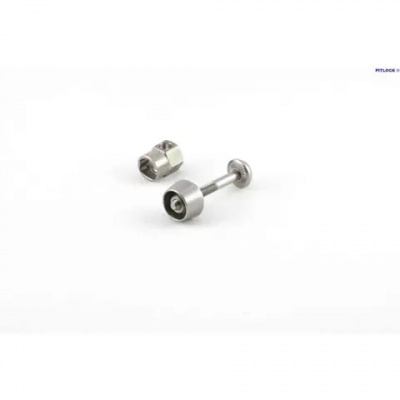
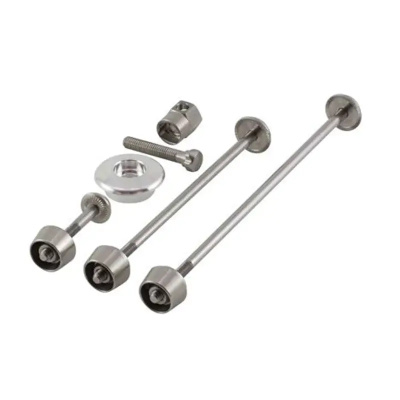
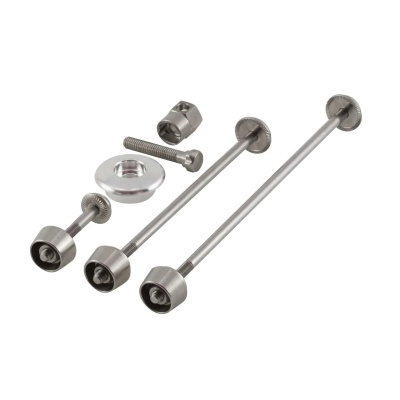
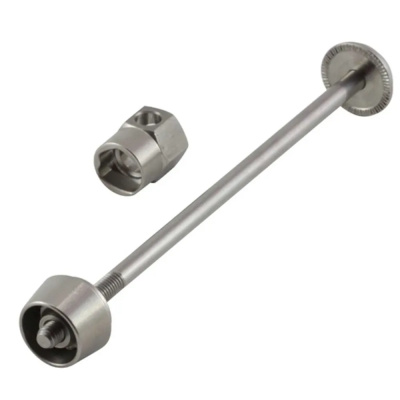
Prices and availability can change quickly. Delivery charges are not always included in listed prices.
Final price, stock status and delivery terms are set by retailer. We may receive a commission on purchases made.
How the Pitlock Ecosystem Fits Together
The cleverest thing about Pitlock's security system is the unified key approach. A single coded key - unique to your specific lock - can operate their U-locks, security cables, and component locking hardware. You're not juggling three different keys for three different locks; everything works from one precisely milled piece of metal. That simplicity is genuinely useful when you're rushing to lock up in the rain.
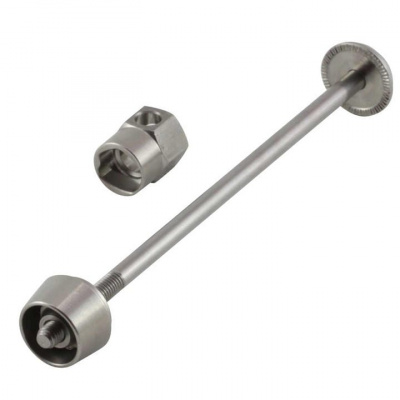
The coded nut and lock cylinder design means that even if someone identifies the brand, they can't walk into a hardware shop and find anything that'll turn it. The key's profile is CNC machined to a tolerance that standard tools - pliers, screwdrivers, improvised picks - simply can't replicate. That's not marketing language; it's a direct consequence of how tightly the key-to-cylinder interface is engineered.
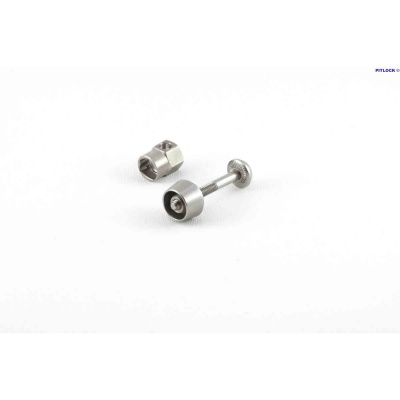
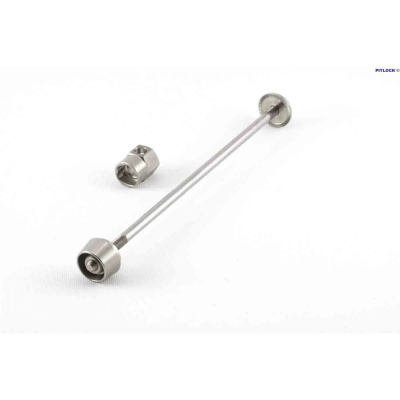
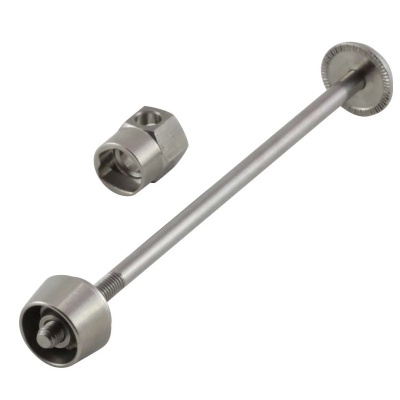
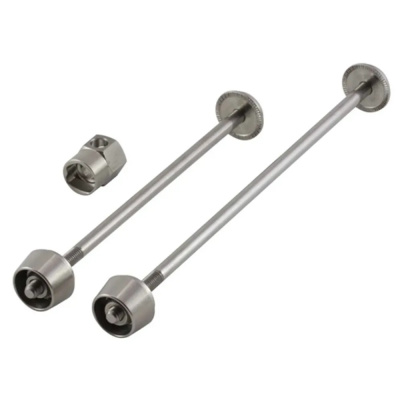
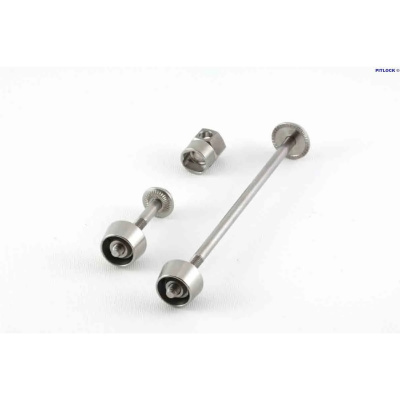
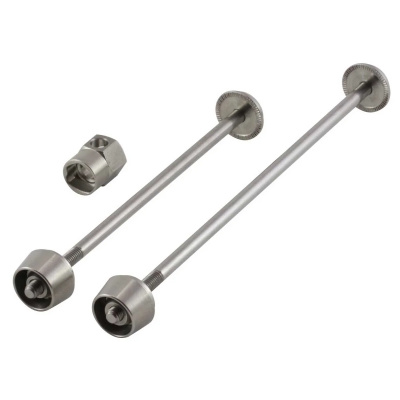
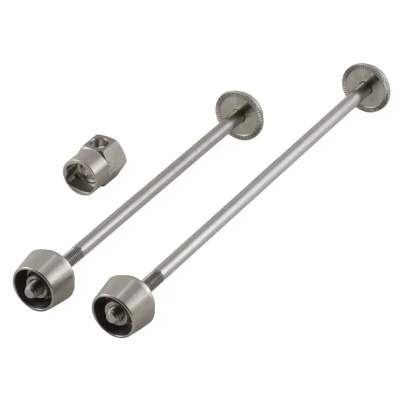
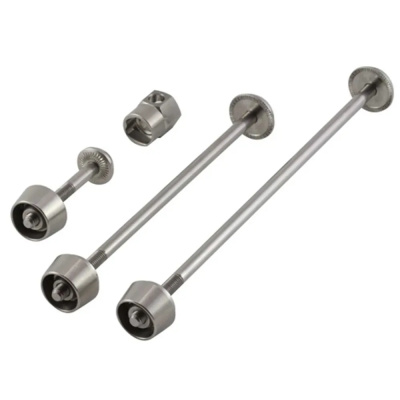
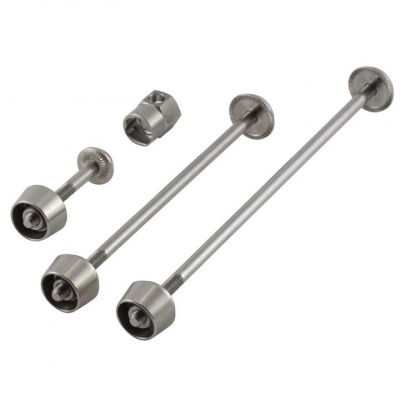
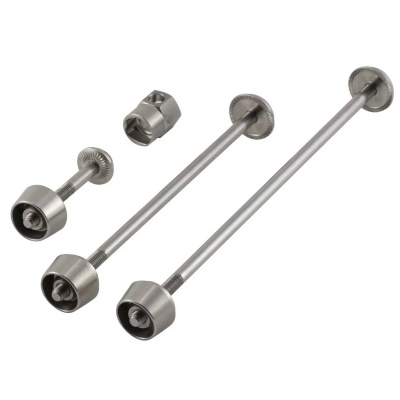
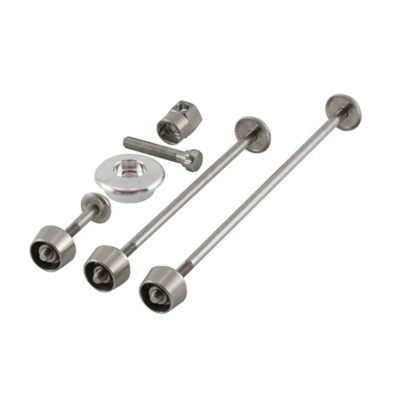
Looking to secure your wheels or saddle too? Pitlock's coded system extends to specific bike components - check out our dedicated guides to Pitlock Skewers to complete your security setup. Keeping the whole bike locked down with one key code is where the system really earns its place.
U-Locks vs. Cables: Choosing the Right Pitlock Hardware
Pitlock's U-locks are their heaviest hitters. Designed for high-risk urban environments - think city centre bike parking, commuter rail stations, anywhere a thief has time and anonymity - the U-lock's rigid shackle resists leverage attacks that would defeat a cable in seconds. If you're leaving your bike unattended for more than a few minutes in a busy area, a U-lock is the right starting point. Full stop.
Cables serve a different purpose. They're not primary security on their own, and Pitlock doesn't pretend otherwise. Used alongside a U-lock, a security cable lets you loop through a wheel or secure a second bike to the same anchor point. The value isn't in the cable's resistance alone - it's in the fact that the same coded key operates it. Compared to running a separate combination cable or a keyed lock from a brand like Abus or Kryptonite, the Pitlock approach keeps your key ring clean and your system consistent.
Worth being honest about the trade-offs, though. Pitlock's proprietary system means you're committed to their ecosystem once you're in it. Losing your code card (more on that below) creates a real headache. And if you want Sold Secure Gold-rated protection for a high-value bike in a London borough, you might want to pair Pitlock's component security with a heavy-duty primary lock from Hiplok for the frame. The two approaches complement each other rather than compete.
If you're weighing up alternatives at a similar price point, Pinhead locks use a comparable component-locking philosophy and are worth a look alongside Pitlock's range.
Keeping Your Lock Cylinder Sharp Through British Winters
Pitlock's CNC machined stainless steel construction handles corrosion well - better than most budget locks left out through a Welsh winter or a salty Bristol commute. But stainless steel doesn't make the lock cylinder immune to grime, and the intricate coded pins inside are precisely the kind of mechanism that suffers when you ignore maintenance.
Wet, salty road spray works its way into any exposed cylinder over time. If the pins start to bind, the key becomes stiff or - worst case - won't turn at all. The fix is straightforward: flush the cylinder with a PTFE-based lock spray or graphite powder every few months, particularly heading into autumn when the salt and wet really kicks in. A quick blast into the keyhole, work the key back and forth a few times, and you're done. Takes about a minute.
One thing to avoid: standard WD-40 or heavy grease. WD-40 displaces moisture short-term but leaves a residue that attracts grit, and thick grease gums up the coded pin stack inside the cylinder. Dedicated lock lubricants exist for a reason - use them. If the cylinder has already started seizing, a penetrating lock de-icer applied before the PTFE spray can free things up without damaging the mechanism.
The stainless steel shackle on the U-lock needs less attention, but a wipe-down after particularly mucky rides keeps the surface clean and makes it easier to spot any signs of tampering - deep scratches or tool marks around the lock cylinder are worth knowing about sooner rather than later.
Pitlock Locks FAQs
How does the Pitlock key system work?
Pitlock uses a coded nut and lock cylinder system with over 1,000 unique milled key variations. Each key's profile is precisely machined so it only engages with the matching lock - standard tools like pliers or screwdrivers can't turn it. That tight tolerance is what makes the system genuinely resistant to improvised attacks rather than just resistant on paper.
Can I get a replacement Pitlock key if I lose mine?
Yes, but only if you still have your original Pitlock Code Card. That card holds the unique code tied to your key variation, and you'll need it to order duplicates directly from Pitlock. Keep the card somewhere safe - a drawer at home, not your saddle bag - because without it, there's no way to reproduce your specific key.
How do I maintain my Pitlock lock cylinder?
Every few months, flush the cylinder with a PTFE-based lock spray or graphite powder - particularly before winter. Work the key in and out a few times after applying it. Avoid WD-40 and heavy greases; both attract grit and can jam the coded pin mechanism over time. A minute's maintenance now saves a seized lock in January.