
Pinnacle Mountain Bikes
Pinnacle mountain bikes are designed squarely around the realities of British riding - not some idealised Californian trail on a sunny afternoon, but rooty Surrey Hills singletrack in October and the kind of Welsh mud that swallows your bottom bracket by November. The brand sits under the Evans Cycles umbrella, developed by a UK-based design team that clearly rides the same trails you do.
The range is built on 6061-T6 aluminium hardtail frames with geometry that was running long, low, and slack before most of the industry caught up. Shimano drivetrains handle the mechanical duties, hydraulic disc brakes keep you honest on the descents, and threaded bottom brackets mean your local mechanic won't groan when you roll in after a drenching. Practical decisions, every one of them.
There are three main families to know: the Kapur for riders getting into singletrack, the Iroko for those wanting a more aggressive hardcore hardtail, and the Ramin for 29er cross-country duty. Each one trades spec-sheet showmanship for things that actually hold up mid-ride. Compare UK prices across the full Pinnacle range below and find the right hardtail for where you ride.
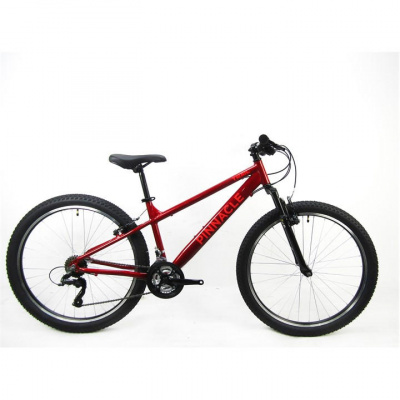
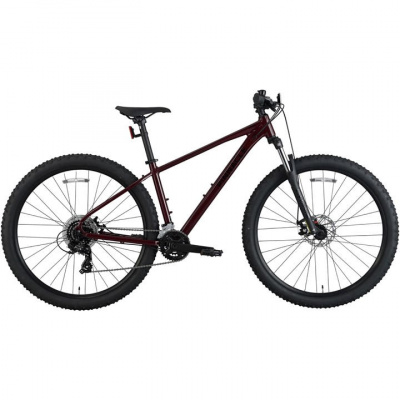
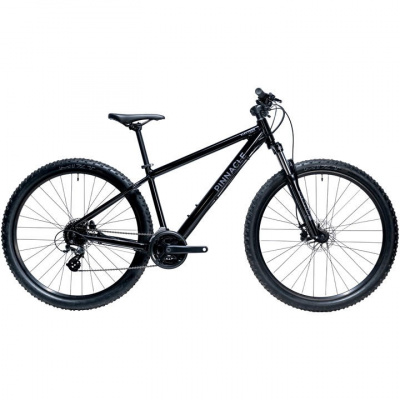
Prices and availability can change quickly. Delivery charges are not always included in listed prices.
Final price, stock status and delivery terms are set by retailer. We may receive a commission on purchases made.
Decoding the Pinnacle Mountain Bike Lineup
Three core models carry the range, and each one targets a distinct type of rider. The Kapur is where most people start. It runs 27.5 inch wheels, a geometry that encourages confidence without demanding technical commitment, and component packages that won't embarrass you on a proper trail. Think local trail centres, bridleway loops, and the kind of singletrack you're still learning. It's an accessible bike, not a compromised one.
Move up to the Iroko and the character shifts noticeably. Slacker head angles, longer suspension travel, and a frame built for riders who want to push steeper lines and rougher ground. This is the one that earns the hardcore hardtail label - it wants to be ridden aggressively, and the trail geometry reflects that. If you're chasing descents on the Peak District's rockier edges or point-to-pointing across rooty North Wales tracks, the Iroko is where to look.
The Ramin covers 29er duties for riders who want that larger wheel's momentum and roll-over capability on cross-country and trail mixes. Better for longer days in the saddle and smoother, faster-rolling ground than the Iroko's natural habitat.
The numbering within each family - Kapur 1, Kapur 2, Kapur 3 - follows a straightforward logic. Higher numbers mean better forks (often RockShox units replacing entry-level alternatives), upgraded drivetrains, and sometimes improved braking. If your budget allows only one step up, it's usually worth it for the fork alone. That's where you feel the difference on the descents. Compared to similarly priced options from Carrera mountain bikes or Calibre mountain bikes, Pinnacle's numbering system is refreshingly transparent about where the money goes.
The Tech Philosophy Behind the Frames
Pinnacle's 6061-T6 heat-treated aluminium frames are built for longevity rather than minimal weight. That heat treatment process tightens the grain structure of the alloy, giving the frame better fatigue resistance - relevant when you're riding the same grit-covered Peak District loops every weekend through winter. It won't feel like carbon, but it won't crack either, and it dents rather than shatters if you misjudge a rock garden.
The threaded bottom bracket is a small detail that matters enormously in practice. Press-fit BBs can creak, require specialist tools to remove, and often need replacing more frequently in wet conditions. A threaded shell is just easier - easier to install, easier to replace, and far less likely to develop that grinding noise after a few months of British mud. Any decent home mechanic with a BB tool can service it on the kitchen floor. Pair that with sensible cable routing that doesn't demand you thread cables through buried ports, and you have a bike that won't punish you for doing your own maintenance. Grab the right Pinnacle tools and most jobs are genuinely straightforward.
The geometry story is worth dwelling on. Long reach, low stack, slack head angle - Pinnacle was pushing this direction when plenty of mainstream brands were still selling 68-degree head tubes as progressive. The result is a bike that tracks confidently on descents without feeling like it needs coaxing around corners. It's a measured approach to trail geometry rather than a marketing claim, and it shows on actual UK singletrack where trail widths and corner radii don't give you much room for error.
Where Pinnacle differs from something like Boardman mountain bikes is in that deliberate mechanic-friendliness. Boardman leans into performance specification; Pinnacle leans into durability and maintainability. Neither approach is wrong - it depends what you value.
Living with a Pinnacle in the UK
Mud clearance on the rear triangle is generous. That matters more than it sounds when you're halfway through a Welsh winter ride and the stays have turned into clay sculptures. The spacing between tyre and frame on Pinnacle hardtails is wide enough to run chunky tyres without constant blockage - practically speaking, you can fit the kind of aggressive rubber that actually grips in conditions where thinner tyres just polish the roots.
Sizing deserves a honest conversation. Pinnacle frames run with a longer reach than some rivals, which suits taller riders or those who prefer a stretched-out, stable position at speed. If you're between sizes - say, right on the boundary between a medium and a large - consider what you're riding. Mostly technical, tight singletrack with lots of direction changes? Size down for responsiveness. Mostly fast, open descents and longer cross-country loops? Your usual size or even up will give you that planted feel on the faster stuff.
Tyres are often the first thing worth swapping on entry-level Pinnacles. The stock rubber is fine for getting started, but a tyre upgrade - particularly on the front - will transform wet-weather grip. Budget that in when you're comparing across the range. Round out your setup with Pinnacle MTB and gravel shoes and a decent Pinnacle helmet; both are engineered with the same no-nonsense logic as the bikes.
If you're currently on a hybrid and considering the move to singletrack, the Pinnacle hybrid range shows the same design sensibility - and understanding where that starts helps you appreciate what the MTBs add. The jump isn't enormous in terms of brand confidence; what changes is the geometry and rubber.
Pinnacle Mountain Bikes FAQs
Are Pinnacle mountain bikes any good?
Yes, genuinely. Pinnacle hardtails are well-regarded for delivering UK-specific geometry, durable 6061-T6 aluminium frames, and sensible Shimano-based component choices at prices that don't require a lengthy justification. The mechanic-friendly design - threaded bottom brackets, clean cable routing - is a real-world bonus that most riders notice after their first mid-winter service.
Who makes Pinnacle bikes?
Pinnacle is Evans Cycles' own in-house brand, designed by a UK-based team. The focus has always been on bikes that suit British riding conditions and British budgets - which is why the geometry, mud clearance, and maintenance practicality all reflect what actually matters on home trails rather than imported assumptions.
What is the difference between the Pinnacle Kapur and Iroko?
The Kapur is the accessible trail hardtail - confidence-inspiring geometry, 27.5 inch wheels, and a spec aimed at riders building singletrack skills. The Iroko is a step into more aggressive territory: slacker head angle, longer suspension travel, and a frame that wants to be pointed downhill on rougher, steeper ground. Same brand ethos, notably different character on the trail.