
Pinnacle Kids Bikes
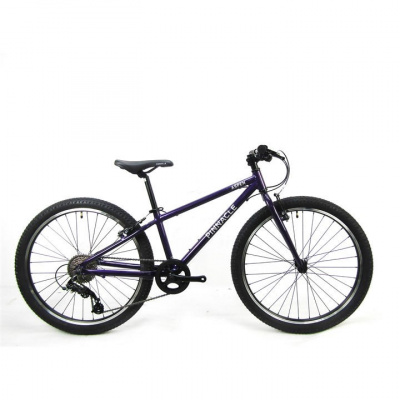
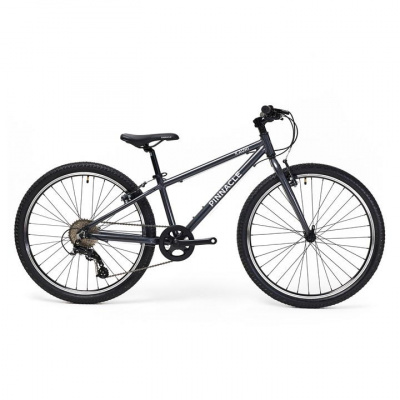
Pinnacle kids bikes are built around one idea that actually matters: a lighter bike makes a faster-learning, more confident child. Rather than loading smaller frames with chunky suspension forks that add weight without any real benefit at this scale, Pinnacle strips things back to what works. Lightweight double-butted 6061 aluminium frames keep the overall weight low enough that your child can actually pick the bike up, manoeuvre it, and feel in control rather than wrestled to a standstill.
The design goes deeper than just the frame material. Child-specific geometry means a low bottom bracket for genuine stability, not an afterthought. Proportional cranks and a scaled-down Q-factor - that's the distance between the pedals - mean kids pedal with a natural stance rather than the wide, inefficient splay you see on cheaper bikes. Short-reach Tektro brake levers are sized so small hands can actually reach and squeeze them properly. That last point matters more than any colour option.
The range runs from first pedal bikes up to geared models that'll carry a confident young rider well into secondary school. Whether it's the school run on a damp Tuesday or a fire road loop at the weekend, Pinnacle children's bikes are among the more thoughtfully specified options at this end of the market.
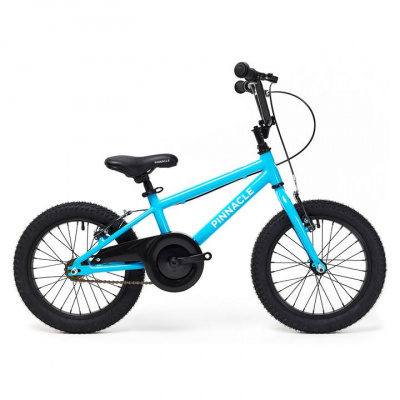
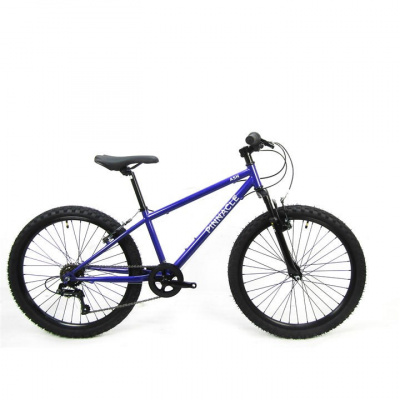
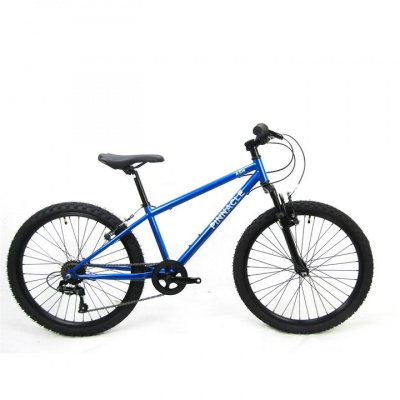
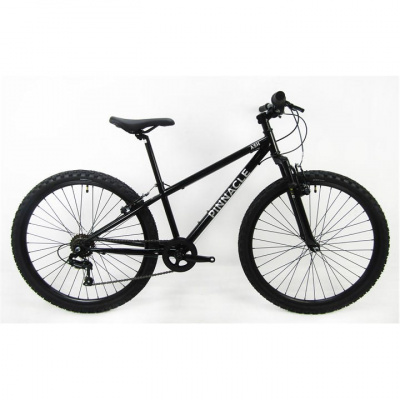
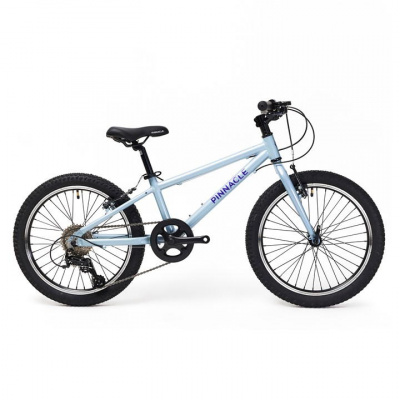
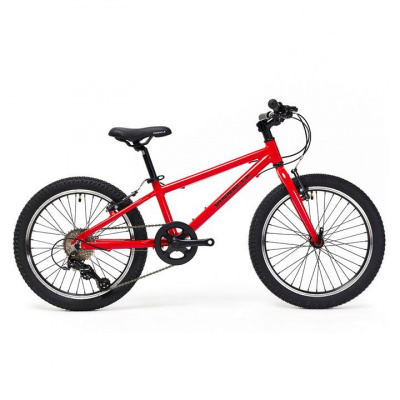
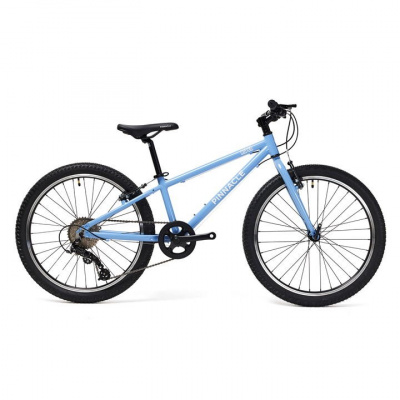
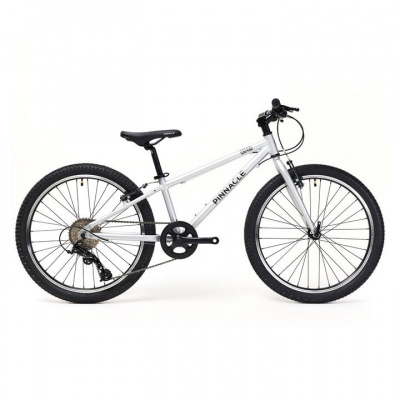
Prices and availability can change quickly. Delivery charges are not always included in listed prices.
Final price, stock status and delivery terms are set by retailer. We may receive a commission on purchases made.
Mapping Out the Pinnacle Range by Wheel Size
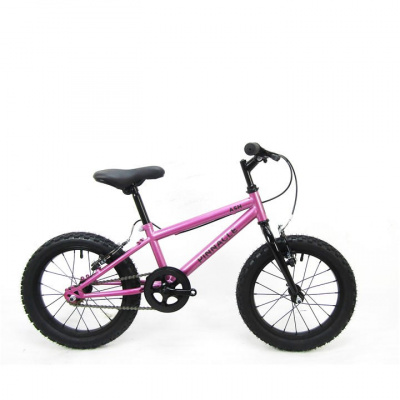
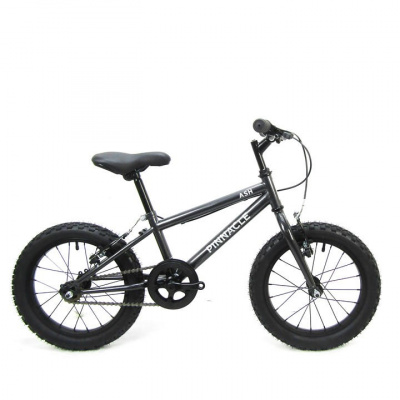
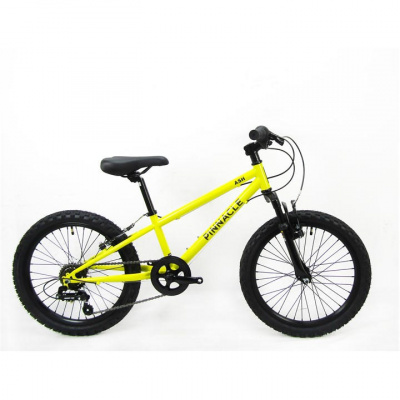
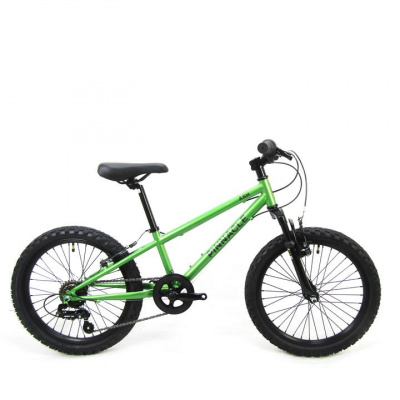
Pinnacle pedal bikes are organised by wheel size, and that structure is worth understanding before you start clicking. The smallest pedal models - typically 14-inch wheel bikes like the Pinnacle Koa - are single-speed, which is exactly right for riders who are still working out how to balance and steer without worrying about gear changes. From there, the Pinnacle Ash steps up with larger wheels and introduces gearing as coordination improves, while the Pinnacle Aspen sits in the mid-range, bridging the gap to the more capable Pinnacle Kauri, which runs up to 26-inch wheels and uses Shimano Tourney or Altus groupsets for genuine multi-speed riding. The Pinnacle Kauri versus Ash question comes up regularly - the short answer is that the Ash suits riders still finding their rhythm, while the Kauri is for kids ready to tackle longer distances and varied gradients with proper gear range. If you're weighing up Pinnacle children's bikes against the competition, Frog Kids Bikes occupy a similar lightweight philosophy but tend to sit at a higher price point, while Carrera Kids Bikes offer a more budget-focused alternative with heavier builds.
Looking for the very first step in your child's cycling journey? Head over to our dedicated Pinnacle Balance Bikes page, or if you need training wheels for early pedal models, check out our Pinnacle Stabilisers selection.
What Pinnacle Actually Does Differently Under the Paint
The frame material is the starting point. Double-butted 6061 aluminium means the tube walls are thicker where stress concentrates - around the joints - and thinner in the middle where they don't need to be heavy. The result is a frame that's stiffer where it counts and lighter overall. For a child producing limited power, a bike that's genuinely light is transformative. It's the difference between a kid who wants to ride and one who finds excuses not to.
The Q-factor point deserves more attention than it usually gets. Children have narrower hips than adults, so a wide pedal stance forces them into an inefficient, slightly awkward pedalling motion. Pinnacle's scaled-down Q-factor keeps the pedals closer together, matching a child's actual anatomy. You won't see this called out on a spec sheet in a high-street catalogue, but you'll notice the difference in how naturally your child moves on the bike. Pair that with proportional cranks - shorter arms matched to shorter legs - and the pedalling action actually works with the rider rather than against them.
The short-reach Tektro brake levers are the other detail that separates a properly designed kids bike from a scaled-down adult one. On cheaper bikes, children can't fully compress the lever without either overreaching or losing their grip on the bar. Pinnacle's levers are built for small hands from the start, so stopping is reliable and doesn't require an awkward grip. On a wet descent or a towpath with a jogger appearing round the corner, that matters.
If you're pairing a new bike with the right kit, it's worth looking at Pinnacle helmets to keep the fit consistent with the brand's sizing approach.
Owning a Pinnacle in the UK - the Practical Bit
Pinnacle kids bike sizing runs by wheel diameter, not age, and that's how you should approach it too. Age guides exist but they're approximate at best - a tall seven-year-old and a small nine-year-old might need the same wheel size. Measure your child's inside leg while they're standing in bare feet, then cross-reference with the standover height of the specific model. A few centimetres of clearance over the top tube means they can get a foot down confidently rather than tipping sideways. Get this right and the bike fits for longer; get it wrong and confidence suffers early.
For UK storage, the alloy frame is genuinely useful rather than just a weight win. Steel frames left in a damp British garage or shed through winter will show surface rust by spring. Aluminium doesn't. The components still need a wipe down and a light lube on the chain - WD-40 is not a lubricant, regardless of what the tin implies - but you're not fighting corrosion on the frame itself. Most Pinnacle models also have enough tyre and fork clearance to fit a set of mudguards, which transforms a school-run bike in October into something you can actually use without the child arriving soaked from the wheel spray.
On the subject of tyres: the Kenda rubber fitted to most models handles light gravel and damp tarmac competently. For a child doing predominantly road miles, a slicker tread swap is an easy upgrade that rolls noticeably faster. Equally, if weekend rides involve forest fire roads or towpaths, the standard fit is perfectly adequate - these aren't cross-country race tyres, but they're far from hopeless in the mud either.
If your child is already eyeing up longer rides and you're thinking about what comes next after they outgrow the Kauri, Pinnacle Mountain Bikes and Pinnacle Hybrid Bikes are the natural progression - and the geometry philosophy carries through. Meanwhile, Cube Kids Bikes are worth a look if you want to compare a European alternative with a broader geared range at the upper end of children's sizing.
Pinnacle Kids Bikes FAQs
Are Pinnacle kids bikes lightweight?
Yes. Pinnacle uses double-butted 6061 aluminium frames across the range, which keeps weight meaningfully lower than most high-street alternatives. That reduced weight makes a real difference to how easily a child can balance, steer, and build confidence on the bike.
What size Pinnacle bike does my child need?
Pinnacle sizes its kids bikes by wheel diameter - from 14-inch up to 26-inch - which corresponds to your child's height and inside leg measurement. Always measure inside leg with bare feet on a flat floor rather than going by age alone; it gives you a far more accurate and safer fit.
Are Pinnacle bikes good for children?
They're among the more thoughtfully designed options in the UK market. Child-specific geometry, a low bottom bracket for stability, scaled-down Q-factor for natural pedalling, and short-reach brake levers for small hands all add up to a bike that actually fits how children move - not just a shrunk adult design.