
Pinarello Gravel Bikes
Pinarello gravel bikes don't ease you into off-road riding - they drag you there at race pace. Where most brands softened their road DNA to build something approachable, Pinarello took the opposite tack, channelling the same engineering obsession behind their Tour de France-winning road machines directly into the gravel category. The result is a range defined by unmistakable Onda forks, asymmetric carbon frames, and aero-optimised tube shapes that look frankly aggressive before you've even rolled out of the car park.
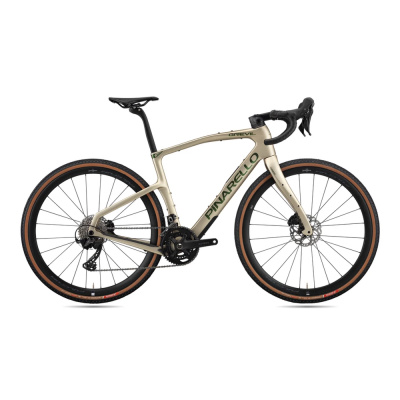
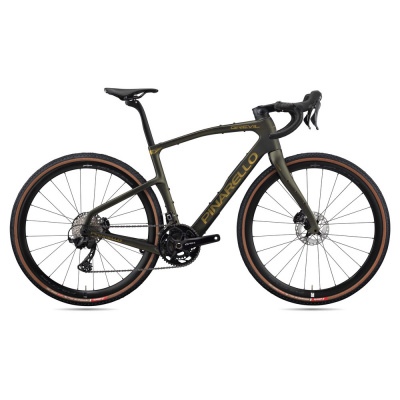
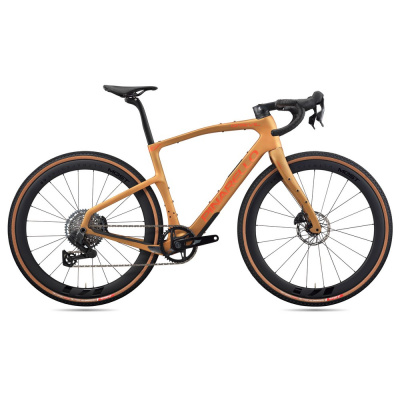
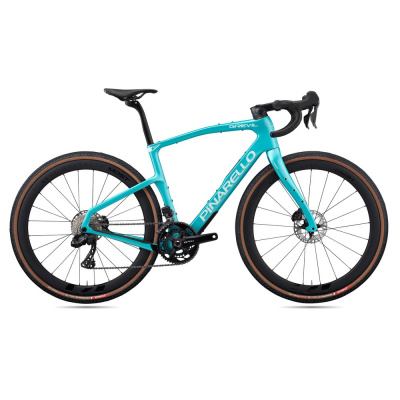
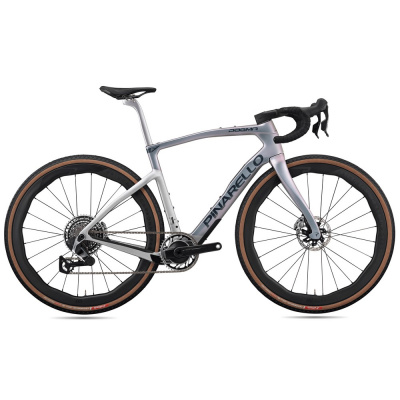
The two bikes you'll spend most time considering are the Grevil F and the Granger. The Grevil F is the sharper tool - Torayca T700 carbon, race geometry, and a frame built around going fast on rough roads and loose flint. The Granger steps back slightly in aggression and uses Torayca T600 carbon to lean into longer days and loaded rides. Both share Pinarello's core tech philosophy: that a gravel bike should be precise, stiff where it counts, and aero enough to matter when the track flattens out. If you want a bike that treats gravel racing as a serious discipline rather than a road bike's weekend hobby, you're in the right place.
Prices and availability can change quickly. Delivery charges are not always included in listed prices.
Final price, stock status and delivery terms are set by retailer. We may receive a commission on purchases made.
Decoding the Pinarello Gravel Lineup
Two bikes sit at the heart of the acoustic Pinarello gravel range, and they suit quite different riders. The Grevil F is the one to look at if gravel racing is your focus - it's built around Torayca T700 carbon with a layup tuned for stiffness and aero efficiency. Geometry is aggressive: a long top tube, short head tube, and a riding position that puts you over the front wheel and into the wind. This is the bike that makes sense if you're lining up for events like the Rebellion or pushing hard on the South Downs Way bridleways where every watt matters.
The Granger occupies different ground. It uses Torayca T600 carbon - still quality material, but with a layup that prioritises compliance over outright stiffness. The geometry is more forgiving, with a slightly taller front end and a frame that's happier carrying a frame bag on a two-day Scottish route than hammering out a race finish. Think of it as the bike for riders who want Pinarello's build quality without committing to a race position for six hours at a stretch.
Both families share the same core design language and tech, which we'll get into below. Looking for a pedal-assist boost or building from scratch? Check out our Pinarello E-Bikes (Nytro) or Pinarello Frames collections for those routes into the range.
Why Pinarello Frames Look the Way They Do
Spend ten minutes next to a Pinarello in a showroom and a few things jump out immediately. The fork curves. The frame looks asymmetric. The cable routing has vanished entirely. None of that is aesthetic posturing - each element solves a specific problem.
Start with the asymmetric frame design. Your drivetrain pulls constantly on the right side of the bike: the chain tension, the sprocket load, the torque through the bottom bracket shell. On a symmetric frame, that force introduces a subtle lateral flex that bleeds power. Pinarello's asymmetric construction counters this by building the right and left sides of the frame to different stiffness profiles, so the frame stays neutral under load. You feel it as directness - the bike goes where you point it without the slight wobble that can creep into harder efforts on lesser frames.
The Onda fork is the most visually distinctive element and one of the most functional. That wave shape isn't styling - it's a controlled flex zone that absorbs high-frequency chatter from gravel surfaces before it reaches your hands. Flint tracks, broken tarmac, cattle grids: the Onda takes the edge off without introducing vagueness into the steering. It's a narrow trade-off to manage, and Pinarello have been refining it across their road range for long enough to get it right.
The Twin Arms rear triangle refers to Pinarello's dropped, asymmetric chainstay design. The stays are shaped and positioned to maximise lateral stiffness around the drivetrain side while allowing a degree of vertical compliance on the non-drive side. When you sprint out of the saddle on a loose climb, that's where you notice it - the rear end doesn't flex away from you.
TiCR (Total Internal Cable Routing) runs every cable and hose through the frame internally. It's cleaner aerodynamically, and it keeps your gear and brake lines away from grit, road spray, and the kind of chalk mud you'll pick up on a Wiltshire winter loop. The trade-off is servicing time - specifically around the headset bearings, where the routed cables mean you'll want either patience or a mechanic who knows the system. It's not complicated, but it does reward preparation.
If you're comparing Pinarello's approach to peers in the carbon gravel space, Cervélo gravel bikes and Colnago gravel bikes both take aero seriously, though neither leans as hard into asymmetric construction as Pinarello does. Basso gravel bikes offer a more Italian endurance alternative if the Granger's positioning feels like it's still asking too much.
Running a Pinarello on UK Gravel Year-Round
The Grevil F's 700c x 50mm tyre clearance (it also runs 650b x 2.1-inch wheels if you want to go wider and lower) is genuinely useful on the kinds of tracks UK riders deal with most. Aggressive flint on the South Downs, broken limestone, and hard-packed chalk all sit well within that clearance window - run a tubeless setup at lower pressures and the combination of high volume and Onda damping makes for a surprisingly comfortable fast bike.
Winter is where you need to think a bit harder. Sticky chalk-clay, the kind that builds up in seconds on the Chilterns in November, can pack around the aero-sculpted bottom bracket area and the tighter clearances near the rear triangle. The clearance is there in number, but the tube shapes don't shed mud the way a more traditionally round frame does. A quick pre-ride check of clearances and a set of Pinarello mudguards where mounting points allow will save you some grief on messier days.
The TiCR routing keeps your cables cleaner than any external setup will - that's a genuine long-ride benefit in gritty UK conditions. Cable wear and contamination are real maintenance costs on any gravel bike used through winter, and having everything tucked away does extend service intervals meaningfully. Just factor in that a full cable change takes longer than on a traditional setup, and book your mechanic accordingly rather than leaving it for the morning before a ride.
Finishing the build thoughtfully makes a difference too. A well-chosen Pinarello handlebar keeps the integrated aesthetic intact, and if you're thinking about comfort on longer days, a Pinarello seatpost with a touch of setback works well with the Granger's geometry in particular. The Grevil F's stiffness suits riders who've already dialled in their position - if you're still experimenting with fit, the Granger gives you more room to move.
For anyone coming from Pinarello road bikes, the transition to the gravel range will feel familiar in all the right ways - same precision, same build standards, just pointed at rougher roads.
Pinarello Gravel Bikes FAQs
Is the Pinarello Grevil a good gravel bike?
For gravel racing and fast-paced riding, yes - it's one of the more serious options in the category. Aero-optimised tube shapes, an asymmetric frame that maximises power transfer, and Pinarello's Onda fork combine to make it genuinely quick. It's less suited to relaxed long-distance riding where a more compliant frame would serve you better.
What is the maximum tyre clearance on a Pinarello Grevil F?
The Grevil F takes up to 700c x 50mm tyres, or 650b x 2.1-inch if you swap wheel sizes. That's plenty for most UK bridleways and aggressive flint tracks. Run tubeless and you can drop pressures enough to get real comfort benefit from the extra volume.
What is the difference between the Pinarello Grevil and Granger?
The Grevil F is built for racing - Torayca T700 carbon, aggressive geometry, maximum stiffness. The Granger uses Torayca T600 carbon with a more relaxed position, making it better suited to long days and bikepacking. Both use the same core Pinarello tech, but they're aimed at meaningfully different types of rider.