
Pembree Pedals
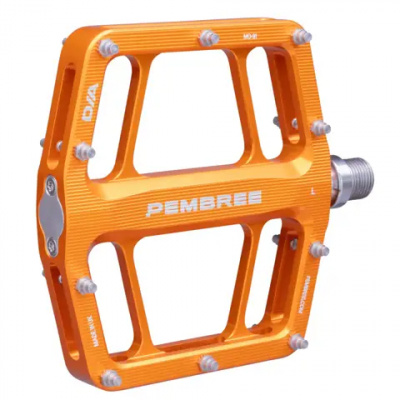
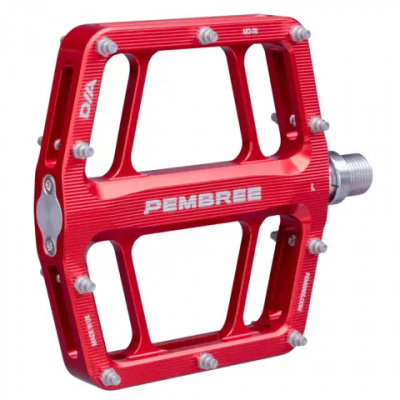
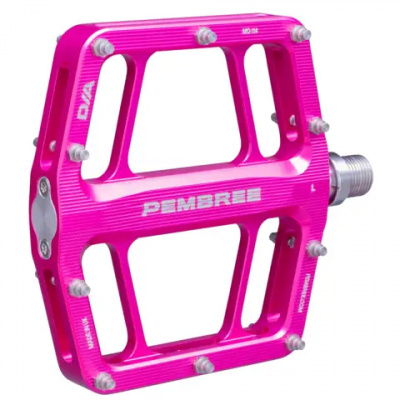
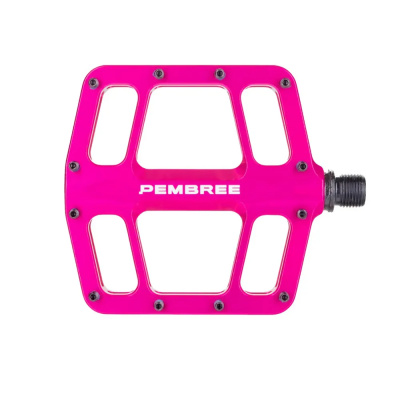
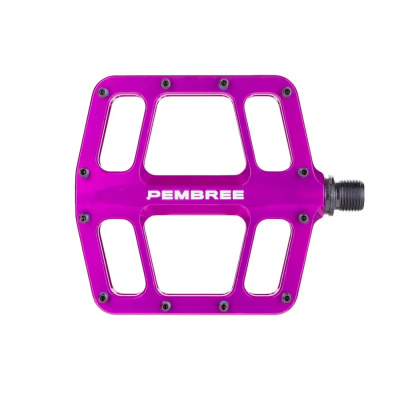
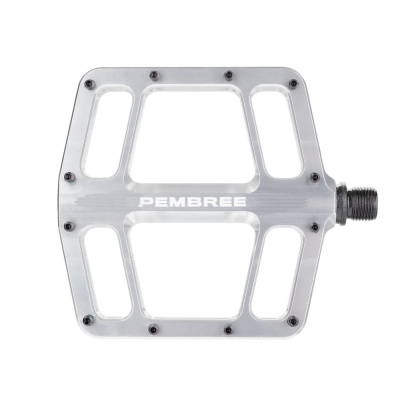
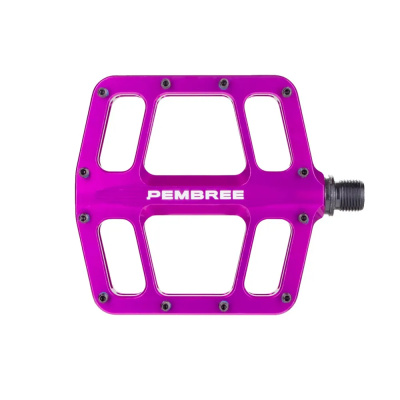
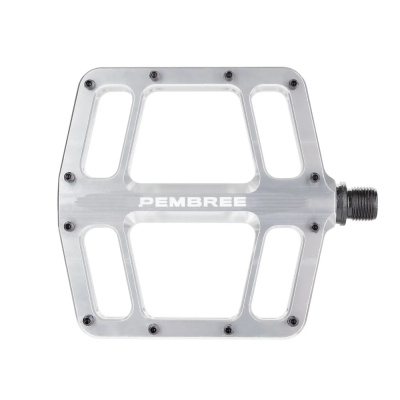
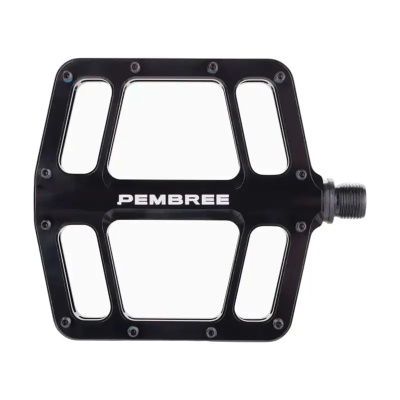
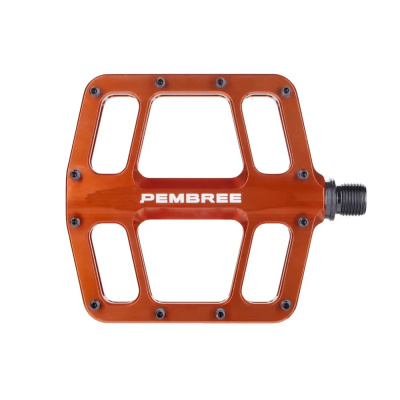
Pembree pedals are among the few genuinely UK-made flat pedals you can buy right now, and they come with a carbon-neutral manufacturing process to boot. CNC machined from aerospace-grade aluminium, they're built to handle the kind of punishment that winters in the Peak District or the Scottish Borders dish out - grit, mud, and wet roots included. A dual-bearing system combining premium SKF sealed bearings and IGUS plain bearings keeps the spindle spinning smoothly long after cheaper pedals have turned to grinding paste. Replaceable stainless steel traction pins with specific chamfering give your shoes something to actually bite into, not just rest on. And when things do eventually wear, every part is serviceable - no binning the whole axle assembly because one bearing gave up. Whether you're hunting the best Pembree flat pedals for an enduro build or sizing up the range for the first time, knowing the model differences matters. The R1V, D2A, and NDA each target a different discipline, and picking the wrong one affects more than just weight. Compare prices across the range below.
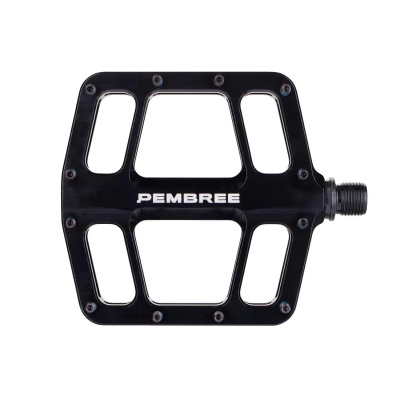
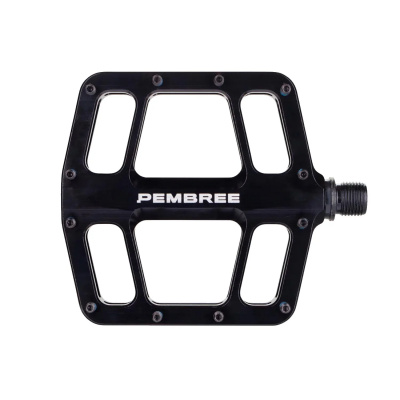
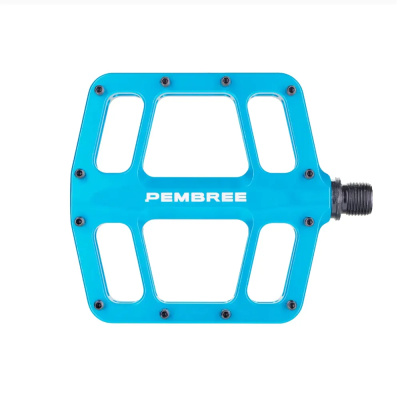
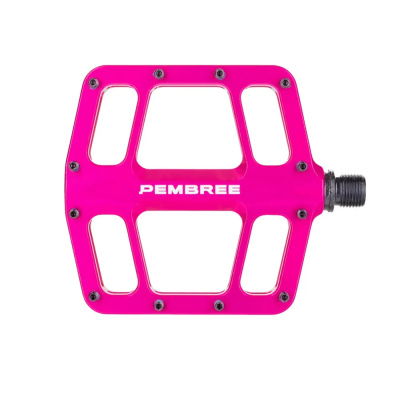
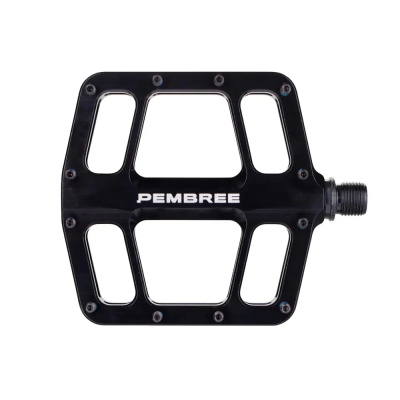
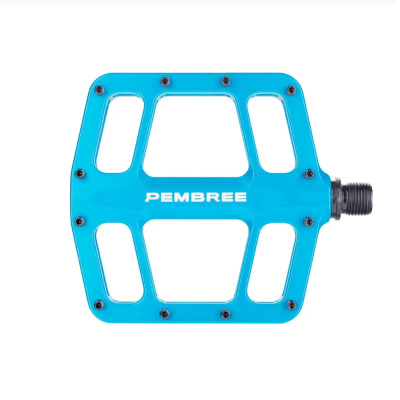
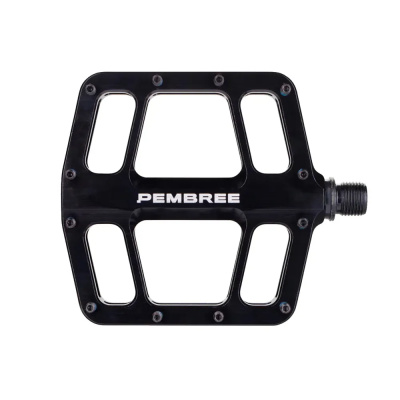
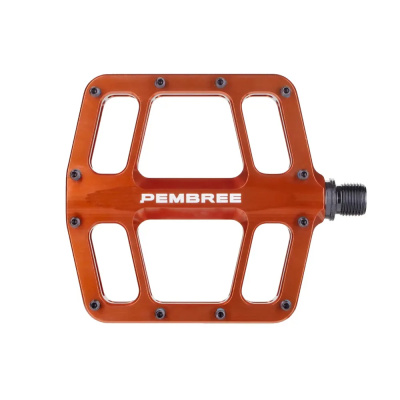
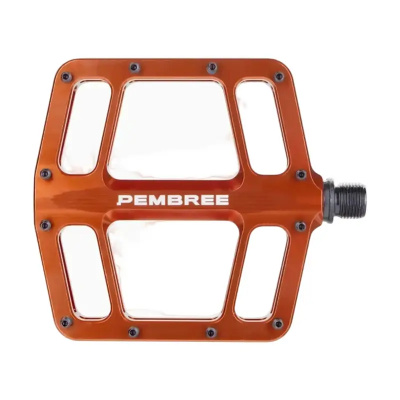
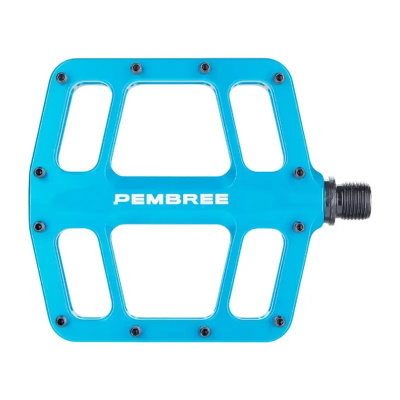
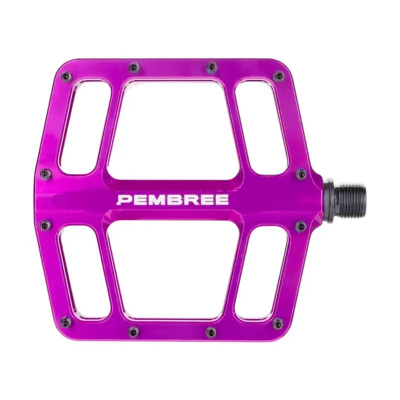
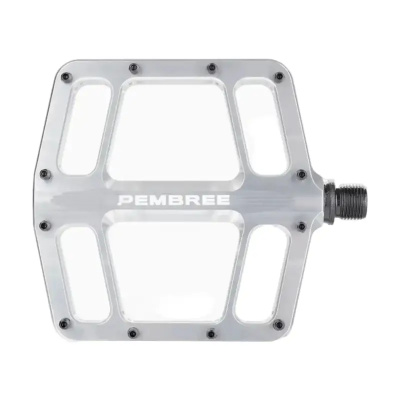
Prices and availability can change quickly. Delivery charges are not always included in listed prices.
Final price, stock status and delivery terms are set by retailer. We may receive a commission on purchases made.
Fitting Pembree Pedals to Your Cranks
Every Pembree pedal runs a standard 9/16 inch thread, so they'll fit virtually any modern mountain bike crank - threaded aluminium, carbon, or otherwise. If you're coming from a kids' bike or an older BMX crank with a half-inch spindle, that's the only common exception worth noting. For the rest of us, it's a straight swap.
One thing worth checking before you torque them up: crank boots. Thick rubber boots - the kind people fit to protect carbon cranks - can prevent the pedal spindle flange from seating completely flush against the crank face. That gap matters. Under load, a flange that isn't fully home can work loose or creak relentlessly. Trim the boot back so the alloy sits clean against the crank arm, and the problem disappears. Apply a thin film of anti-seize to the threads before fitting; it makes future removal far less agricultural, particularly after a muddy winter.
Stance width is worth a brief mention too. Pembree's spindle dimensions are designed to keep your Q-factor - the distance between your feet - consistent with standard crank arm geometry. You won't find yourself with a wider-than-expected stance forcing your knees outward on long climbs, which is a real consideration if you're switching from pedals with an extended axle design.
R1V vs D2A vs NDA: Which Pembree Suits You
Pembree keep the range logical, which is more than can be said for some brands. Three models, three clear jobs.
The Pembree R1V is the big one - physically and in terms of intended use. It carries a larger platform and a thicker body profile, built to absorb repeated impacts without flexing or cracking. That makes it the natural pick for freeride, park laps, or e-bike use where the pedal takes a hammering on every drop or root strike. If you're riding a heavier bike with bigger shoes, the R1V's platform size gives your foot proper support across the whole sole. It's not a lightweight trail pedal, nor does it try to be.
The Pembree D2A is where most trail and enduro riders will land. It's slimmer, lighter, and sits closer to the ground, which translates to better ground clearance on rocky lines and a lower centre of gravity underfoot. The reduced mass is noticeable over a long day in the saddle. If you're comparing it to something like Burgtec flat pedals in the mid-weight trail category, the D2A competes directly on platform feel and bearing quality. Riders with smaller feet - roughly up to size nine - tend to find the D2A's platform proportions work well. Bigger feet might prefer the R1V's extra real estate.
The Pembree NDA is built specifically for dirt jump and slopestyle riding. Concave profile, compact body, designed for the precise foot placement that technical park riding demands. It's not a trail pedal pressed into park duty - it's engineered from the ground up for that discipline. If you're mainly riding a DJ or slopestyle bike, the NDA is the one to look at rather than retrofitting an enduro platform.
For broader comparison across UK-made and premium flat pedal options, Hope pedals and DMR pedals are the other names regularly stacked up against Pembree at this level. The differences come down to platform geometry, pin arrangement, and bearing philosophy - all areas where Pembree's dual-bearing setup gives them a specific story to tell.
Keeping Pembree Pedals Running Through a UK Winter
Standard unsealed pedal bearings in British winter conditions don't last. The gritty slurry that builds up on Peak District trails acts like lapping compound on bearing races - you can feel the roughness developing within a few months of hard riding. Pembree's answer is a dual-bearing arrangement: SKF sealed bearings handle the primary load at the outer end of the spindle, while IGUS plain bearings - a self-lubricating polymer bushing - manage the inner position. The combination is specifically chosen to resist contamination. SKF's sealed units keep grit out; the IGUS bushing tolerates small amounts of ingress without seizing.
In practice, this means longer service intervals than you'd get from most budget or mid-range pedals. But Pembree pedals are also 100% rebuildable, which is the more important point for long-term ownership. When bearings do eventually wear - and they will - you're not throwing away the whole pedal body. A Pembree rebuild kit gives you fresh SKF bearings, IGUS bushings, and replacement stainless steel traction pins in one go. Keep a kit in the workshop and you can overhaul them on a wet Sunday afternoon with standard tools.
On the pin side: the stainless steel traction pins are replaceable individually, and the specific chamfering on each pin tip is designed to dig into rubber shoe soles rather than just sit under them. On off-camber wet roots - the kind you get regularly on Welsh trail centre red runs - that engagement difference between a sharp, properly chamfered pin and a worn-flat one is immediately obvious. Replace pins before they round off completely rather than waiting until grip disappears entirely. If you're building out the contact points further, Pembree also make stems and handlebars to match - useful if you want consistent spec across the cockpit.
One practical note on rebuilds: grease the spindle body itself, not just the bearing seats, before reassembly. It stops the IGUS bushing from running dry during the initial break-in period and prevents the creaking that catches people out after their first service. Anti-seize on the threads, grease on the spindle. Takes thirty seconds and saves a lot of frustration.
The carbon-neutral manufacturing credential - all production is UK-based - is also worth flagging for riders who factor sustainability into buying decisions. It's not a marketing badge grafted onto an otherwise standard product; it's built into how Pembree operate as a company.
Pembree Pedals FAQs
Are Pembree pedals fully rebuildable?
Yes, every Pembree pedal is designed to be fully serviceable over the long term. Using a Pembree rebuild kit and standard workshop tools, you can replace the SKF sealed bearings, IGUS plain bearings, and stainless steel traction pins individually - no need to replace the whole pedal body when components wear.
What is the difference between the Pembree R1V and D2A pedals?
The R1V is the heavier-duty option - larger platform, thicker profile, built for freeride, park, and e-bike use where impact resistance matters most. The D2A is lighter and slimmer, targeting trail and enduro riding where ground clearance and reduced weight are the priorities. Most trail riders land on the D2A; riders on bigger bikes or with larger feet often prefer the R1V.
Do Pembree pedals fit all mountain bike cranks?
Pembree pedals use the industry-standard 9/16 inch spindle thread, which is compatible with virtually all modern MTB cranks. The one thing to check is crank boot clearance - if you run thick rubber boots to protect carbon cranks, trim them back so the spindle flange seats completely flush against the crank arm face before tightening.