
Patagonia Trousers
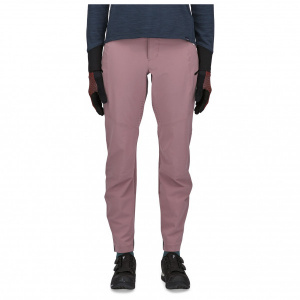
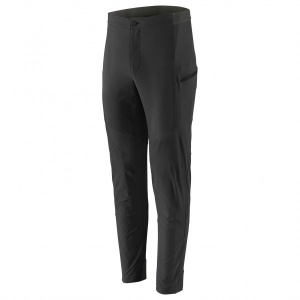
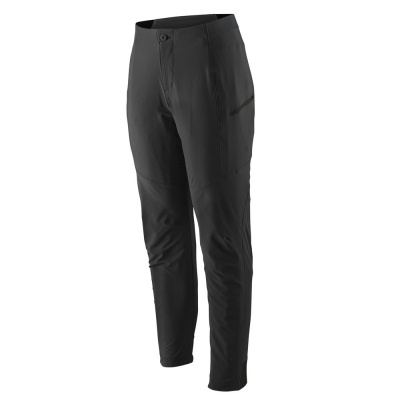
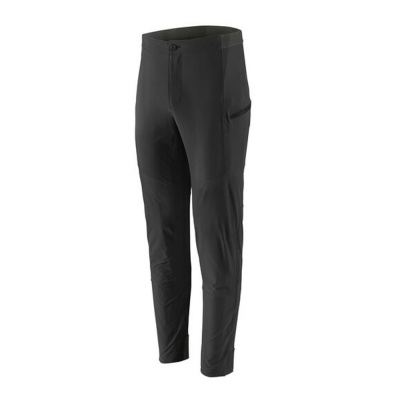
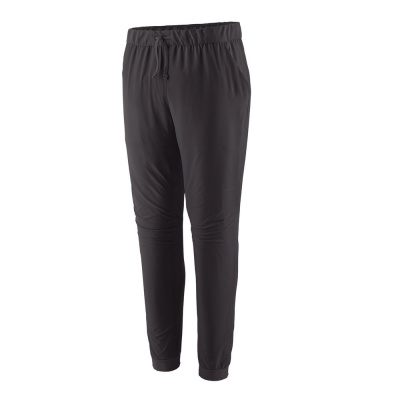
Patagonia trousers bring serious alpine-grade durability to the bike park and the bridleway, built specifically for riders who want performance kit that doesn't cost the planet on the way through. These aren't converted hiking pants with a cycling label slapped on. They're engineered from the ground up for mountain biking and aggressive gravel riding, using recycled nylon and spandex blends that stretch in every direction and keep their shape lap after lap.
The PFC-free DWR finish does real work on UK trails - think gorse-lined singletrack in the Lake District, or that long, exposed fire road where the drizzle comes in sideways without much warning. Trail spray, puddle overshoot, the odd hedge-scrape: all handled. And when the climbing gets steep and humid, laser-cut venting stops you cooking before you've even hit the descent.
Articulated knees move with your pedal stroke rather than fighting it. The tailoring is bike-specific: higher at the back, lower at the front, tapered at the ankle so your drivetrain stays clean. Add Fair Trade Certified sewn construction and you've got kit with a conscience as well as a spec sheet. Whether you're riding year-round or just sick of bagging-out in synthetic trail pants, Patagonia is worth your attention.
Prices and availability can change quickly. Delivery charges are not always included in listed prices.
Final price, stock status and delivery terms are set by retailer. We may receive a commission on purchases made.
Fabric Tech and Weather Performance
Patagonia MTB pants are built around recycled nylon and spandex blends - the kind of 4-way stretch fabric that moves with you on a technical switchback without pulling or bunching at the knee. That elasticity doesn't degrade after a season of hard use either. Recycled nylon is inherently abrasion-resistant, which matters when you're brushing past rocky outcrops on Peak District gritstone or dragging a leg through the kind of Welsh trail-centre mud that acts like wet concrete.
The PFC-free DWR finish is the headline weather feature. It's not a membrane - it's a surface treatment that causes water to bead and roll off rather than soaking in. On a damp morning at a Midlands trail centre, that means your legs stay comfortable through the first hour rather than cold and clammy by the second climb. The 'PFC-free' part matters: older fluorocarbon-based DWR treatments were effective but environmentally grim. Patagonia ditched them without sacrificing meaningful water repellency.
Laser-cut venting is the other weapon in the breathability armoury. On long, steep UK climbs - the kind where you're grinding out of the saddle with no airflow - strategically placed perforations dump heat without creating gaps that let rain in. It's a genuinely useful trade-off between weather protection and ventilation, and it works better than mesh panels that can snag or degrade. Worth noting: these trousers handle trail spray and light to moderate rain with confidence. If you're heading out into sustained, torrential downpours and need fully taped, 100% waterproof protection, head over to our dedicated Patagonia Overtrousers page. For everything short of that, the DWR finish does the job on most UK riding days.
Understanding the Patagonia Fit and Range
The two models you'll encounter most are the Dirt Roamer and the Dirt Craft, and they serve slightly different riders. The Dirt Roamer is the burlier of the two - more structured, more abrasion-resistant panelling on the seat and inner thigh, and a roomier fit through the hip and thigh. It's the one to pick if you're riding technical enduro lines, doing regular bike-park laps, or simply want a trouser that can take punishment over a long season without looking wrecked by October.
The Dirt Craft leans more trail and all-mountain. It's trimmer through the leg, slightly lighter, and sits closer to a modern athletic cut without being restrictive. If you're mixing trail riding with the odd gravel outing or bikepacking trip, the Dirt Craft's cleaner silhouette and lighter construction make more sense. Both models share the same core DNA: a bike-specific cut with a higher rise at the back (no cold-gap when you're tucked over the bars), a lower front, and a tapered lower leg that keeps fabric away from your chainring.
Knee pad compatibility is worth thinking through properly. The articulated knees on both models are shaped to accommodate pads worn underneath, but there's a meaningful difference in how much room you get. The Dirt Roamer's roomier thigh works well with medium to heavy-duty enduro pads - the kind with hard caps and thick foam. The Dirt Craft is better suited to low-profile, lightweight options that don't add much bulk. If in doubt, size up one in the Dirt Craft if you're committed to wearing chunky protection. The Patagonia MTB baggy shorts follow the same sizing logic if you prefer shorts in summer months.
For context against the wider market, Fox trousers tend to offer a longer inseam and slightly more aggressive cut for riders who prioritise a locked-in feel, while Endura trousers often lean into Scottish weather-proofing with heavier membrane options. Patagonia sits between those poles: more weather-aware than a pure trail pant, more breathable than a hardshell option.
Layering and Care for Year-Round UK Riding
These trousers are genuinely four-season capable with the right kit underneath. In summer, a light Patagonia liner short handles sweat management and pad contact without adding bulk. The outer trouser then becomes a lightweight abrasion layer - useful on brambly singletrack even when it's warm. In autumn and winter, the same outer trouser works over a thermal base layer or lightweight Patagonia base layer tight for meaningful cold protection on Scottish or northern English riding. You don't need to switch trousers between seasons if you layer correctly.
Throw a Patagonia jacket on top and you've got a coherent system that handles most of what UK riding throws at you between September and April. The trousers' DWR finish and the jacket's weather protection work together rather than fighting each other, which isn't always guaranteed when you're mixing brands.
On washing: cool, gentle cycle, technical detergent or a mild equivalent, and no fabric softener. This is non-negotiable. Fabric softener blocks the DWR coating at a molecular level - your trousers will wet out faster and faster until the finish is effectively dead. After washing, tumble dry on a low heat setting for around 20 minutes. The heat reactivates the DWR treatment and restores bead-up performance. If you can't tumble dry, a low iron through a cloth works, but tumble drying is easier and more consistent. Do this every few washes and the coating will last far longer than if you just leave them to air dry repeatedly.
Store them away from prolonged direct sunlight when not in use - UV degrades both the DWR finish and the recycled nylon over time. Pair them with a Patagonia riding shirt on warmer days and you've got a full outfit that handles the wash-care requirements consistently across every piece.
Patagonia Trousers FAQs
Are Patagonia Dirt Roamer trousers waterproof?
Not fully waterproof - they're highly water-resistant. The PFC-free DWR finish beads off light rain, puddle splash and trail mud confidently, but sustained heavy downpours will eventually wet them out. For full waterproof cover, look at dedicated overtrousers worn on top.
How do Patagonia MTB trousers fit with knee pads?
Both the Dirt Roamer and Dirt Craft have articulated knees shaped to take pads worn underneath. The Dirt Roamer's roomier cut handles medium to heavy enduro pads well; the Dirt Craft suits lower-profile options. If you wear bulkier pads with the Dirt Craft, sizing up one gives you the clearance you need.
How do I wash Patagonia trousers to maintain the DWR coating?
Use a cool, gentle cycle with a technical wash or mild detergent - fabric softener is the enemy here, as it clogs the DWR treatment and kills water repellency fast. After washing, tumble dry on low heat for around 20 minutes to reactivate the coating and restore its bead-up performance.