
Park Tool Mini Pumps
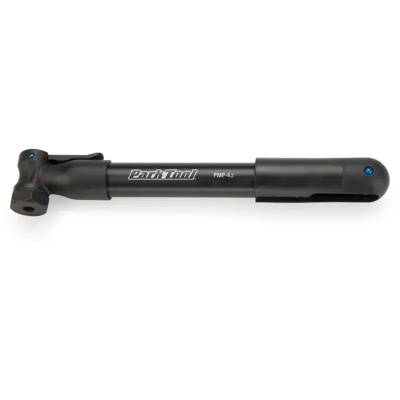
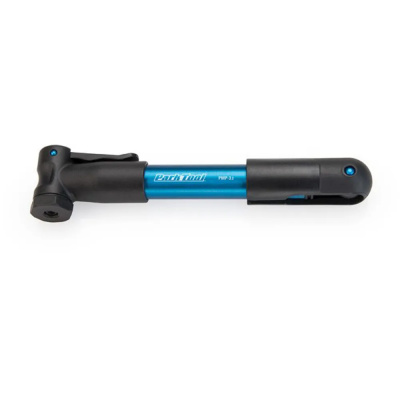
Park Tool mini pumps take the same mechanic-grade thinking that built the brand's workshop reputation and compress it into something that fits your jersey pocket. When you're 20 miles into the Peaks with a flat and no signal, that matters. Built around aluminum barrels and fully rebuildable internals, these aren't the kind of pump you bin after one bad winter - they're designed to last as long as you keep riding.
The range splits cleanly by purpose. Road riders who run high-pressure clinchers need a pump that can genuinely reach riding pressure without feeling like a CrossFit session. Gravel and MTB riders need high volume output to seat a stubborn tyre after a tubeless repair mid-ride. Park Tool covers both. Dual-head and reversible internal designs mean you're not fumbling with adapters on a cold morning - Presta valve or Schrader valve, the pump handles it directly.
If you're comparing options, Lezyne mini pumps and Topeak mini pumps occupy similar ground, but Park Tool's rebuildable ethos and workshop-derived quality control give them a distinct edge for riders who treat their kit seriously. Compact, durable, and genuinely serviceable - that's the pitch.
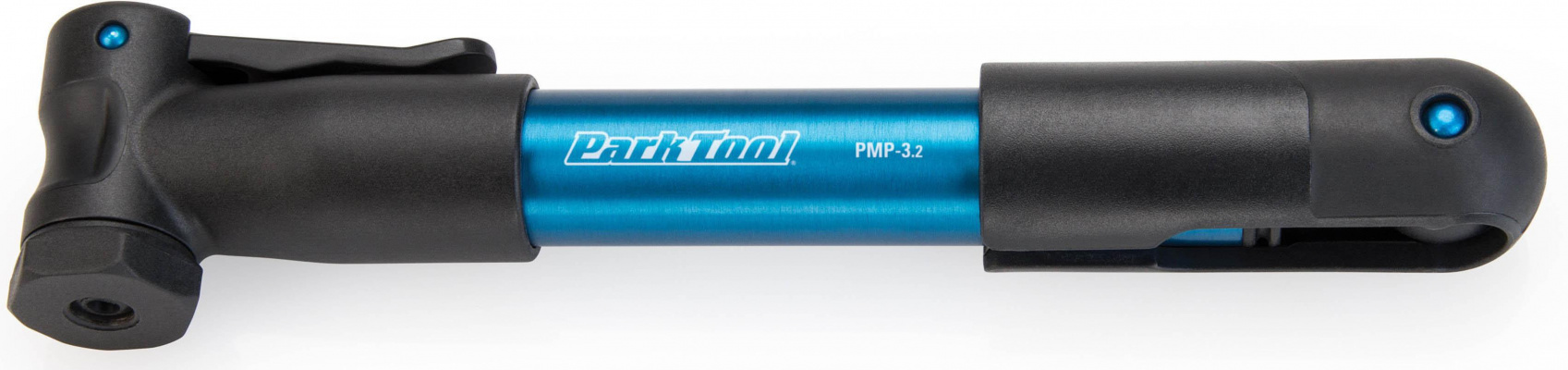
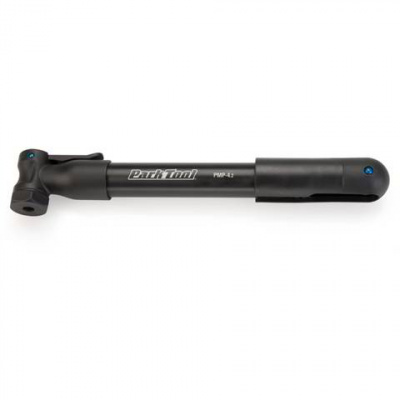
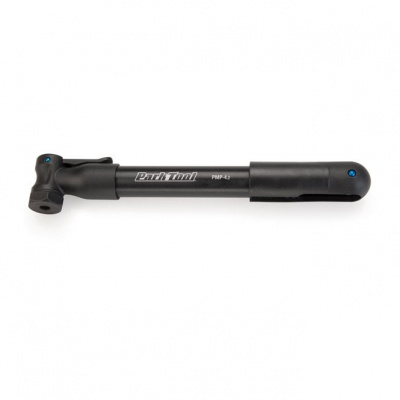
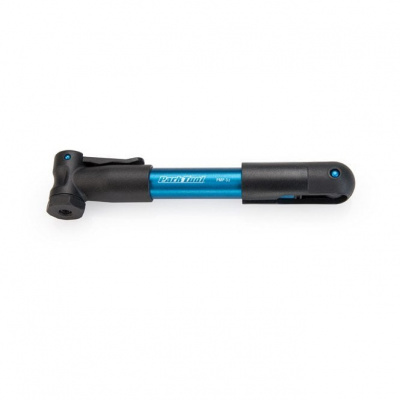
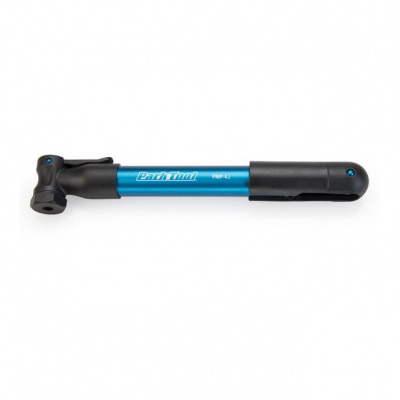
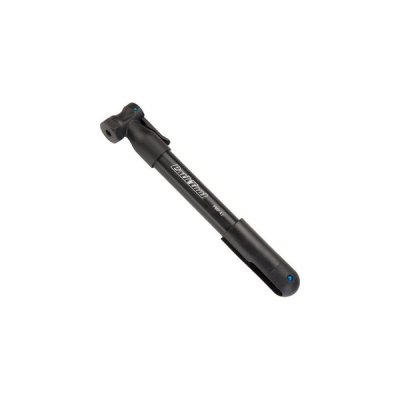
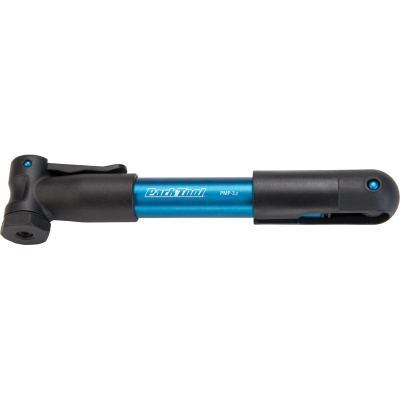


Prices and availability can change quickly. Delivery charges are not always included in listed prices.
Final price, stock status and delivery terms are set by retailer. We may receive a commission on purchases made.
Presta, Schrader, and Getting the Pressure Right
The first question most riders ask is whether they need separate pumps for different bikes. With Park Tool's lineup, you don't. Models like the PMP-4.2 and PMP-5 use dual-head designs that accommodate both Presta valve and Schrader valve stems without an external adapter rattling loose in your pack. The reversible internal chuck on certain models flips the seal orientation - two seconds, no tools, no faff.
Pressure ratings split along discipline lines. Road-specific pumps are built for high pressure output, reaching up to 90 max PSI - enough to get a 25c or 28c tyre back to a rideable pressure, though you'll feel the effort in the final strokes. High volume models move more air per stroke and are the right call for plus-size gravel rubber or a 2.4-inch trail tyre that's gone soft after a tubeless plug repair. Trying to use a high-pressure micro pump on a fat MTB tyre is like bailing a bath with a teaspoon - technically possible, practically miserable.
Frame mounting uses standard water bottle boss spacing, so most modern frames accept a frame mount without adapter plates. Worth checking clearance on full-suspension bikes where the mount position can shift the pump close to suspension linkages - a quick test before the ride saves a cracked barrel mid-descent.
Choosing Between the PMP-3, PMP-4.2, and PMP-5
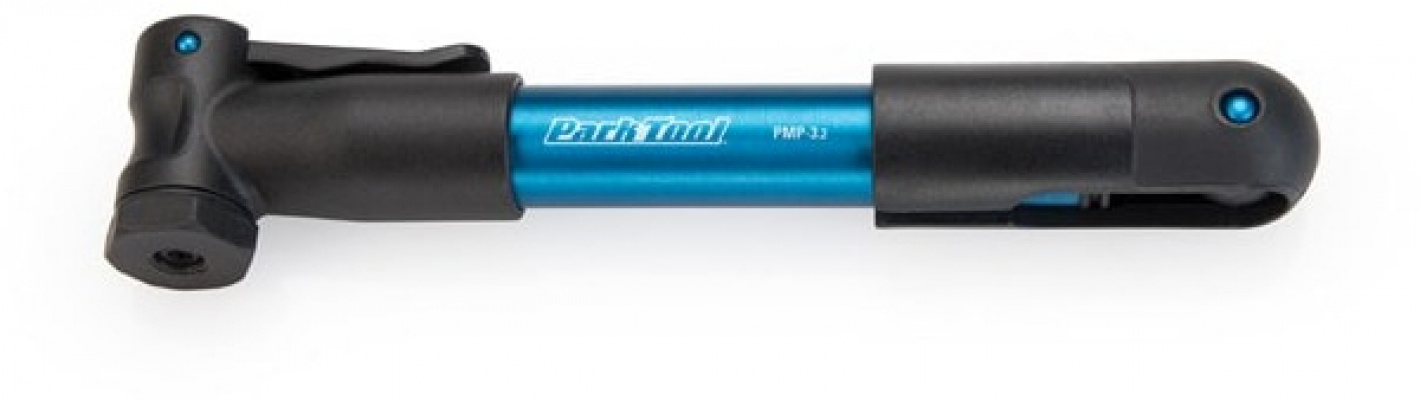
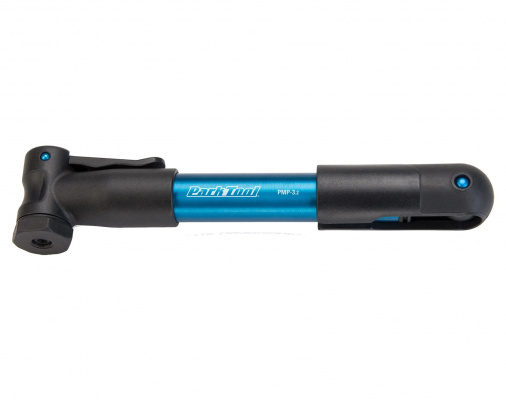
Three main models, three different priorities. The PMP-3 is the micro option - genuinely pocket-sized, light enough that you forget it's there, and the right choice for road riders who just need emergency inflation and aren't planning to get back to full race pressure roadside. Stroke volume is limited by its compact dimensions, so expect more pumping effort per PSI gained compared to larger models.
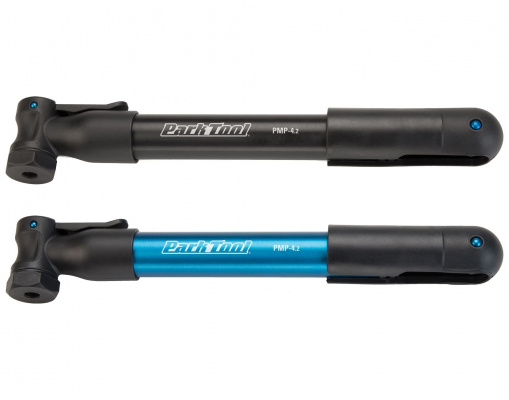
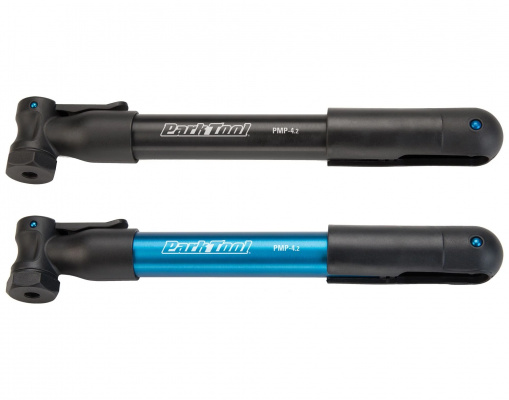
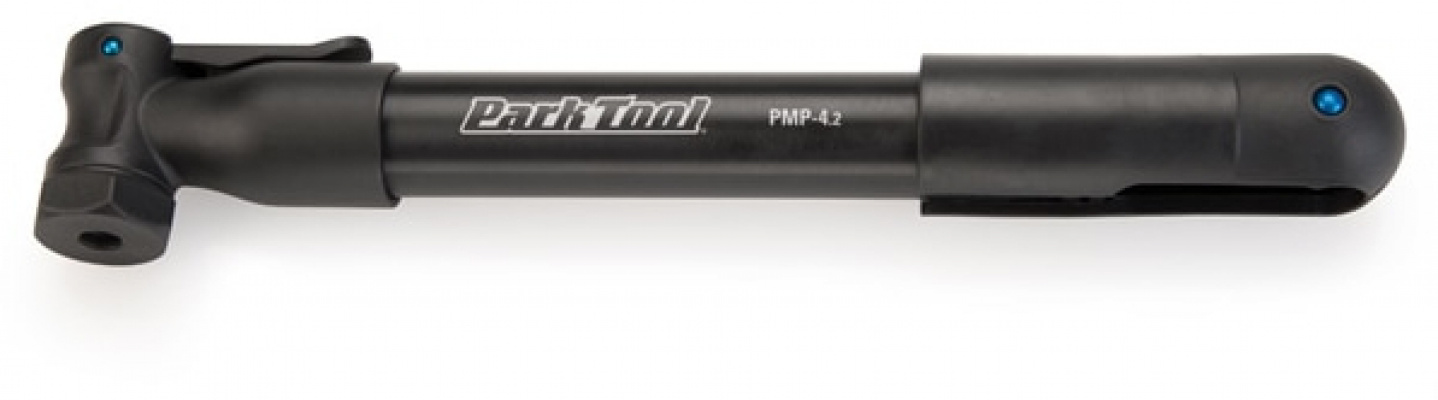
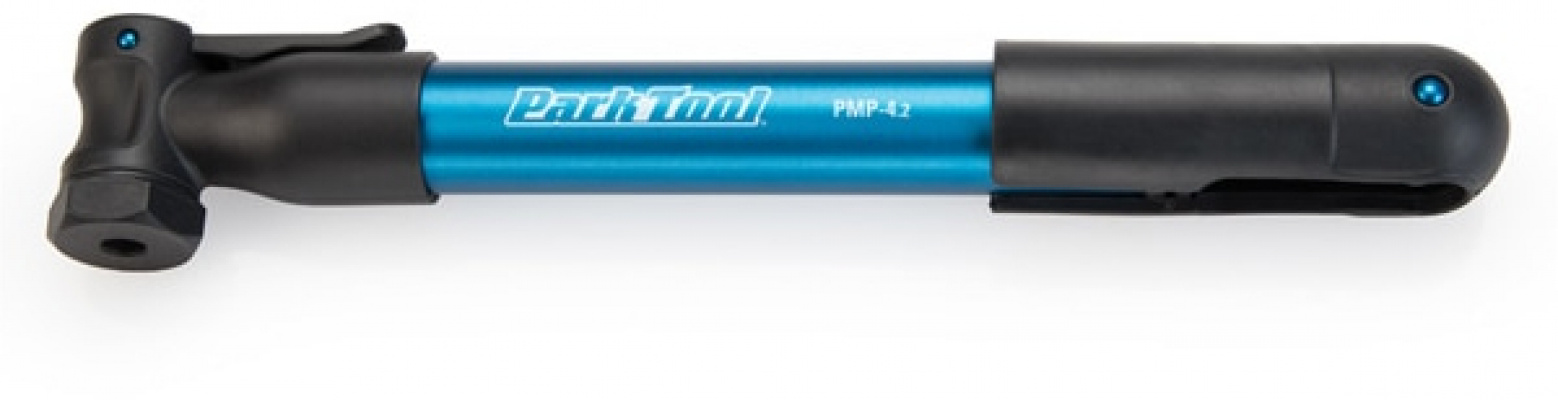
The PMP-4.2 steps up with a folding T-handle that transforms the pumping action from a knuckle-bruising chore into something controlled and repeatable. Cold, numb hands on a January ride in the Trough of Bowland will make you appreciate that T-handle more than any spec sheet will. It's the model that balances portability with genuine usability - most riders comparing options end up here. Dual-head valve compatibility is standard.
The PMP-5 adds an inline pressure gauge, which sounds like a luxury but becomes genuinely useful if you're running tubeless at precise lower pressures for gravel or trail riding, where a few PSI either way changes how the tyre behaves. It's the most capable of the three, and the most substantial in the pocket.
One honest trade-off across all mini pumps: none of these replace a proper floor pump for pre-ride inflation. For home workshop use, our Park Tool track pumps category is where you should be looking. And if you need replacement seals or O-ring rebuild components to keep a mini pump running, check the Park Tool puncture kits section for available parts.
Against the competition, SKS mini pumps offer solid value and are widely available in the UK, but Park Tool's serviceability and build quality give them staying power that cheaper alternatives can't match over multiple riding seasons.
Keeping Your Pump Working Through UK Winters
A frame-mounted pump on a winter road bike or gravel rig takes a beating. Road spray carries grit directly into the pump head, and on muddy trail rides the head can pack with debris that scores the valve seat or degrades the internal seal. The fix is simple but easy to overlook: after muddy or wet rides, rinse the pump head with clean water, dry it off, and give the main shaft a light wipe-down before storage. Two minutes that extends the pump's life considerably.
The aluminum barrel resists corrosion better than plastic-bodied alternatives, but the internal O-ring is the component most affected by grit ingress and temperature cycling. UK winters are hard on rubber seals - the repeated cold-to-warm transitions as you move from a freezing garage to a heated car accelerate degradation over time. A thin smear of silicone grease on the main shaft O-ring every few months keeps the pump action smooth and prevents the seal from drying out and cracking.
This is where Park Tool's rebuildable design pays off in a way that disposable plastic pumps simply can't match. When the pump starts losing pressure or the action feels spongy, you're not looking at a replacement purchase - you're looking at a five-minute rebuild with a fresh O-ring. Parts are available, the process is straightforward, and it's the kind of mechanic-first thinking that runs through the entire Park Tool range. If you're carrying one of their Park Tool tubeless repair kits alongside your mini pump, you've got a genuinely capable roadside setup that doesn't leave you relying on a passing rider's goodwill.
The short version: buy once, maintain it properly, and a Park Tool mini pump will outlast several rounds of cheaper alternatives. That's not marketing - it's just what rebuildable, metal-bodied construction delivers when you look after it.
Park Tool Mini Pumps FAQs
Does the Park Tool mini pump work with both Presta and Schrader valves?
Yes. Most Park Tool mini pumps use a dual-head design or reversible internal chuck that handles both Presta and Schrader valves directly - no separate adapter needed. The PMP-4.2 and PMP-5 both use this approach, making them genuinely versatile across road, gravel, and MTB setups.
What is the maximum PSI of a Park Tool mini pump?
It depends on the model. Road-oriented pumps like the PMP-4.2 reach up to 90 PSI, which is sufficient for emergency inflation but requires real effort in the upper pressure range. For consistent pre-ride inflation to full road pressures, a track pump is the practical tool for the job.
Can I repair my Park Tool mini pump if it stops working?
Yes, and that's a deliberate design choice. Park Tool builds their mini pumps with fully rebuildable internals - replacement O-rings and head components are available as separate parts. When the pump action goes soft or the head starts leaking, you're fixing it, not replacing it.