
Oxford MTB Wheels
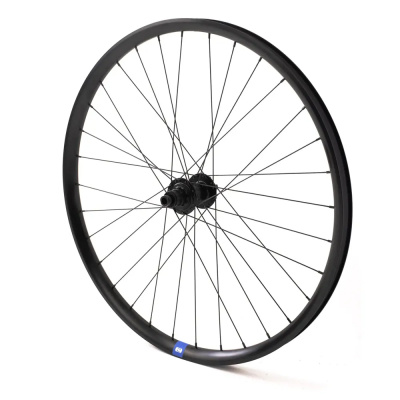
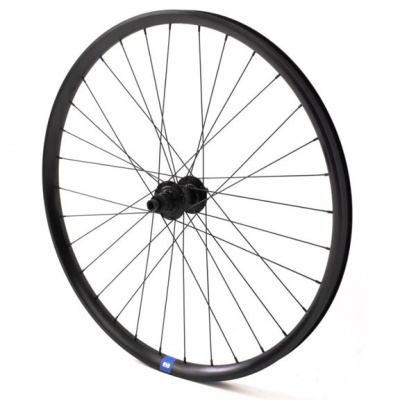
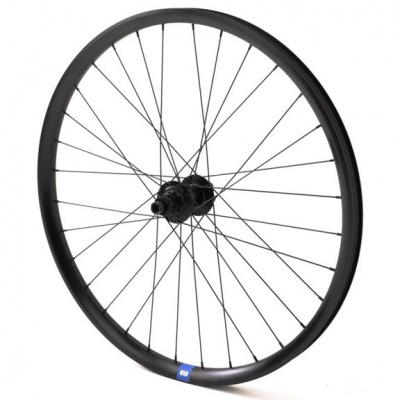
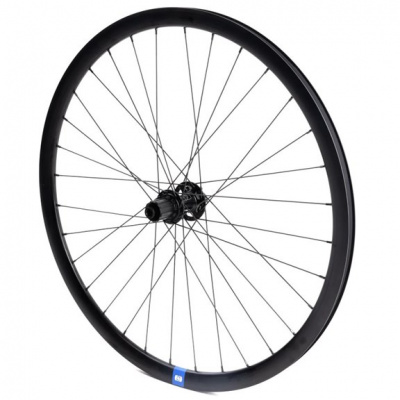
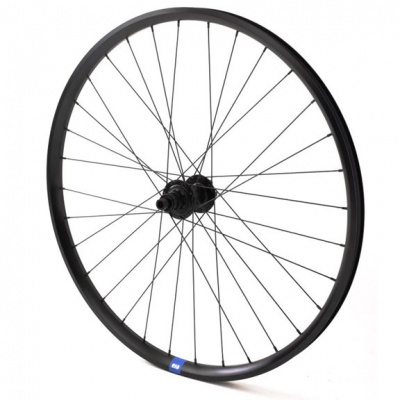
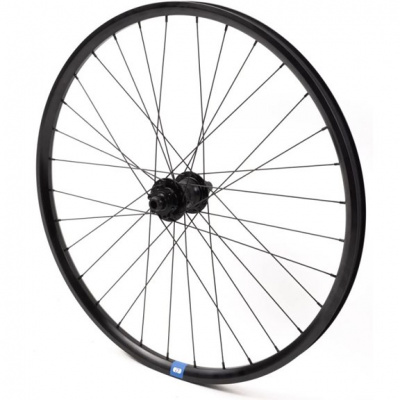
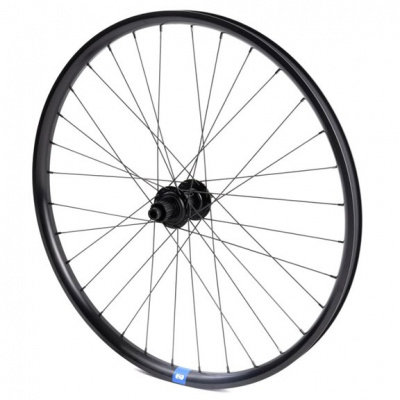
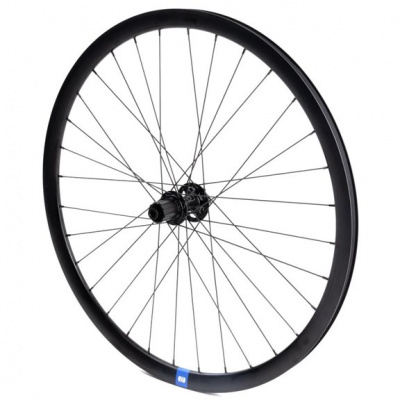
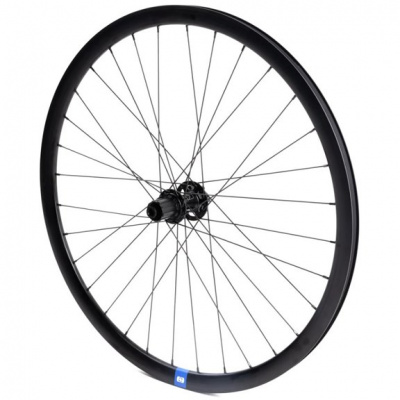
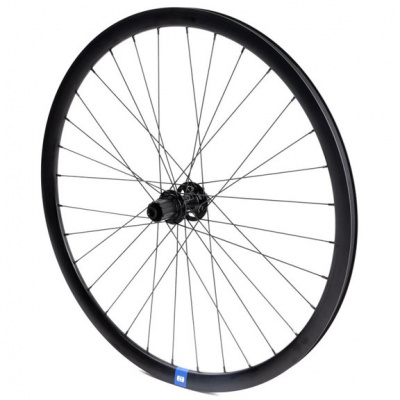
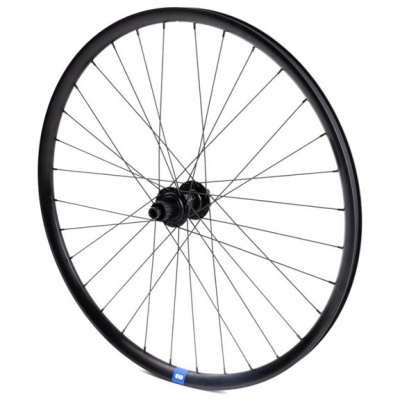
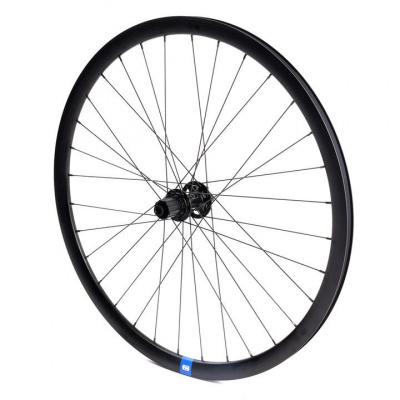
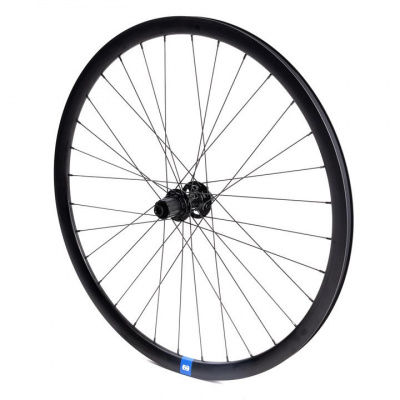
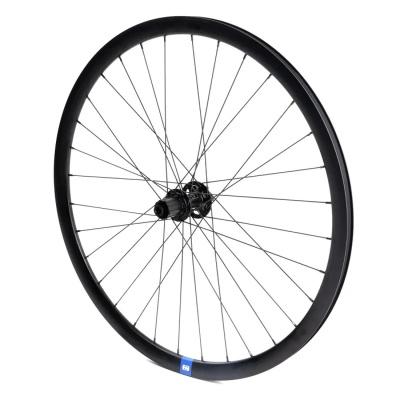
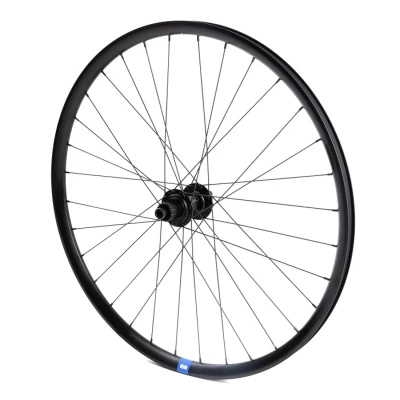
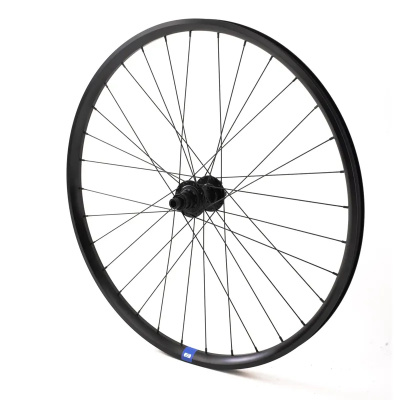
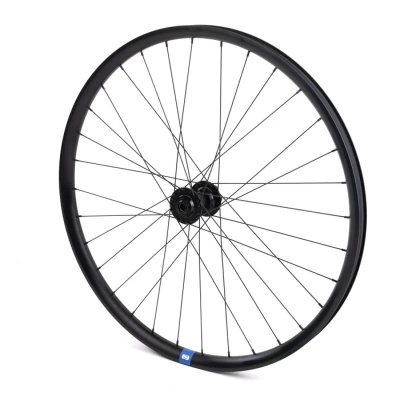
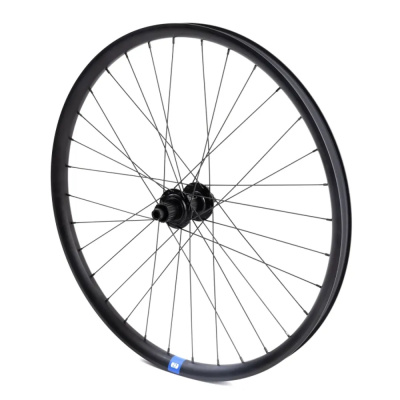
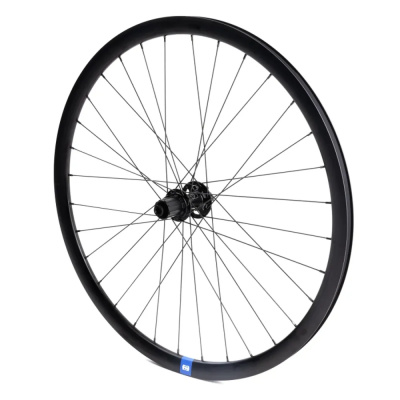
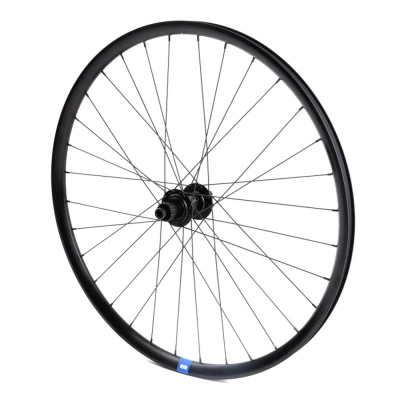
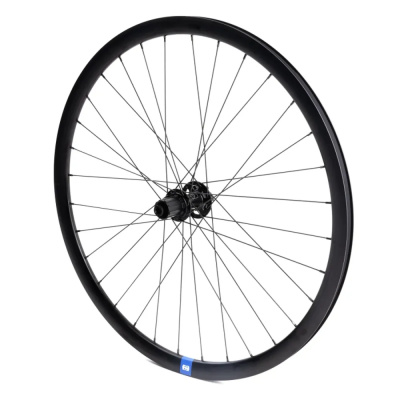
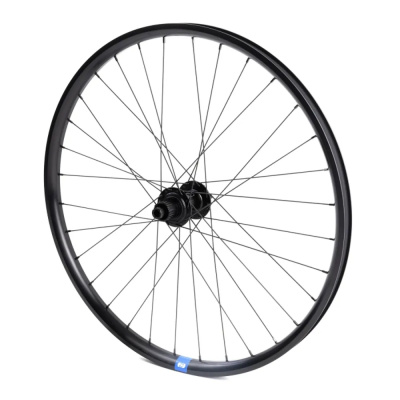
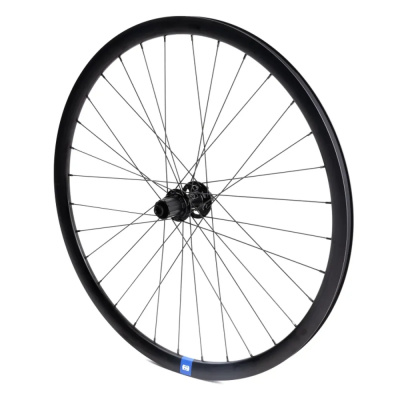
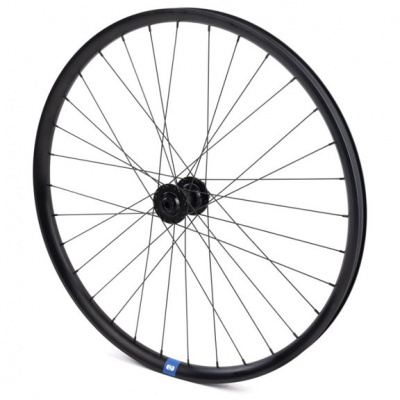
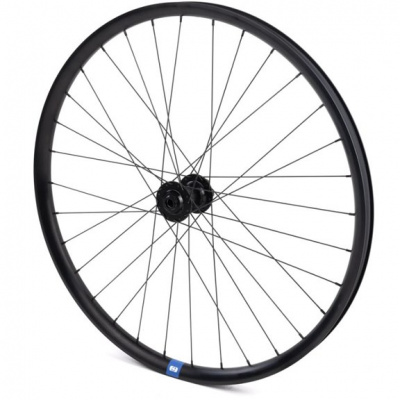
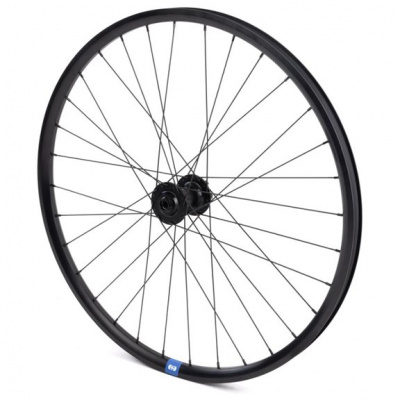
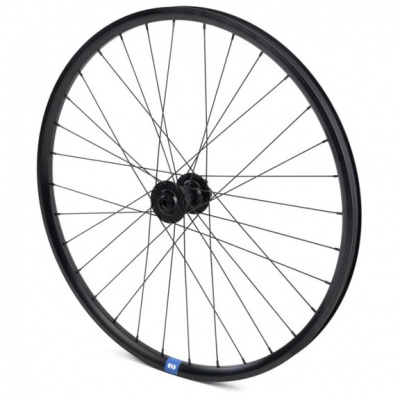
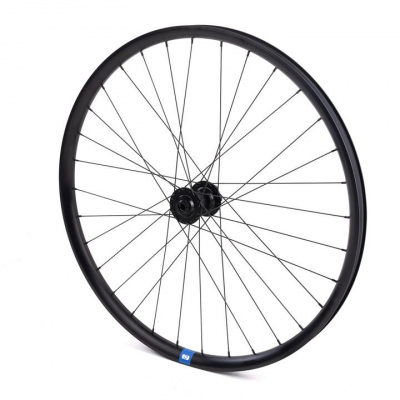
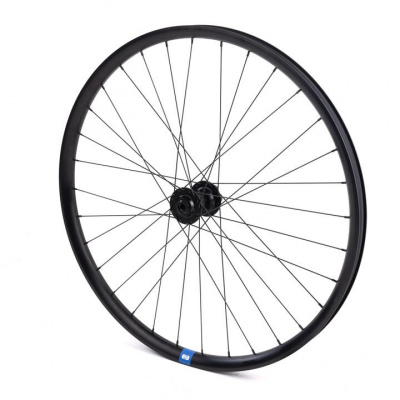
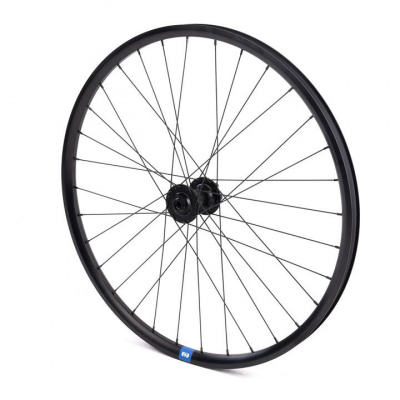
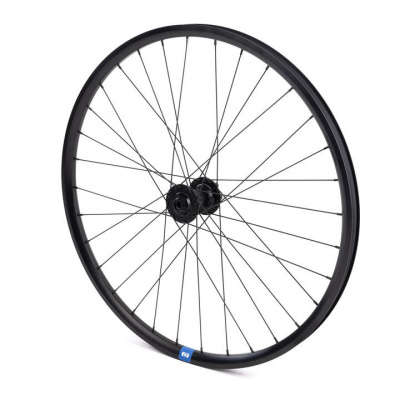
Oxford MTB wheels are one of those dependable fixes when your current hoops are shot and you need something reliable back under the bike without a lengthy deliberation. Oxford builds replacement and trail-ready wheelsets aimed squarely at UK riders who want solid, mechanic-approved construction rather than marketing theatre. The rims use a double-wall alloy extrusion that resists the kind of impact damage you'd pick up on a rocky trail centre descent, and the hub internals are specified to match the axle standards your frame actually uses - so you're not faffing about with adapters on the trail-centre car park floor.
The range covers 26-inch, 27.5, and 29er diameters, spanning older Quick Release hardtails right through to modern Boost thru-axle trail bikes. That breadth matters in the UK, where garages are full of bikes from every era. Brake rotor mounting follows either 6-bolt or Centerlock standards depending on the wheel, and the rear hubs ship with a Shimano HG freehub body as standard across most of the lineup - compatible with the vast majority of cassettes already out there. Whether you're reviving an older steel hardtail or swapping a buckled wheel on a 29er trail bike, Oxford gives you a clear, straightforward path back onto the singletrack. Compare prices across UK retailers using the listings below.
Prices and availability can change quickly. Delivery charges are not always included in listed prices.
Final price, stock status and delivery terms are set by retailer. We may receive a commission on purchases made.
Getting the Fit Right Before You Buy
Buying the wrong wheel is an expensive mistake that's easy to avoid. Start with wheel diameter: 26-inch suits older hardtails, 27.5 (also written as 650b) covers a broad mid-range, and 29er is now the dominant standard for trail and cross-country riding. Get that wrong and nothing else matters.
Axle spacing is the next critical number. Older or entry-level mountain bikes typically run 135mm rear spacing with a Quick Release skewer, and a 100mm front. Modern trail bikes have largely moved to thru-axle standards - most commonly 148mm rear and 110mm front Boost spacing, which stiffens the wheel triangle and allows wider tyre clearance. Oxford covers both generations, so check your frame dropout width before you click anything. If your bike sits somewhere in between - say, a 142mm non-Boost thru-axle - that's on some mid-era frames and worth confirming against your owner's manual.
Brake rotor mounting is the final piece. Most Oxford wheels use the 6-bolt disc interface, which is universally compatible and easy to swap rotors on. Some higher-tier options use Centerlock, which requires a Shimano-compatible lockring tool to fit. Neither is better in practice - it's purely a compatibility question against your existing rotors and callipers. Most Oxford rear wheels also ship with a pre-installed Shimano HG freehub body, which fits 8, 9, 10, and 11-speed HG cassettes without any further modification. For specific axle hardware or bearing upgrade options, our dedicated Oxford tools pages cover installation kit, and you'll find detailed hub and skewer guidance in the relevant category pages on Bikesy.
Oxford's Range: Basic Replacement to Trail-Ready Hoops
Oxford's wheel lineup splits broadly into two tiers, and the differences between them are meaningful enough to guide your choice based on how and where you ride.
At the entry level, Oxford's replacement wheels are built for function and value. These typically feature basic double-wall alloy rims, nutted or Quick Release axle compatibility, and cup-and-cone bearing hubs. Cup-and-cone bearings aren't inherently inferior - they're adjustable and fully serviceable with standard cone spanners - but they do require more regular attention if you're riding through British winters. The rim widths on these wheels are narrower, suiting standard clincher tyres with inner tubes rather than wider trail rubber. Think of them as the right tool for getting an older hardtail back on the road or trail without overthinking it. If you're running an older bike and just need dependable rolling stock, this tier does that job cleanly.
Step up to Oxford's trail-oriented wheels and you get a noticeably different package. Internal rim widths increase - typically into the 25-30mm internal range - which supports modern 2.3-inch-plus trail tyres properly, letting them sit at the right profile rather than ballooning awkwardly on a too-narrow rim. Sealed cartridge bearings replace cup-and-cone units in the hubs, offering better contamination resistance in the kind of grit and mud you'd encounter on a wet Welsh trail centre or a boggy Peak District winter loop. Sealed cartridge hubs need less frequent servicing, though when they do go, you replace the bearing rather than adjust it. Tubeless-ready rim profiles also appear at this tier - more on that in the FAQ - and the spoke count and lacing pattern are specced for trail riding loads rather than just commuter-grade use.
Across both tiers, Oxford uses standardised J-bend spoke lacing. That's worth noting: J-bend spokes are the most widely stocked spoke type in UK bike shops, so if you snap one mid-season on a rocky bit of the Tweed Valley, a local mechanic can replace it without ordering in exotic straight-pull spokes. Straightforward construction, straightforward repair. If you want to benchmark Oxford against alternatives with more race-focused construction, Halo MTB wheels and Hope MTB wheels both sit in the comparison conversation - Hope in particular for UK-built hub quality. For premium rim-and-hub packages, DT Swiss MTB wheels represent a different budget category entirely.
Keeping Oxford Wheels Running Through UK Conditions
UK riding does specific things to wheels that sunnier climates simply don't replicate. High grit content in winter mud works into hub seals and spoke nipples faster than you'd expect, and the damp accelerates corrosion on alloy nipples if they're left unchecked. None of this is catastrophic, but it does mean a bit of routine attention goes a long way.
After your first 50 miles on a new set of wheels, check spoke tension. Spokes bed in during initial riding as the lacing settles under load, and a quick once-over with a spoke key - or a visit to your local shop - will stop minor looseness becoming a buckle. It takes ten minutes and saves a wheel.
Hub seals are the other thing to keep an eye on. After muddy rides, rinse the hubs with low-pressure water rather than a jet wash pointed directly at the bearings. A jet wash forces grit past seals that low-pressure rinsing wouldn't touch. Dry the bike off, and if you're running cup-and-cone hubs on an entry-level Oxford wheel, a seasonal re-grease and bearing adjustment will keep them rolling smoothly through winter. Cartridge bearing hubs on the trail-tier wheels need less attention but benefit from the same gentle cleaning approach.
For everything you need to keep the wheels in shape, Oxford's cleaning kit range covers bike-specific degreasers and lubricants, and Oxford inner tubes are the sensible companion buy if you're running clincher tyres on the entry-level wheels. If you're planning a tubeless conversion on a trail-ready Oxford rim, you'll need tubeless tape, valves, and sealant - pick those up separately rather than assuming they're included in the box.
One practical note on spoke nipple corrosion: if you're buying replacement spokes for a repair down the line, brass nipples outlast alloy in wet UK conditions. It's a minor detail, but it's the kind of thing that matters when you're trying to true a wheel six months in rather than starting from scratch. For Mavic MTB wheels or other brands with proprietary spoke systems, that repair simplicity disappears - it's one area where Oxford's use of standard J-bend components genuinely earns its keep.
Oxford MTB Wheels FAQs
Are Oxford MTB wheels tubeless ready?
It depends on the tier. Oxford's trail-oriented wheels use a tubeless-ready rim profile, but you'll still need to add tubeless tape, valves, and sealant yourself - none of that comes in the box. Their entry-level replacement wheels are clincher-only and designed to run with inner tubes, so don't attempt a tubeless conversion on those rims.
What axle size do I need for my mountain bike wheels?
You need to match your frame and fork dropout spacing exactly. Older hardtails and entry-level bikes typically use 135mm rear and 100mm front Quick Release. Most modern trail bikes run Boost thru-axle - 148mm rear, 110mm front. Some mid-era frames use 142mm non-Boost thru-axle. Check your frame spec sheet or measure the dropout width if you're unsure.
Do Oxford wheels come with a freehub installed?
Yes. Oxford rear wheels ship with a freehub body already fitted, and most use the standard Shimano HG spline pattern, which is compatible with 8, 9, 10, and 11-speed HG cassettes. Check your current cassette interface before buying - if you're running SRAM XD or Micro Spline, you'll need a different wheel or a compatible freehub body.