
Ortlieb Rucksacks
When your laptop, spare kit and lunch are on the line, Ortlieb rucksacks are the backpacks that genuinely don't let water in. Not water-resistant. Not shower-proof. Waterproof - with an IP64 rating to prove it. Ortlieb achieves this through high-frequency welded seams and proprietary PU-coated fabrics rather than the stitched-and-taped construction you'll find on most competitors. There's no needle thread to degrade, no taped seam to peel after a winter of road salt and grime. Just a sealed shell that laughs off a British commute in November.
Made in Germany and backed by a five-year warranty, these bags are built to outlast several rounds of cheaper alternatives. Whether you're rolling into the office three days a week, loading up for a multi-day bikepacking loop through the Cairngorms, or just trying to keep a change of clothes dry on the way to a sportive, there's an Ortlieb rucksack sized and shaped for the job. The range runs from stripped-back courier-style bags through to feature-rich commuter packs with dedicated laptop sleeves and breathable back panels. Browse our price-compared selection below to find the right one for your ride.
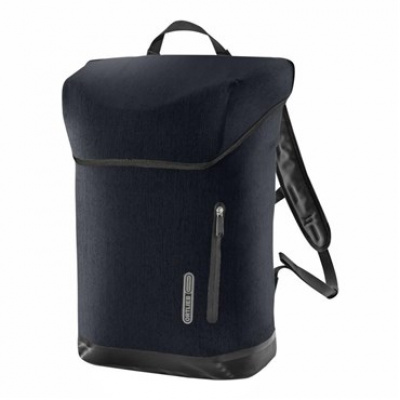
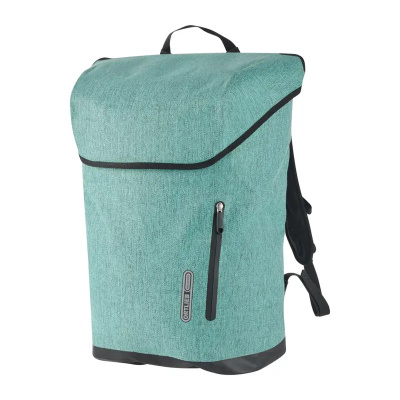
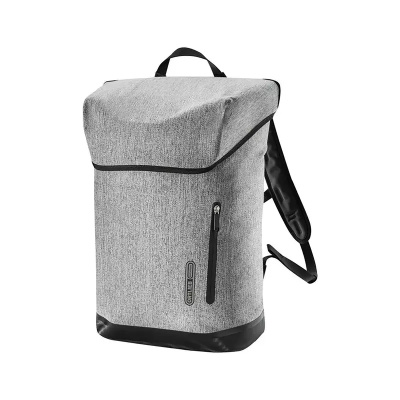
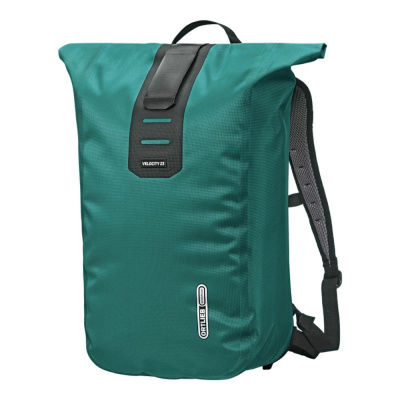
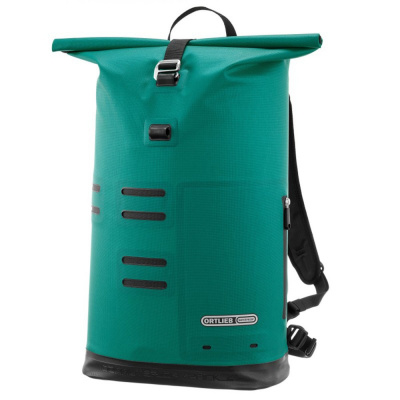
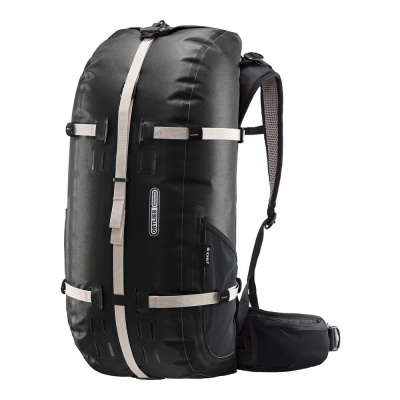
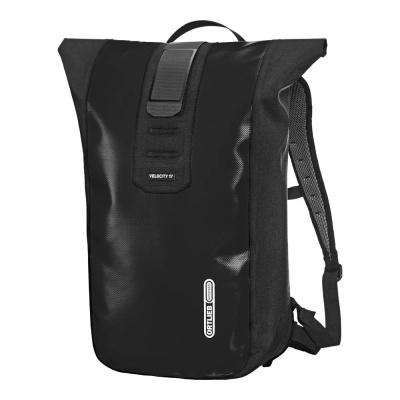
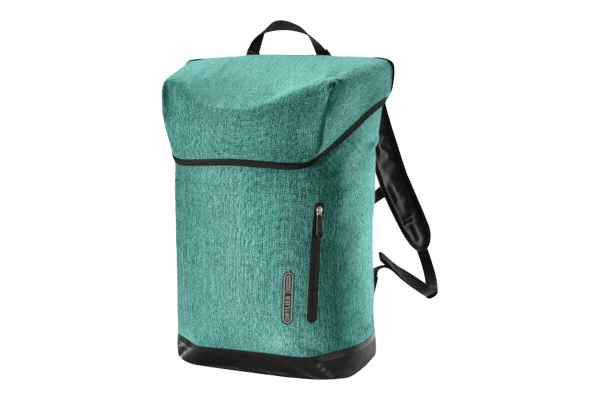
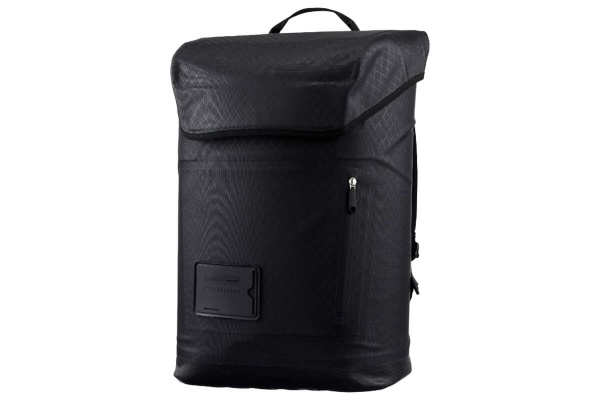
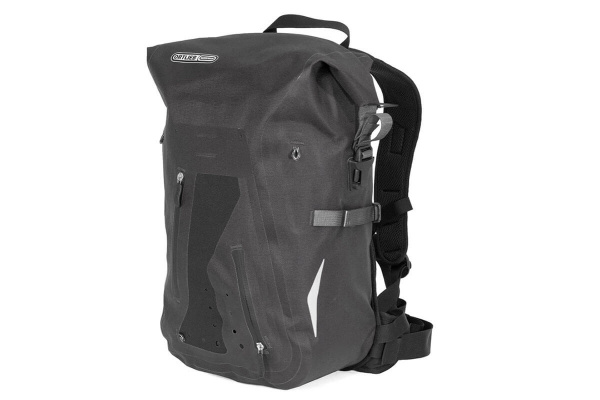
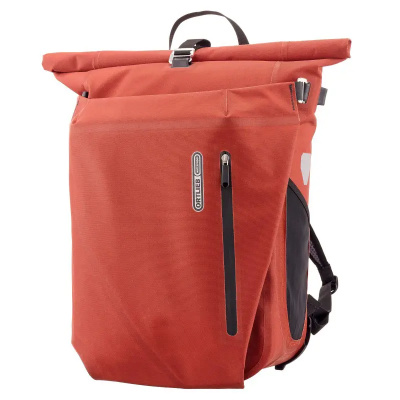
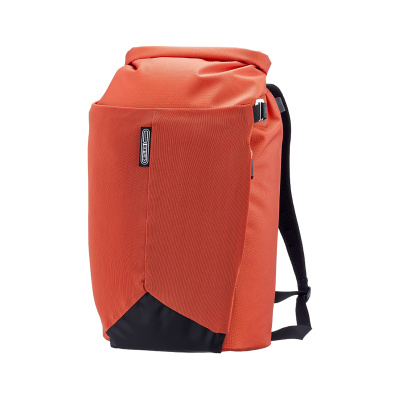
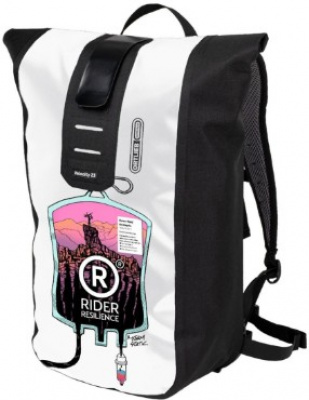
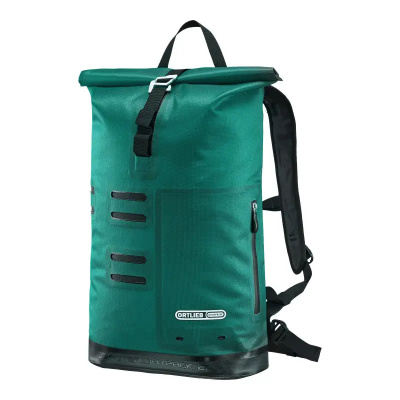
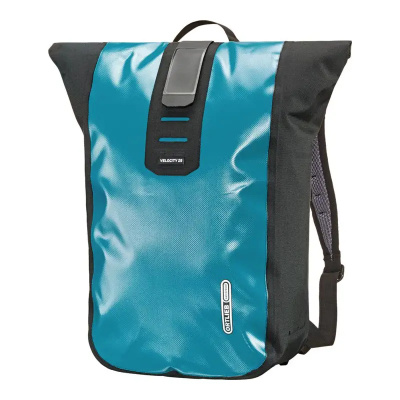
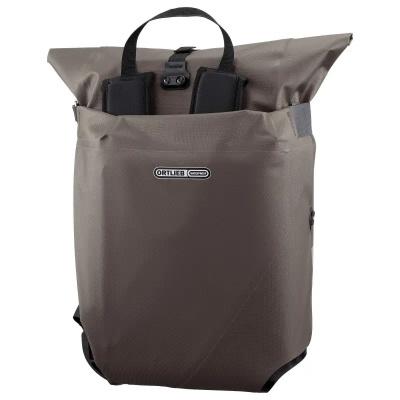
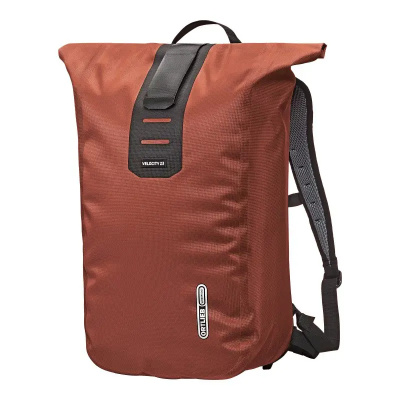
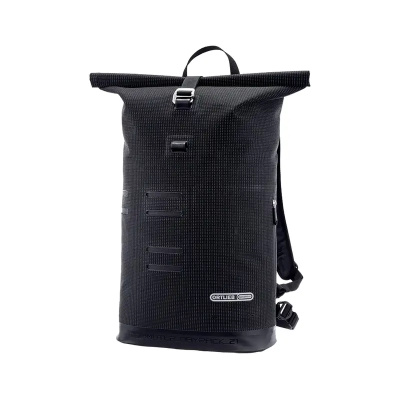
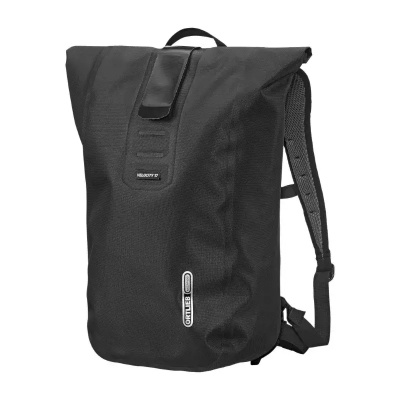
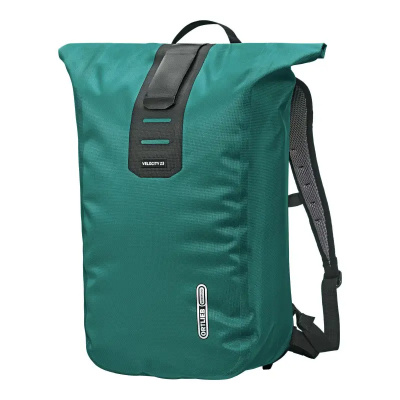
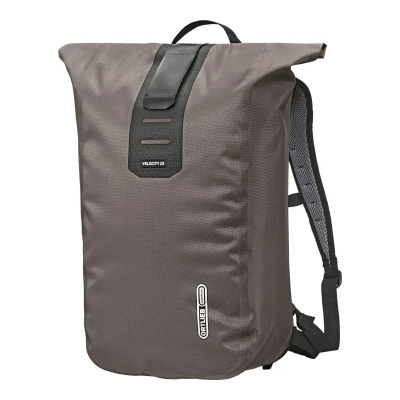
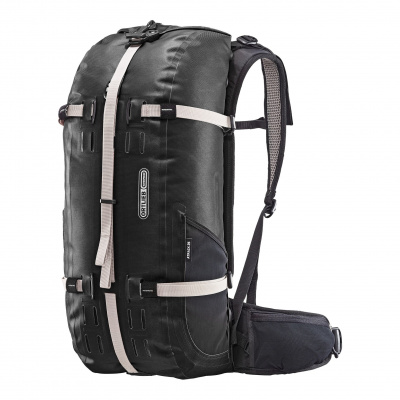
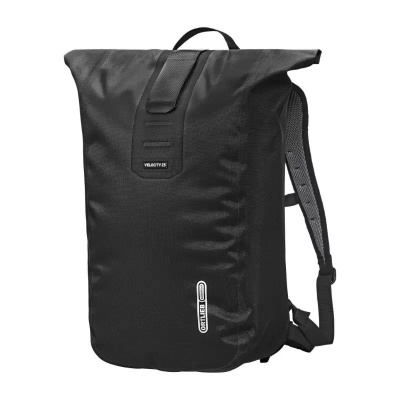
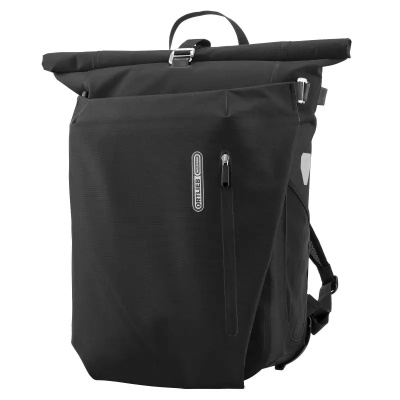
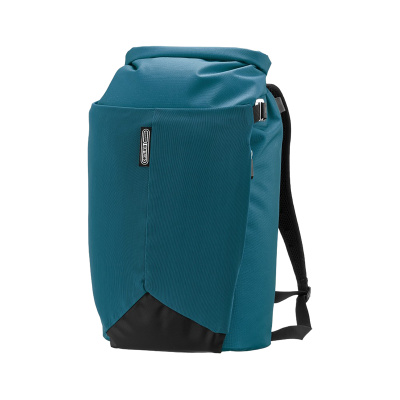
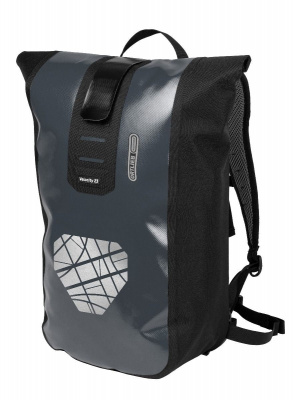
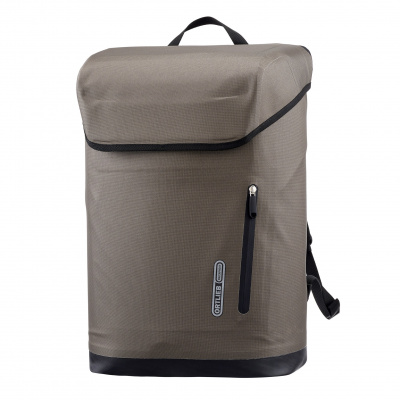
Prices and availability can change quickly. Delivery charges are not always included in listed prices.
Final price, stock status and delivery terms are set by retailer. We may receive a commission on purchases made.
How Ortlieb's Waterproofing Actually Works
Most waterproof bags rely on DWR-coated fabrics and taped seams - a reasonable approach until the coating wears and the tape lifts. Ortlieb takes a different route entirely. Their bags are built from PD620 or PS620C proprietary PU-coated nylon, then joined using high-frequency 3D welding rather than stitching. The result is a seam with no perforations, no thread to absorb moisture, and no weak points for road grit to exploit over time. It's a fundamentally more durable construction, and you notice it after two or three hard winters when the bag still looks and functions as it should.
The Classic line uses PD620 PU-coated polyester - tough, wipe-clean, and proven across decades of courier use. Step up to the Plus or Free lines and you get PS36C Cordura blends or PVC-free PU alternatives that reduce environmental impact without sacrificing weather performance. Both achieve IP64 as a baseline, meaning protection against dust and heavy water spray from any direction. Select models push further with IP67-rated submersion resistance, relevant if you're riding flooded trails or genuinely foul coastal paths in winter.
On models where a zipper is unavoidable - Ortlieb's organiser pockets being the obvious example - the brand specifies TIZIP waterproof zippers, a meaningful upgrade over standard aqua-stop designs. Worth knowing: TIZIP closures need occasional lubrication with the supplied silicone grease to stay supple and watertight. Neglect that and they'll stiffen up, which puts stress on the zip tape. Takes two minutes and saves a lot of grief. If you're after a single-strap option rather than a two-shoulder pack, the Ortlieb Messenger Bags range covers that ground, and for water carriage on longer rides, Ortlieb Pannier Bags might better suit your setup.
Velocity, Commuter Daypack, Atrack: Which One Are You?
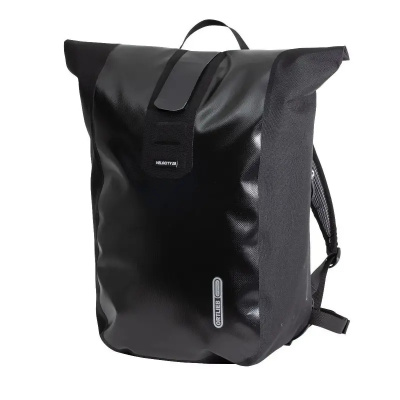
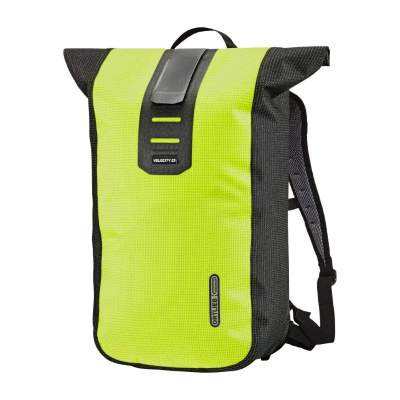
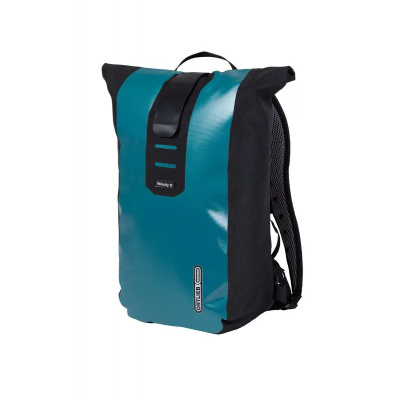
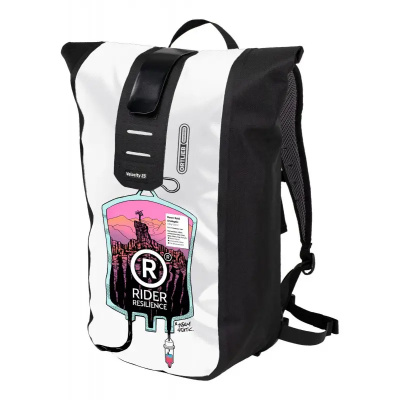
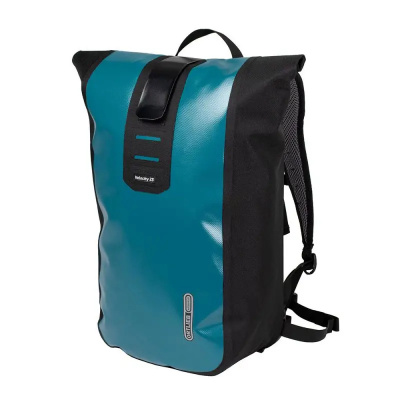
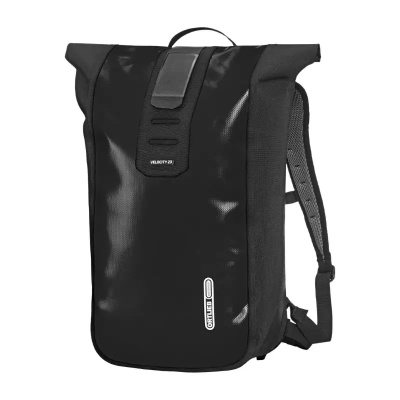
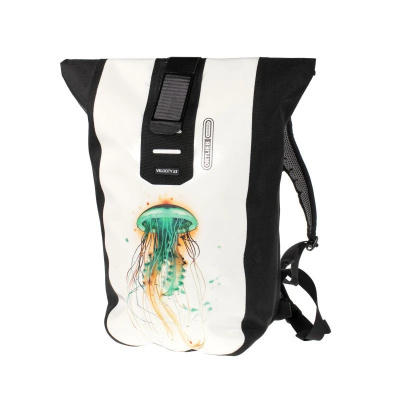
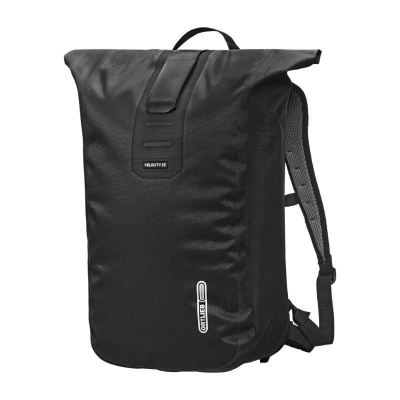
Ortlieb rucksacks split broadly into three camps, and picking the wrong one is easily done if you go by volume alone. The Velocity is the purist's choice - a roll-top courier bag with a simple foam back pad, a single main compartment, and almost no organisational pocketing. That's not a criticism; it's the point. Less structure means fewer failure points, faster loading, and a bag that's happy being slung into a van, strapped to a rack, or stuffed under a train seat. The roll-top closure is genuinely excellent: roll it three times, clip the buckle, and you've got a fully sealed bag in under five seconds. No fiddling with zips in the rain.
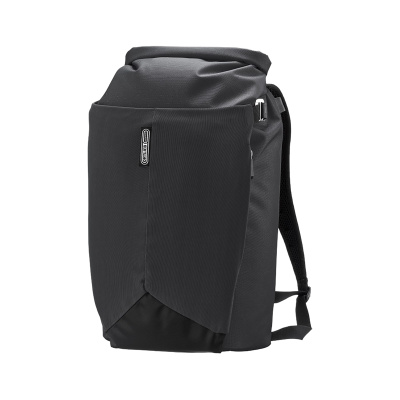
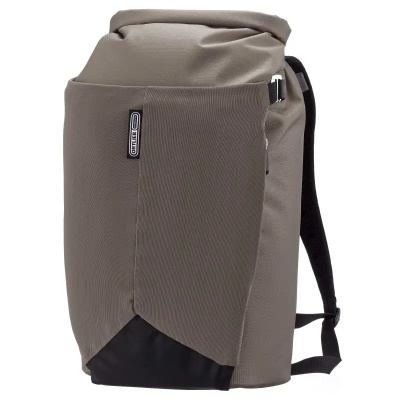
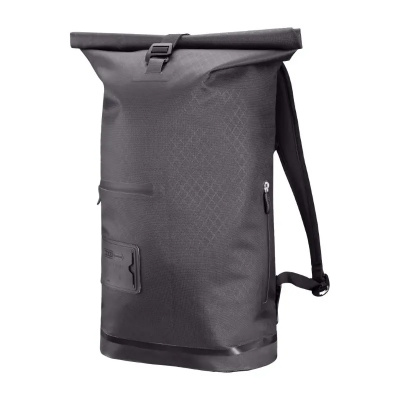
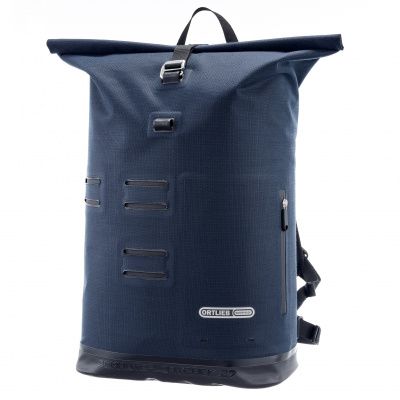
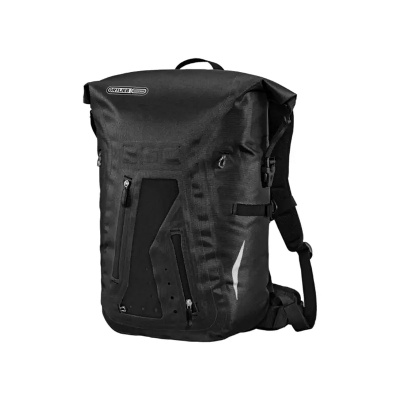
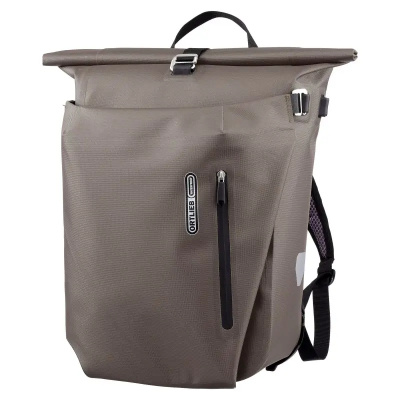
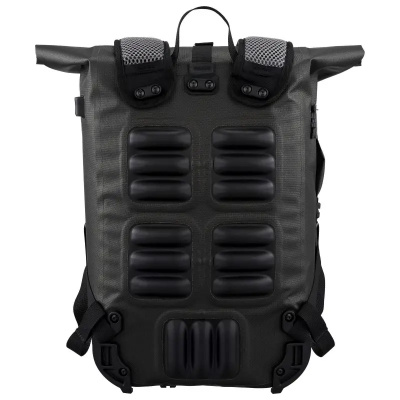
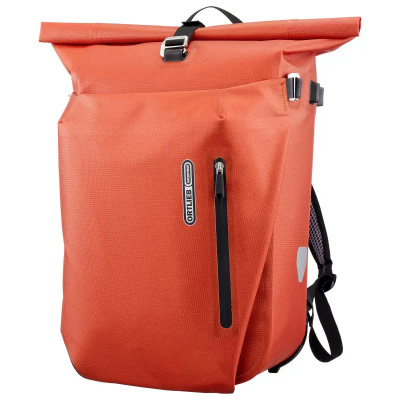
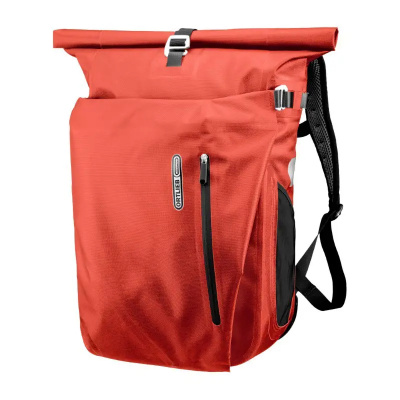
The Commuter Daypack is aimed squarely at riders who need their bag to function at a desk as well as on a bike. It adds a TPU back padding system with ventilation channels - meaningfully cooler against your back on a hard push than the Velocity's foam slab - plus a padded laptop sleeve and external zip pockets for quick-access items like an Oyster card or phone. Those external pockets aren't waterproof, which is a fair trade-off Ortlieb are honest about: the main compartment stays sealed, and the pockets are protected enough for most riding conditions short of sustained downpour. If that compromise bothers you, keep the essentials in the main roll-top section.
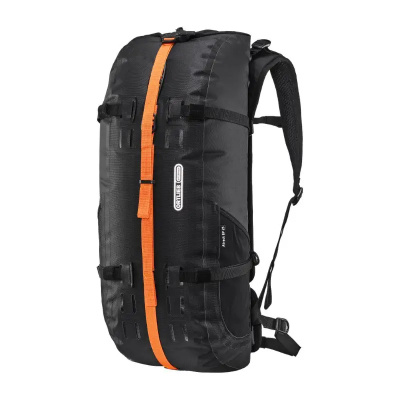
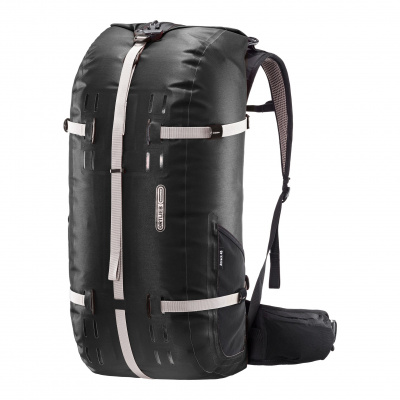
For off-road and bikepacking use, the Atrack series changes the geometry entirely. It's cut to sit closer to your back, uses ergonomic shoulder straps with load-lifter adjustment, and is designed for the kind of all-day carrying that trail riding or loaded touring demands. Volume runs from 25 to 45 litres depending on the variant. If you're comparing options across brands, Deuter rucksacks offer strong competition in the bikepacking-adjacent space, while EVOC rucksacks are worth a look if you want integrated back protection for trail riding. For longer multi-day trips where you're mixing bike and off-bike luggage, pair an Ortlieb rucksack with a set from the Ortlieb Holdalls range to keep everything under the same weatherproofing standard.
Keeping Your Ortlieb in Shape Through a UK Winter
Road salt is the quiet destroyer of cycling kit. It works into zip teeth, degrades adhesives, and leaves a white residue on PU coatings that, if left, can cause surface cracking over time. The good news is that Ortlieb's welded construction is far more resistant to this than stitched bags - there's no thread to wick salt into the seams. But a wipe-down after a particularly grim commute is still worth doing, especially around the roll-top buckles and any external hardware.
Cleaning is straightforward: warm water, mild soap, soft sponge. That's it. Don't machine wash, don't use anything solvent-based, and don't leave the bag to soak. Harsh chemicals strip the PU coating from the inside out, and once that goes, the bag's waterproofing is compromised at a structural level. A quick rinse after a salty ride takes less time than a puncture repair and will add years to the bag's life. For models with TIZIP zippers, run a thin bead of silicone grease along the teeth every couple of months - more frequently through winter. You'll feel the difference immediately; a well-lubricated TIZIP glides, a dry one drags.
If you're commuting in low-light conditions - and in the UK from October through February, you almost certainly are - check whether your chosen model has reflective yarn woven into the fabric or mounting points for a rear light. Several Ortlieb bags include both. It's not a detail to overlook when you're sharing a road with rush-hour traffic. Riders who want maximum coverage at this point might also consider adding Ortlieb Mudguards to keep road spray off the bag as well as themselves. Alternatives like Chrome rucksacks and Altura rucksacks are worth comparing if you want different organisational layouts or price points, though neither matches Ortlieb's welded construction for long-term waterproof integrity.
Ortlieb Rucksacks FAQs
Are Ortlieb backpacks completely waterproof?
Yes. Ortlieb rucksacks use high-frequency welded seams and roll-top closures to achieve an IP64 rating - full protection against dust and heavy water spray from any direction. Select models reach IP67, covering brief submersion. It's a structural waterproofing approach, not a coating that wears off.
How do you clean an Ortlieb rucksack?
Warm water, mild soap, and a soft sponge is all you need. Wipe away road grit and salt residue, rinse, and leave to air dry. Avoid machine washing and solvent-based cleaners - both degrade the PU coating and can compromise the welded seams over time.
What is the difference between the Ortlieb Velocity and Commuter Daypack?
The Velocity is a stripped-back courier bag with a foam back pad and one main compartment - simple, tough, fast to use. The Commuter Daypack adds a breathable TPU back panel, a padded laptop sleeve, and external zip pockets for urban convenience. The Velocity suits riders who want zero faff; the Commuter Daypack suits those who need the bag to work at a desk too.