
Orro Gravel Bikes
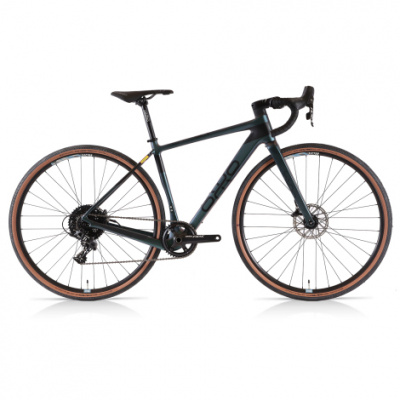
Orro Gravel Bikes come from a brand rooted at the foot of Ditchling Beacon in Sussex, where the South Downs meet rutted bridleways and cracked tarmac in equal measure. The Terra range splits into two clear camps: the Terra C trades on Sigmatex carbon for riders chasing low weight and sharp handling, while the Terra G leans on aluminium for bombproof utility and value. Both share a design philosophy that treats the jump from road to trail as a single, fluid motion rather than a jarring gear change. Integrated cable routing keeps lines clean, generous mud clearance means you won't spend winter weekends scraping clay from chainstays, and the finishing kits - Shimano GRX groupsets, wide tyre clearance, and bikepacking mounting points - reflect a practical understanding of what UK riders actually need. If you're after a bike that handles the commute, the weekend loop, and the loaded overnighter without complaint, the Terra series makes a compelling case.
Prices and availability can change quickly. Delivery charges are not always included in listed prices.
Final price, stock status and delivery terms are set by retailer. We may receive a commission on purchases made.
Engineering the Terra: Sigmatex & Innegra Technology
The Orro Terra C builds its frame from Sigmatex Spread Tow Carbon, a weave that arranges fibres in flat, overlapping bands rather than traditional bundles. The result is a lighter layup with fewer resin-heavy voids, so you get stiffness where it counts - bottom bracket, head tube - without the weight penalty of older carbon schedules. It's the sort of material choice that shows up when you're out of the saddle on a gravel climb or sprinting for a village sign.
Innegra fibres appear in the chainstays and down tube, woven into the laminate to absorb impacts from rock strikes and stone chips. Think of it as insurance for the frame's longevity. Gravel riding throws up debris constantly, and Innegra's shock-damping properties mean the carbon beneath stays intact even after a season of bridleway abuse. It's not a marketing flourish; it's a practical layer that keeps the bike rideable when others would be nursing stress cracks.
The Terra G swaps carbon for aluminium but retains the same attention to durability. The alloy tubes are hydroformed for stiffness, and the frame still gets mudguard and rack mounts, so you're not sacrificing utility for a lower price point. It's a straightforward trade-off: a bit more weight, a lot more resilience, and a bike that won't punish you for leaning it against a stone wall.
Geometry & Handling: The OSD Philosophy
Orro Shape Design - OSD for short - tailors the Terra's geometry to British riding conditions, where a typical loop might include potholed lanes, waterlogged bridleways, and the occasional stretch of singletrack. The head angle sits slacker than a pure road bike, giving you stability when the surface turns loose or you're descending a rutted chalk track. The longer wheelbase adds composure under load, critical if you're carrying frame bags or panniers on a multi-day route.
At the same time, the bottom bracket isn't dropped so low that you're clipping pedals on off-camber corners, and the reach figures keep you engaged rather than stretched. It's a balance that works whether you're threading through traffic on the commute or picking lines down a South Downs descent. The geometry doesn't shout about race pedigree; it just gets on with the job of keeping you upright and confident across a wide spread of surfaces.
Compared to something like a Genesis gravel bike, the Terra feels a shade more road-focused - quicker steering, less touring-bike heft - but it's still planted enough for loaded adventures. If you're cross-shopping with Kinesis gravel bikes, the Orro trades a bit of outright versatility for sharper on-road manners.
Groupset Compatibility and Build Options
The Terra C typically ships with Shimano GRX groupsets, either 1x or 2x depending on the build tier. GRX's clutch derailleur keeps the chain quiet over rough ground, and the hydraulic disc brakes offer consistent power in the wet - essential when you're descending a slick Welsh trail or braking late into a muddy corner. Higher-spec models sometimes spec SRAM AXS for wireless shifting, though the electronic setup adds cost and battery management to your maintenance routine.
Tyre clearance sits around 42mm on 700c wheels, enough for something like a Panaracer GravelKing SK or a WTB Resolute. That width gives you grip in mud and cushioning on broken tarmac without the sluggishness of a full MTB tyre. Some riders fit 650b wheels for even fatter rubber, though you'll need to check specific frame tolerances before ordering a wheelset. The internal cable routing keeps lines clean and reduces the chance of snagging a bag strap or mudguard stay, a small detail that matters when you're loading the bike for a weekend away.
Wheel compatibility extends to standard road hubs, so you're not locked into proprietary parts. Freehub bodies accept Shimano HG or SRAM XDR cassettes depending on the spec, and the through-axle standards - 12mm front and rear - mean wheel swaps are quick if you're running separate sets for road and gravel duties.
Seasonal Versatility: Mudguards and Mounting Points
The Terra series earns its keep as a four-season machine. Full-length mudguard mounts mean you can fit SKS or Crud guards for winter training without resorting to clip-on bodges that rattle loose after the first puddle. Rack mounts on the rear triangle and fork eyelets open up bikepacking and touring options, so the same bike that handles your Sunday loop can carry you across the Highlands or down the Ridgeway with a loaded frame bag and rear panniers.
Extra bottle cage bosses inside the front triangle let you carry three bottles on long summer rides, or you can strap a tool roll or spare tube there instead. It's the sort of practical thinking that makes the bike genuinely versatile rather than just marketing it as such. If you're looking to round out your kit, Orro's road bikes share the same design language, so you can run a matched stable if that appeals.
The Terra handles winter commutes without drama. Fit some 38mm tyres with a bit of tread, add guards, and you've got a bike that shrugs off November slop and keeps rolling when the forecast turns grim. It's not as plush as a full-suspension setup, but it's a lot lighter and faster when the road opens up. Compared to something like a Boardman gravel bike, the Orro feels a bit more refined in the finishing kit, though both will get you through a wet Peak District loop without complaint.
The Terra C suits riders chasing performance across mixed surfaces - think fast club rides that detour onto gravel, or sportives with off-road sections. The Terra G makes more sense if you're prioritising durability and value, or if the bike will spend time locked up outside the office. Either way, you're getting a frame that's been designed with British riding in mind, where the weather and the road surface are both unpredictable. If you're cross-shopping with brands like Cannondale or Giant, the Orro offers a more UK-specific geometry and a bit more attention to the details that matter when you're actually out riding rather than posing in the car park.