
Orbea Hybrid Bikes
Orbea hybrid bikes come out of the Basque Country with a clear idea of what a fast, practical urban bike should be - and they've got the engineering chops to back it up. Whether you're threading through gridlocked city streets, clocking up fitness miles on a weekend loop, or committing to a year-round commute in typically grim British weather, Orbea's flat-bar lineup covers the bases without padding the spec sheet with unnecessary weight.
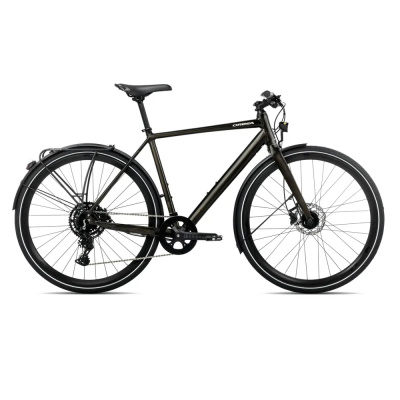
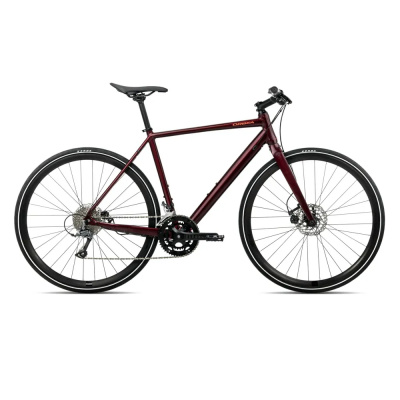
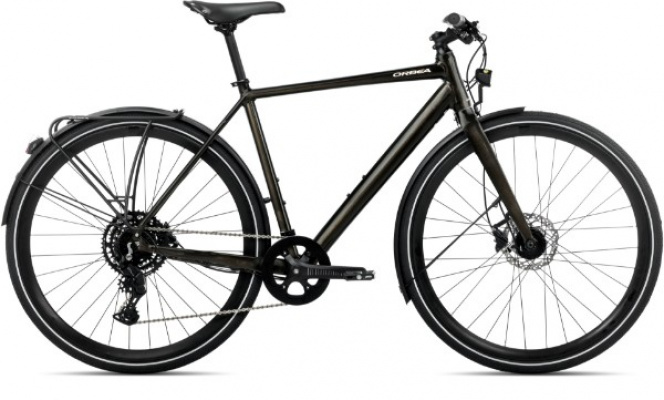
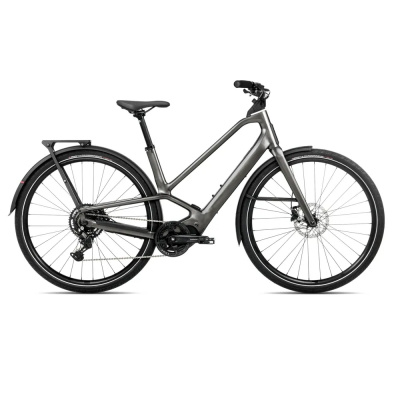
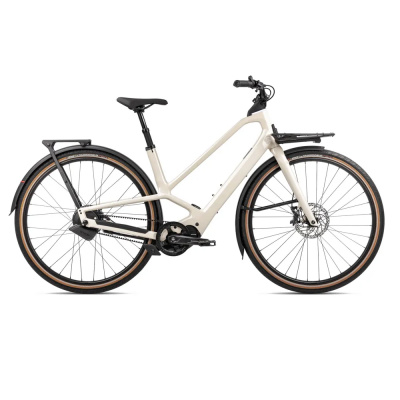
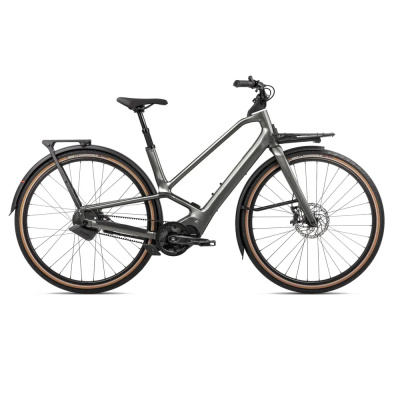
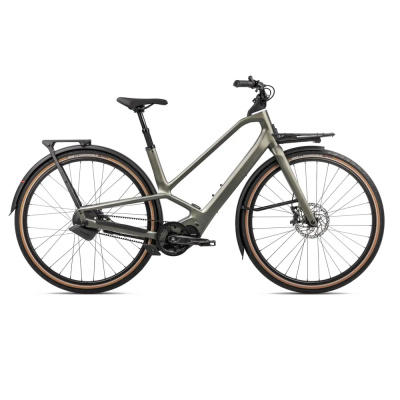
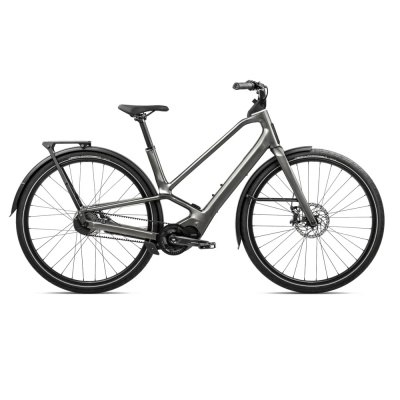
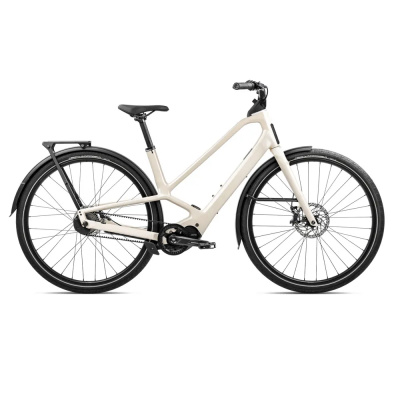
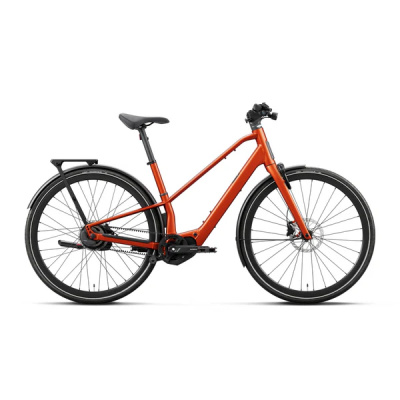
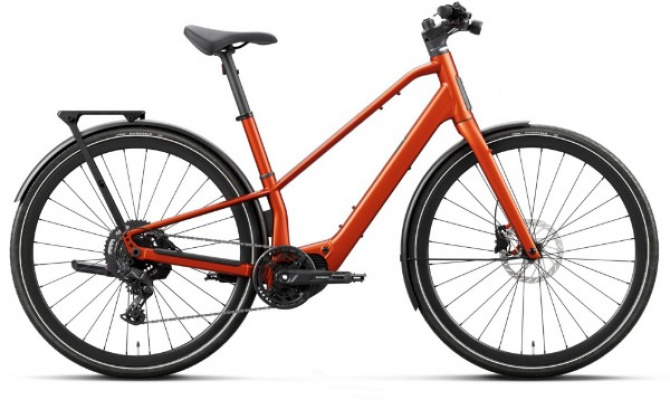
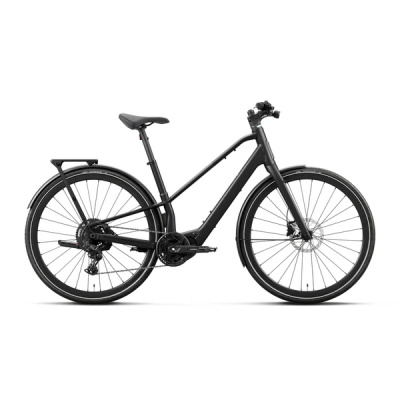
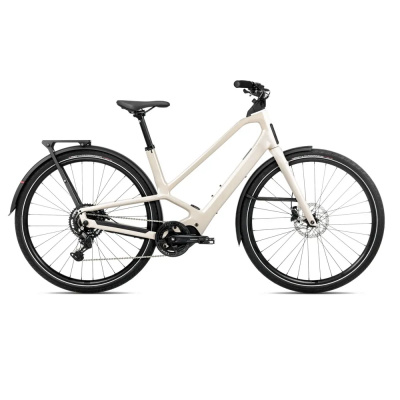
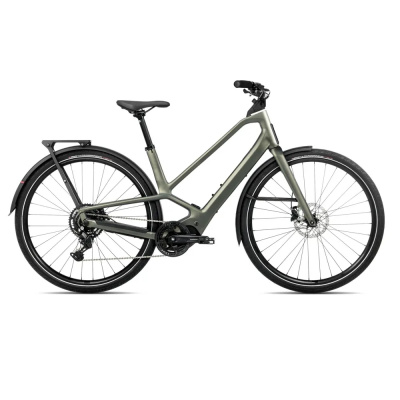
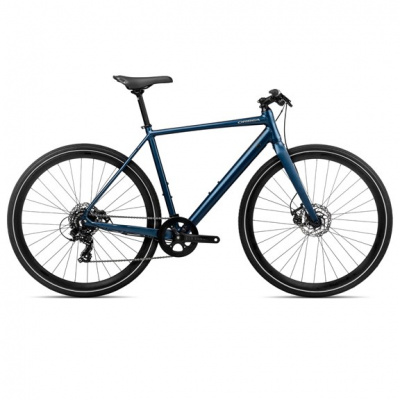
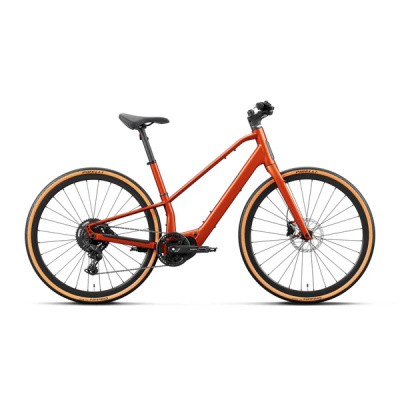
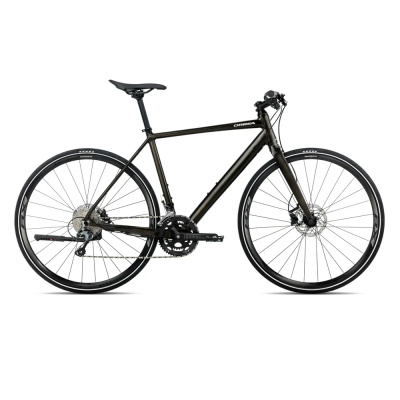
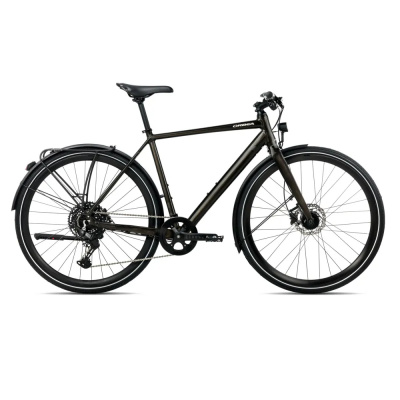
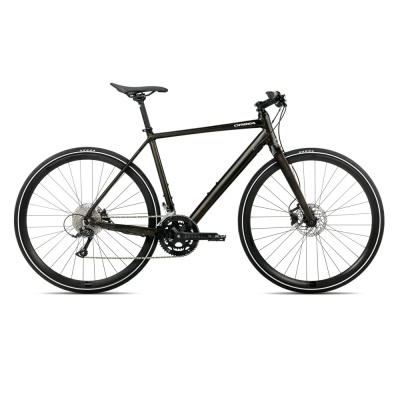
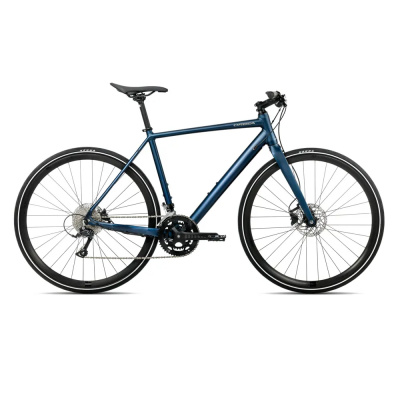
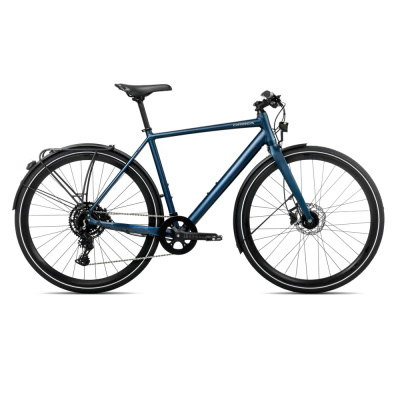
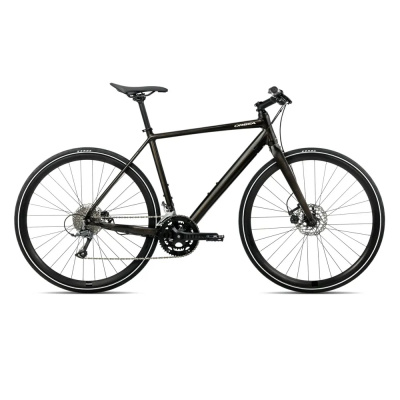
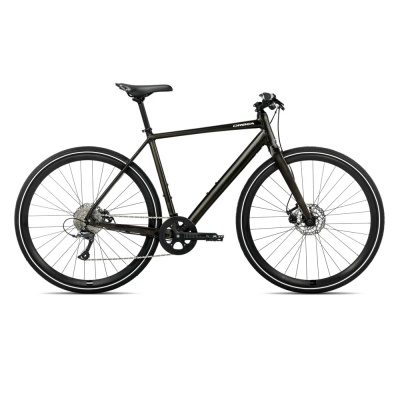
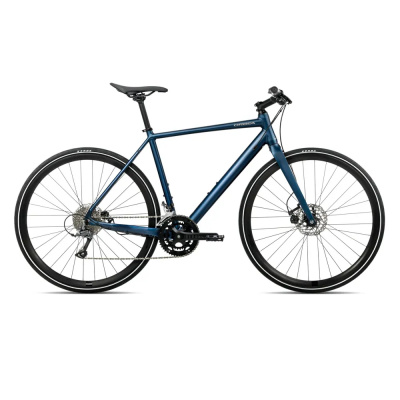
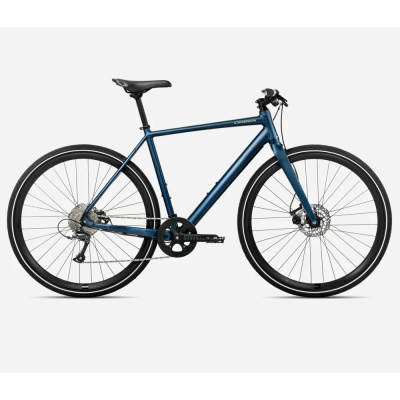
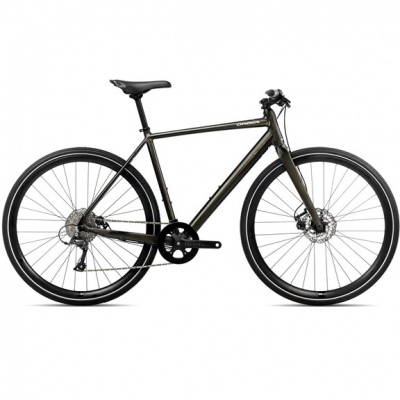
Three ranges do the heavy lifting here. The Vector leans into speed - it's essentially a flat-bar road bike that happens to work brilliantly as a fast commuter. The Carpe takes a more pragmatic line, prioritising city utility with mounts for mudguards, racks, and lights straight out of the box. Then there's the Vibe, Orbea's stealthy electric hybrid - lightweight, tidy, and a long way from the bulky e-bikes cluttering up most cycle lanes.
All three families share Orbea's commitment to clean, well-resolved design. Hydroformed aluminum frames, reliable hydraulic disc brakes, and thoughtful geometry make these bikes genuinely quick to live with. If you want something that doesn't feel like a compromise between speed and sense, you're in the right place.
Prices and availability can change quickly. Delivery charges are not always included in listed prices.
Final price, stock status and delivery terms are set by retailer. We may receive a commission on purchases made.
Decoding the Orbea Hybrid Lineup
Orbea's hybrid range splits into three distinct families, and knowing which one suits your riding makes all the difference. The Vector is the quick one. Think aggressive-ish flat-bar road bike - twitchy enough to slice through traffic but stable enough for longer weekend fitness rides. It's the choice if your commute doubles as a workout and you'd rather arrive slightly breathless than merely on time.
The Carpe trades a bit of that urgency for day-to-day practicality. The riding position is marginally more upright, which keeps your shoulders relaxed and your eyes up in traffic. Crucially, many Carpe models come commuter-ready - pannier mounts, integrated light mounts, and clearance for mudguards are baked in rather than bolted on as an afterthought. It's the one to grab if your bike needs to carry laptop bags and survive a British winter without complaint.
Then there's the Vibe. Orbea's answer to the question of whether an electric hybrid has to look like an electric hybrid. It doesn't. The Vibe carries its motor and battery with genuine discretion, and the weight stays low enough that it doesn't ride like a slab. If you've got a hilly commute - say, anything involving a proper climb out of the city at 5pm - the Vibe makes the daily calculation a lot easier.
One thing worth knowing about Orbea's naming convention: lower model numbers generally signal higher-spec components. So a Vector 10 sits above a Vector 30, for example. It's the opposite of what you might expect, so worth double-checking before you buy.
Frame Engineering Worth Knowing About
Orbea's hydroformed aluminum tubing is the core of what makes these bikes feel sharper than their price suggests. Hydroforming lets Orbea vary the wall thickness along the tube's length - thicker where strength matters, thinner where it doesn't. The result is a frame that saves meaningful weight without going soft under hard pedalling efforts. It's a step up from basic extruded alloy, and you can feel it in the way the bike responds when you put power down.
The geometry across the range is what Orbea calls Urban Geometry - a calibrated compromise between an upright position that lets you see over traffic and a posture efficient enough that you're not fighting the bike on longer rides. It avoids the two failure modes of many city bikes: the bolt-upright cruiser that's exhausting over distance, and the slammed-stem road bike that's miserable in stop-start traffic. Internal cable routing keeps everything looking clean and, more practically, reduces the number of places for road grime to accumulate and cause cable drag over time.
Carbon forks appear on higher-spec models in the Vector range, which takes the edge off road buzz on surfaces that would otherwise rattle your hands numb. On the Carpe and Vibe, the focus shifts to compliance through tyre volume rather than fork material - a sensible trade-off given the priorities of those bikes.
Living with an Orbea Hybrid on British Roads
UK roads demand a realistic spec. Potholed city streets and rough B-roads chew through narrow tyres and punish stiff setups, so the fact that the Vector accommodates up to 40c tyres is genuinely useful - not just a spec-sheet footnote. Running a 35c or 38c tyre on commuter routes around Manchester or Edinburgh absorbs the kind of chatter that would have you picking a new route within a week on a skinny-tyred bike. It also buys you meaningful pinch-flat protection, which matters when you're locked into a commute schedule.
Wet weather is where the hydraulic disc brakes earn their keep. Rim brakes in autumn rain on a greasy descent are a test of nerve. Hydraulic discs just work, consistently, regardless of what the sky is doing. Orbea fits them across the range at most price points, which is the right call for Orbea commuter bikes UK riders are going to rely on daily.
The hidden mudguard and pannier mounts on the Carpe are worth more than they look on the spec sheet. Being able to run a full-length mudguard set-up means you arrive dry rather than with a stripe of brown water up your back. Add a rear rack and a set of panniers and the Carpe becomes a genuinely load-capable commuter without needing to bolt on aftermarket hardware that looks like it arrived from a different bike entirely.
On drivetrain care - and this applies whether you're on a Vector or a Carpe - the Shimano drivetrain components Orbea specifies are durable, but British road grit is relentless. A wet lube applied to the chain every couple of weeks keeps the shifting crisp and extends chainring life considerably. It's a five-minute job that saves a much more expensive one down the line.
If you're comparing options, Cube hybrid bikes offer similarly well-resolved urban geometry and are worth a look at overlapping price points. Giant hybrid bikes bring a broader range of frame sizes to the table, which matters if you're at either end of the sizing spectrum. And Boardman hybrid bikes are a strong domestic alternative if you're after flat-bar fitness bikes with aero-influenced design. For a more trail-influenced take on urban riding, Marin hybrid bikes are worth considering. The Orbea range holds its own against all of them - the frame quality and finish are noticeably good for the money, particularly on mid-spec models. If you've got younger riders to kit out at the same time, Orbea kids bikes carry the same build quality through to the smaller sizes.
Related searches:
Orbea Hybrid Bikes FAQs
Are Orbea hybrid bikes good for commuting?
Yes, particularly the Carpe and Vector. Both are designed around urban geometry that keeps you visible and comfortable in traffic, and both offer hydraulic disc brakes, mudguard mounts, and pannier compatibility. The Carpe leans further into utility; the Vector suits riders who want a faster, more fitness-oriented Orbea commuter bike.
What is the difference between the Orbea Vector and Carpe?
The Orbea Vector vs Carpe split comes down to intent. The Vector is built for speed - a flat-bar road bike that doubles as a rapid commuter. The Carpe is more city-practical, with a slightly more relaxed riding position and commuter accessories like racks and lights integrated from the start. Choose the Vector for fitness; choose the Carpe for utility.
Where are Orbea bikes manufactured?
Orbea designs and assembles its bikes in Mallabia in the Basque Country, Spain. It's a co-operative with serious European manufacturing credentials and a rigorous approach to frame testing - not a brand that outsources its identity.