
Oneup Pedals
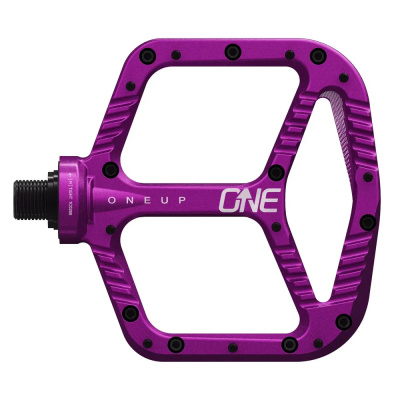
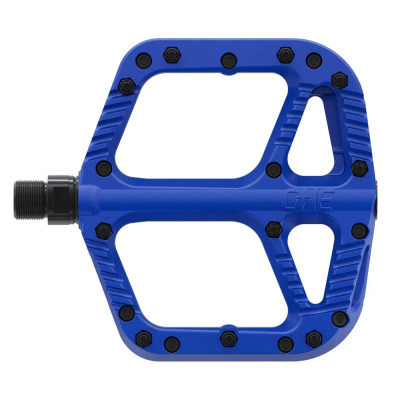
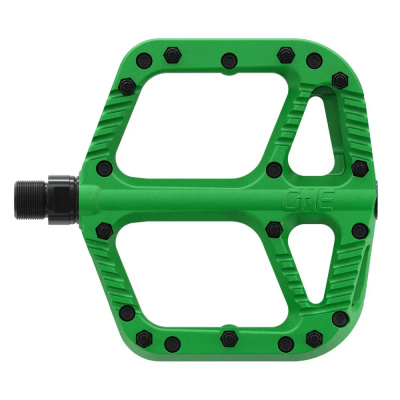
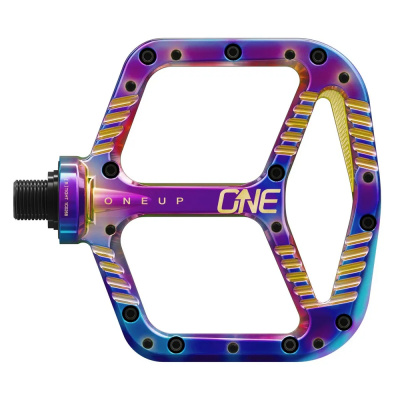
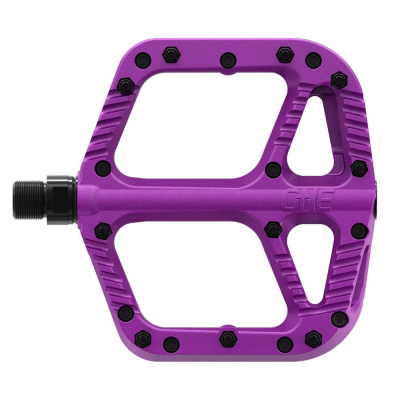
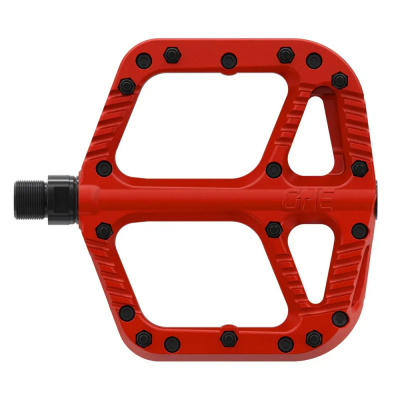
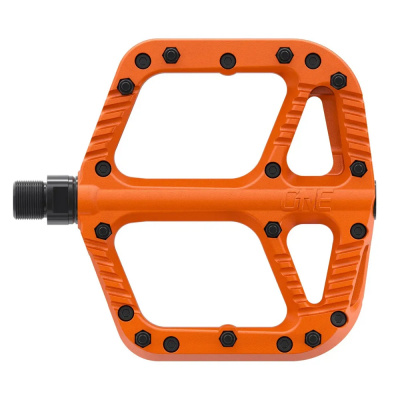
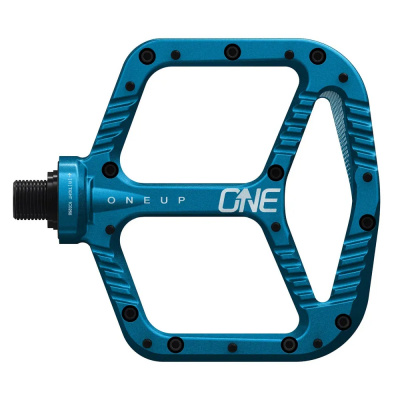
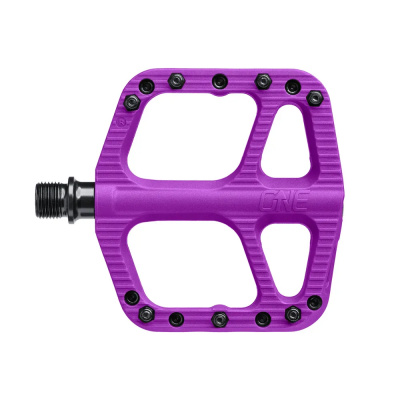
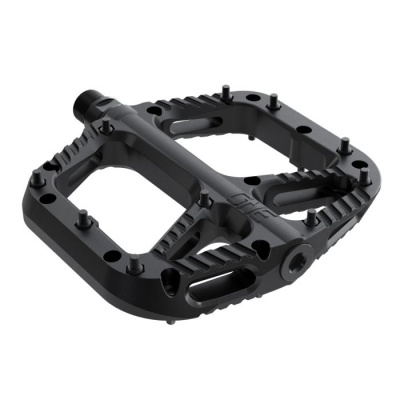
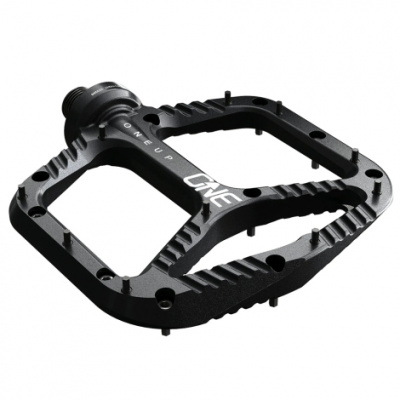
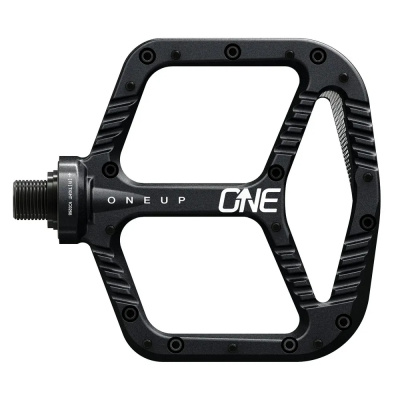
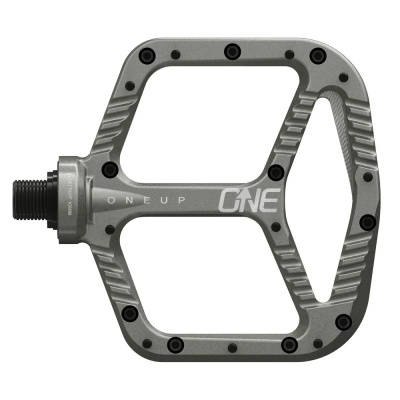
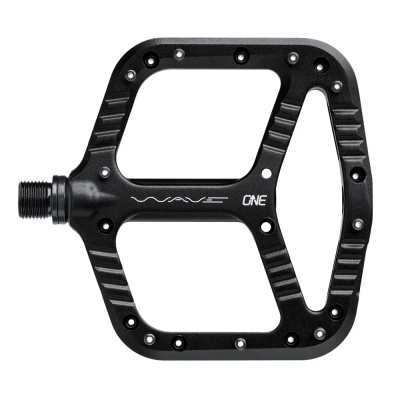
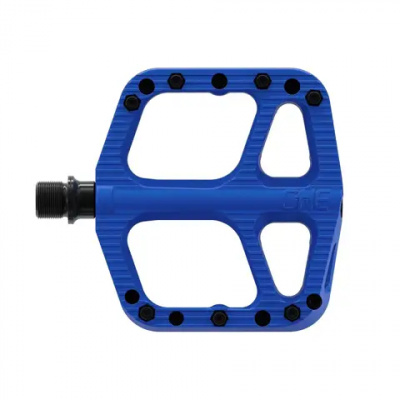
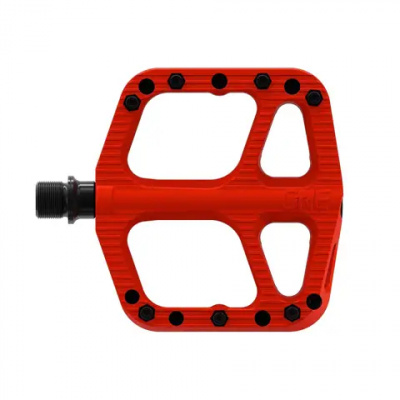
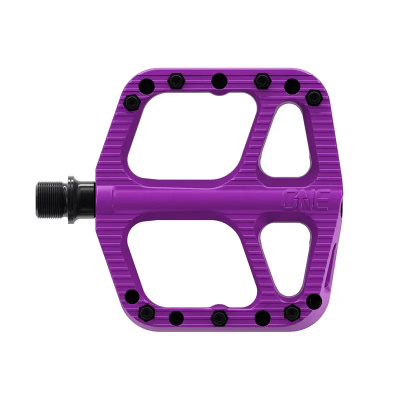
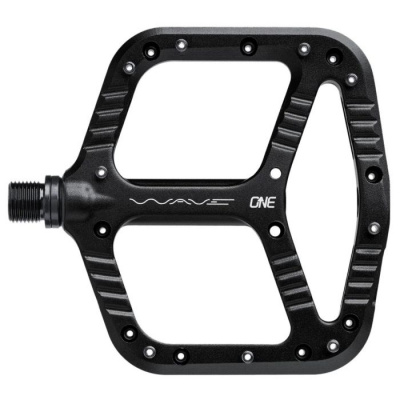
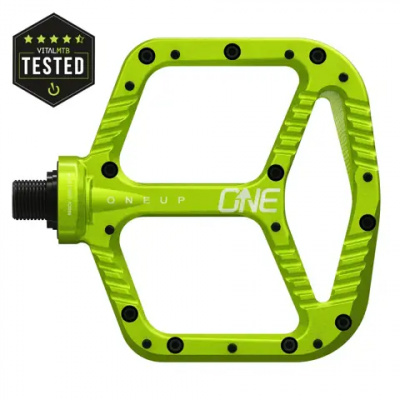
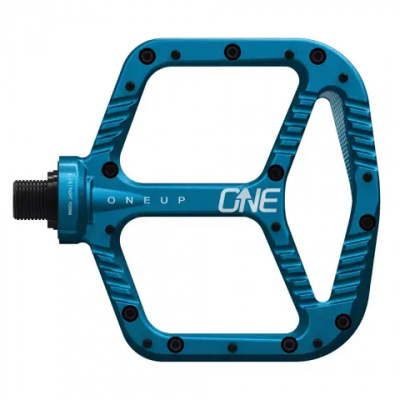
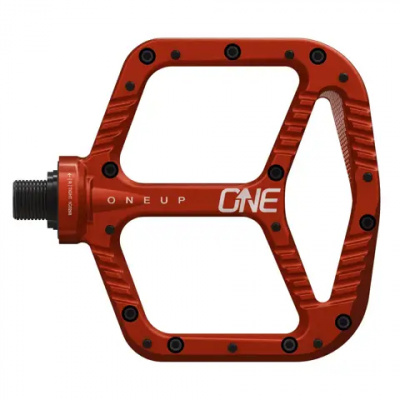
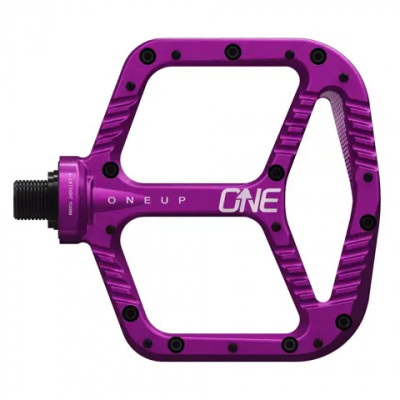
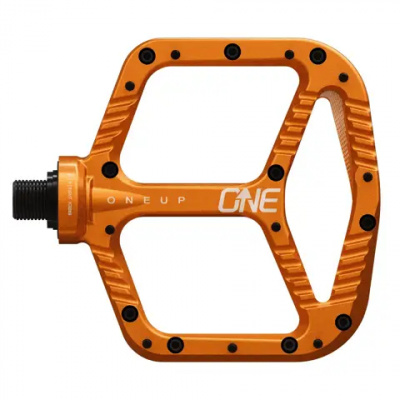
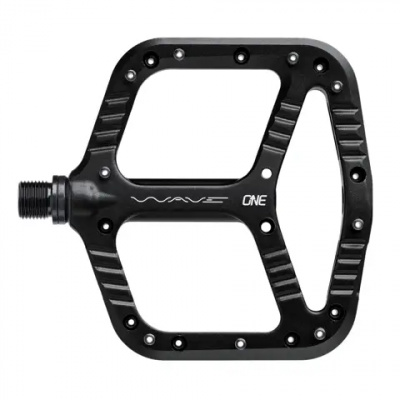
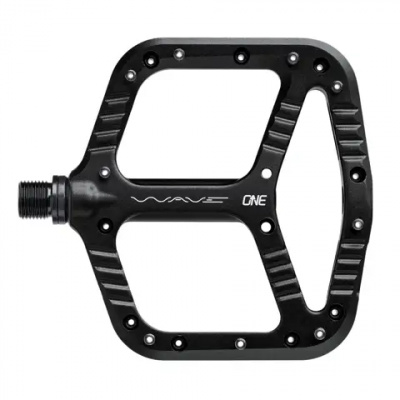
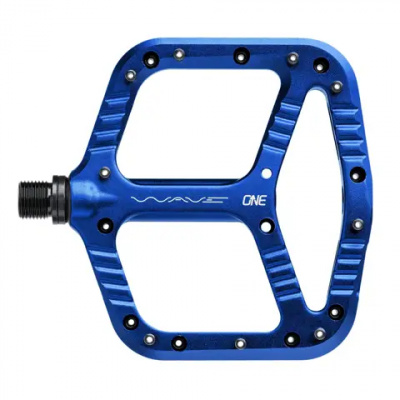
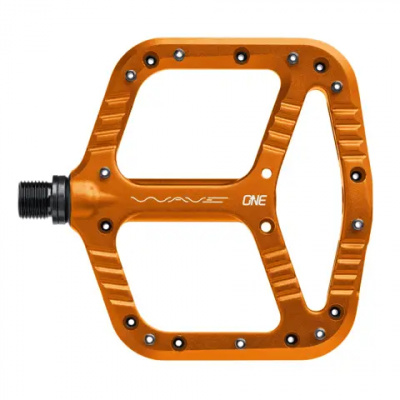
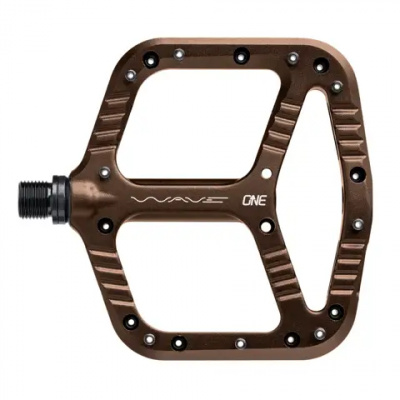
OneUp Pedals have become the flat pedal of choice for riders who want a genuinely thin platform without sacrificing grip or durability. The numbers tell part of the story - an alloy leading edge as thin as 8mm means fewer rock strikes on technical trail sections - but it's the combination of platform size, pin placement, and build quality that keeps riders coming back. Both the Aluminum and Composite versions share a 115x105mm platform with ten hexagonal threaded pins per side, so there's no compromise on traction whichever model suits your budget. The Aluminum sits at the premium end: CNC-machined, fully sealed, and built for riders who want the thinnest possible profile and a tool-assisted service path. The Composite trades a few millimetres of thickness for significantly better value and a nylon body that glances off rocks rather than grabbing them. Either way, you're getting a pedal that handles wet, rooty UK riding without drama. If you're running a clipless setup, head over to our dedicated OneUp page for related hardware. For everyone else, here's how the range breaks down.
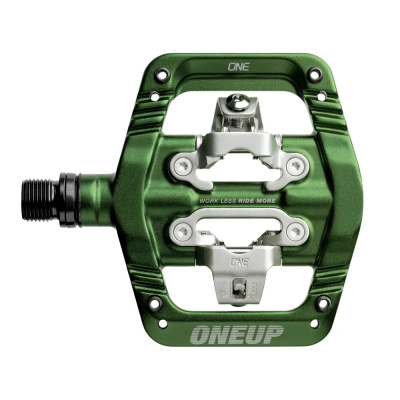
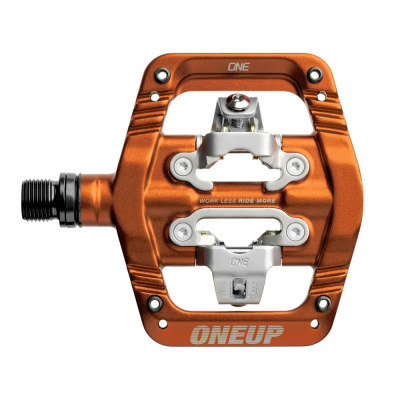
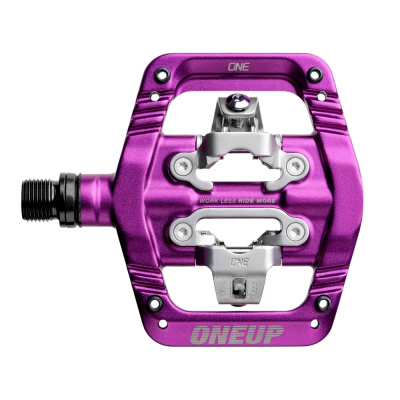
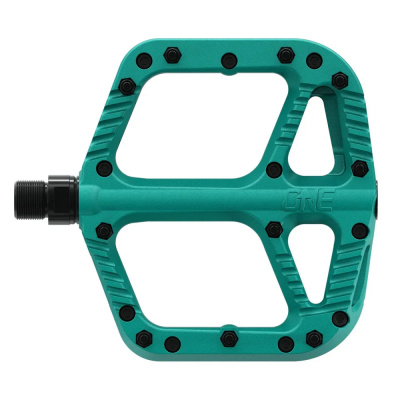
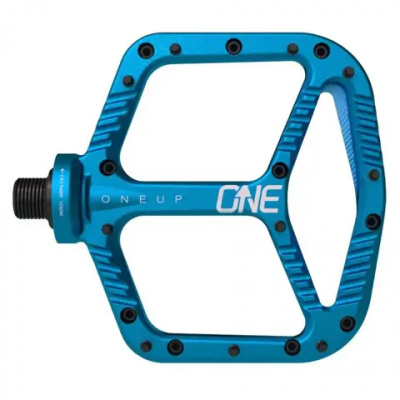
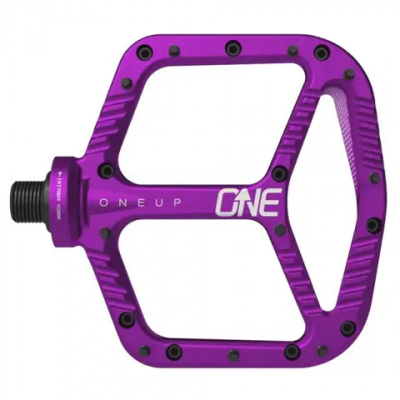
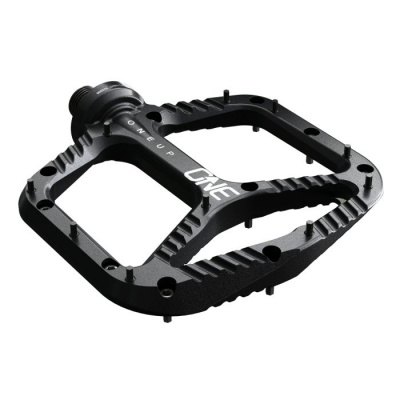
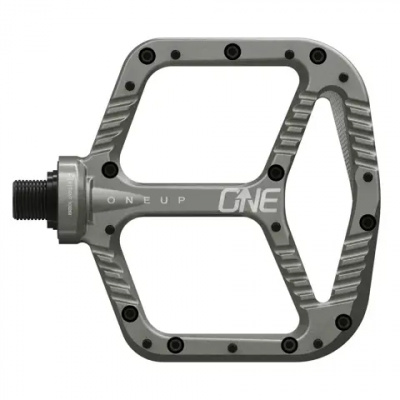
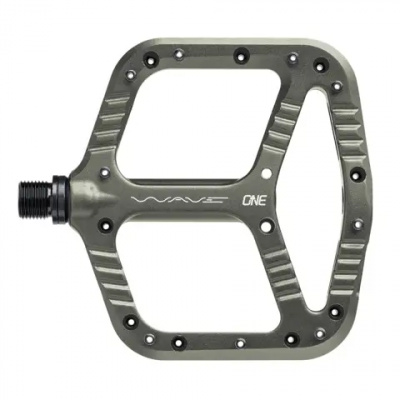
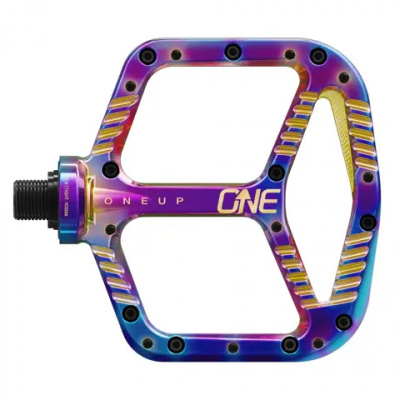
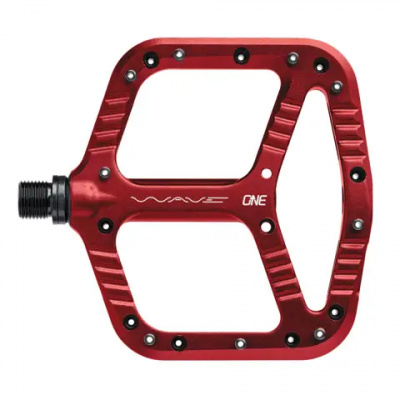
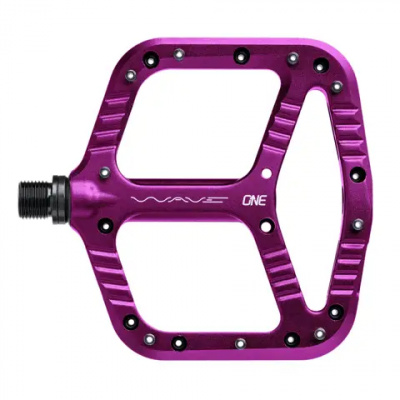
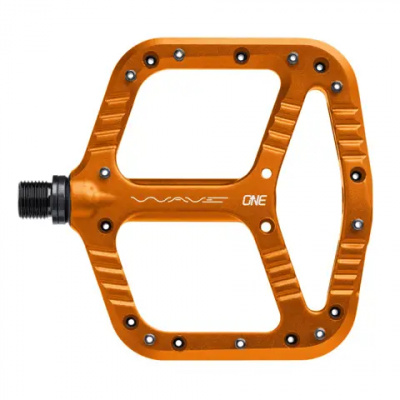
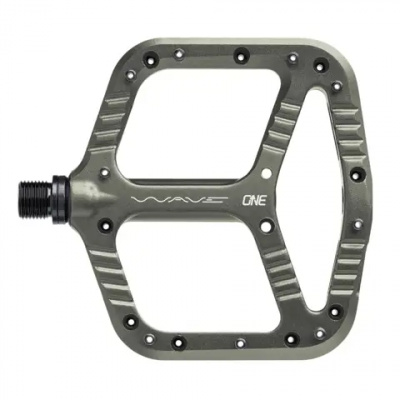
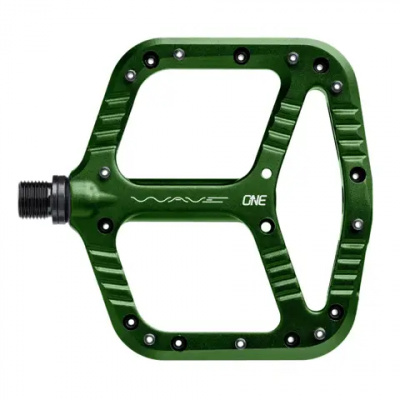
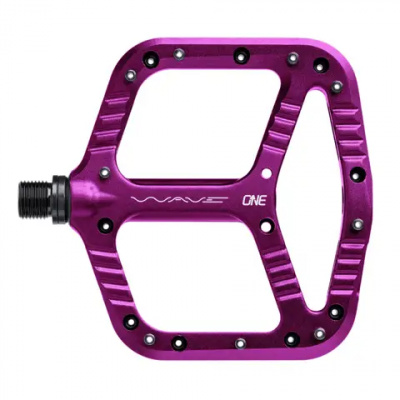
Prices and availability can change quickly. Delivery charges are not always included in listed prices.
Final price, stock status and delivery terms are set by retailer. We may receive a commission on purchases made.
Compatibility and Fitting Basics
Every pedal across the OneUp range uses a standard 9/16 thread chromoly axle, so they'll fit any modern MTB crankset without adapters or fuss. The platform measures 115x105mm - wide enough that most riders don't have to think about foot placement mid-descent, which matters when you're picking a line through loose rock rather than shuffling your feet. Q-factor sits in a neutral position that works across most crank widths without pushing your stance unnaturally wide.
One installation detail worth getting right: always apply anti-seize compound or waterproof grease to the axle threads before fitting, especially into alloy cranks. Bare steel threads in alloy can gall over time, and getting a seized pedal out of a carbon or alloy crankarm is nobody's idea of a good Sunday morning. Left pedal is reverse-threaded, as always - tighten anti-clockwise, loosen clockwise. Running a clipless setup? Head over to our dedicated OneUp Stems page to find the exact hardware you need for your shoes.
Alloy vs Composite: What the Price Gap Actually Buys You
The honest answer to "which OneUp should I buy" depends on how much rock armour your local trails have. The OneUp Aluminum Pedal is CNC-machined from 6061 alloy, runs 8 - 12mm at its thinnest edge, and weighs in at around 355g per pair. Internals are fully sealed cartridge bearings with a cassette lockring tool interface - more on that below - and the convex profile contours gently to the natural arch of the foot, which sounds like marketing until you ride a flat pedal for six hours and notice your feet aren't as fatigued.
The OneUp Composite Pedal runs 13 - 18mm at the leading edge. Still notably thinner than older-generation flat pedals from several competitors, but not quite razor-thin. The body is injection-moulded nylon composite, which has a practical benefit beyond cost: it flexes rather than cracks on hard impacts, and tends to deflect off sharp rocks rather than catching. Internals use a DU bushing plus cartridge bearing combination - serviceable, dependable, not quite as refined as the alloy version over a long lifespan of hard riding. Both models share the same platform dimensions and the same ten-pin-per-side layout, so grip levels are broadly comparable on the trail.
Where does this leave you? If you're regularly riding chunky natural trail, the alloy's thinner profile genuinely reduces pedal strikes on low-clearance lines. If you're on a budget or you prefer a pedal that bounces off rocks rather than denting on contact, the composite is a seriously capable option - and it's the one most often recommended for bike park sessions where pedal knocks are a given. Riders stepping up from DMR Pedals or Burgtec Pedals will find the OneUp platform immediately familiar in size, but noticeably slimmer at the edge.
Holding Up Through UK Winters
British riding is a particular kind of abuse. Peak District grit mixed with clay creates an abrasive paste that works into bearing seals over a winter season; wet Welsh slate and off-camber roots demand that pins bite consistently, not just when conditions are kind. OneUp pedals handle this well, but they're not maintenance-free - nothing is after a proper muddy autumn.
For the alloy version, check for axle play roughly every 50 hours of wet riding. Grab the platform and try to wobble it laterally; any noticeable movement means the bearings or DU bushing need attention. The clever part of OneUp's design here is the cassette lockring tool interface - the same tool you use to swap a cassette fits the axle assembly on the alloy pedal, so you can pull it apart at home without specialist workshop kit. Clean out the old grease, inspect the cartridge bearings for roughness, repack, and reassemble. Job done in twenty minutes with tools most riders already own.
The composite version uses an 8mm socket to remove the axle nut at the end of the pedal body, sliding the axle out for greasing or bushing replacement. Slightly less elegant, but equally achievable at home. Pins on both versions are replaceable individually - worth doing when worn pins start to feel slick rather than buying a whole new pedal. When it's time for a service, we stock everything you need to get your pedals spinning like new. Check out our OneUp Dropper Posts page for the full OneUp ecosystem, and look for the OneUp Pedal Spares section for replacement pins, bearing kits, and axles.
If you're comparing on longevity, Hope Pedals are another UK-friendly option with a strong spares and service culture - though they run a different platform geometry. Crank Brothers Pedals come up in the clipless conversation rather than flat, so for like-for-like platform comparisons, OneUp's closest rivals remain in the alloy flat pedal bracket. Rounding out your contact points? The OneUp Handlebars are worth a look if you're already sold on the brand's approach to reducing weight without cutting corners on strength.
Oneup Pedals FAQs
What is the difference between OneUp alloy and composite pedals?
The alloy version is CNC-machined, thinner at 8 - 12mm, and uses fully sealed cartridge bearings accessed via a standard cassette lockring tool. The composite runs 13 - 18mm thick, uses a nylon body with a DU bushing and cartridge bearing combo, and costs considerably less. Both share the same 115x105mm platform and ten pins per side, so grip on trail is closely matched.
How do you service OneUp pedals?
For the alloy model, use a cassette lockring tool to remove the axle assembly, clean out old grease, inspect the cartridge bearings, and repack. For the composite, an 8mm socket removes the axle nut at the pedal's end, letting you slide the axle out for greasing or bushing swap. Check for lateral axle play every 50 hours of wet riding and act before it worsens.
Are OneUp composite pedals good for enduro?
Very much so. The 115x105mm platform and ten steel pins per side give you the same foothold as the alloy version, and the nylon composite body tends to glance off rocks rather than catch on them - which matters when pedal clearance is tight on steep, rocky enduro stages. The composite also absorbs hard knocks without cracking, making it a practical choice for high-impact riding.