
Oakley Aero TT Helmets
Oakley Aero TT Helmets sit at the sharper end of what marginal gains can actually deliver on a time trial course. These are lids engineered around wind tunnel testing, magnetic Prizm™ visors, and fit systems precise enough to hold position through 40 kilometres of threshold effort. If you're pinning a number on for a club 10 or lining up at a triathlon start pontoon, the aerodynamics here are doing real work, not cosmetic work.
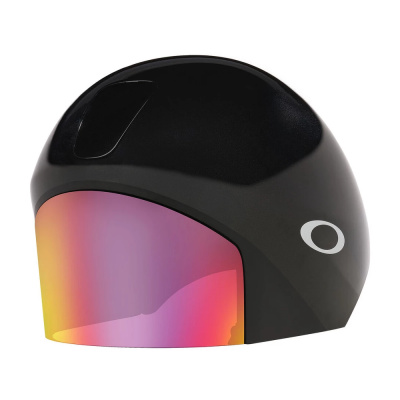
The short-tail design is the headline. When your head drops into a TT tuck, the tail sits flush against your back rather than catching air like a rudder - that's drag reduction you can actually measure. Oakley pairs that shape with a BOA® 360 fit system that lets you micro-adjust tension without pressure points, and MIPS brain protection that adds rotational impact management without compromising the aero profile.
Then there's the optical side. Oakley's Prizm™ lens technology reads the road with genuine contrast and definition, and the magnetic attachment means swapping visors between a misty Yorkshire morning start and a sunlit finishing straight takes about three seconds. Plutonite® visor material keeps the optics impact-resistant throughout. These helmets are built to perform across the full range of conditions UK riders actually face.
Prices and availability can change quickly. Delivery charges are not always included in listed prices.
Final price, stock status and delivery terms are set by retailer. We may receive a commission on purchases made.
Drag Reduction, Visor Tech, and Wet Morning Performance
The aerodynamic case for a dedicated TT lid starts with the shell shape. Oakley's short-tail geometry is a deliberate response to how real riders actually ride - head angle shifts during a long effort, crosswinds come from nowhere on an exposed dual carriageway, and a long trailing tail that made sense in a wind tunnel can become a sail in a Fenland headwind. The shorter tail stays in clean airflow across a wider range of head positions, which matters more in practice than the peak numbers suggest.
The magnetic Prizm™ visor integration is worth understanding properly. Rather than sitting proud of the shell and creating its own turbulence, the visor is designed to sit flush within the helmet's profile, smoothing airflow across the face section. Prizm lens technology itself filters specific wavelengths to sharpen road surface contrast - you pick up tarmac texture, painted lines, and surface changes faster, which has a real effect on confidence at race pace. The Plutonite® visor material adds impact resistance without the optical distortion you sometimes get from cheaper polycarbonate.
For UK riders, the anti-fog coating on the clear visor is genuinely useful. Early morning triathlon transitions are humid. A lens that clouds over the moment you exit the water is worse than no visor at all. The ventilation channels in Oakley's aero helmets are calibrated to balance heat management with drag - you're not going to get the airflow of an open-vented road lid, but the channels are positioned to draw heat away during sustained high-intensity efforts rather than trapping it. On a warm day at a UK sportive or a long course tri, that matters.
The BOA Fit System and Choosing the Right Model
Getting the fit right on an aero TT helmet is more consequential than on a standard road lid. A helmet that shifts even slightly during a race doesn't just feel unsettling - it moves out of its optimal aero position. The BOA® 360 fit system addresses this with a dial-based micro-adjustment that applies even tension around the full circumference of your head, rather than just tightening a rear cradle. You can dial in fit while the helmet is on your head, which means you can fine-tune it on the start line if needed.
The helmet should sit low on the forehead - roughly two fingers above the eyebrows - and the tail should contact or sit very close to your back when you're in your race tuck. If you're new to TT lids, it's worth spending time dialling this in before race day rather than discovering the tail is catching air mid-effort. The BOA system makes this iterative adjustment straightforward.
The Oakley ARO7 is the flagship here - the Oakley ARO7 triathlon helmet is the model most riders will be looking at for full-distance tri or competitive time trialling. It pairs the full short-tail aero shell with both visor options and the complete BOA fit architecture. If your riding sits outside the TT and tri bracket - sportives, road racing, gravel, trail - those disciplines call for a different type of lid. For standard vented helmets, head over to the main Oakley Helmets collection, which covers Oakley's road and trail range. This page focuses on time trial racing specifically.
For context against the broader aero helmet market, Giro aero TT helmets and KASK aero TT helmets offer their own approaches to tail length and visor integration - worth a look if you're comparing fit profiles across brands, since head shape interacts with aero shell geometry in ways that vary between manufacturers.
Riding UK Courses and Keeping the Kit Right
Crosswind stability is the underrated conversation in aero helmet choice. The short-tail design on Oakley's TT lids performs noticeably better than long-tail alternatives when the wind is coming from three-quarters - the kind of unpredictable gusting you get on exposed courses in the Fens, the Somerset Levels, or any coastal time trial. Less tail means less leverage for the wind to push your head around, which translates directly to steadier handling and less muscular effort fighting the bars.
After a hard effort, the EPS foam liner needs care. Don't use solvent-based cleaners - warm water and a soft cloth is all you need for sweat and road grime. The foam can absorb salt from sweat over time, which degrades it, so a rinse after particularly heavy sessions extends the liner's integrity. Let it air dry away from direct heat; a sunny windowsill sounds convenient but prolonged UV exposure ages the foam faster than it should.
The Prizm visor needs more careful handling. Plutonite® is impact-resistant but the optical coating scratches if you wipe it dry with fabric. Always rinse with clean water first, then use a microfibre cloth or the supplied bag if one's included. Store visors in their case or wrapped in soft fabric - loose in a kit bag is how coatings get wrecked. If you're running both the clear and tinted visors across the season, keep track of which sees the most use and replace before the coating starts to show wear rather than after.
To complete the race setup, Oakley's own sunglasses are designed around the same Prizm lens system, so if you're transitioning between helmet-visor and eyewear during a race, the optical experience stays consistent. Pairing with Oakley bib shorts and an Oakley jersey built around aero seam placement rounds out a system where every component is at least thinking about drag. Whether you go full brand coordination or mix and match, the helmet is doing the heavy lifting aerodynamically.
If you're weighing Oakley against the wider field, MET aero TT helmets are another option worth putting alongside in terms of shell profile and visor coverage - the fit characteristics differ, and it comes down to which sits better on your specific head shape when both are dialled in correctly.
Oakley Aero TT Helmets FAQs
Are aero helmets worth it for time trials?
Yes - and they're arguably the highest return single purchase you can make in a TT kit bag. By smoothing airflow over your head and shoulders, a well-fitted aero lid reduces drag meaningfully and can trim genuine seconds from your personal best. The watts saved per pound spent compares favourably to most other aero upgrades.
How should an Oakley aero TT helmet fit?
Sit it low on the forehead - roughly two fingers above the eyebrows - and use the BOA® dial to apply even tension without pressure points. The key check is in your race position: when you drop into your aero tuck, the tail should sit flush against your back. If it's lifting or catching air, adjust your head angle or dial down the fit until it locks in correctly.
Do Oakley TT helmets come with different visors?
Premium models like the Oakley ARO7 typically include two magnetic Prizm™ visors - a Prizm Road tinted lens for bright conditions and a clear Plutonite® lens for low-light or overcast starts. The magnetic attachment makes swapping between them straightforward, which is useful given how quickly British weather shifts across a single race morning.