
Northwave Jackets
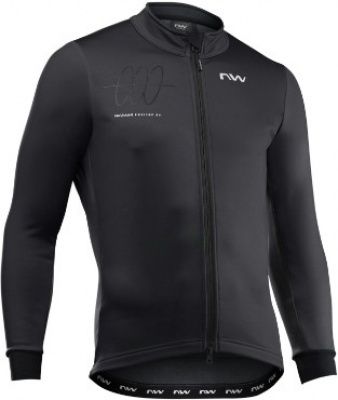
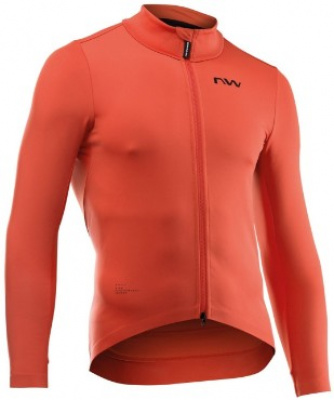
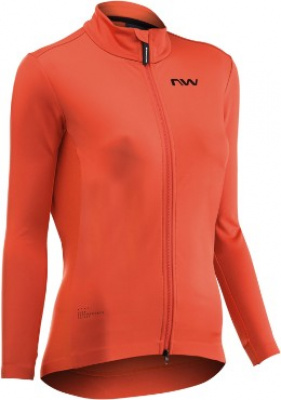
Northwave cycling jackets earn their place in your kit bag by pairing Italian construction with weather protection that actually holds up when a February ride turns properly grim. The range covers a lot of ground - from featherlight packable shells you can fold into a back pocket before a long climb to heavily insulated winter jackets built to hold your core temperature steady during sub-zero base miles on exposed roads.
The fabrics are where Northwave puts in the serious work. Their H2O Flex membrane delivers four-way stretch waterproofing, so the jacket moves with you rather than fighting your pedal stroke. For colder riding, Polartec Alpha and Primaloft insulation keep warmth consistent without the dead, suffocating weight of older synthetic fills - critical when you're generating heat on a Welsh climb but still need protection on the descent. DWR coating sits on the outer face to bead standing water off before the membrane even has to work.
Ergonomics are cycling-specific throughout. Road cuts use a race fit with a drop tail to cover your lower back in an aggressive position, while MTB jackets allow more movement for technical riding. Whether you're threading Peak District lanes in November or grinding out winter miles before the clocks change, there's a Northwave jacket shaped for the job.
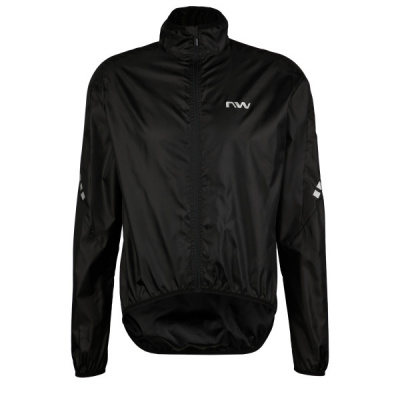
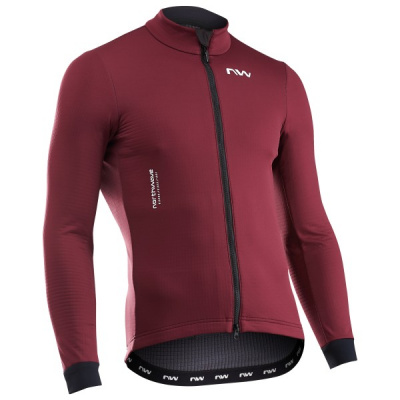
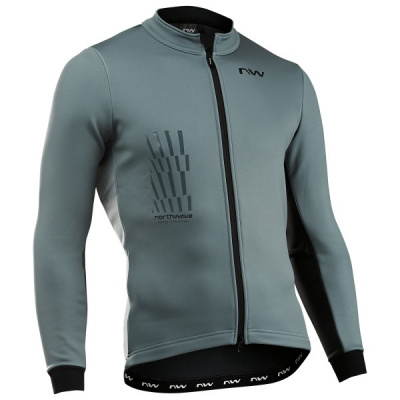
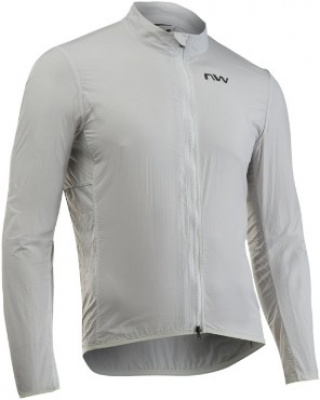
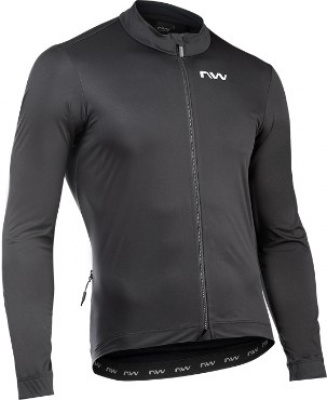
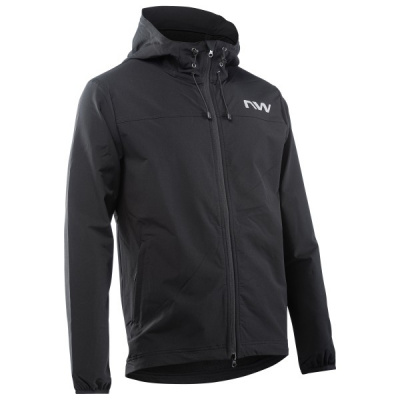
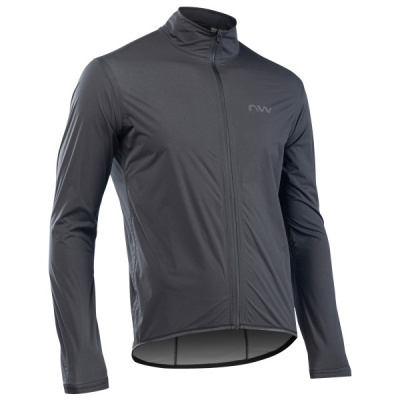
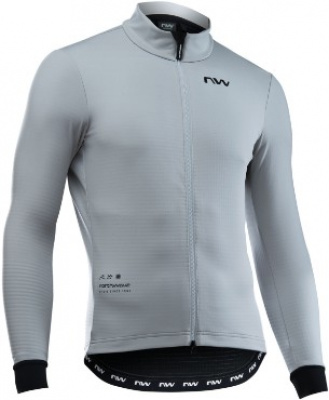

Prices and availability can change quickly. Delivery charges are not always included in listed prices.
Final price, stock status and delivery terms are set by retailer. We may receive a commission on purchases made.
Fabric Tech and Weather Performance
The H2O Flex membrane is the headline act across the waterproof end of the Northwave range. Rated up to 10,000mm hydrostatic head, it resists heavy UK downpours - the kind that arrive sideways off the Pennines - while the four-way stretch construction means it doesn't lock your shoulders into position mid-ride. That stretch is more important than it sounds. A stiff waterproof shell on a bike becomes a sail in crosswinds and a straitjacket on technical climbs. H2O Flex sidesteps that entirely.
Breathability is the harder problem, and it's one that matters a lot on humid UK days where the rain has stopped but the air is thick. Northwave addresses this through Polartec Alpha in their active insulation pieces - an open construction that lets excess heat vent during hard efforts and then traps warmth the moment you ease off. Think of it as insulation that reacts to your output rather than sitting there passively. Primaloft appears in slightly warmer, more protective jackets where consistent warmth retention matters more than dynamic breathability - well suited to winter road rides where effort levels stay moderate and wind chill is the main enemy.
Taped seams feature on the more serious waterproof models, sealing the stitch lines that would otherwise let water track through in prolonged rain. The outer face of most jackets carries a DWR coating that keeps surface water rolling off rather than saturating the fabric - though this coating does degrade with washing, which is worth knowing before you throw a jacket in with your everyday laundry.
Fit Profiles and Choosing the Right Cut
Northwave uses BioMap construction - essentially ergonomic panel mapping that pre-shapes the jacket around a riding position rather than a standing one. In practice, the sleeves sit slightly forward, the back panel is longer, and the whole thing pulls less across the shoulders when you're bent over the bars. It's a detail you notice immediately compared with adapted outdoor jackets that bunch and ride up.
Road jackets in the range run close to the body with a pronounced drop tail and shorter front hem - the classic cycling cut designed to cover your lower back while you're stretched out on the hoods or drops. These are cut for speed and minimal drag, so if you're planning to wear a thick thermal jersey and a base layer underneath in January, size up without hesitation. The Italian fit skews lean. If you're between sizes and riding in mild conditions, stay true to size; if you're layering properly for a Scottish winter ride, go one up.
MTB jackets take a noticeably different approach - relaxed through the torso, with more articulation in the arms and shoulders to handle the wider range of movement that trail riding demands. They also tend to use tougher face fabrics to handle contact with branches and pack straps. The road and MTB ranges genuinely aren't interchangeable; the road jacket will feel restrictive off the bike, and the MTB cut won't sit cleanly under an aero road position. Pick for the riding you're actually doing.
Looking for core protection without the sleeves? Head over to our dedicated Northwave Gilets page for packable windproof layers. And when you're building out a full cold-weather setup, Northwave bib tights and Northwave gloves are worth considering alongside the jacket.
Layering for UK Conditions
A Northwave waterproof shell performs best when the layers underneath are doing their job too. For most UK winter riding, a merino or synthetic base layer next to skin handles moisture transfer, a thermal mid-layer adds warmth without bulk, and the jacket sits over the top as your wind and water barrier. That system covers you from around five degrees down to near freezing on a moving bike - which accounts for most of what a British winter actually throws at you rather than the worst-case scenarios.
In milder but wet autumn conditions - the kind of damp, eight-degree rides that define October in the Chilterns - a lighter Northwave shell over a single thermal jersey is often enough. The key is avoiding too many layers under a race-fit jacket, where compression across the chest kills both comfort and breathability. Don't forget the extremities either; Northwave overshoes are a practical pairing when the jacket is working hard in the wet.
Care matters more with technical jackets than most riders realise. Washing with a specialist technical apparel detergent - not standard detergent, and absolutely not fabric softener - keeps the DWR coating and membrane breathability functioning properly. Fabric softener coats the fibres and chokes the membrane, turning a breathable jacket into something closer to a bin bag. After washing, tumble dry on low heat or hang dry, then a low iron or short tumble cycle re-activates the DWR. Do that a couple of times a season and the jacket performs consistently for years rather than degrading after a few months.
If you're weighing Northwave against other options, Castelli jackets offer a similarly Italian, race-oriented approach, while Endura jackets lean into UK-specific weather testing with a slightly more relaxed fit. For value-focused alternatives, Altura jackets cover the commuter and sportive end of the market well. Northwave sits clearly in the performance camp - the tech is there, the fit demands respect, and the results justify the attention to detail.
Northwave Jackets FAQs
Are Northwave cycling jackets true to size?
Northwave cuts run close to the body - it's an Italian, performance-oriented fit that tends to size smaller than UK or US brands. If you're between sizes or plan to layer up with a thermal jersey underneath, go one size up. Riding in mild conditions with just a base layer? True to size usually works fine.
How waterproof are Northwave winter jackets?
The H2O Flex membrane used across Northwave's waterproof range reaches up to 10,000mm hydrostatic head - solid protection against sustained heavy rain, not just light drizzle. Taped seams on the more serious models close off the stitch lines too, so you're covered on long wet rides rather than just quick commutes.
What is the difference between Northwave road and MTB jackets?
Road jackets use a close race fit with a drop tail designed to cover your back in an aggressive riding position. MTB jackets are cut looser through the torso and arms, with more articulation for trail movement and tougher face fabrics that handle contact better. They're built for different body positions and shouldn't be swapped between disciplines.