
Norco Mountain Bikes
Norco mountain bikes come out of British Columbia - one of the most demanding proving grounds on the planet - and that origin shapes everything from geometry decisions to suspension kinematics. These aren't bikes tuned for a smooth flow trail and crossed fingers when it gets rough. They're designed around the idea that the rider and bike should work as one system, which is exactly what the proprietary Ride Aligned™ Design System delivers: geometry and suspension setup matched to your height, weight, and how you actually ride.
For UK riders, that matters. Whether you're picking through wet Tweed Valley ruts or bashing over Peak District gritstone, a bike that keeps your weight centred and your traction consistent is a bike you'll trust. Norco's range runs from accessible trail bikes to full-on enduro weapons, with both carbon and alloy options across the lineup.
This page covers Norco's acoustic adult mountain bikes only. If you want pedal assistance, head to our Norco E-Bikes page. Building from the ground up? Browse Norco Frames. For younger riders, the Norco Kids Bikes collection is worth a look.
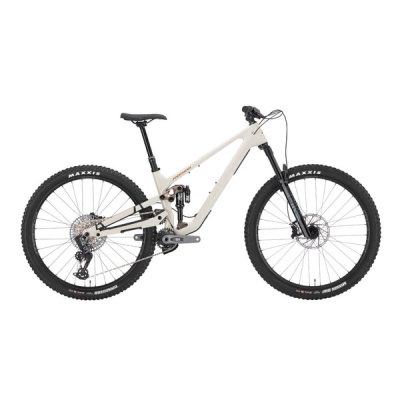
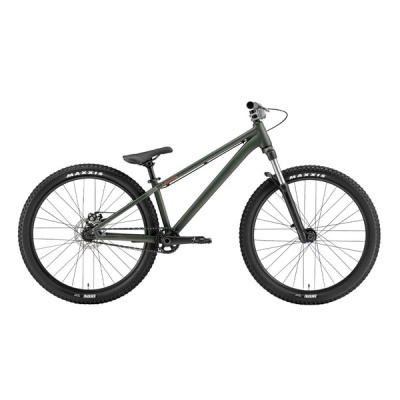
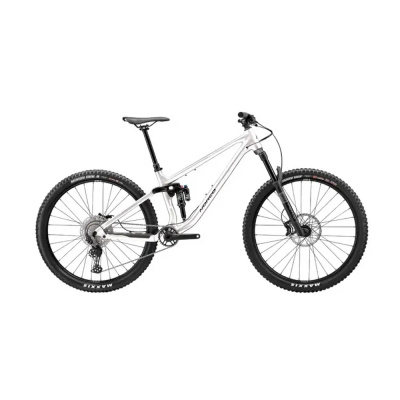
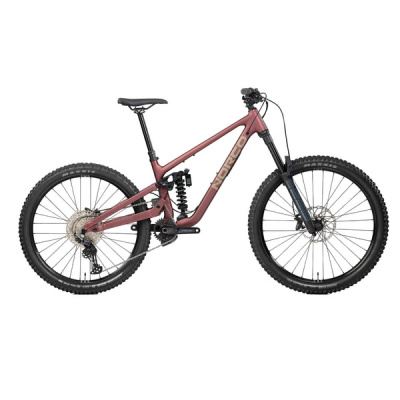
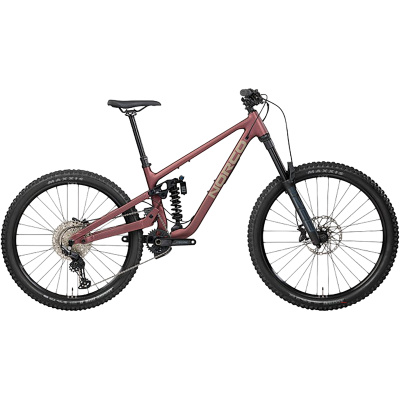
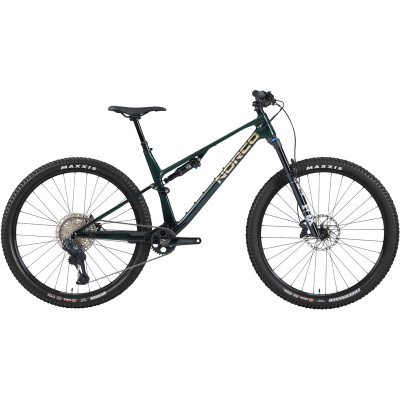
Prices and availability can change quickly. Delivery charges are not always included in listed prices.
Final price, stock status and delivery terms are set by retailer. We may receive a commission on purchases made.
Decoding the Norco Mountain Bike Lineup
Norco keeps their naming logical once you know the key. The letter tells you the frame material - C for carbon, A for alloy - and the number tells you where you sit in the component hierarchy. So a Norco Sight C1 is a carbon Sight with top-tier parts, while a Norco Sight A2 is the alloy version one spec step down. Lower number, better kit. Simple.
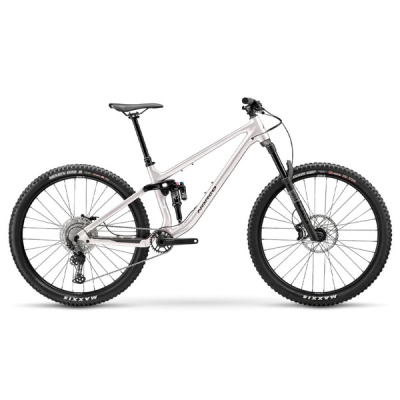
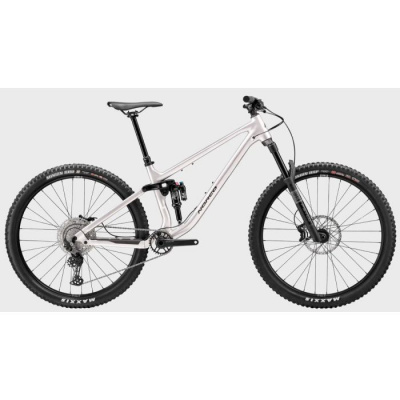
The Norco Fluid FS sits at the approachable end of the full-suspension range. It's a 130mm trail bike with a genuine following - it regularly picks up industry recognition for punching well above its price point, and the geometry is sharper than the 'entry trail' label might suggest. This is the one a lot of riders buy, ride for a season, and decide they don't need to upgrade. If you're weighing up a Norco Fluid FS review from a trusted source, the consistent thread is how well it handles varied conditions without demanding commitment from the rider.
The Norco Optic sits in short-travel aggressive trail territory - typically 120 - 130mm - with a geometry that rewards riders who want a snappier, more playful feel without sacrificing composure on steeper stuff. Think of it as the Fluid's sharper-edged sibling. The Norco Sight vs Optic question comes down to ambition: the Norco Sight runs more travel (around 140 - 150mm) and leans toward all-mountain riding, the sort of bike you'd reach for on a big day out in the Cairngorms or a multi-day trail centre trip. It's heavier, more capable on the descents, and less fussed about the climbs.
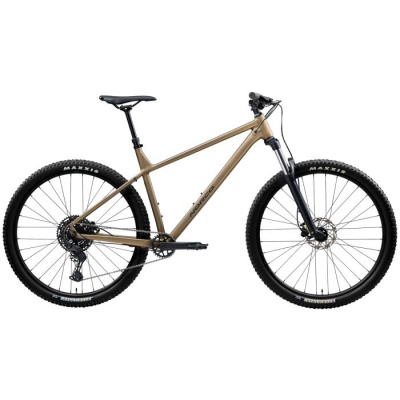
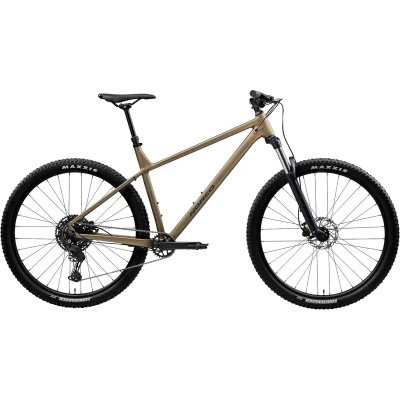
Then there's the Norco Range. This is the enduro geometry flagship - more on its suspension platform below - and it's where Norco's engineering gets genuinely interesting. If you're looking at Norco full suspension mountain bikes and want the most aggressive option in the stable, the Range is it. For riders after something without rear suspension, Norco's hardtail MTB options offer the same sharp geometry thinking in a simpler, lower-maintenance package.
The Norco Tech Philosophy: Ride Aligned and High Pivot
The Ride Aligned™ Design System is more than a marketing bracket around standard geometry charts. Norco's approach ties together frame geometry, suspension kinematics, and setup guidance into a single rider-specific system. Input your height and riding style, and the system outputs recommended reach, stack, suspension sag, and bar position. The goal is that your centre of gravity sits balanced between the axles - not too far forward, not hanging off the back - so both tyres work at the same time rather than trading grip front-to-rear.
In practice, this means you don't just buy a Norco and ride it on factory settings. The Ride Aligned setup guide is worth following properly. It's the difference between a bike that feels alive and one that feels like it's tolerating you.
On the Norco Range, the headline technology is the High Pivot Platform with Idler Pulley. The rear axle path arcs rearward and upward as the suspension compresses, which means square-edge hits - the kind that send a conventional linkage straight up into your spine - get absorbed with a more rearward, rolling motion instead. The idler pulley keeps chain tension consistent through that arc, so you're not getting pedal kickback every time the suspension moves. The result is a bike that carries speed through rough rock gardens rather than scrubbing it. It's the same mechanical logic you'll find on bikes from Forbidden, and it's become the architecture of choice for serious enduro geometry designs.
VPS (Virtual Pivot Suspension) is Norco's tuned variant of the Horst link design, used across the trail and all-mountain models. The virtual pivot point is positioned to control brake jack and anti-squat simultaneously - so the suspension stays active under braking and doesn't dive away from you mid-corner. Trail kinematics are tuned per model rather than shared across the range, which means the Fluid's suspension character is deliberately different from the Sight's, not just a carry-over with different travel numbers. The carbon layup on the C-series frames is also model-specific, which is worth knowing if you're comparing carbon builds across the range - they're not all the same carbon.
Living with a Norco in the UK
Sizing is where a lot of buyers second-guess themselves. Norco's reach numbers tend to run long compared to older geometry conventions, and the instinct to size down is understandable. Don't. Trust the Ride Aligned setup guide - it accounts for this. If the system puts you on a large, ride the large. The geometry only works as intended when you're in the right position on the right size frame.
UK conditions are hard on pivot bearings. Peak District gritstone gets into everything, and a wet Welsh winter will have your linkage creaking by February if you're not on top of it. After gritty or particularly muddy rides, rinse the linkage area and dry it off - it takes two minutes and saves you a bearing replacement. The VPS linkage on Norco's trail bikes has reasonable mud clearance, but it's not a free pass. Keep an eye on the pivot condition, and when it's time to replace bushings and bearings, browse frame spares to keep things running smoothly. Compared to something like a Cube or Giant with a simpler rocker link, the VPS design has more pivot points to maintain - that's the trade-off for the kinematics benefit.
Tyre choice matters more than people admit. The stock rubber on lower-spec builds is often a compromise. If you're riding the Tweed Valley in autumn or the Brecon Beacons in any month, swapping to a proper wet-condition tyre front and rear will transform how the bike feels - more so than any component upgrade at a similar cost. Norco's 29er sizing dominates the range, and the wheel size plays into the geometry calculations, so don't be tempted to run a mullet setup unless the frame is specifically designed for it. Check Norco's documentation before mixing wheel sizes.
If you're building a longer-term relationship with a Norco and want to explore the full brand depth - including gravel options - the Norco Gravel Bikes range is worth a look for riders whose weekends involve more than one surface type.
Norco Mountain Bikes FAQs
Are Norco mountain bikes any good?
Norco has a strong reputation, particularly for trail and enduro bikes. The Norco Fluid FS regularly earns industry recognition for its trail performance and value, and the Range is taken seriously by riders who push bikes hard. They're designed and tested in British Columbia, which sets a high bar for what 'capable' actually means.
What is the Norco Ride Aligned system?
Ride Aligned is Norco's proprietary design framework that connects geometry, suspension kinematics, and setup to a specific rider's height, weight, and style. Rather than a generic size chart, it outputs recommended reach, stack, and suspension sag so your weight sits balanced between both wheels - which means both tyres work together rather than fighting each other for grip.
Where are Norco bikes made?
Norco bikes are designed and engineered in British Columbia, Canada, with extensive trail testing done on home ground. Frames are then manufactured in Taiwan to Norco's specifications and quality standards - a standard approach across most premium MTB brands at this level.