
Norco E-Bikes
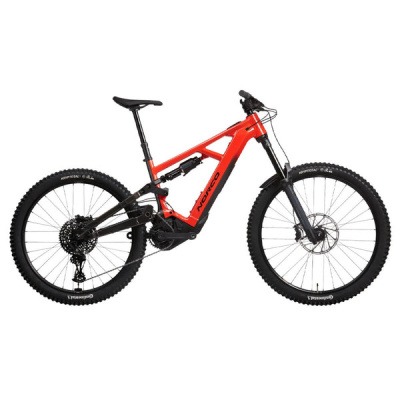
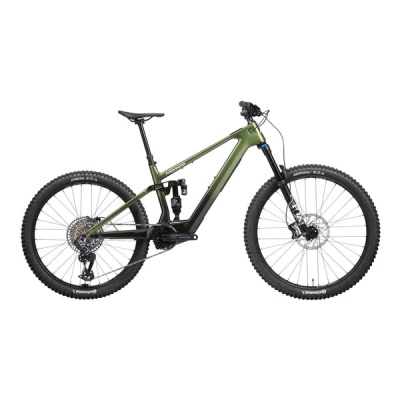
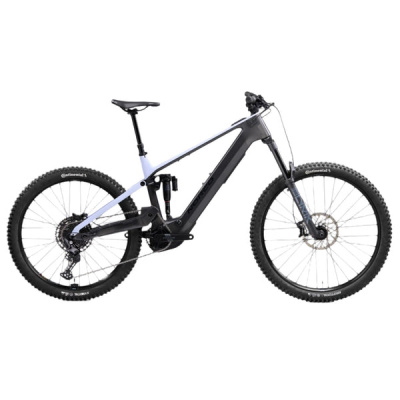
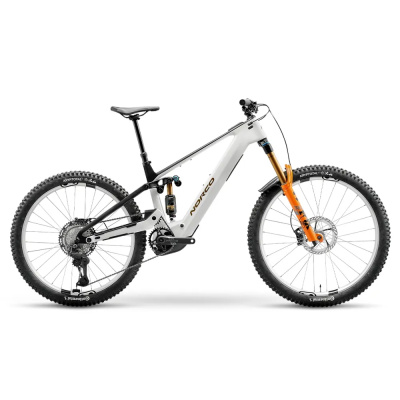
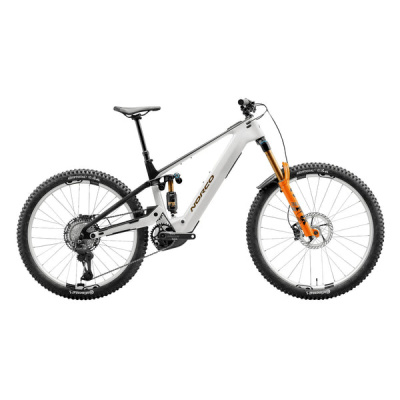
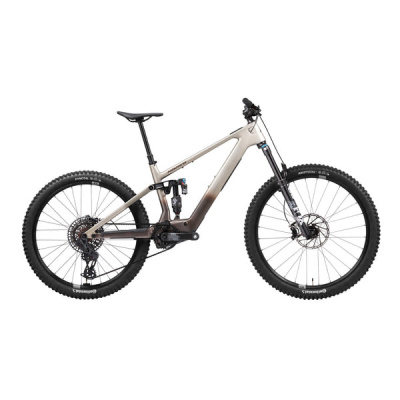
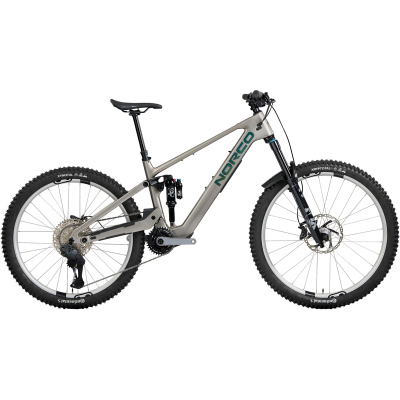
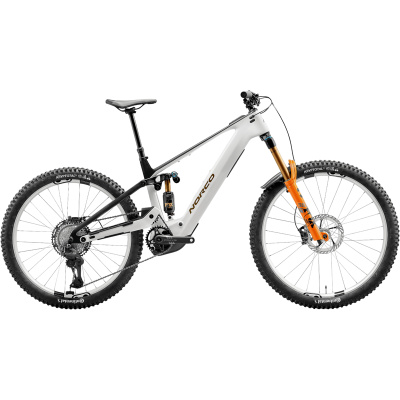
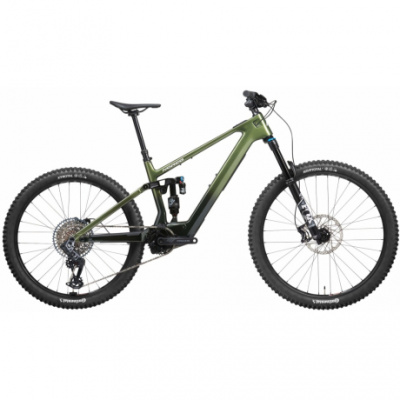
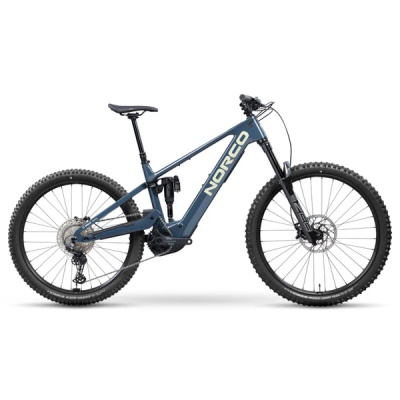
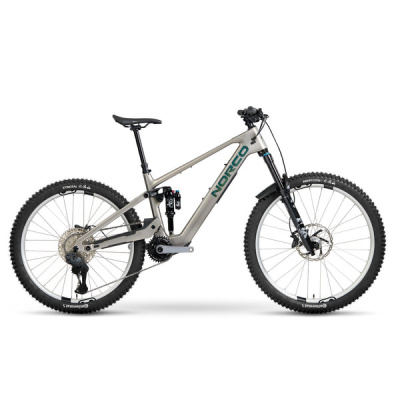
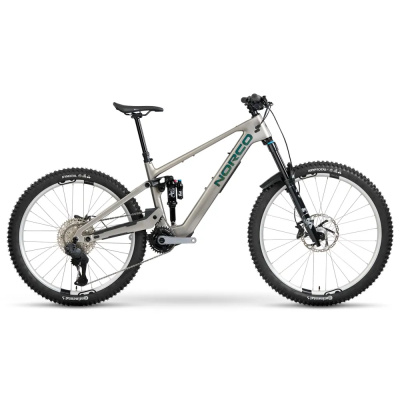
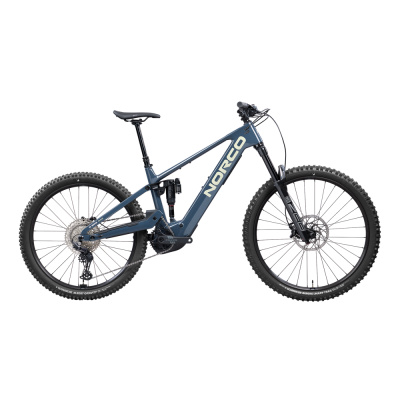
Norco E-Bikes carry the VLT badge - short for Volts - and they're built around a simple idea: an electric mountain bike should ride like the best acoustic version of itself, not like a heavy approximation of one. Norco's Canadian roots run deep in trail and freeride culture, and that focus on feel-first geometry transfers directly into the VLT series. The secret weapon is the Ride Aligned™ Design System, which tunes kinematics and centre of gravity per frame size, so a rider on a small doesn't get a scaled-down version of a large - they get a bike that's actually dialled for their body. On steep, punchy climbs in the Tweed Valley or on the loose, rooty descents of the Surrey Hills, that distinction matters. Motor torque without good geometry is just noise. Norco pairs that chassis thinking with serious drive systems - Bosch Performance Line CX and Shimano EP8 depending on model and year - so the power delivery is as considered as the frame around it. Whether you're after an enduro bruiser or a lightweight trail bike, there's a VLT for it. If you'd rather go without a motor, our Norco Mountain Bikes collection covers the acoustic range in full.
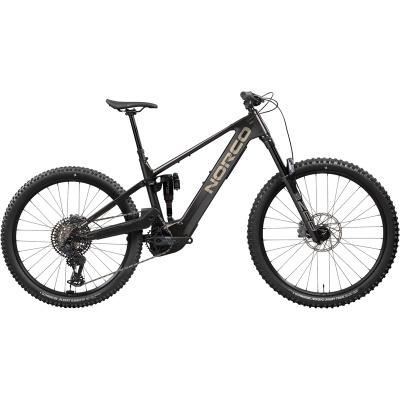
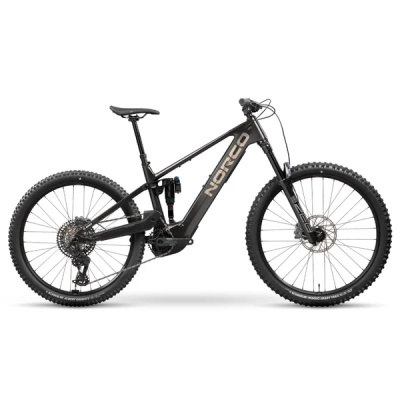
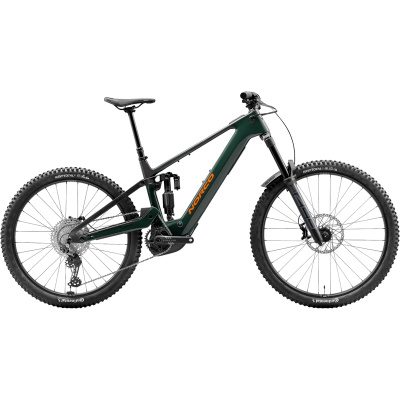
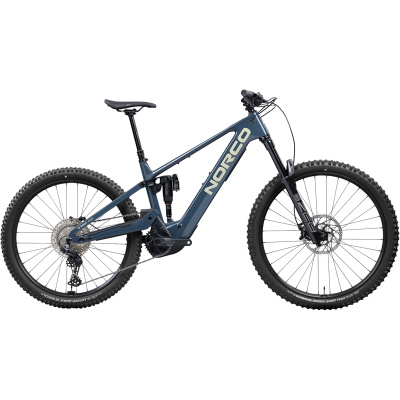
Prices and availability can change quickly. Delivery charges are not always included in listed prices.
Final price, stock status and delivery terms are set by retailer. We may receive a commission on purchases made.
Decoding the Norco VLT E-Bike Lineup
Three families, one naming convention. The VLT suffix tells you it's electric; the letter before the number tells you what the frame is made from. C means carbon - C1 sits at the top of the range, C2 a step below - and A means alloy. It's a logical system once you know it, and it makes comparing specs across the range much more straightforward.
The Range VLT is the enduro machine. With 170mm or more of travel and a high-pivot suspension layout, it's built for the kind of riding where you winch to the top and then point it at the steepest line you can find. That high-pivot configuration keeps the rear axle path moving rearward and upward over square-edged hits, which means the back end stays composed when the trail gets genuinely rough. This is the bike for Tweed Valley enduro laps or anything with a shuttle involved.
The Sight VLT sits in the all-mountain bracket with around 150mm of travel front and rear. It's the most versatile of the three - capable enough on aggressive descents, but not so slack and long that you're fighting it on technical climbs. A solid choice if your riding mixes trail centres, natural singletrack, and the odd enduro stage. If you want to see how it stacks up against the competition, Cube E-Bikes and Cannondale E-Bikes offer comparable all-mountain electric options worth comparing at this level.
The Fluid VLT is the lightweight end of the family. Norco pairs it with the Bosch SX motor, which prioritises a natural ride feel and a lower overall weight over outright torque. At roughly 18 - 19kg in carbon trim, it's genuinely closer to a heavy acoustic bike than a typical full-power e-MTB. Good for riders who want a motor for long days in the hills but don't want the bike to feel like it's doing the work for them. For non-electric options across Norco's broader range, Norco Gravel Bikes are worth a look if mixed-surface riding is on the cards.
The Norco Tech Philosophy: Ride Aligned and Power Integration
The Ride Aligned™ Design System is the bit that separates Norco's approach from brands that simply scale one geometry up and down. Norco adjusts reach, stack, head angle, and suspension kinematics per size, so the intended handling character stays consistent whether you're on a small or an extra-large. In practice, it means a shorter rider on a Sight VLT gets the same responsive, confidence-inspiring feel as a taller rider - not a vague, wallowy compromise. That's not a small thing when you're committing to a line on a slippery Welsh trail descent.
On the Range VLT specifically, the high-pivot suspension layout does real work. By moving the pivot point above the chainline, Norco engineers the rear axle to follow a rearward arc as the suspension compresses. Hits that would spike through a conventional linkage get absorbed more progressively. It also helps with anti-squat characteristics under power, which matters when you're hammering out of a technical corner with the motor in full assist. One practical note: the idler pulley that the chain runs around in a high-pivot design does accumulate mud. Scottish or Welsh winter riding will pack that area quickly, so factor in a proper clean after every grim session.
Motor choice across the VLT range reflects Norco's willingness to spec for purpose rather than just badge recognition. Recent builds lean heavily on the Bosch Performance Line CX - a unit with strong torque figures and a well-established support network in the UK - while the Fluid VLT uses the lighter Bosch SX for a more trail-oriented feel. Some earlier and current builds use the Shimano EP8, which has its own following for its smooth, natural power curve. Battery configurations vary by model year: some VLT builds use a fully integrated pack, others offer a removable system. Worth checking the specific build you're looking at, particularly if range anxiety is a factor on longer days out.
Living with a Norco VLT in the UK
UK riding chews through bikes harder than most manufacturers account for. Grit, clay, and near-constant wet mean your pivot bearings are working in conditions that would make a Californian trail builder wince. Norco's frame protection on the VLT series is decent - particularly on the chainstay and downtube - but the high-pivot idler on the Range VLT deserves attention. After rides at places like Coed y Brenin or anything in the Galloway Forest in winter, that idler area packs with mud. A quick rinse with a low-pressure hose and a bearing check every few months will keep it rolling freely. Neglect it and you'll feel drag before you see damage.
Pivot bearing wear is accelerated in gritty conditions regardless of brand, but Norco's sealed bearing spec is robust. Keep a tube of waterproof grease in your kit bag and check for play in the linkage pivots at the start of the season. Catching it early is a ten-minute job. Leaving it costs significantly more. For replacement parts when the time comes, our Norco Frame Spares and Bushings page covers the consumables you'll eventually need.
The Ride Aligned geometry pays dividends on steep, technical climbs - the kind of pinned, off-camber stuff you get in the Surrey Hills or on the Tweed Valley's more demanding routes. Motor torque through a poorly balanced chassis just spins the rear wheel or tips you backward; through a Norco VLT, it translates into traction. Worth fitting a mud-specific tyre at the front for winter if the stock rubber feels skittish - a tyre swap is the cheapest geometry upgrade you'll ever make. A Norco chain guide is also worth considering if you're running a high-pivot setup on rough ground, where chain retention can occasionally be tested on big compressions.
Norco E-Bikes FAQs
Are Norco e-bikes any good?
Yes, consistently so. Norco's VLT range earns strong marks for suspension feel and geometry - particularly the way Ride Aligned tuning keeps handling consistent across frame sizes. The descending capability is a genuine standout, and the motor integration feels considered rather than bolted on. They're respected in the e-MTB market for good reason.
What motor does Norco use on their e-bikes?
It depends on the model and year. Current VLT builds predominantly use either the Bosch Performance Line CX for full-power models like the Range VLT and Sight VLT, or the lighter Bosch SX on the Fluid VLT. Some builds - particularly older or specific configurations - use the Shimano EP8. Always check the spec sheet for the exact build you're considering.
How much does a Norco VLT weigh?
It varies quite a bit. A full-power alloy build like the Sight VLT A1 sits around 25kg - typical for the category. Carbon full-power models trim that noticeably, while the Fluid VLT in carbon trim drops to roughly 18 - 19kg, which is genuinely light for a motorised trail bike. Battery size and spec level both affect the final figure.