
Nalini Jackets
Nalini cycling jackets come out of the Moa Sport factory in Italy - a facility with deep roots in pro-peloton kit production - and that manufacturing pedigree shows the moment you handle the fabric. These aren't softened-down lifestyle pieces. They're close-cut, technically considered outerwear built around proprietary Mantotex membranes and DWR treatments that deal with road spray, biting headwinds, and the kind of damp January chill that makes your knees complain by the first climb.
What separates Nalini from the wider crowd is the breathability story. UK riding in winter isn't just about staying dry from the outside - it's about managing the moisture you generate grinding up a long drag in high humidity. The Mantotex membrane is engineered to vent that internal build-up rather than trap it, so you're not arriving at the café stop feeling like a steamed pudding. DWR coatings handle surface water and road grime, while thermal fleece linings in the deeper winter models add meaningful insulation without turning the jacket into a duvet.
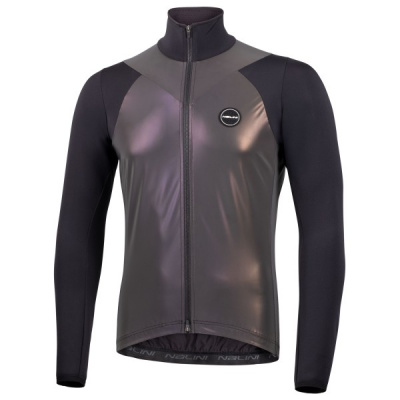
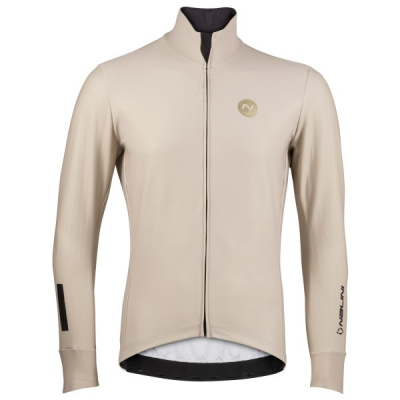
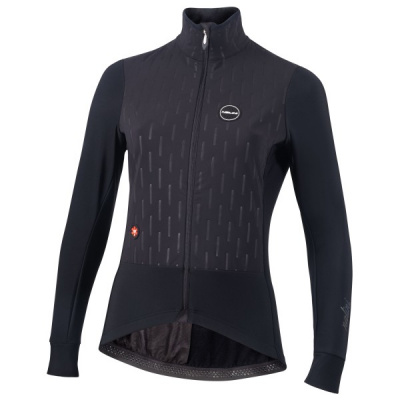
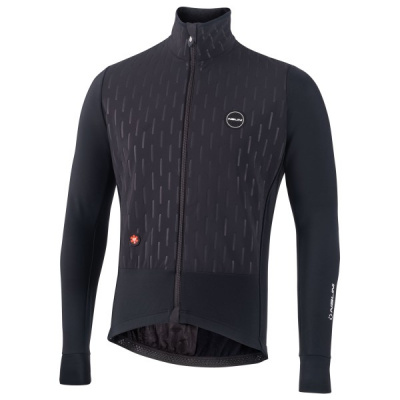
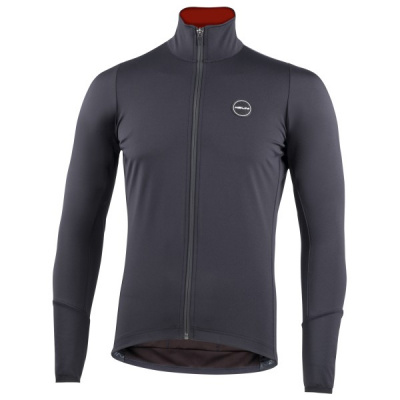
The fit is Italian - read: precise and aerodynamic. The ergonomic panelling sits close to the body to cut wind flap at speed. A drop tail keeps your lower back covered when you're stretched over the bars. Reflective details are worked into the design for overcast, low-light conditions. If you want to compare options, Castelli jackets and Endura jackets sit in similar territory - but Nalini's Italian construction has its own character.
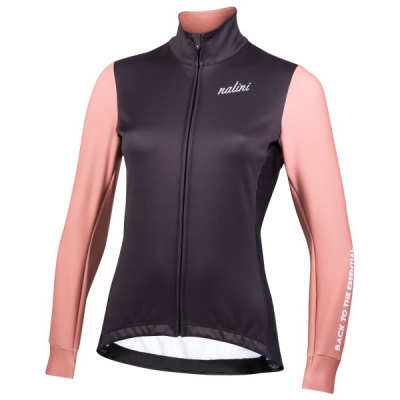
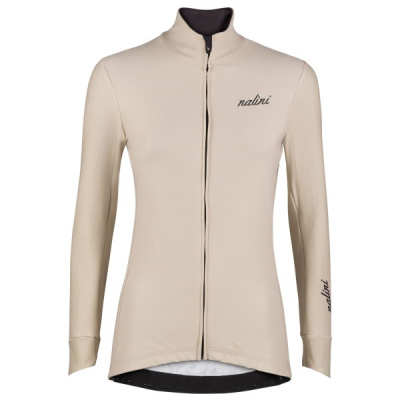
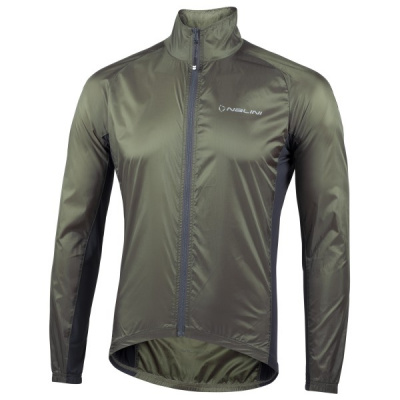
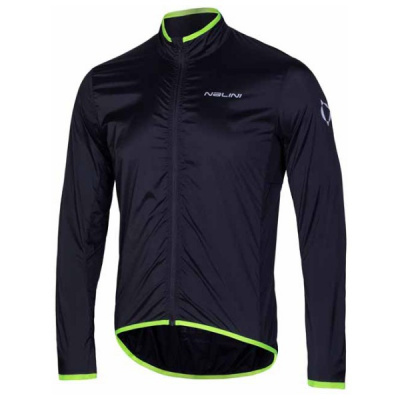
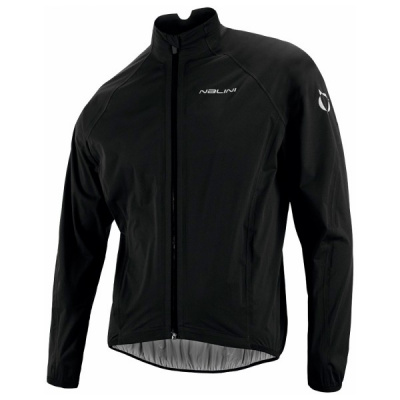
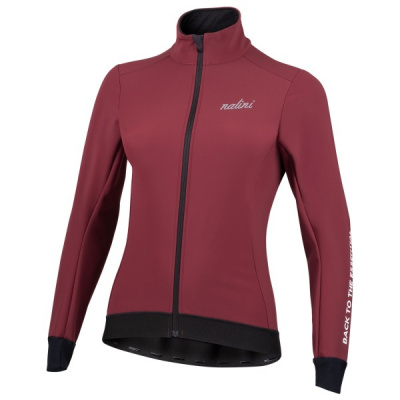
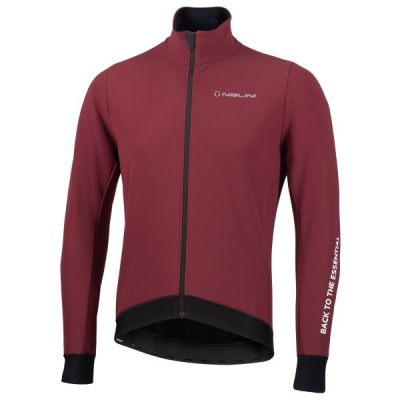
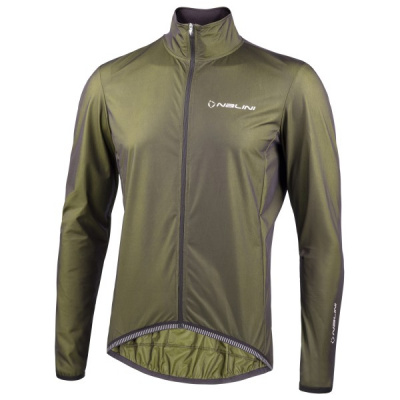
Prices and availability can change quickly. Delivery charges are not always included in listed prices.
Final price, stock status and delivery terms are set by retailer. We may receive a commission on purchases made.
Fabric Tech and Weather Performance: The Mantotex Advantage
The Mantotex membrane is Nalini's core weather weapon, and it's worth understanding what it actually does before you buy. Most cycling jackets make you choose between waterproofing and breathability - pile on the protection and you roast; chase breathability and you end up damp from the outside. Mantotex is designed to close that gap. It blocks wind and resists water ingress while allowing moisture vapour to escape outward, which matters enormously on hard efforts in the wet Welsh valleys or grinding up a Peak District climb in February drizzle.
DWR coatings work on the outer face of the fabric, causing water to bead and roll off rather than saturate the fibres. This keeps the jacket lighter and more breathable during showers - a saturated outer shell loses a significant chunk of its venting ability. Worth noting: DWR does degrade over time, particularly with repeated washing, but it can be restored (more on that below). Taped seams on the higher-specification jackets close off the stitching lines that would otherwise let water wick through under sustained rain.
For deep winter rides, Nalini's thermal fleece lining traps a layer of warm air against the body without the stiffness of a heavily padded shell. It's insulation that moves with you. The Moa Sport fabric construction across the range is chosen to balance these competing demands - lighter, more packable cloths for breezy spring days, denser constructions for January base miles. Reflective detailing is integrated rather than bolted on, which keeps the clean Italian silhouette intact while adding genuine visibility in grey, overcast conditions.
Understanding the Nalini Fit and Range
Nalini sizing runs on a traditional Italian model. That means the cut is more fitted than most UK or North American brands, with an ergonomic, race-focused shape that keeps fabric tight to the body and out of the wind. If you've ridden in Alé jackets before, the logic is similar - Italian apparel tends to assume you're on the drops, not sitting upright on a hybrid.
The drop tail is a practical feature, not just an aesthetic one. When you're stretched into an aggressive position, a standard-length hem rides up and exposes your lower back. The longer rear panel stays put. Ergonomic panelling through the shoulders and sleeves gives a pre-shaped fit that doesn't bunch or restrict when your arms are forward on the bars.
So when do you size up? For a Nalini winter cycling jacket with thermal fleece lining, go up one size if you're planning to run a base layer and a mid-layer underneath. The fit is intentionally narrow, and layering under a race-cut shell without sizing up turns the whole system rigid and uncomfortable. For a lightweight wind jacket worn over a single jersey, stick to your usual Nalini size - the slim fit is doing useful aerodynamic work there. If you're genuinely between sizes, the winter jacket question answers itself: size up and keep your movement free. Check the Nalini jacket fit guide notes on individual product listings, as some models specify their intended layering use.
The range splits broadly into windproof shells - light, packable, suited to cool-but-dry days or descents where wind chill is the main enemy - and full thermal jackets for serious cold-weather protection. There are also mid-weight options that handle the awkward shoulder seasons, when the forecast is doing something different every hour and you need a jacket that commits to neither extreme.
Layering and Care for UK Riding
A Nalini jacket works hardest when the rest of your kit is doing its job. Start with a wicking Nalini base layer that moves sweat away from the skin - if you're wearing a thermal jacket over a cotton tee, you've already compromised the system. Nalini bib tights complete the winter picture, keeping the layering logic consistent through the lower half.
On milder, changeable days - the kind where you're not sure whether you need arms or not - a gilet is often the smarter call than a full jacket. If you need core protection without the arm bulk, the Nalini gilets range is worth a look before committing to a heavier jacket. You keep the wind off your chest without overheating on the climbs.
Washing DWR-treated jackets properly isn't optional - it's how you keep the water resistance working. Use a non-bio detergent and avoid fabric softeners entirely; softener molecules clog the DWR coating and kill its ability to bead water. Wash on a gentle, cool cycle. Once clean, a short tumble dry on low heat - or a gentle iron through a cloth - reactivates the DWR treatment by warming the coating back into shape. If your jacket is starting to wet out (absorbing water rather than beading it) despite correct washing, a dedicated DWR re-proofer spray applied after washing will restore performance. Don't just buy a new jacket because the DWR has dulled - it's a five-minute fix.
A Nalini windproof jacket folds small enough to stuff into a jersey pocket for descents, which is genuinely useful on long sportive days when conditions change between valley and summit. The fuller winter jackets don't compress to the same degree, but that's the honest trade-off for the insulation they carry. For outerwear from comparable Italian houses, Assos jackets are worth comparing if budget allows - both brands take the same approach to precision fit and technical fabric, with slightly different proprietary systems underneath.
Nalini Jackets FAQs
Are Nalini cycling jackets true to size?
Not by UK standards. Nalini uses a traditional Italian sizing model - the cut runs smaller and closer to the body than most British or American brands. Stick to your normal size for lightweight shells worn over a single jersey. Go up one size for winter jackets where you're layering a base layer and mid-layer underneath.
How waterproof are Nalini winter jackets?
Nalini's top-tier winter jackets use the proprietary Mantotex membrane and DWR treatment to handle road spray and moderate rain well. Taped seams add extra protection on higher-spec models. For prolonged, heavy downpours rather than typical UK shower riding, a dedicated waterproof rain cape will give you more confidence.
What is the difference between a Nalini wind jacket and a thermal jacket?
A wind jacket is a lightweight, packable shell - its job is blocking wind chill on descents or cool-but-dry days. A thermal jacket uses heavier Mantotex construction with a fleece-backed lining to actively retain heat. If you're riding in temperatures below around 7°C for more than an hour, the thermal jacket earns its place.