
Muc Off Mini Pumps
Muc-Off mini pumps are the kind of roadside insurance you genuinely want in your jersey pocket when a puncture drops you five miles from the car on a January evening. The AirMach series sits at the centre of the range - built from aerospace-grade CNC machined aluminium, which keeps weight down without the fragility you get from cheaper pressed alloy barrels. That construction matters when you're pumping hard on a cold morning with numb fingers.
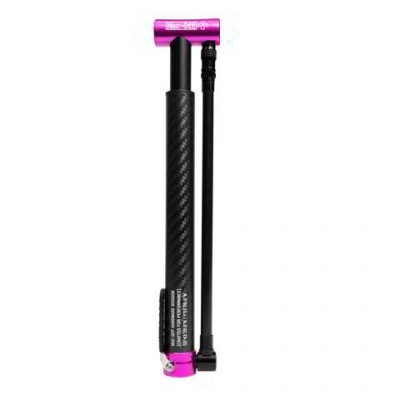
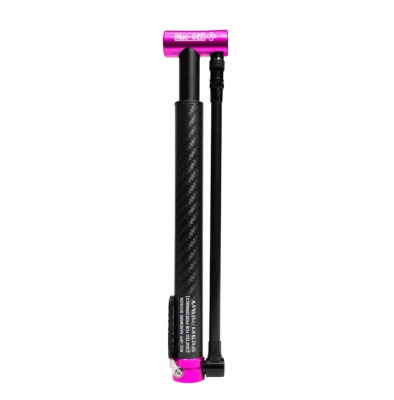
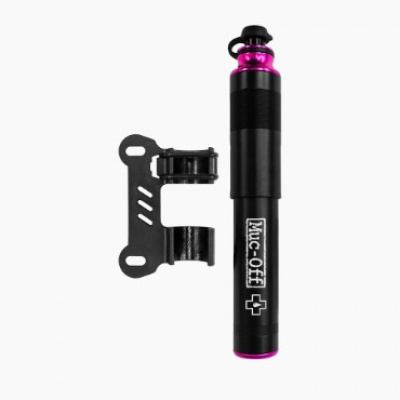
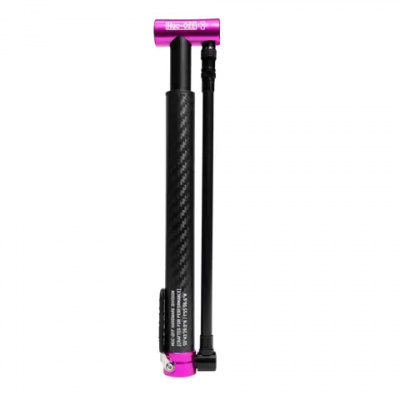
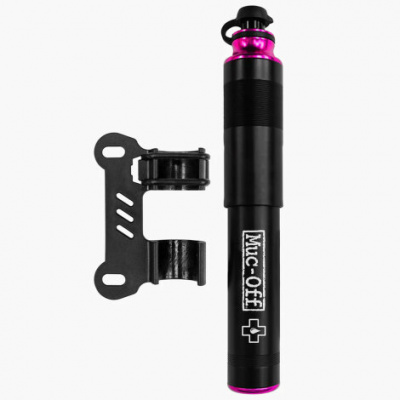
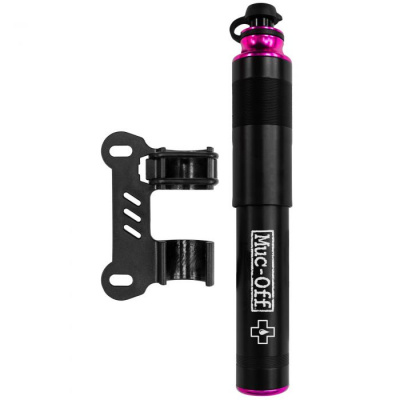
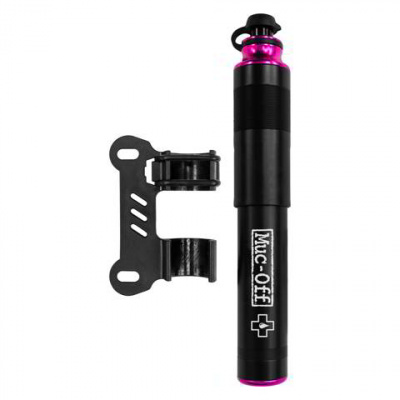
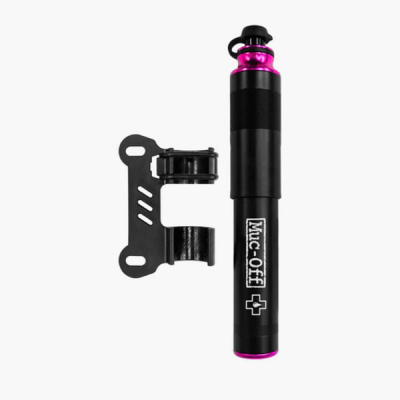
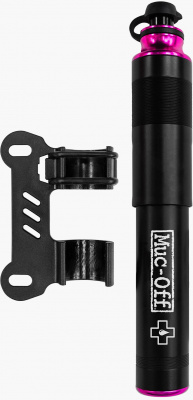
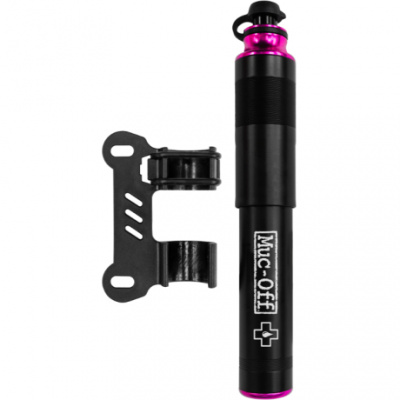
The reversible CNC machined valve head handles both Presta and Schrader without adaptors rattling loose in your bag, and the pull-out flexible hose is a small detail that saves you snapping a delicate Presta valve core at the roadside. Do that once and you'll never go back to a rigid inline chuck. Most models also include a frame mount bracket, so you're not hunting through pockets before every ride.
Whether you're running a road bike on 120 PSI, a gravel rig mid-ride through the Peaks, or an MTB that needs high-volume air fast, there's a Muc-Off option sized to the job. Compare the best prices on Muc-Off mini pumps below.

Prices and availability can change quickly. Delivery charges are not always included in listed prices.
Final price, stock status and delivery terms are set by retailer. We may receive a commission on purchases made.
Will It Work With Your Valves and Tyres?
The first question worth settling before you buy any mini pump is whether it suits your inflation demands - not just your valve type. Muc-Off splits the range along the same lines as the rest of the industry: high volume (HV) for MTB and gravel, where you're shifting a lot of air at lower pressure, and high pressure (HP) for road, where you need to hit 100 PSI or beyond with a barrel that won't flex under load. Pick the wrong one and you'll either be pumping for an eternity on a 2.4-inch tyre or stalling out before your 28mm road tyre is anywhere near rideable.
Valve compatibility is handled by the reversible CNC machined valve head - one of the genuinely useful bits of engineering here. Unscrew the head, flip the internal rubber grommet and plastic insert, reassemble. That's it. No loose adaptors, no fumbling in the dark. The seal stays airtight in both orientations, which matters when you're trying to hold 110 PSI without losing half of it through a leaky chuck. Both Presta and Schrader are covered, so the pump works across road, MTB, and most gravel setups without modification.
If you run tubeless, a mini pump alone may not seat a bead reliably - you'd normally need a blast of volume from a larger floor pump or a CO2 hit to pop it home. For emergency top-ups after a plug repair, though, a high-volume Muc-Off pump is perfectly adequate. Speaking of which, if you want instant inflation rather than a manual pump, take a look at Muc-Off CO2 inflators and canisters or the Muc-Off electric pumps range - both worth considering depending on how much effort you want to put into a roadside fix.
AirMach Standard vs AirMach Carbon: What the Price Gap Actually Buys
The Muc-Off AirMach mini pump is the workhorse - solid CNC machined aluminium barrel, decent max PSI of around 110, and enough build quality that it won't corrode into a decorative object after one Scottish winter. For most riders on road or gravel, this is the one to get. It's not heavy, the action is smooth, and 110 PSI covers the vast majority of road tyre requirements without drama.
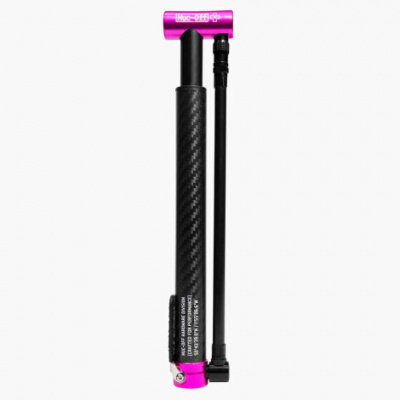
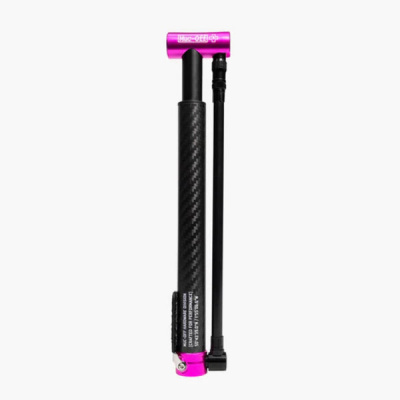
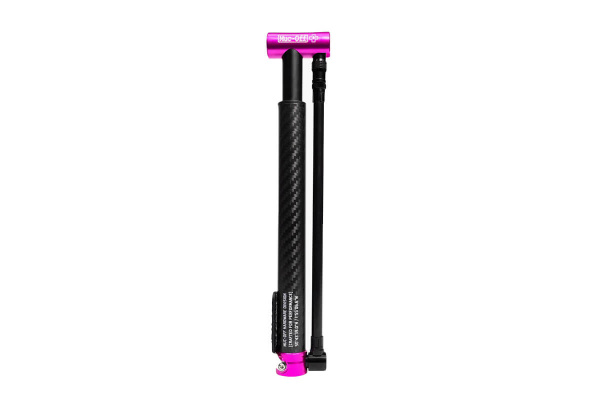
Step up to the AirMach Carbon and you're paying for weight savings above anything else. The carbon fibre barrel shaves grams that most riders will never consciously notice on a ride, but if you've already optimised everything else and the pump is the last thing on your weight list, it makes sense. The internal mechanism is the same reversible valve head and flexible hose architecture - so the functional difference is almost entirely about material. Some versions also push the ceiling closer to 130 PSI, which gives a small buffer if you're running high-end road tyres at the upper end of their recommended range.
For comparison, brands like Lezyne mini pumps and Silca mini pumps operate in a similar premium space - Lezyne with their own CNC alloy barrels, Silca with exceptional build precision. Muc-Off competes well on finish quality and the flexible hose is a genuine differentiator. Topeak mini pumps tend to offer more features at lower price points if budget is the priority, though the build materials reflect that.
The practical question is simple: if you're not counting grams obsessively, the standard AirMach does the job. If you are, the Carbon version earns its place.
Keeping Your Pump Working Through a UK Winter
A mini pump mounted to your frame takes a hiding in British conditions. Grit, road salt, and persistent damp work into every exposed thread and shaft gap - and a pump that seizes when you actually need it is worse than no pump at all. The CNC machined aluminium on the AirMach range resists corrosion better than cheaper alloys, but it's not immune.
Keep the threads on the valve head clean with a wipe-down after muddy or salty rides. A very light application of silicone spray on the internal O-rings every few months keeps the barrel action smooth and prevents the seals from drying out and losing their airtight fit. Don't use oil-based lubricants - they'll degrade the rubber over time. Always replace the rubber dust cap after use. It looks like a small thing, but it stops water tracking into the barrel and sitting against the piston shaft, which is where pumps tend to seize first.
If you're storing the bike for a few weeks, remove the pump from the frame mount entirely. The composite bracket holds it securely, but prolonged pressure against a wet pump in a garage speeds up corrosion at the contact points. A dry shelf is kinder to it than a damp frame. Pair it with a Muc-Off saddle bag if you'd rather keep the pump off the frame altogether - that also solves the rattle problem on rough roads.
For proper trailside puncture readiness, it's worth carrying a Muc-Off tubeless repair and plug kit alongside your pump. Plug the hole, pump it back up, get home. That combination covers most MTB and gravel puncture scenarios without needing a tube swap in a field.
Muc Off Mini Pumps FAQs
How do you switch a Muc-Off mini pump between Presta and Schrader?
Unscrew the CNC machined valve head, flip the internal rubber grommet and plastic insert, then screw it back together. The seal remains airtight in both orientations - no loose adaptors needed. It takes about ten seconds once you've done it the first time.
What is the maximum pressure of the Muc-Off AirMach mini pump?
The standard AirMach mini pump reaches up to 110 PSI, which covers high-pressure road tyres and high-volume MTB tyres comfortably. The Carbon variant pushes closer to 130 PSI, giving a bit more headroom for road bikes running at the upper end of their tyre's pressure range.
Does the Muc-Off mini pump come with a frame mount?
Yes. Most Muc-Off mini pumps include a composite frame mounting bracket designed to sit neatly under a bottle cage. It holds the pump securely without excessive rattle, even on rough UK roads and trails.